
 IN
Elastomeric Waterproofing Compounds
2 products available
What are Elastomeric Waterproofing Compounds?
Elastomeric waterproofing compounds are specialized materials designed to provide a flexible and durable barrier against water infiltration. These compounds are typically made from synthetic rubber and offer excellent adhesion, elasticity, and waterproofing capabilities. Their unique properties allow them to expand and contract with movement, making them ideal for various surfaces that experience temperature fluctuations or structural shifts.
These compounds are primarily used in construction and maintenance applications, including roofs, foundations, and below-grade structures. They are particularly valuable in environments where water exposure is frequent, such as in areas with heavy rainfall or in the presence of moisture-prone soil. Industries such as commercial construction, residential building, and infrastructure development rely on elastomeric waterproofing compounds to ensure long-lasting protection against water damage, thereby enhancing the durability and safety of structures.
As the demand for sustainable and resilient construction practices continues to grow, elastomeric waterproofing compounds have become increasingly relevant in the market. With their ability to provide effective solutions for moisture control and protection, these compounds are integral to modern construction methods and contribute significantly to enhancing the longevity of buildings and infrastructure.
Key Features and Specifications
Elastomeric waterproofing compounds come with a variety of features that make them suitable for diverse applications. Their specifications are critical for ensuring optimal performance in different environments.
Key specifications include:
1. Flexibility
- High elasticity allows for significant movement without cracking or peeling.
- Can accommodate structural shifts and temperature changes.
2. Adhesion
- Strong bonding properties to various substrates, including concrete, metal, and wood.
- Ensures a seamless waterproof barrier.
3. UV Resistance
- Protects the compound from degradation due to sunlight exposure.
- Extends the lifespan of the waterproofing layer.
4. Temperature Range
- Functions effectively within a wide temperature spectrum.
- Data not available on specific temperature ranges.
5. Cure Time
- Quick curing times to facilitate faster project completion.
- Typically cures within hours, depending on environmental conditions.
6. Application Method
- Can be applied via brush, roller, or spray.
- Allows for versatility in application techniques.
7. VOC Content
- Low volatile organic compound content for environmentally friendly options.
- Meets various environmental regulations.
8. Water Resistance
- Provides excellent resistance to water penetration.
- Ideal for areas exposed to heavy moisture.
In summary, elastomeric waterproofing compounds are characterized by their flexibility, adhesion, and resistance to environmental factors, making them essential in various construction projects.
Common Applications and Use Cases
Elastomeric waterproofing compounds are utilized across multiple industries, each with specific applications that benefit from their protective properties.
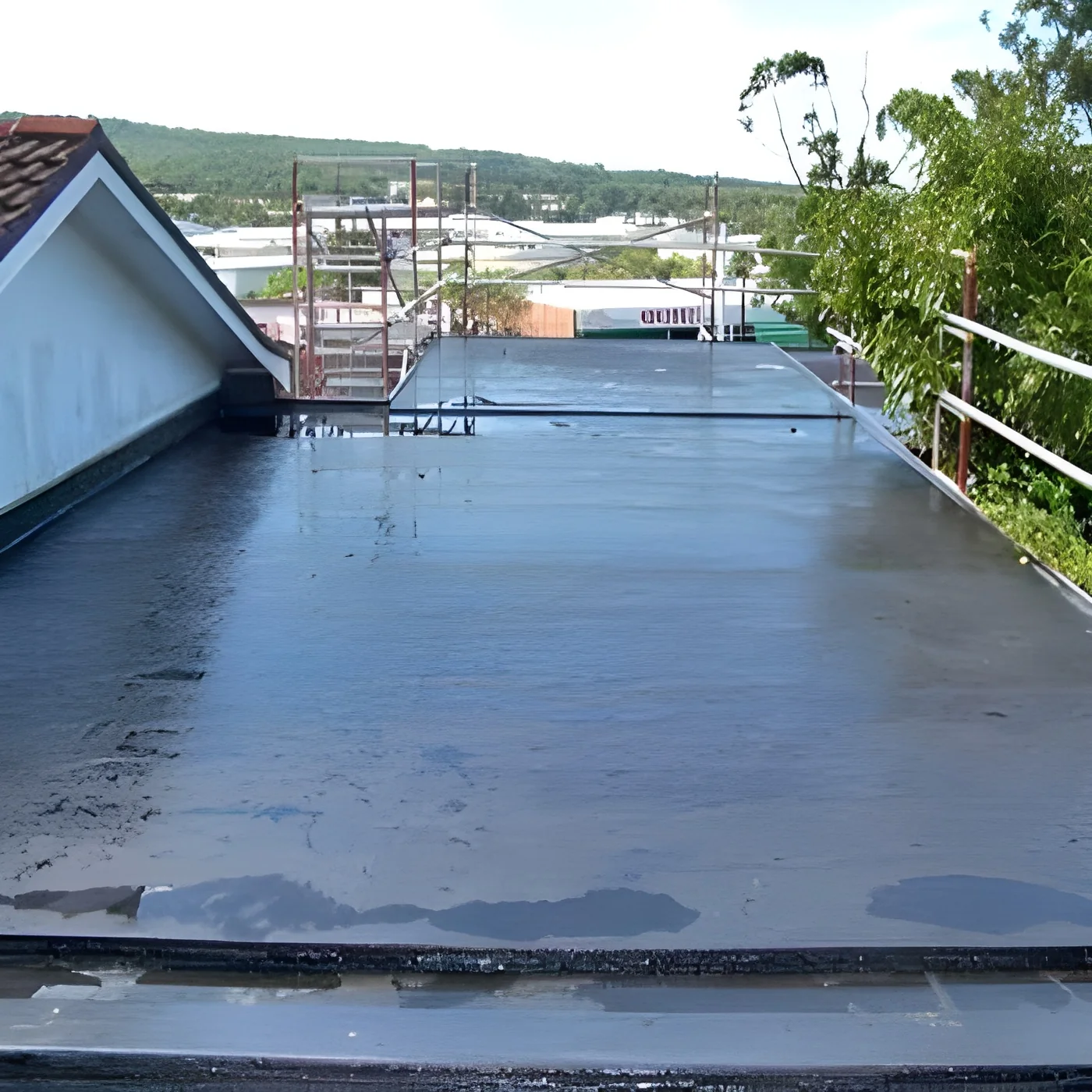
1. Construction: Used extensively in roofing systems to prevent leaks and water damage, ensuring the longevity of structures.
2. Infrastructure: Applied in bridges and tunnels to protect against water ingress, enhancing the durability of critical infrastructure.
3. Residential: Commonly used in basements and foundations to provide a waterproof barrier, preventing mold and structural damage.
4. Industrial: Employed in manufacturing facilities where water exposure is prevalent, safeguarding machinery and production areas.
5. Marine: Utilized in boat hulls and piers to prevent water penetration and corrosion, ensuring the integrity of marine structures.
6. Agriculture: Used in agricultural buildings and irrigation systems to control water management and protect crops.
7. Utilities: Implemented in water treatment plants and sewage systems to prevent leaks and protect the surrounding environment.
Product Variants and Subcategories
Elastomeric waterproofing compounds come in various forms to cater to different needs and applications.
Water-Based Elastomeric Compound: This variant is known for its ease of application and low environmental impact. It is suitable for a range of surfaces and provides excellent flexibility and adhesion.
Solvent-Based Elastomeric Compound: Featuring enhanced durability, this variant is ideal for industrial applications where resistance to harsh chemicals and extreme weather conditions is essential.
Hybrid Elastomeric Compound: Combining the benefits of both water-based and solvent-based compounds, this variant offers versatility for diverse applications, providing a strong waterproof barrier while maintaining flexibility.
Benefits and Advantages
Elastomeric waterproofing compounds offer numerous benefits that make them a preferred choice in various applications.
1. Enhanced Durability: These compounds provide long-lasting protection against water infiltration, reducing the risk of structural damage.
2. Cost-Effectiveness: By preventing water damage, they help minimize repair and maintenance costs over time.
3. Easy Application: Their versatility in application methods allows for quick and efficient installation, saving time on projects.
4. Environmentally Friendly: Many elastomeric compounds are low in VOCs, making them safer for both users and the environment.
5. Versatile Use: They can be applied to a variety of surfaces and conditions, making them suitable for multiple industries.
6. Improved Safety: By preventing leaks and moisture buildup, they help maintain safer environments in residential and commercial buildings.
Buying Guide for B2B Buyers
When sourcing elastomeric waterproofing compounds, it is essential to consider several key factors to ensure the right choice for your needs.
1. Quality Assessment: Evaluate the product's specifications and performance data to confirm it meets industry standards. Look for certifications that guarantee quality.
2. Supplier Verification: Research potential suppliers to ensure they have a reliable track record in providing high-quality waterproofing solutions. Check customer reviews and industry reputation.
3. Pricing and MOQ: Understand the pricing structure and minimum order quantities to align with your budget and project requirements. Request quotes from multiple suppliers for comparison.
4. Delivery and Lead Times: Inquire about delivery schedules and lead times to ensure timely availability of products for your projects.
5. Compliance Requirements: Ensure that the elastomeric waterproofing compounds meet local regulations and standards to avoid legal issues and ensure safety.
Compliance and Certifications
Elastomeric waterproofing compounds are subject to various quality standards and certifications that ensure their reliability and performance in the field.
ISO 9001: This certification outlines quality management systems that help manufacturers maintain consistent quality and improve processes.
CE Marking: Indicates that the product meets EU safety and environmental requirements, providing assurance to buyers within the European market.
Safety and Testing Requirements: Manufacturers often conduct rigorous testing to ensure the compounds meet safety standards, focusing on aspects like flexibility, adhesion, and moisture resistance.
Regional Compliance Considerations: It is crucial to be aware of local regulations regarding construction materials, as compliance may vary by region.
Why Source Elastomeric Waterproofing Compounds from Pepagora?
Pepagora stands out as a trusted platform for sourcing elastomeric waterproofing compounds, offering several advantages to B2B buyers.
Verified Supplier Network: Pepagora ensures that all suppliers are thoroughly vetted and verified, providing buyers with confidence in the quality of products they purchase.
Streamlined RFQ Process: The platform simplifies the request for quotation process, allowing buyers to easily compare options and make informed decisions.
Trade Assurance and Support: Pepagora offers buyer protection and support, ensuring a smooth transaction process and addressing any concerns that may arise.
Regional Coverage: With a strong presence in India, the GCC, and Southeast Asia, Pepagora provides extensive geographic reach, catering to a wide range of market needs.
In summary, sourcing elastomeric waterproofing compounds through Pepagora enables buyers to access high-quality products while benefiting from a robust support system and verified supplier network.

 India
 India
Frequently Asked Questions
What are Elastomeric Waterproofing Compounds?
Elastomeric Waterproofing Compounds are flexible, durable materials used to prevent water intrusion in various structures. They are primarily composed of polymers that provide excellent adhesion and elongation properties, making them suitable for a wide range of applications, including roofs, basements, and terraces.
What are the different types of Elastomeric Waterproofing Compounds?
There are several types of Elastomeric Waterproofing Compounds, including acrylic-based, polyurethane-based, and silicone-based formulations. Each type offers unique properties, such as UV resistance, flexibility, and chemical resistance, catering to different environmental conditions and project requirements.
How do I choose the right Elastomeric Waterproofing Compounds?
Choosing the right Elastomeric Waterproofing Compound involves considering factors such as the substrate material, environmental conditions, and specific application needs. It is important to review the product specifications, including adhesion strength, elongation percentage, and resistance to chemicals and UV exposure.
What are the standard specifications for Elastomeric Waterproofing Compounds?
Standard specifications for Elastomeric Waterproofing Compounds typically include elongation percentage, tensile strength, adhesion properties, and curing time. These specifications can vary by manufacturer, so it is advisable to consult technical data sheets for detailed information.
What is the price range for Elastomeric Waterproofing Compounds?
The price range for Elastomeric Waterproofing Compounds can vary based on the type, quality, and quantity purchased. Generally, prices may range from INR 150 to INR 500 per liter, depending on the specific formulation and supplier.
What quality standards apply to Elastomeric Waterproofing Compounds?
Elastomeric Waterproofing Compounds should adhere to quality standards such as IS 14891 for liquid applied waterproofing membranes in India. Compliance with international standards like ASTM and ISO may also be applicable, ensuring product reliability and performance.
Where can I find Elastomeric Waterproofing Compounds suppliers in India?
You can find Elastomeric Waterproofing Compounds suppliers in India through online B2B marketplaces like Pepagora, industry trade shows, and local construction material suppliers. Additionally, manufacturer directories and trade associations can provide valuable contacts.
Can Elastomeric Waterproofing Compounds be customized?
Yes, many manufacturers offer customization options for Elastomeric Waterproofing Compounds to meet specific project requirements. Customization may include adjustments to color, viscosity, and additional properties based on customer needs.
What is the typical minimum order quantity for Elastomeric Waterproofing Compounds?
The typical minimum order quantity (MOQ) for Elastomeric Waterproofing Compounds can vary by supplier but generally ranges from 100 liters to 1000 liters. It is advisable to check with individual suppliers for their specific MOQ requirements.
What is the typical lead time for Elastomeric Waterproofing Compounds?
The typical lead time for Elastomeric Waterproofing Compounds can range from 7 to 30 days, depending on the supplier's inventory and manufacturing capabilities. Custom orders may require additional time for formulation and production.
Why Businesses Trust Pepagora
Thousands of companies trust Pepagora to source smarter and sell faster
Expand Your Sales Globally

Source Smarter,Grow Faster
