What are E-commerce Warehousing Solutions?
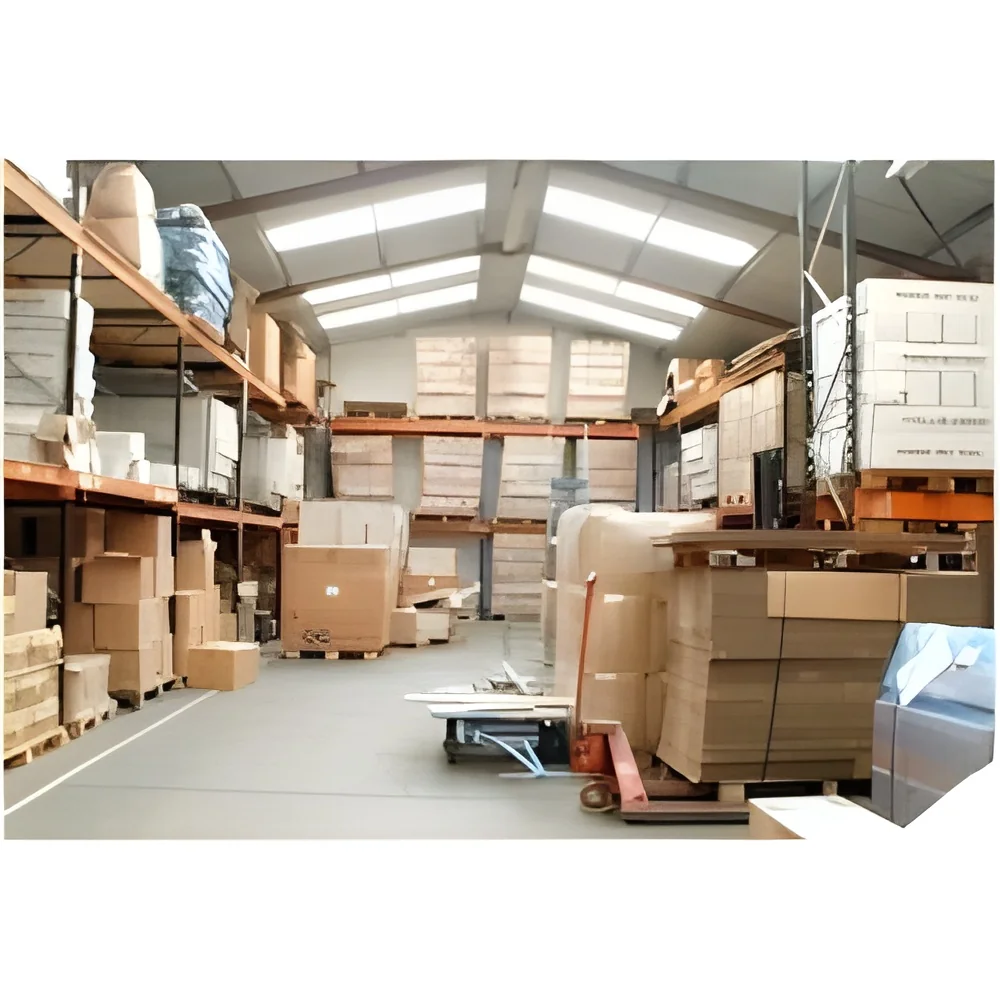
E-commerce warehousing solutions are specialized storage and fulfillment systems designed to support online retail businesses. These solutions facilitate the efficient management of inventory, order processing, and shipping logistics. They are tailored to meet the unique needs of e-commerce operations, allowing businesses to store products, manage stock levels, and streamline the delivery process to customers.
The primary applications of e-commerce warehousing solutions include inventory management, order fulfillment, and distribution. Businesses leverage these solutions to optimize their storage space, reduce delivery times, and enhance customer satisfaction. The growing demand for online shopping has made efficient warehousing a critical component of successful e-commerce operations. As businesses continue to expand their online presence, adopting effective warehousing strategies becomes increasingly relevant.
In the current market context, e-commerce warehousing solutions are vital for businesses seeking to remain competitive. With the rise of digital commerce, investing in these solutions can lead to improved operational efficiency and customer loyalty. As online sales continue to grow, the relevance of robust warehousing systems in supporting this trend is undeniable.
Key Features and Specifications
E-commerce warehousing solutions come with various features and specifications designed to enhance functionality and efficiency. Understanding these specifications is crucial for businesses looking to implement or upgrade their warehousing systems.
Key specifications include:
1. Inventory Management Systems
- Automated tracking of stock levels.
- Real-time updates to prevent stockouts or overstocking.
2. Order Fulfillment Capabilities
- Efficient picking, packing, and shipping processes.
- Integration with e-commerce platforms for seamless order processing.
3. Warehouse Layout Optimization
- Design options for maximizing storage space and accessibility.
- Efficient aisle and shelf arrangements to minimize retrieval time.
4. Scalability Options
- Ability to adapt to changing business needs.
- Options to expand storage capacity as the business grows.
5. Technology Integration
- Compatibility with warehouse management software.
- Use of barcoding and RFID technology for tracking.
6. Shipping and Logistics Management
- Partnerships with multiple carriers for flexible shipping solutions.
- Tools for tracking shipments and managing delivery schedules.
7. Quality Control Features
- Systems in place for monitoring product conditions.
- Procedures for handling damaged or expired goods.
In summary, e-commerce warehousing solutions are equipped with advanced features and specifications that cater to the evolving demands of online retail. By understanding these key aspects, businesses can select the right warehousing solutions to enhance their operational efficiency.
Common Applications and Use Cases
E-commerce warehousing solutions are used across various industries to streamline operations and improve customer satisfaction.
1. Retail Industry: These solutions help manage large inventories and facilitate quick order fulfillment for retail businesses, ensuring customers receive their products promptly.
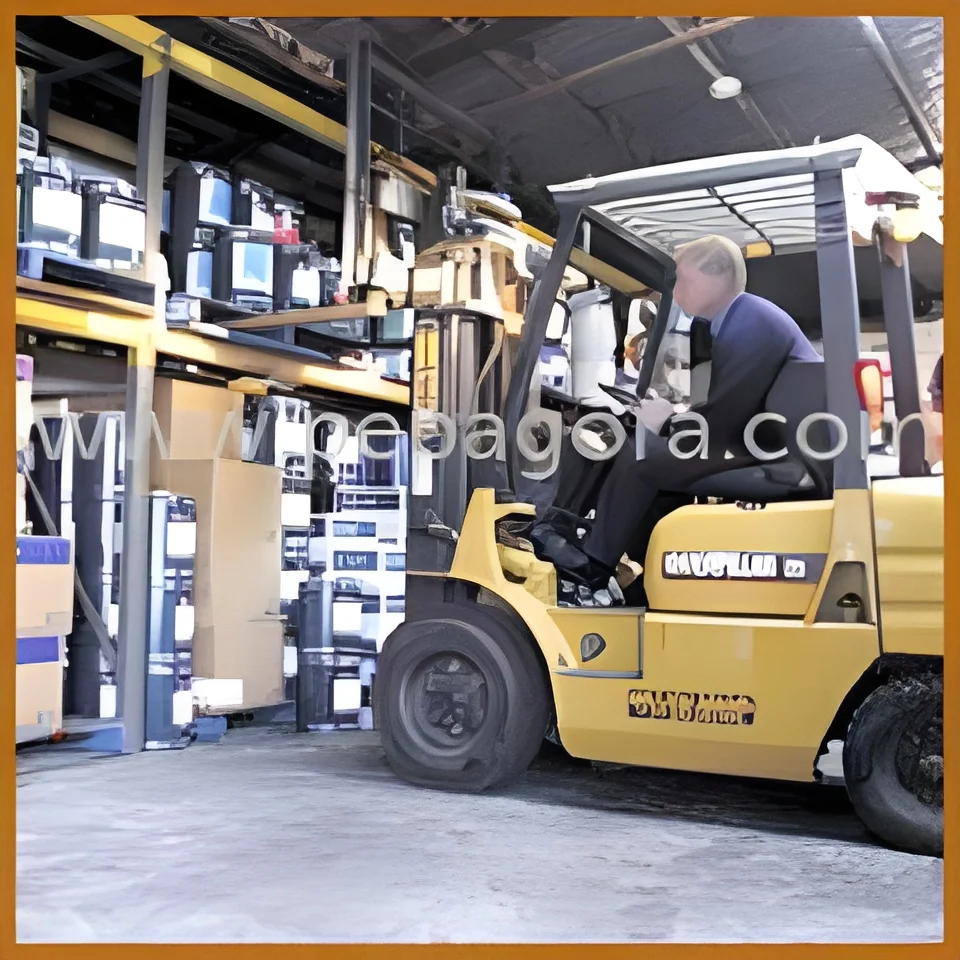
2. Consumer Electronics: E-commerce warehousing solutions enable electronics retailers to efficiently store and ship a wide range of products, from smartphones to laptops, while managing returns effectively.
3. Fashion Industry: Fashion retailers benefit from these solutions by efficiently handling seasonal stock changes, managing diverse product lines, and ensuring timely deliveries to customers.
4. Health and Beauty: Companies in this sector can use warehousing solutions to manage inventory of various skincare and cosmetic products, ensuring compliance with safety standards.
5. Food and Beverage: These solutions assist businesses in maintaining proper storage conditions for perishable goods, ensuring quality and compliance with health regulations.
6. Home Goods: E-commerce warehousing solutions help retailers manage bulky items effectively, optimizing storage space while providing fast shipping options.
7. Subscription Services: Businesses offering subscription boxes can leverage these solutions to streamline the packing and shipping processes, ensuring consistent delivery schedules.
Product Variants and Subcategories
E-commerce warehousing solutions come with various options tailored to meet specific business needs.
Automated Warehousing Solutions
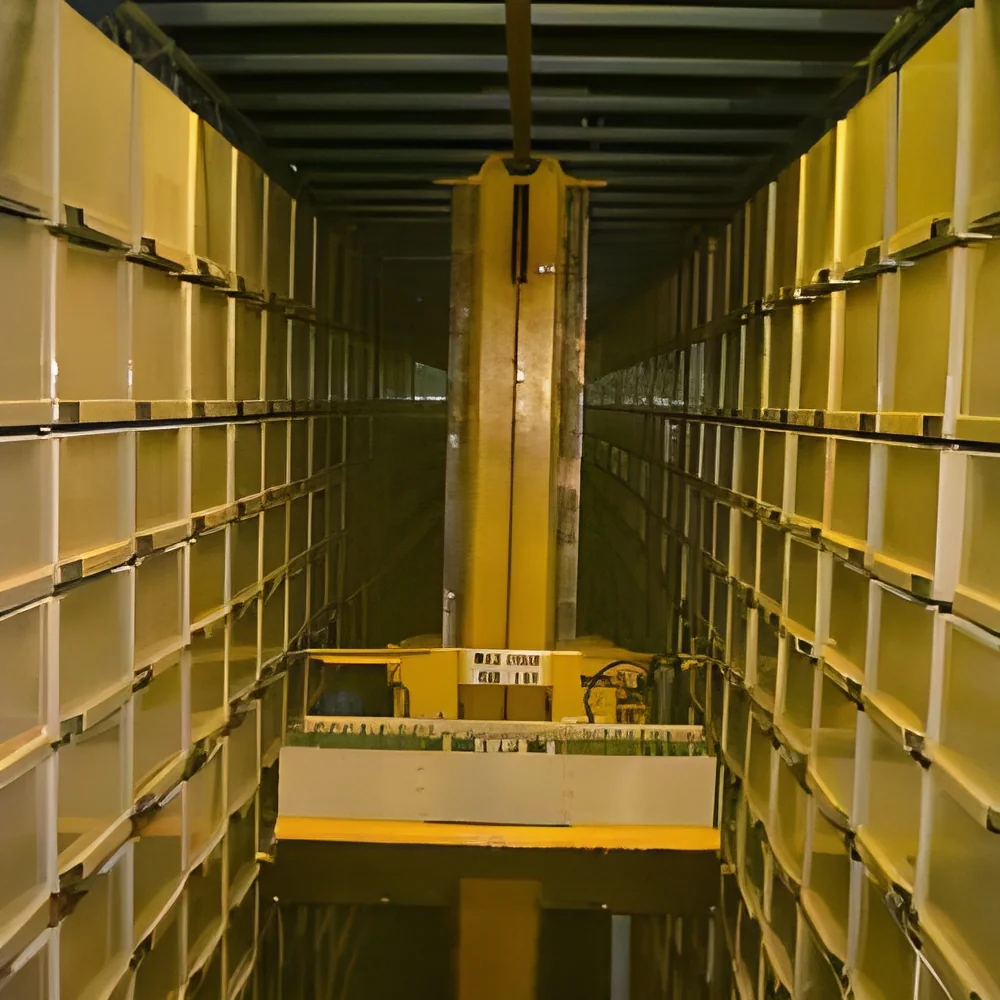
These systems utilize robotics and automation technology to enhance efficiency in inventory management and order fulfillment. They help reduce labor costs and improve accuracy in order processing.
Cold Storage Solutions
Designed for businesses handling perishable goods, these solutions maintain temperature-controlled environments to ensure product quality and safety during storage and distribution.
Flexible Warehousing Options
These solutions provide businesses with adaptable storage space that can be adjusted based on seasonal demand fluctuations, allowing for efficient inventory management.
Third-Party Logistics (3PL) Services
Businesses can partner with 3PL providers that offer comprehensive warehousing and fulfillment services, allowing them to focus on core operations while outsourcing logistics.
Benefits and Advantages
Investing in e-commerce warehousing solutions offers numerous benefits that can enhance business operations.
Key benefits include:
1. Improved Efficiency: Streamlined processes lead to faster order fulfillment and reduced operational costs.
2. Enhanced Inventory Management: Automated systems help maintain optimal stock levels, reducing the risk of overstocking or stockouts.
3. Increased Customer Satisfaction: Timely deliveries and accurate order processing improve the overall customer experience, leading to higher retention rates.
4. Scalability: E-commerce warehousing solutions can adapt to business growth, allowing for easy expansion as demand increases.
5. Better Data Insights: Advanced technology integration provides valuable analytics for better inventory control and decision-making.
6. Cost Savings: Efficient warehousing operations can significantly reduce logistics costs, contributing to overall profitability.
Buying Guide for B2B Buyers
When sourcing e-commerce warehousing solutions, buyers should consider several important factors to ensure they select the right system for their needs.
1. Quality Assessment: Evaluate the quality of materials and technology used in the warehousing solutions. Look for systems that have proven reliability and durability in operation.
2. Supplier Verification: Vet suppliers to ensure they have a solid reputation and proven track record in the industry. Look for reviews and ask for references.
3. Pricing and MOQ: Understand the pricing structure and minimum order quantities. Compare costs across different suppliers to ensure competitive pricing.
4. Delivery and Lead Times: Inquire about delivery schedules and lead times for implementation. Timely setup is crucial for businesses looking to minimize downtime.
5. Compliance Requirements: Ensure that the solutions meet all relevant regulatory and compliance standards, particularly for industries with stringent requirements.
Compliance and Certifications
Compliance and certifications are critical aspects of e-commerce warehousing solutions. These standards ensure that products meet specific safety, quality, and operational benchmarks.
Relevant quality standards include ISO 9001, which outlines requirements for quality management systems, ensuring efficient processes and satisfied customers. HACCP (Hazard Analysis Critical Control Point) is crucial for businesses dealing with food products, focusing on safety and risk management.
Industry certifications such as CE indicate compliance with European safety standards, assuring buyers of product reliability. Safety and testing requirements are essential to guarantee that warehousing solutions operate within safe parameters, protecting both employees and inventory.
Regional compliance considerations should also be taken into account, as different markets may have unique regulations affecting warehousing operations.
Why Source E-commerce Warehousing Solutions from Pepagora?
Pepagora provides a trusted platform for sourcing e-commerce warehousing solutions, offering several key advantages for businesses.
Verified Supplier Network: Pepagora ensures that all suppliers on the platform undergo thorough verification processes. This adds a layer of trust and reliability for buyers, enhancing their sourcing experience.
Streamlined RFQ Process: The request for quotation (RFQ) system simplifies the procurement process. Buyers can easily compare options and receive tailored quotes from multiple suppliers, saving time and resources.
Trade Assurance and Support: Pepagora offers trade assurance to protect buyers throughout the transaction process. This support ensures that businesses receive the products they need while minimizing risks associated with procurement.
Regional Coverage: With a strong presence in India, the GCC, and Southeast Asia, Pepagora offers extensive geographic reach. This ensures that businesses can find suitable warehousing solutions in their local markets, facilitating quicker logistics and support.

 IN
IN