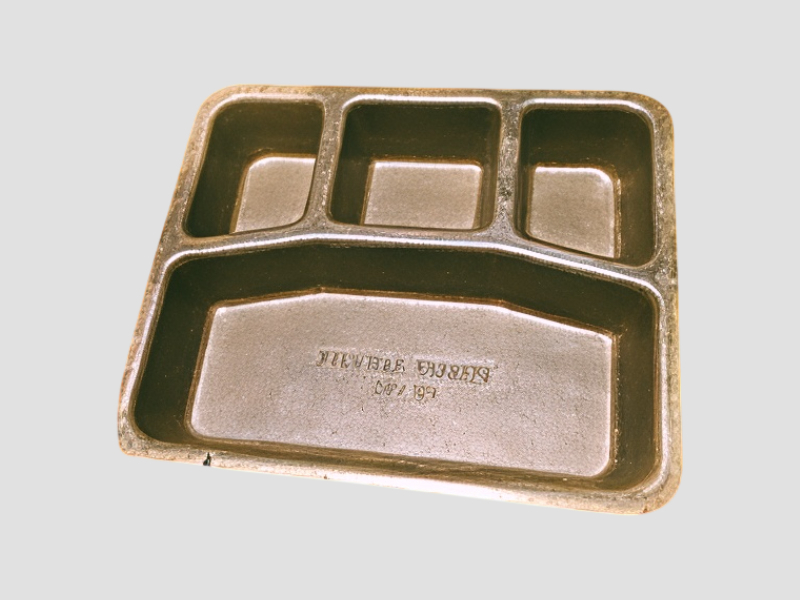
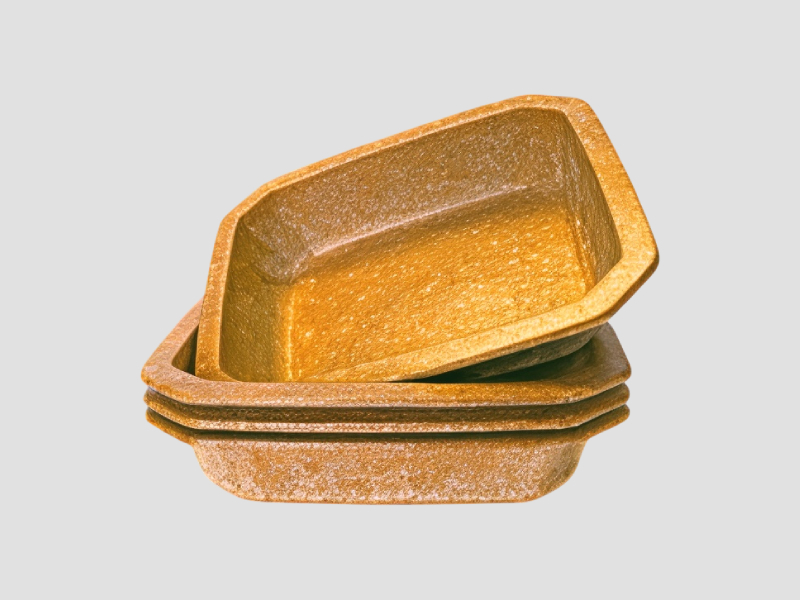
𝗪𝗵𝗮𝘁 𝗮𝗿𝗲 𝗗𝗶𝘀𝗽𝗼𝘀𝗮𝗯𝗹𝗲 𝗣𝗹𝗮𝘁𝗲𝘀 & 𝗖𝘂𝘁𝗹𝗲𝗿𝘆?
Disposable plates and cutlery refer to single-use dining products designed for convenience and practicality. These items are typically made from materials such as plastic, paper, or biodegradable composites, allowing for easy disposal after use. They are manufactured to accommodate various food types and serve as effective solutions for both casual and formal dining scenarios.
The primary uses of disposable plates and cutlery span numerous business applications. They are commonly utilized in the food service industry, including restaurants, catering services, and food trucks. Additionally, they are popular for events such as parties, weddings, and corporate gatherings, where quick cleanup is essential. The ability to provide a hygienic and efficient dining experience makes them invaluable in settings where traditional dining ware is impractical.
In terms of industry relevance, the disposable plates and cutlery market has been expanding due to increasing consumer demand for convenience and sustainability. With a growing focus on eco-friendly products, manufacturers are innovating to create options that meet both environmental and functional criteria. This trend reflects a broader shift in consumer behavior toward disposable products that do not compromise on quality or performance.
𝗞𝗲𝘆 𝗙𝗲𝗮𝘁𝘂𝗿𝗲𝘀 𝗮𝗻𝗱 𝗦𝗽𝗲𝗰𝗶𝗳𝗶𝗰𝗮𝘁𝗶𝗼𝗻𝘀
When evaluating disposable plates and cutlery, several key features and specifications are important to consider. These specifications ensure that the products meet both aesthetic and functional requirements for various applications.
Key specifications include:
1. Material Type
- Common materials include plastic, paper, and biodegradable options.
- Each material offers different benefits such as durability or eco-friendliness.
2. Size and Shape
- Available in various sizes and shapes to accommodate different food types.
- Options range from small appetizer plates to large dinner plates.
3. Weight Capacity
- Designed to hold varying weights, ensuring they can support heavy or liquid foods without breaking.
- Specifications typically indicate maximum load limits.
4. Temperature Resistance
- Some products are designed to withstand hot or cold temperatures.
- This feature is crucial for maintaining food integrity.
5. Customization Options
- Many suppliers offer printing and design customization for branding purposes.
- Options may include color choices and logo placement.
6. Compliance with Safety Standards
- Products should meet relevant safety and hygiene regulations.
- Certification like CE indicates compliance with European safety requirements.
7. Eco-Friendliness
- Availability of biodegradable or compostable options for environmentally conscious consumers.
- These products are often marketed as sustainable alternatives.
8. Packaging Options
- Available in bulk packaging or individually wrapped for convenience.
- Packaging type can affect storage and usage efficiency.
Overall, understanding these specifications helps businesses choose the right disposable plates and cutlery for their specific needs.
𝗖𝗼𝗺𝗺𝗼𝗻 𝗔𝗽𝗽𝗹𝗶𝗰𝗮𝘁𝗶𝗼𝗻𝘀 𝗮𝗻𝗱 𝗨𝘀𝗲 𝗖𝗮𝘀𝗲𝘀
Disposable plates and cutlery are versatile products used across various industries.
1. Food Service Industry: Restaurants and catering services frequently use disposable products for takeout and delivery orders. They allow for quick service and easy cleanup.
2. Event Planning: Disposable plates and cutlery are essential for weddings, parties, and corporate events. They provide a hassle-free dining experience for large gatherings.
3. Healthcare: In hospitals and care facilities, disposable dining ware ensures hygiene and reduces the risk of contamination. They are often used for patient meals.
4. Festivals and Outdoor Events: Food stalls and vendors at festivals rely on disposable plates and cutlery for serving food efficiently to large crowds.
5. Educational Institutions: Schools and universities use disposable products for cafeteria services and events, simplifying meal distribution and cleanup.
6. Food Trucks: Mobile food vendors utilize disposable plates and cutlery to provide quick service without the need for dishwashing facilities.
7. Home Use: Disposable products are popular for home gatherings and picnics, providing convenience without the stress of washing dishes.
𝗣𝗿𝗼𝗱𝘂𝗰𝘁 𝗩𝗮𝗿𝗶𝗮𝗻𝘁𝘀 𝗮𝗻𝗱 𝗦𝘂𝗯𝗰𝗮𝘁𝗲𝗴𝗼𝗿𝗶𝗲𝘀
The market for disposable plates and cutlery offers a diverse range of products to meet various needs and preferences.
Plastic Plates
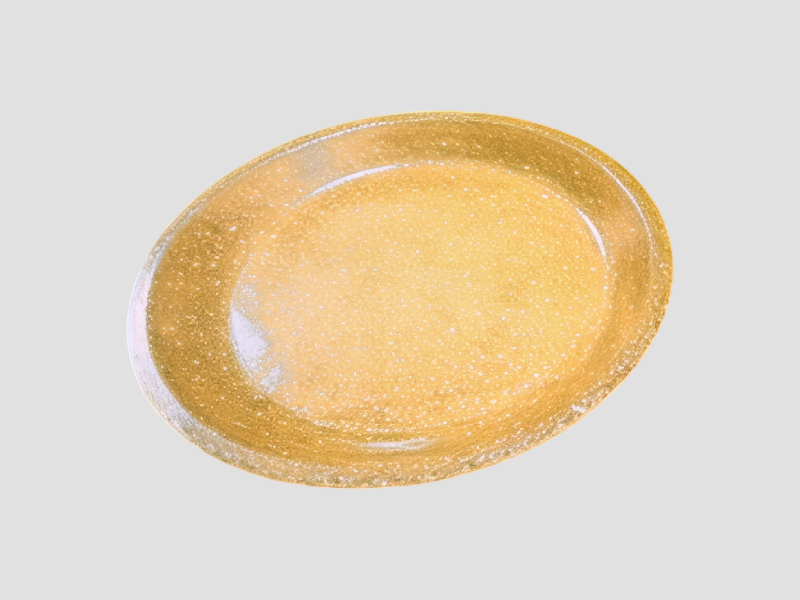
These plates are sturdy and suitable for both hot and cold foods. They are often used in casual dining settings, picnics, and outdoor events due to their durability.
Paper Plates
Made from biodegradable paper, these plates are eco-friendly and suitable for light food items. They are commonly used for events where sustainability is a priority.
Biodegradable Cutlery
This variant is made from plant-based materials and offers an environmentally responsible alternative to traditional plastic cutlery. They are ideal for eco-conscious businesses.
Heavy-Duty Plates
These plates are designed for heavy meals and can withstand high temperatures. They are often used in food service environments that require reliable performance.
Compostable Cutlery
Made from materials that break down naturally, compostable cutlery provides a sustainable option for food service businesses looking to reduce waste.
𝗕𝗲𝗻𝗲𝗳𝗶𝘁𝘀 𝗮𝗻𝗱 𝗔𝗱𝘃𝗮𝗻𝘁𝗮𝗴𝗲𝘀
Investing in disposable plates and cutlery offers several benefits for businesses.
1. Convenience: Single-use products eliminate the need for washing and storing traditional dining ware, saving time and labor.
2. Hygiene: Disposable items provide a clean and sanitary option for serving food, reducing the risk of cross-contamination.
3. Cost-Effective: Lower upfront costs and reduced labor associated with dishwashing make disposable products an economical choice for many businesses.
4. Versatility: Available in various sizes and materials, disposable plates and cutlery can accommodate a wide range of food types and service styles.
5. Eco-Friendly Options: Many disposable products are now available in biodegradable or compostable materials, allowing businesses to align with sustainability goals.
6. Customization: The ability to customize products with branding or design enhances marketing efforts and provides a unique customer experience.
𝗕𝘂𝘆𝗶𝗻𝗴 𝗚𝘂𝗶𝗱𝗲 𝗳𝗼𝗿 𝗕𝟮𝗕 𝗕𝘂𝘆𝗲𝗿𝘀
When sourcing disposable plates and cutlery, it is essential to consider a range of factors to ensure the best purchasing decision.
1. Quality Assessment: Evaluate the quality of materials used in the plates and cutlery. High-quality products should not warp or break easily under normal use.
2. Supplier Verification: Vet potential suppliers for reliability and reputation. Look for reviews and certifications to ensure consistent product quality.
3. Pricing and MOQ: Understand the pricing structure and minimum order quantities offered by suppliers. Compare costs to find the best value for your business needs.
4. Delivery and Lead Times: Inquire about shipping options and lead times to ensure timely delivery of products. This consideration is vital for businesses with strict service timelines.
5. Compliance Requirements: Ensure that products meet relevant health and safety regulations. Compliance with standards like CE can indicate product reliability and safety.
𝗖𝗼𝗺𝗽𝗹𝗶𝗮𝗻𝗰𝗲 𝗮𝗻𝗱 𝗖𝗲𝗿𝘁𝗶𝗳𝗶𝗰𝗮𝘁𝗶𝗼𝗻𝘀
Compliance with relevant standards and certifications is crucial for disposable plates and cutlery. Products should adhere to quality management standards such as ISO 9001, which ensures that manufacturing processes meet consistently high standards.
Additionally, adherence to health and safety standards like HACCP (Hazard Analysis Critical Control Point) is essential for food safety. This certification helps businesses maintain hygiene and safety in food service environments.
Products may also require compliance with local regulations concerning materials used in disposable items. For example, CE certification indicates that products meet European safety and environmental standards, which is important for businesses operating in or exporting to European markets.
Finally, safety testing requirements should be met to ensure that the products do not leach harmful substances when in contact with food. Businesses should also consider regional compliance needs based on their specific market location.
𝗪𝗵𝘆 𝗦𝗼𝘂𝗿𝗰𝗲 𝗗𝗶𝘀𝗽𝗼𝘀𝗮𝗯𝗹𝗲 𝗣𝗹𝗮𝘁𝗲𝘀 & 𝗖𝘂𝘁𝗹𝗲𝗿𝘆 𝗳𝗿𝗼𝗺 𝗣𝗲𝗽𝗮𝗴𝗼𝗿𝗮?
Pepagora provides a trusted platform for sourcing disposable plates and cutlery, offering several key advantages to B2B buyers.
Verified Supplier Network: Pepagora connects buyers with a network of verified suppliers, ensuring that businesses can source high-quality products with confidence. The verification process helps to mitigate risks associated with purchasing from unknown sources.
Streamlined RFQ Process: The platform simplifies the request for quotation (RFQ) process, allowing buyers to easily compare prices and specifications from multiple suppliers. This efficiency saves time and helps identify the best options available.
Trade Assurance and Support: Pepagora offers trade assurance to protect buyers, ensuring that transactions are secure and that quality standards are met. This support is invaluable for businesses looking to make informed purchasing decisions.
Regional Coverage: With a geographic reach that includes India, the GCC, and Southeast Asia, Pepagora is well-positioned to serve businesses across diverse markets. This regional expertise allows for tailored solutions that meet local demands and preferences.

 IN
IN
 India
India