
 IN
Diodes & Rectifiers
38 products available
What are Diodes & Rectifiers?
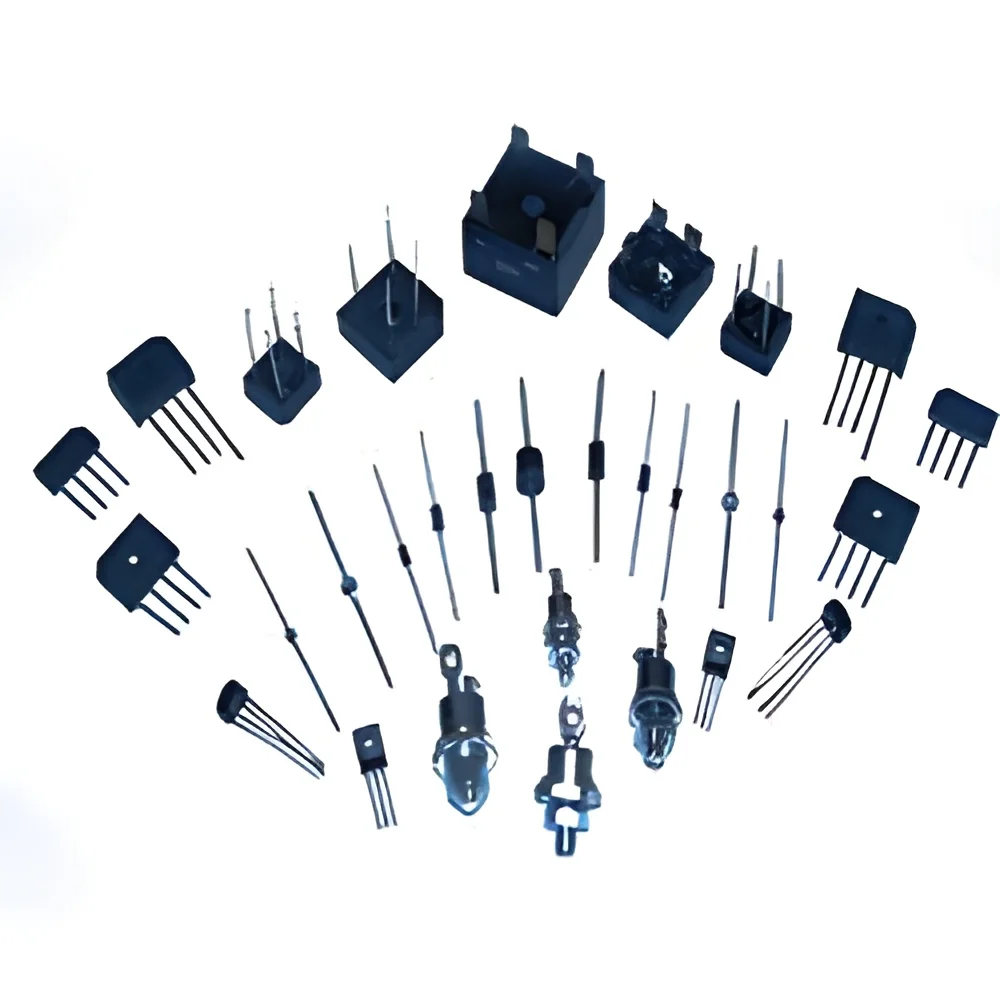
Diodes and rectifiers are essential electronic components that control the flow of electricity in circuits. A diode allows current to flow in one direction while blocking it in the opposite direction. Rectifiers, which are often composed of diodes, convert alternating current (AC) to direct current (DC), ensuring a stable and usable power supply for various applications.
These components are widely used in numerous industries, including telecommunications, consumer electronics, automotive, and renewable energy. They play a crucial role in power regulation, signal demodulation, and voltage stabilization, making them indispensable in modern electronics. As technology advances, the demand for more efficient and reliable diodes and rectifiers continues to grow, highlighting their importance in the manufacturing and design of electronic devices.
Key Features and Specifications
Diodes and rectifiers come with various features and specifications that are essential for their performance and suitability in different applications. Understanding these specifications is crucial for selecting the right components for specific needs.
Key specifications include:
1. Forward Current Rating
- Indicates the maximum continuous current the diode can handle.
- Typical ranges are from a few milliamps to several hundred amps.
2. Reverse Voltage Rating
- Specifies the maximum voltage the diode can withstand in the reverse direction.
- Common values can range from 20V to several kilovolts.
3. Surge Current Rating
- Describes the maximum current the diode can tolerate for a short duration without damage.
- This can vary widely based on the diode type, often from 50A to 200A.
4. Recovery Time
- Refers to the time it takes for the diode to switch from conducting to blocking state.
- Fast recovery times are critical for high-frequency applications.
5. Power Dissipation
- The maximum power the diode can dissipate without overheating.
- Typical values can range from 0.5W to over 200W.
6. Temperature Range
- The operational temperature range within which the diode can function effectively.
- Common ranges are from -55°C to +150°C.
7. Package Type
- The physical configuration of the diode, which can affect cooling and mounting.
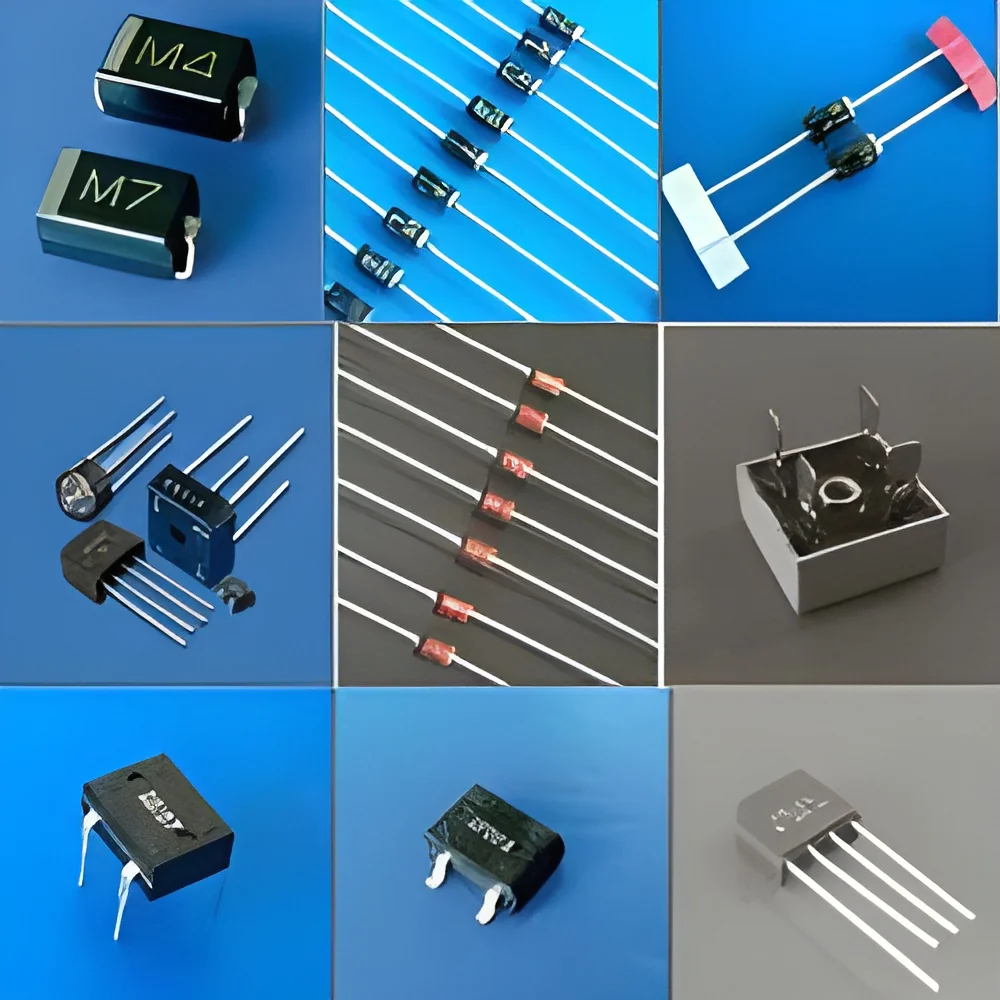
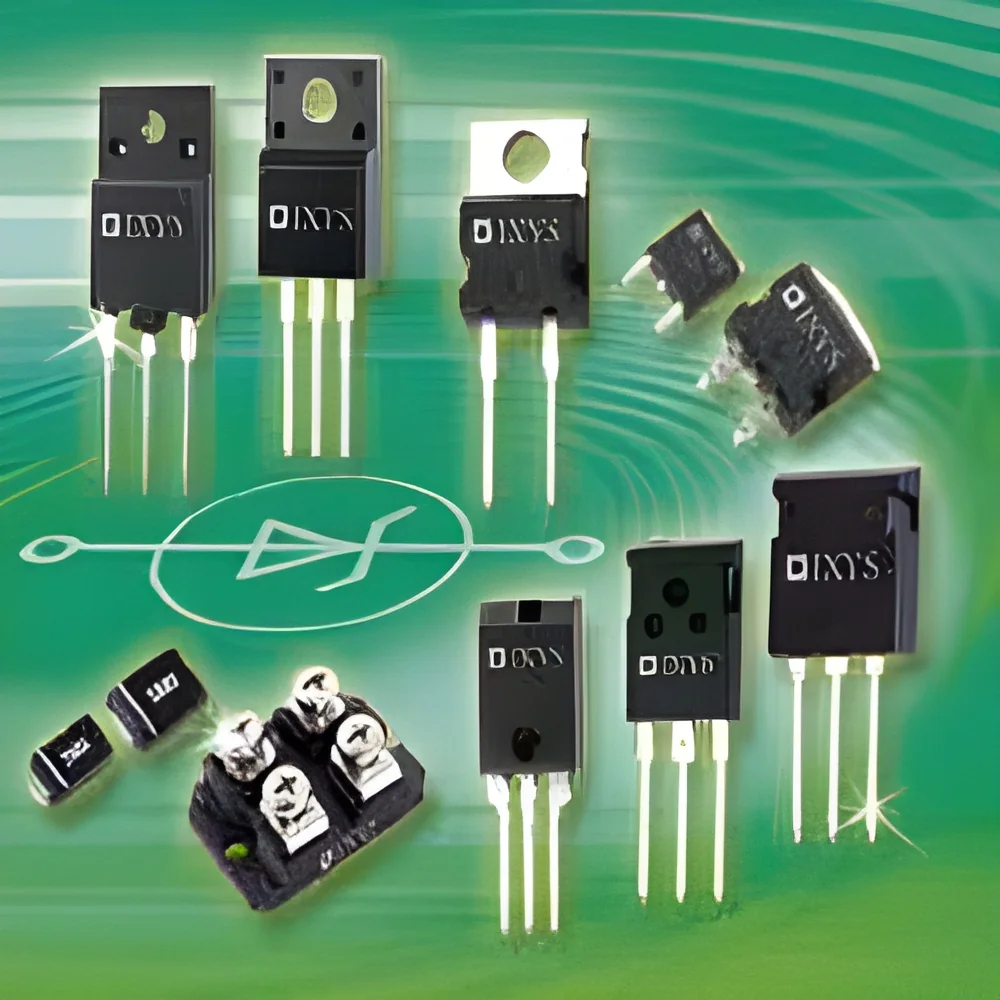
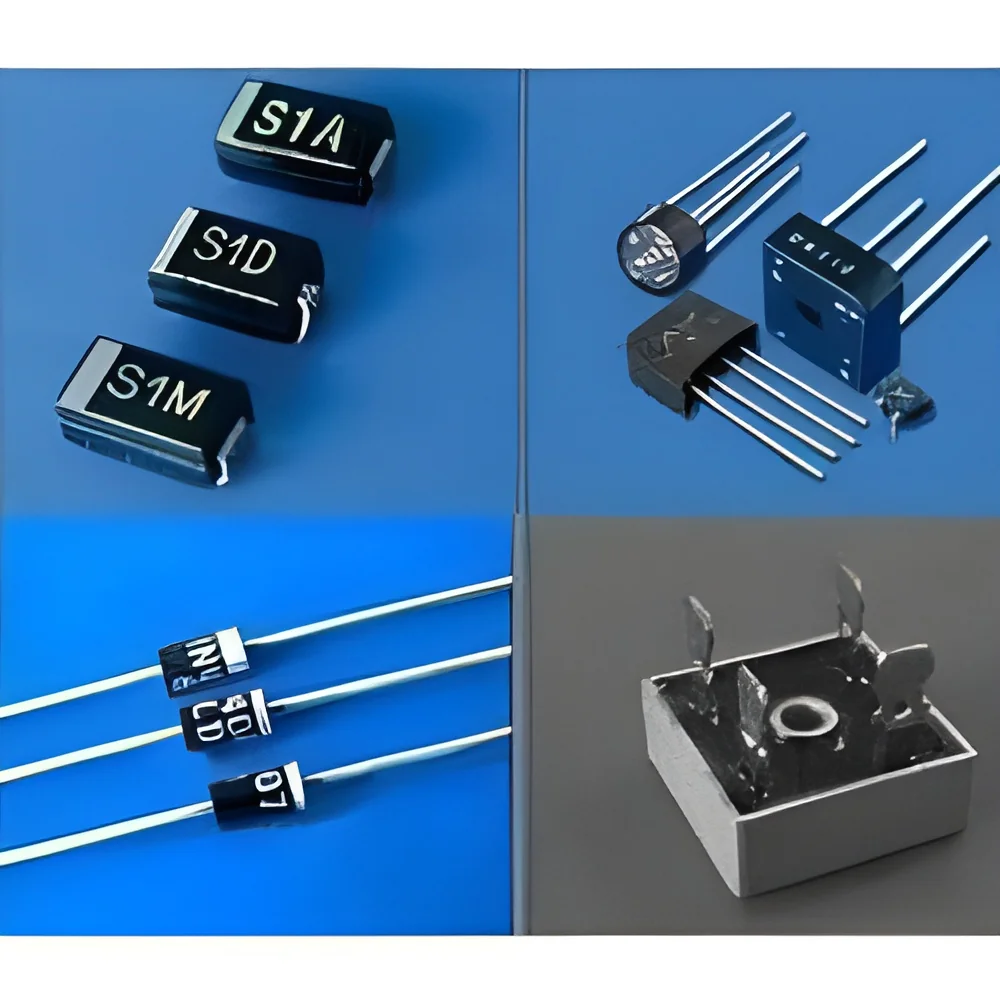
- Common package types include DO-41, SOD-123, and TO-220.
8. Certification
- Compliance with industry standards such as CE ensures safety and reliability.
Proper selection of these specifications ensures optimal performance and longevity of the diodes and rectifiers in their intended applications.
Common Applications and Use Cases
Diodes and rectifiers serve a wide array of industries, each with specific applications that leverage their unique properties.
1. Telecommunications: Diodes are used in signal demodulation and as protection devices in communication equipment to prevent voltage spikes.
2. Consumer Electronics: Rectifiers convert AC power from wall outlets to DC power for devices like smartphones, televisions, and computers.
3. Automotive: Diodes are essential in vehicle lighting and ignition systems, providing reliable current regulation and protection against reverse polarity.
4. Renewable Energy: In solar inverters, rectifiers play a crucial role in converting the DC output from solar panels to AC for grid compatibility.
5. Industrial Equipment: Diodes are used in various industrial machines for power supply regulation and signal processing, ensuring efficient operation.
6. Medical Devices: Diodes are found in diagnostic equipment and therapeutic devices, where reliable power supply and signal integrity are critical.
7. Power Supplies: Rectifiers are foundational in uninterruptible power supplies (UPS) and other electrical systems that require stable DC output.
Product Variants and Subcategories
Diodes and rectifiers come in various forms to meet diverse application needs.
Silicon Diodes: These are the most common type, known for their reliability and efficiency in rectification applications. They are widely used in power supplies and signal processing.
Schottky Diodes: Featuring fast switching speeds and low forward voltage drop, Schottky diodes are ideal for high-frequency and low-voltage applications, such as power converters.
Zener Diodes: Used primarily for voltage regulation, Zener diodes stabilize voltage in circuits, making them essential in power supply designs and over-voltage protection.
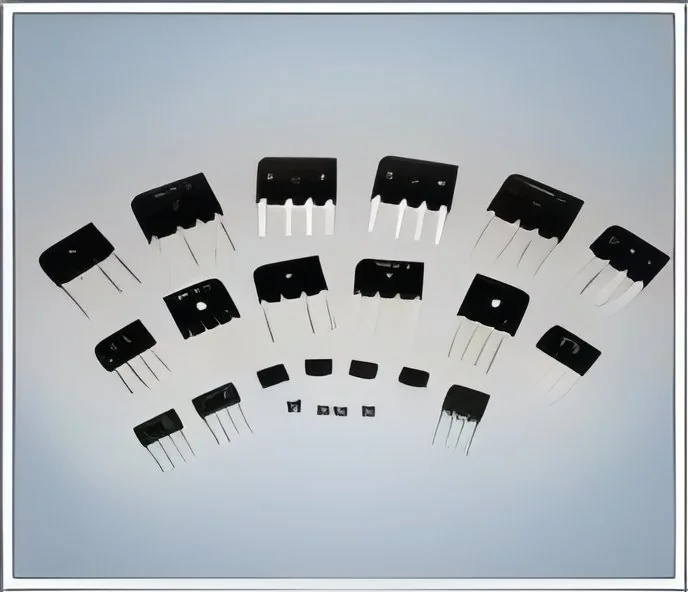
Rectifier Modules: These integrated packages combine multiple diodes into a single unit, simplifying design and improving performance in high-power applications like industrial drives.
Benefits and Advantages
Diodes and rectifiers offer numerous benefits that make them vital components in electronic systems.
1. Efficiency: Diodes provide low forward voltage drop, resulting in minimal power loss during operation.
2. Reliability: These components are designed to withstand various electrical and thermal conditions, ensuring long-lasting performance.
3. Versatility: Available in numerous variants, diodes and rectifiers can be tailored to meet specific application requirements.
4. Protection: Diodes protect circuits from voltage spikes and reverse polarity, enhancing the safety and longevity of electronic devices.
5. Cost-Effectiveness: The widespread availability and simplicity of these components contribute to reduced manufacturing costs.
6. Compact Design: Many diodes and rectifiers are available in small packages, enabling more efficient use of space in electronic designs.
Buying Guide for B2B Buyers
When sourcing diodes and rectifiers, buyers should consider several key factors to ensure they select the right components.
1. Quality Assessment: Evaluate the quality of components by reviewing certifications and testing standards. Ensure the products meet industry benchmarks for reliability.
2. Supplier Verification: Conduct thorough research on potential suppliers to verify their reputation, product quality, and compliance with industry standards. Look for established manufacturers with positive customer feedback.
3. Pricing and MOQ: Understand the pricing structure and minimum order quantities (MOQ) required by suppliers. Compare costs across different suppliers to ensure competitive pricing.
4. Delivery and Lead Times: Assess the delivery schedules and lead times offered by suppliers. Timely delivery is crucial for maintaining production schedules.
5. Compliance Requirements: Be aware of any regulatory standards that apply to your industry. Ensure the components meet compliance requirements for safety and performance.
Compliance and Certifications
Diodes and rectifiers must adhere to several quality standards and certifications to ensure their safety and effectiveness in applications.
ISO 9001 certification is a common quality management standard that indicates a manufacturer’s commitment to consistent quality and customer satisfaction.
CE marking is essential for products sold in the European market, demonstrating compliance with health, safety, and environmental protection standards.
Safety and testing requirements are critical, as these components must withstand electrical stress and environmental conditions without failure. Manufacturers should provide documentation of testing results.
Regional compliance considerations can vary, so it is important for buyers to understand the specific regulations applicable in their market, ensuring that products meet local standards.
Why Source Diodes & Rectifiers from Pepagora?
Pepagora provides a trusted platform for sourcing diodes and rectifiers, offering several key advantages to B2B buyers.
Verified Supplier Network: Pepagora features a network of verified suppliers, ensuring that buyers can access high-quality products from reputable manufacturers. This verification process enhances trust and reduces risks associated with sourcing.
Streamlined RFQ Process: The platform simplifies the request for quotation (RFQ) process, allowing buyers to easily compare offers from multiple suppliers. This efficiency saves time and helps buyers secure the best deals.
Trade Assurance and Support: Pepagora offers trade assurance, providing buyers with protection against potential disputes and ensuring that they receive the products as promised. Additionally, the support team is available to assist with any inquiries.
Regional Coverage: With a strong presence in India, the GCC, and Southeast Asia, Pepagora provides extensive geographic reach, enabling buyers to source diodes and rectifiers from a diverse range of suppliers across these regions. This broad coverage enhances access to products and promotes competitive pricing.


 India
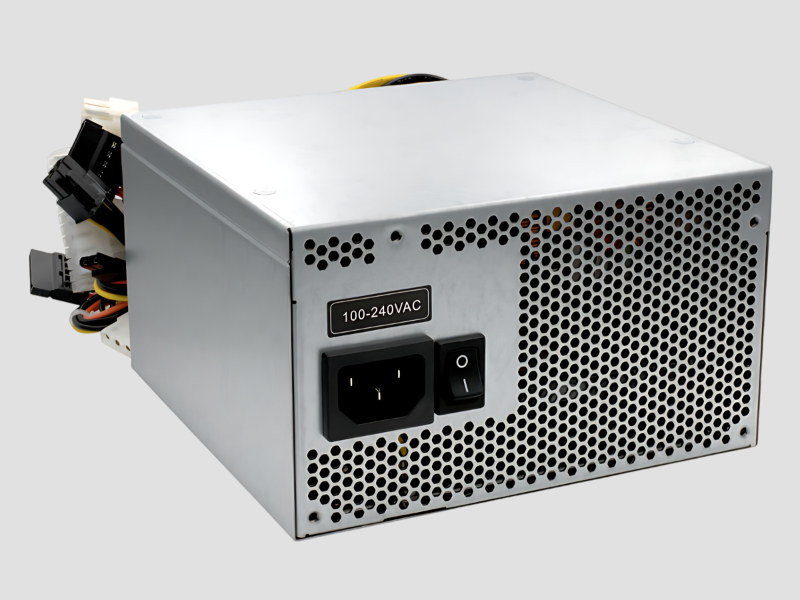
 India
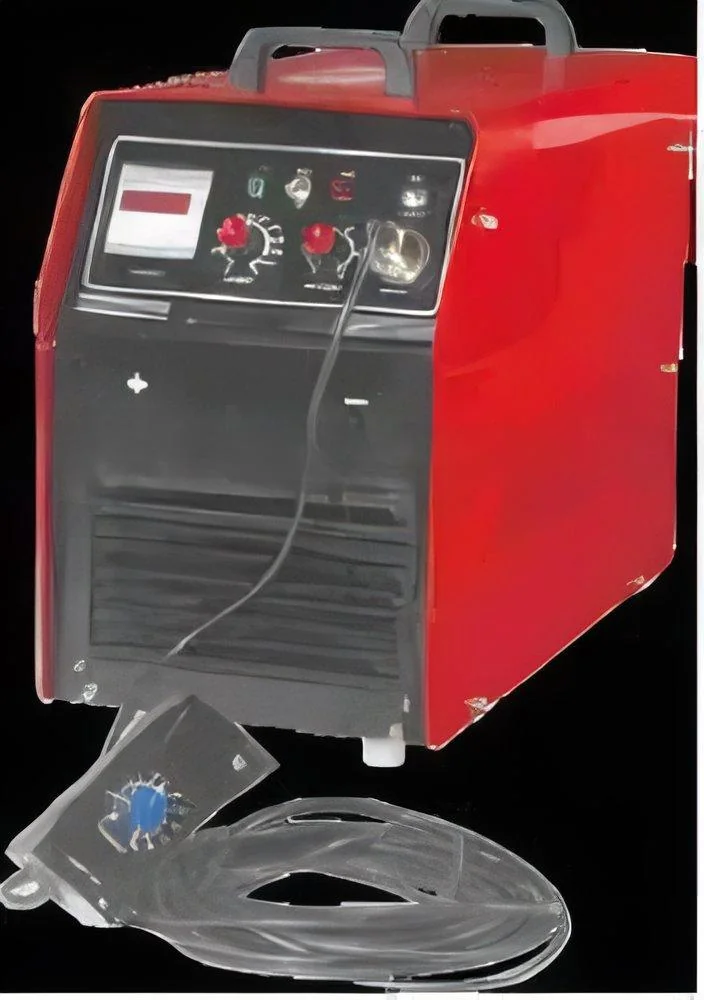
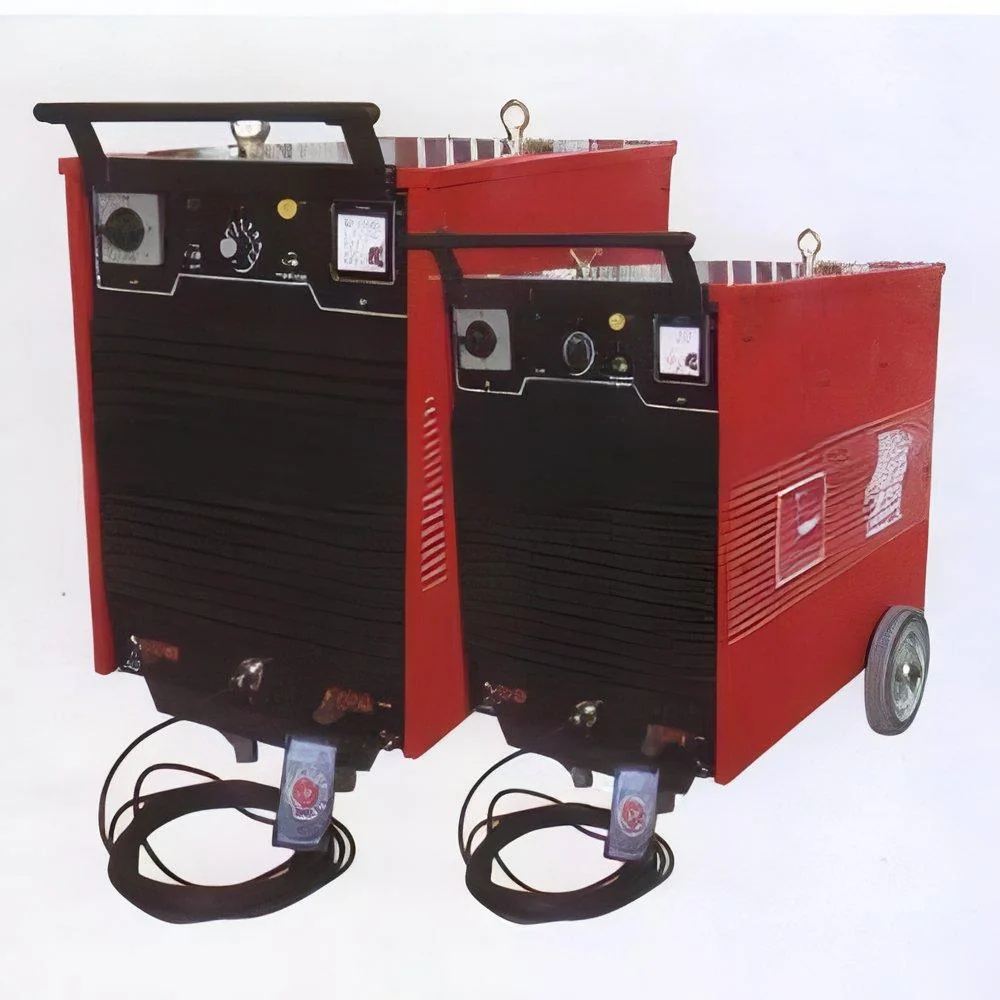
 India
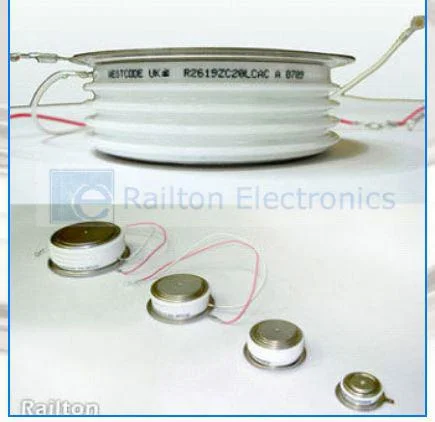
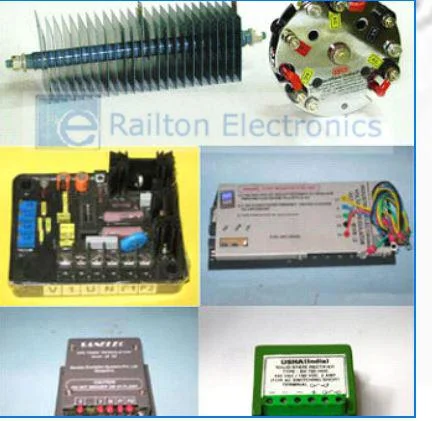
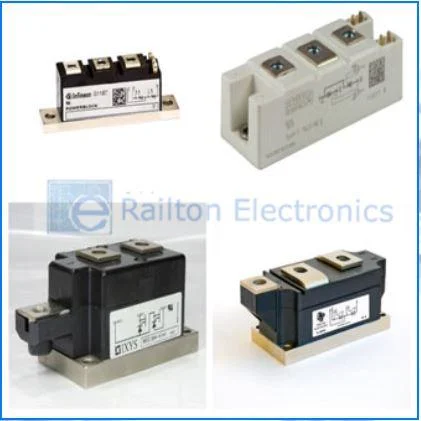 India
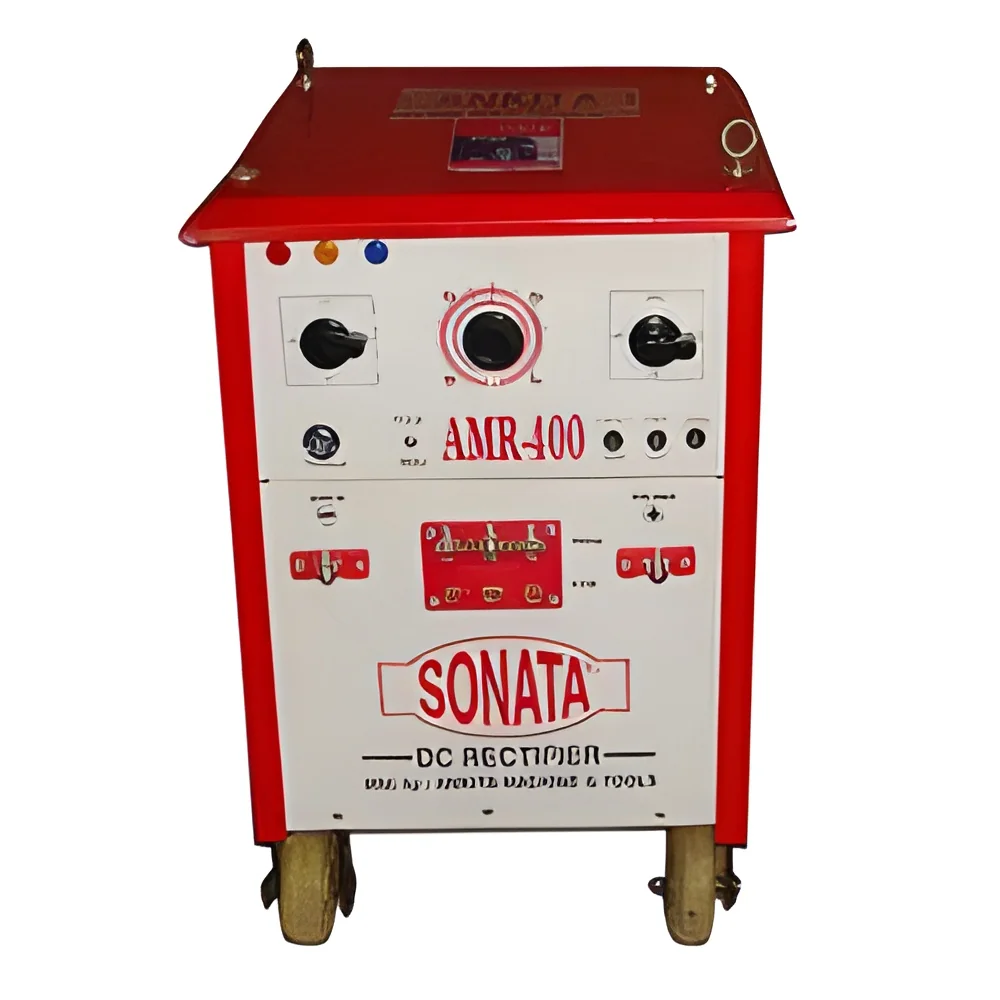
 India
 India
 India
 India
 India

 India


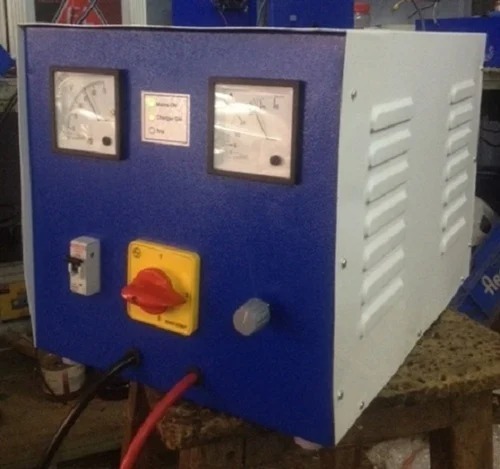 India
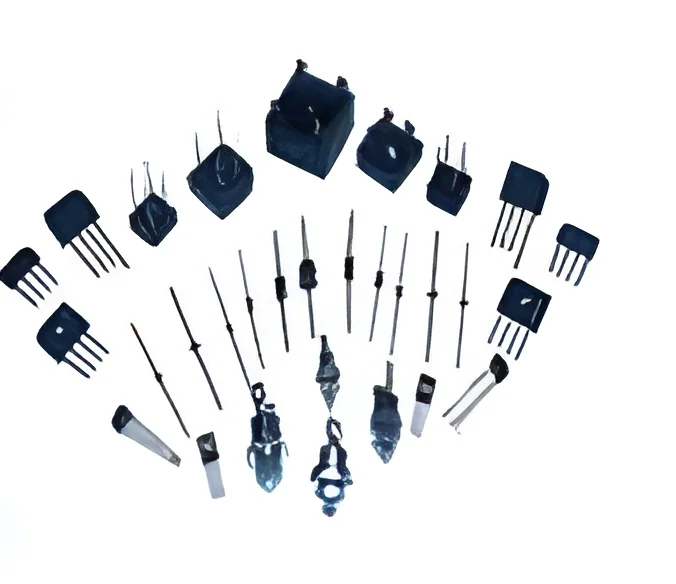 India
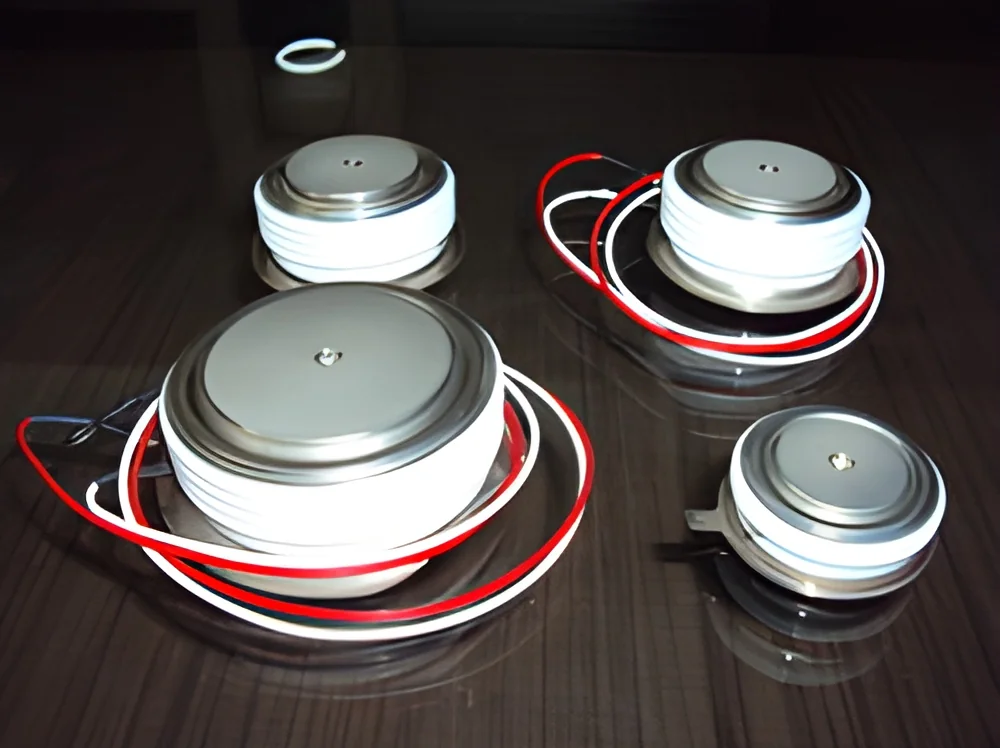 India
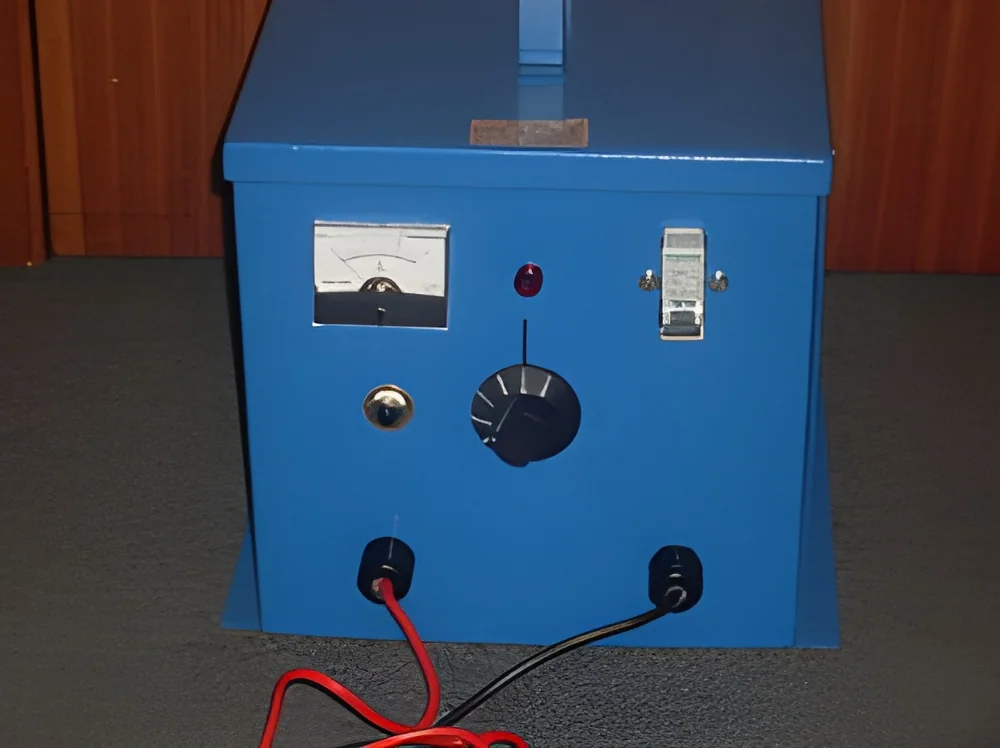 India

 India
 India
 India
Frequently Asked Questions
What are Diodes & Rectifiers?
Diodes are semiconductor devices that allow current to flow in one direction only, while blocking it in the opposite direction. Rectifiers are a specific type of diode used to convert alternating current (AC) to direct current (DC). Together, they are essential components in various electronic circuits.
What are the different types of Diodes & Rectifiers?
There are several types of diodes, including standard diodes, Zener diodes, Schottky diodes, and light-emitting diodes (LEDs). Rectifiers can be categorized into half-wave, full-wave, and bridge rectifiers, each serving different purposes in electrical applications.
How do I choose the right Diodes & Rectifiers?
Choosing the right diodes and rectifiers involves considering factors such as voltage rating, current rating, and switching speed. Additionally, it's important to assess the specific application requirements and environmental conditions to ensure optimal performance.
What are the standard specifications for Diodes & Rectifiers?
Standard specifications for diodes and rectifiers include forward voltage drop, reverse voltage rating, maximum current capacity, and operating temperature range. These specifications vary based on the type of diode or rectifier and the intended application.
What is the price range for Diodes & Rectifiers?
The price of diodes and rectifiers can vary widely based on factors such as type, specifications, and manufacturer. Generally, prices can range from a few rupees for standard diodes to several hundred rupees for specialized rectifiers.
What quality standards apply to Diodes & Rectifiers?
Quality standards for diodes and rectifiers may include compliance with international certifications such as ISO, RoHS, and UL. These standards ensure reliability, safety, and environmental friendliness of the products.
Where can I find Diodes & Rectifiers suppliers in India?
Suppliers of diodes and rectifiers in India can be found through online B2B marketplaces like Pepagora, industry trade shows, or by contacting manufacturers directly. It is advisable to compare multiple suppliers to evaluate quality and pricing.
Can Diodes & Rectifiers be customized?
Yes, many manufacturers offer customization options for diodes and rectifiers to meet specific application needs. Customization may include variations in voltage ratings, current capacities, and package types.
What is the typical minimum order quantity for Diodes & Rectifiers?
The minimum order quantity (MOQ) for diodes and rectifiers can vary by supplier and product type. Typically, MOQs can range from a few pieces for standard products to larger quantities for custom orders.
What is the typical lead time for Diodes & Rectifiers?
The lead time for diodes and rectifiers generally depends on the supplier and the complexity of the order. Standard products may have a lead time of 1-2 weeks, while customized orders could take several weeks to manufacture and deliver.
Why Businesses Trust Pepagora
Thousands of companies trust Pepagora to source smarter and sell faster
Expand Your Sales Globally

Source Smarter,Grow Faster
