
 IN
Digital Printing Services
1 products available
What are Digital Printing Services?
Digital printing services involve the use of digital technology to produce printed materials directly from digital files. This process eliminates the need for traditional printing plates, enabling quicker turnaround times and lower costs for short-run print jobs. Digital printing utilizes high-quality inkjet or laser printers, which can accommodate a variety of substrates including paper, plastic, and fabric. This flexibility allows businesses to create vibrant, customized products with ease and precision.
The primary applications of digital printing services span numerous industries, serving needs such as marketing materials, packaging, and product labels. Businesses utilize these services for their ability to print on demand, allowing for smaller batches and rapid adjustments to designs. This adaptability is particularly advantageous in today's fast-paced market, where companies need to respond quickly to trends and customer feedback. As digital printing technology continues to evolve, it remains a vital component in the broader landscape of printing solutions.
In the context of market relevance, digital printing services have seen significant growth due to advancements in technology and changes in consumer behavior. More businesses are shifting towards digital solutions to meet the demand for personalized and on-demand printing. This trend is supported by the increasing availability of high-quality digital printing equipment and software, which expands the capabilities of service providers.
Key Features and Specifications
Digital printing services offer a range of features that enhance their effectiveness and adaptability. These features cater to various business needs and help ensure high-quality outcomes.
Key specifications include:
1. Print Resolution
- Typically measured in dots per inch (DPI)
- Ranges from 300 DPI for standard quality to 1200 DPI for high-resolution prints
2. Color Accuracy
- Ensures that colors match the original design
- Utilizes advanced color management systems
3. Substrate Compatibility
- Capable of printing on various materials
- Common substrates include paper, vinyl, and fabric
4. Speed of Production
- Varies by equipment and project size
- High-speed printers can produce up to 10,000 sheets per hour
5. Finishing Options
- Includes lamination, cutting, and binding
- Customizable based on project requirements
6. Customization Capabilities
- Allows for personalized print runs
- Ideal for small batch orders and unique designs
7. Environmental Considerations
- Utilizes eco-friendly inks and materials
- Promotes sustainable printing practices
8. Digital Proofing
- Provides clients with a preview of the printed material
- Reduces errors and enhances client satisfaction
In summary, digital printing services are characterized by high-quality output, flexibility in materials, and rapid turnaround times. These specifications make them a preferred choice for businesses looking to enhance their marketing and branding efforts.
Common Applications and Use Cases
Digital printing services are utilized across a diverse range of industries, each benefiting from the unique capabilities of this technology.
1. Marketing and Advertising: Companies use digital printing for brochures, flyers, and promotional materials, allowing for targeted campaigns with quick adjustments.
2. Packaging: Businesses in the food, beverage, and consumer goods sectors rely on digital printing for custom packaging solutions that enhance product visibility.
3. Retail: Digital printing is used for signage, labels, and point-of-purchase displays, helping retailers create effective in-store promotions.
4. Publishing: Authors and small publishers benefit from digital printing for short-run book printing, enabling them to produce copies without significant upfront costs.
5. Event Management: Digital printing services cater to event planners by providing banners, invitations, and promotional items tailored to specific themes.
6. Education: Schools and universities utilize digital printing for course materials, flyers, and promotional brochures, ensuring timely distribution of information.
7. Healthcare: The healthcare industry employs digital printing for patient education materials, labels, and signage, prioritizing clarity and compliance.
Product Variants and Subcategories
Digital printing services encompass various options that cater to specific needs and preferences.
Commercial Digital Printing Services
These services focus on high-volume printing for businesses, offering a range of products from marketing materials to packaging solutions. They are designed for efficiency and scalability.
On-Demand Printing
This variant allows businesses to print materials as needed, reducing waste and storage costs. It is ideal for companies looking to maintain flexibility in their marketing efforts.
Large Format Printing
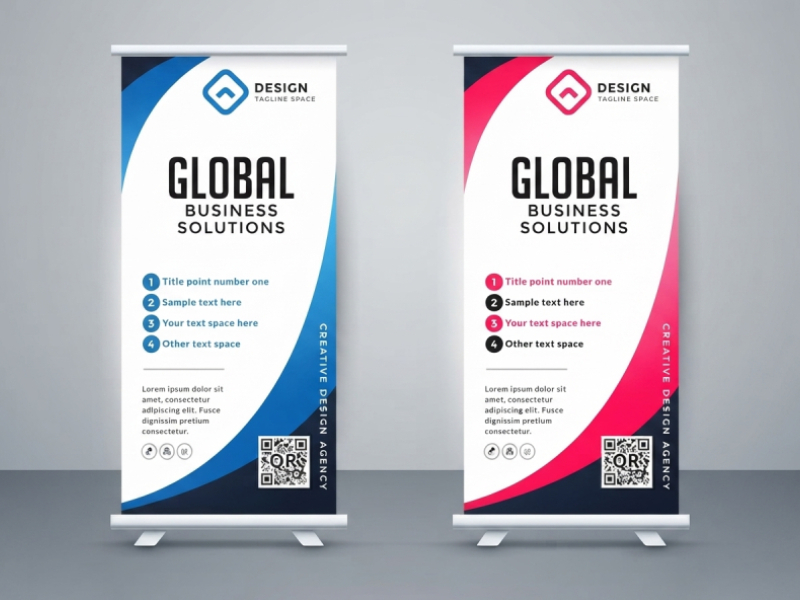
Specialized for oversized prints, this variant is commonly used for banners, posters, and trade show displays. It offers vibrant colors and high detail for impactful visuals.
Benefits and Advantages
Digital printing services provide numerous advantages that can significantly enhance business operations.
1. Cost-Effective for Short Runs: Digital printing eliminates the need for plates, making it more economical for small quantities compared to traditional methods.
2. Fast Turnaround: The digital process allows for quicker production times, enabling businesses to meet tight deadlines and respond promptly to market changes.
3. High Customization: Companies can easily personalize products, catering to specific customer needs or marketing campaigns.
4. Consistent Quality: Digital printing technology ensures uniformity in print quality across all materials, maintaining brand integrity.
5. Reduced Waste: On-demand printing minimizes excess inventory and reduces material waste, aligning with sustainable practices.
6. Versatility: Digital printing can accommodate a variety of substrates and applications, making it suitable for diverse business needs.
Buying Guide for B2B Buyers
When sourcing digital printing services, it is essential for businesses to consider several factors to ensure they select the right provider.
1. Quality Assessment: Evaluate the print quality by requesting samples. Look for clarity, color accuracy, and overall finish to ensure the provider meets your standards.
2. Supplier Verification: Research potential suppliers by checking reviews and testimonials. Ensure they have a solid reputation and experience in the industry.
3. Pricing and MOQ: Understand the pricing structure and minimum order quantities. Compare different providers to find a balance between cost and service.
4. Delivery and Lead Times: Inquire about the expected turnaround time for your projects. Ensure that the supplier can meet your deadlines consistently.
5. Compliance Requirements: Verify that the supplier adheres to relevant industry standards and regulations. This is crucial for maintaining quality and safety.
Compliance and Certifications
Digital printing services must adhere to various quality standards and certifications to ensure consistent output and safety across industries. ISO 9001 is a common standard that emphasizes quality management systems and continuous improvement. This certification assures clients that the service provider maintains high operational standards.
Additionally, CE certification is vital in many regions, indicating compliance with European health, safety, and environmental protection standards. This is particularly important for companies operating in or exporting to Europe.
Safety and testing requirements also play a critical role in the compliance landscape. Providers should implement thorough testing protocols to guarantee that their inks and materials meet regulatory standards. Furthermore, regional compliance considerations may vary based on local laws and regulations, making it necessary for suppliers to stay informed about specific requirements in their operating areas.
Why Source Digital Printing Services from Pepagora?
Pepagora offers a reliable platform for sourcing digital printing services, providing several advantages to businesses.
Verified Supplier Network: Pepagora connects buyers with a network of verified suppliers, ensuring that each provider meets industry standards and quality expectations. This reduces the risk associated with selecting a new vendor.
Streamlined RFQ Process: The request for quotation (RFQ) system simplifies the procurement process. Buyers can quickly compare multiple suppliers' offerings and prices, facilitating informed decision-making.
Trade Assurance and Support: Pepagora provides trade assurance to protect buyers throughout the transaction process. This support includes customer service assistance to resolve any issues that may arise.
Regional Coverage: With a strong presence in India, the GCC, and Southeast Asia, Pepagora offers extensive geographic reach. This allows businesses to find local suppliers who understand the regional market, enhancing logistics and communication.



Frequently Asked Questions
What are Digital Printing Services?
Digital Printing Services refer to the process of transferring digital images directly onto various surfaces, such as paper, plastic, and fabric, using high-quality inkjet or laser technologies. This method allows for fast production, high customization, and the ability to print small quantities without the need for traditional printing plates.
What are the different types of Digital Printing Services?
Different types of Digital Printing Services include digital offset printing, large format printing, and digital textile printing. Each type serves specific applications, such as brochures, banners, or customized apparel, and uses distinct technologies to achieve the desired results.
How do I choose the right Digital Printing Services?
Choosing the right Digital Printing Services involves considering factors such as the type of project, required quality, budget, and turnaround time. It is also essential to evaluate the supplier's experience, technology capabilities, and customer reviews to ensure they meet your specific needs.
What are the standard specifications for Digital Printing Services?
Standard specifications for Digital Printing Services typically include print resolution (measured in DPI), color accuracy, material compatibility, and finishing options. These specifications may vary based on the printing technology used and the intended application of the printed products.
What is the price range for Digital Printing Services?
The price range for Digital Printing Services can vary widely based on factors such as the type of printing, materials used, and order volume. Generally, prices can start from a few hundred rupees for small runs and can go up to several thousand rupees for larger, more complex projects.
What quality standards apply to Digital Printing Services?
Quality standards for Digital Printing Services typically include adherence to ISO standards, color management protocols, and print durability criteria. Suppliers often follow specific industry benchmarks to ensure consistency and high-quality output in their printing processes.
Where can I find Digital Printing Services suppliers in India?
Digital Printing Services suppliers in India can be found through various online B2B marketplaces, industry directories, and trade shows. Websites like Pepagora.com provide a platform to connect with reputable manufacturers and service providers in the digital printing sector.
Can Digital Printing Services be customized?
Yes, Digital Printing Services can be highly customized to meet specific design requirements, material choices, and sizes. Most suppliers offer options for personalized prints, allowing businesses to create unique products tailored to their branding and marketing needs.
What is the typical minimum order quantity for Digital Printing Services?
The typical minimum order quantity (MOQ) for Digital Printing Services can vary depending on the supplier and the type of project. Some suppliers may offer no minimum order for certain products, while others may require a minimum of 50 to 100 units for larger jobs.
What is the typical lead time for Digital Printing Services?
The typical lead time for Digital Printing Services usually ranges from 3 to 10 business days, depending on the complexity of the project and the volume of the order. It is advisable to check with the supplier for specific timelines based on your requirements.
Why Businesses Trust Pepagora
Thousands of companies trust Pepagora to source smarter and sell faster
Expand Your Sales Globally

Source Smarter,Grow Faster
