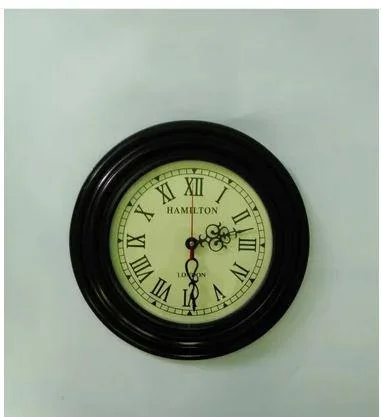
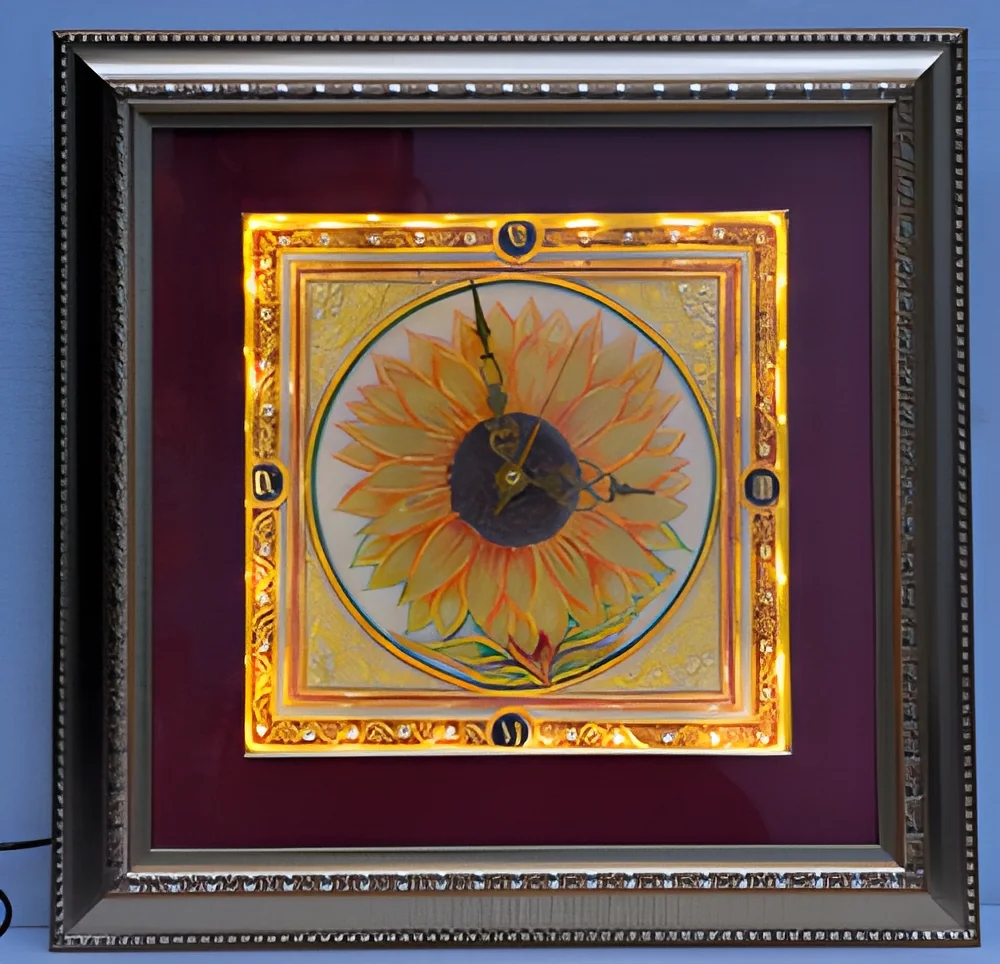
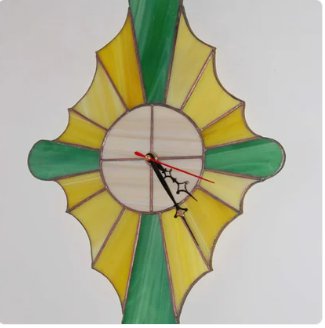
What are Decorative Wall Clocks?
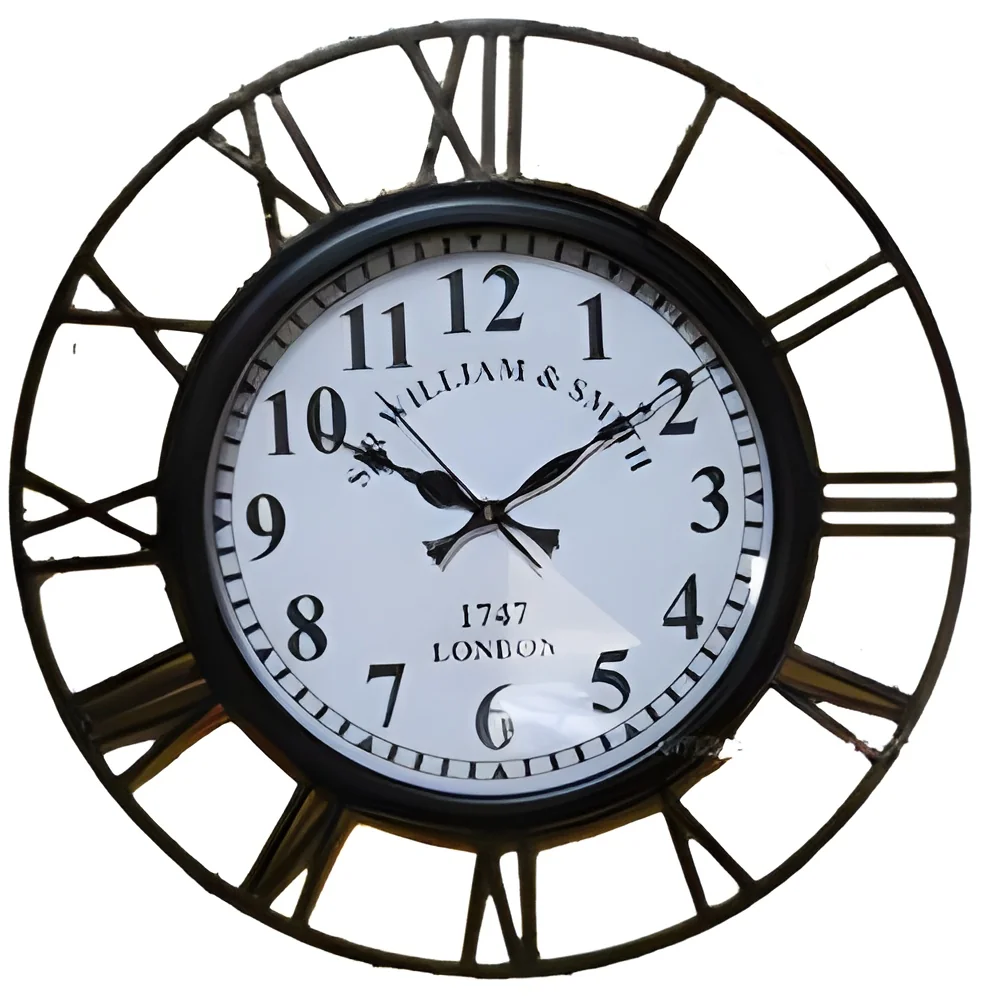
Decorative wall clocks are timekeeping devices designed not only for their functional purpose but also to enhance the aesthetic appeal of a space. These clocks come in various styles, materials, and designs, catering to diverse tastes and environments. They serve as both practical tools for time management and decorative elements that can complement interior design.
In a business context, decorative wall clocks are often utilized in office environments, retail spaces, and hospitality settings. They can contribute to the overall ambiance, reflecting the brand's identity and values. Businesses may choose clocks that align with their design theme, helping to create a cohesive look while also serving as conversation starters for clients and visitors.
The market for decorative wall clocks is growing, driven by trends in interior design and consumer interest in unique home decor items. As businesses continue to invest in creating inviting spaces, decorative wall clocks remain relevant by offering both functionality and artistic expression.
Key Features and Specifications
Decorative wall clocks vary significantly in features and specifications, making them suitable for different applications. When selecting a clock, it is essential to consider its design, materials, and functionality.
Key specifications include:
1. Material
- Common materials include wood, metal, plastic, and glass.
- Each material offers different aesthetic qualities and durability.
2. Design Style
- Clocks come in various styles such as modern, vintage, minimalist, or artistic.
- The design should align with the intended environment and decor.
3. Size
- Available in various sizes, typically ranging from small (under 12 inches) to large (over 36 inches).
- Size selection may depend on wall space and visibility.
4. Movement Type
- Quartz movement is standard for accuracy and low maintenance.
- Mechanical movements may be chosen for traditional styles.
5. Display Type
- Analog displays feature traditional clock faces with hands.
- Digital displays can offer additional features such as temperature or date.
6. Battery Life
- Battery-operated clocks generally require standard AA or AAA batteries.
- Battery life can vary with usage, typically lasting several months to a year.
7. Customization Options
- Some manufacturers offer customization in design or branding.
- Personalization can enhance brand visibility in commercial settings.
In summary, understanding the features and specifications of decorative wall clocks is crucial for selecting the right product for specific business needs.
Common Applications and Use Cases
Decorative wall clocks are versatile products used across various industries.
1. Office Spaces: In corporate environments, decorative wall clocks can enhance the professional atmosphere while ensuring employees are aware of time management.
2. Retail Stores: Retailers often use decorative clocks to attract customers and create an inviting shopping experience that aligns with their brand image.
3. Restaurants and Cafes: In the hospitality industry, wall clocks can complement the decor, ensuring that guests feel comfortable and aware of time while enjoying their meals.
4. Educational Institutions: Classrooms and common areas in schools often feature decorative wall clocks to aid students in managing their schedules.
5. Healthcare Facilities: Hospitals and clinics use wall clocks not only for timekeeping but also as part of the calming environment for patients and visitors.
Benefits and Advantages
Decorative wall clocks offer numerous benefits that can enhance both functionality and aesthetics in various settings.
Key benefits include:
1. Aesthetic Appeal: Decorative wall clocks can significantly enhance the overall design of any space, adding character and style.
2. Time Management: They serve the essential function of keeping time, helping employees and customers manage their schedules effectively.
3. Brand Visibility: Customized clocks can feature logos or branding elements, reinforcing brand identity in a professional environment.
4. Conversation Starters: Unique designs can spark discussions among clients and visitors, adding a social element to business interactions.
5. Versatility: With a wide range of styles and materials, decorative clocks can fit into virtually any decor theme, making them adaptable to changing design trends.
Buying Guide for B2B Buyers
When sourcing decorative wall clocks for business use, several factors should be considered to ensure you make the right choice.
1. Quality Assessment: Evaluate the material and craftsmanship to ensure durability and longevity. High-quality clocks are less likely to require frequent replacements.
2. Supplier Verification: Always vet suppliers to confirm their reliability and reputation. Look for reviews, ratings, and any certifications they may have.
3. Pricing and MOQ: Understand pricing structures and minimum order quantities. Compare quotes from different suppliers to find the best deal.
4. Delivery and Lead Times: Inquire about shipping options and estimated delivery times to ensure that clocks arrive when needed.
5. Compliance Requirements: Ensure that the clocks meet any relevant safety and quality standards specific to your industry or region.
Compliance and Certifications
Ensuring compliance with industry standards and certifications is essential when sourcing decorative wall clocks.
Many decorative wall clocks adhere to quality standards such as ISO 9001, which outlines requirements for a quality management system. This ensures that the manufacturing processes meet international benchmarks for quality.
Additionally, some clocks may carry certifications such as CE, indicating compliance with European safety and environmental standards. This can be particularly important for businesses looking to import products into Europe.
Safety and testing requirements may vary by region, so it is crucial to be aware of any local regulations that could affect the sourcing process. This includes understanding material safety, manufacturing practices, and environmental impacts.
Why Source Decorative Wall Clocks from Pepagora?
Pepagora provides a trusted platform for sourcing decorative wall clocks with several key advantages.
Verified Supplier Network: Pepagora connects buyers with verified suppliers, ensuring that all vendors meet high standards of quality and reliability. This reduces the risk associated with sourcing products from unknown manufacturers.
Streamlined RFQ Process: The request for quotation (RFQ) system simplifies the procurement process, allowing buyers to easily compare pricing and specifications from multiple suppliers, thus making informed decisions.
Trade Assurance and Support: Pepagora offers trade assurance services that protect buyers from potential risks. This includes support throughout the purchasing process, ensuring a smooth transaction.
Regional Coverage: With a focus on markets like India, the GCC, and Southeast Asia, Pepagora ensures that buyers have access to local suppliers while also considering regional compliance and logistics. This geographic reach facilitates efficient sourcing and timely delivery.

 IN
IN
 India
India