Key Features and Specifications
Wall clocks come with a variety of features and specifications that cater to different user needs. Understanding these specifications can help buyers choose the right product for their applications.
Key specifications include:
1. Power Source
- Wall clocks can be powered by batteries or plugged into an electrical outlet.
- Battery-operated clocks offer flexibility in placement, while electric clocks ensure constant operation.
2. Display Type
- Analog clocks use a traditional face with rotating hands, while digital clocks display time in numerical formats.
- Some models combine both analog and digital displays for versatile use.
3. Size
- Wall clocks come in various sizes, from small models suitable for personal spaces to larger versions designed for commercial environments.
- Common sizes range from 10 inches to 30 inches in diameter.
4. Material
- Wall clocks can be made from plastic, metal, wood, or glass.
- The choice of material affects durability, weight, and aesthetic appeal.
5. Accuracy
- Most wall clocks provide reliable timekeeping, but some models offer enhanced accuracy with quartz movements.
- Digital clocks may also feature atomic timekeeping for precise synchronization.
6. Additional Features
- Some clocks include functionalities such as alarm settings, temperature displays, or even Bluetooth connectivity.
- Features like these enhance the utility of wall clocks in modern environments.
In summary, understanding the diverse features and specifications of wall clocks helps buyers make informed decisions based on their specific needs and applications.
Common Applications and Use Cases
Wall clocks find utility in a multitude of industries and settings.
1. Corporate Offices: In corporate environments, wall clocks help maintain schedules and enhance time management among employees. They are often placed in conference rooms and common areas for visibility.
2. Educational Institutions: Schools and universities use wall clocks to regulate class schedules, ensuring students and faculty adhere to time constraints. They are typically positioned in hallways and classrooms.
3. Healthcare Facilities: Hospitals and clinics employ wall clocks to assist in maintaining critical schedules, such as medication timings and shift changes for medical staff.
4. Retail Stores: In retail settings, wall clocks are essential for managing store hours and ensuring staff are aware of closing times. They also help create a welcoming atmosphere for customers.
5. Manufacturing and Industrial Settings: In factories, wall clocks play a vital role in coordinating production schedules and shift changes. They are strategically placed in work areas for easy visibility.
6. Hospitality: Hotels and restaurants use wall clocks for managing service times and ensuring timely responses to customer needs. They are often found in lobbies and dining areas.
Product Variants and Subcategories
Wall clocks come in various forms, catering to different aesthetic and functional preferences.
Analog Wall Clocks
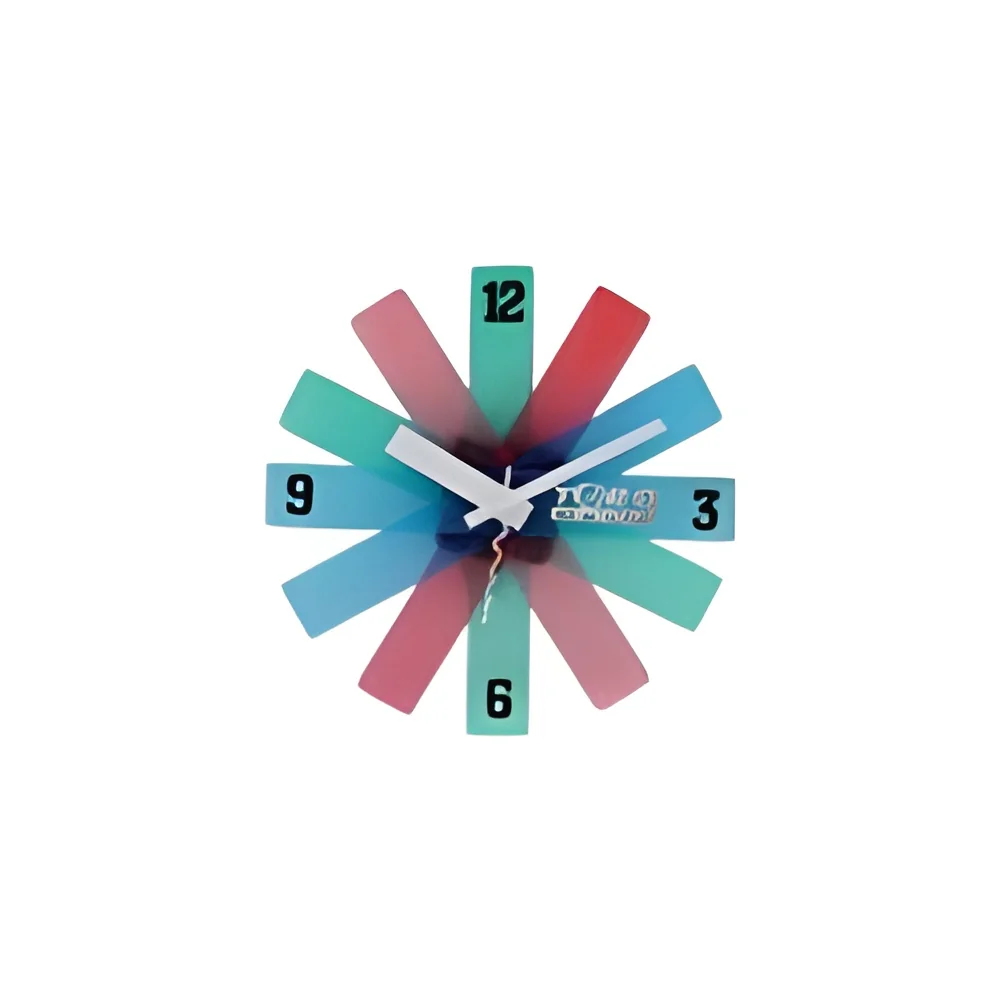
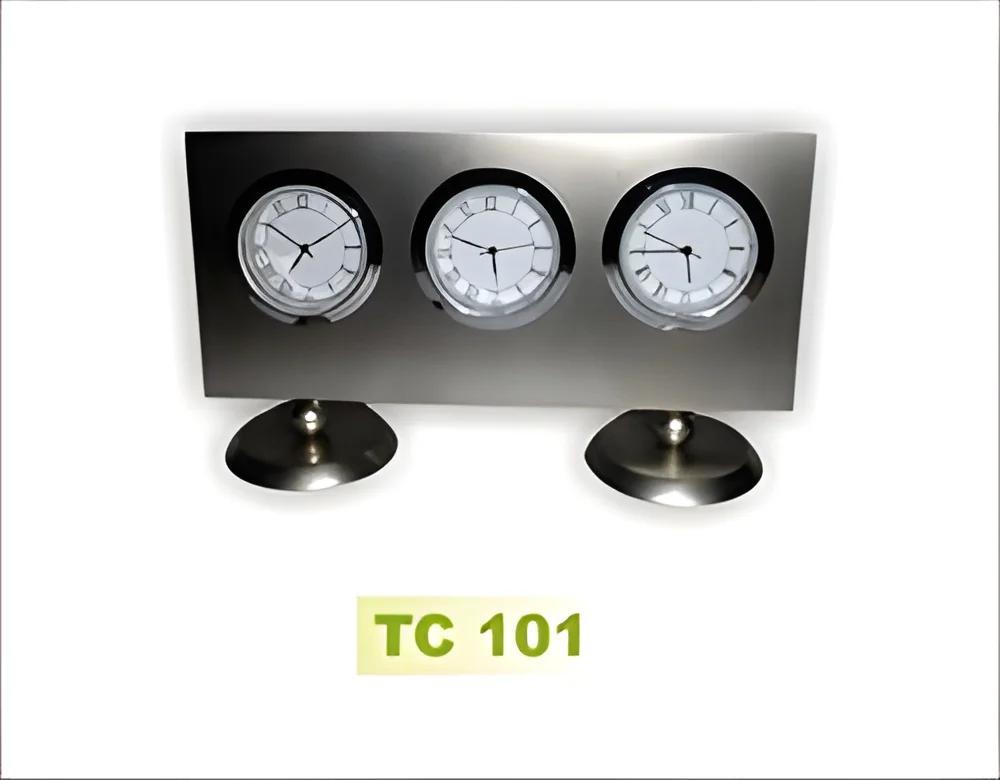
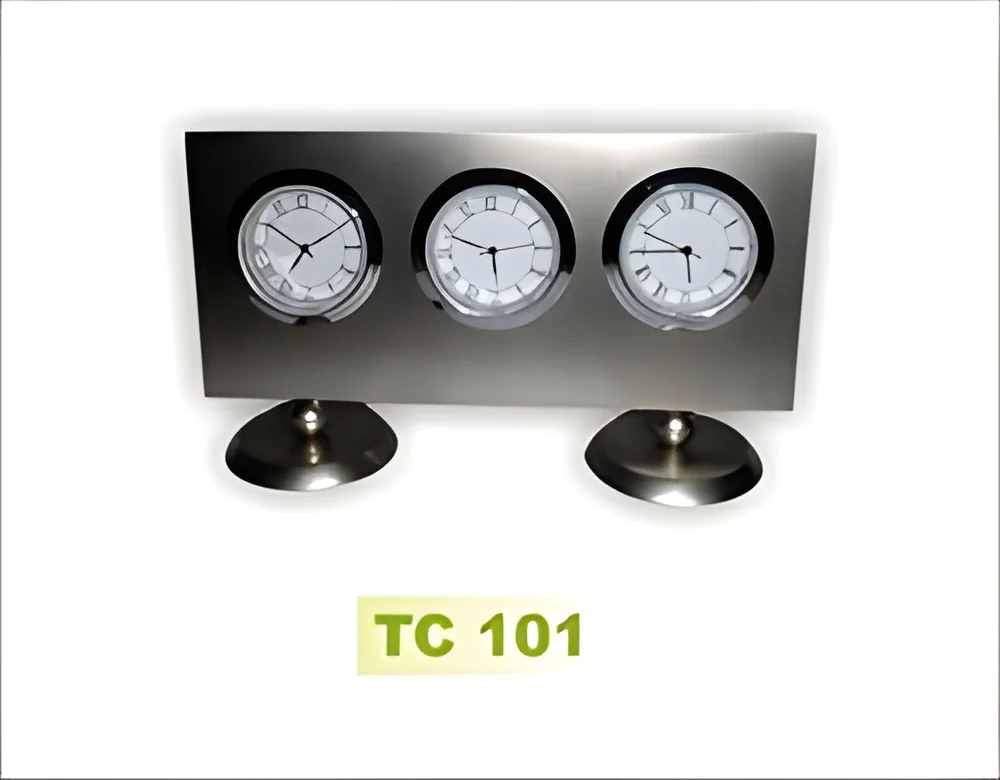
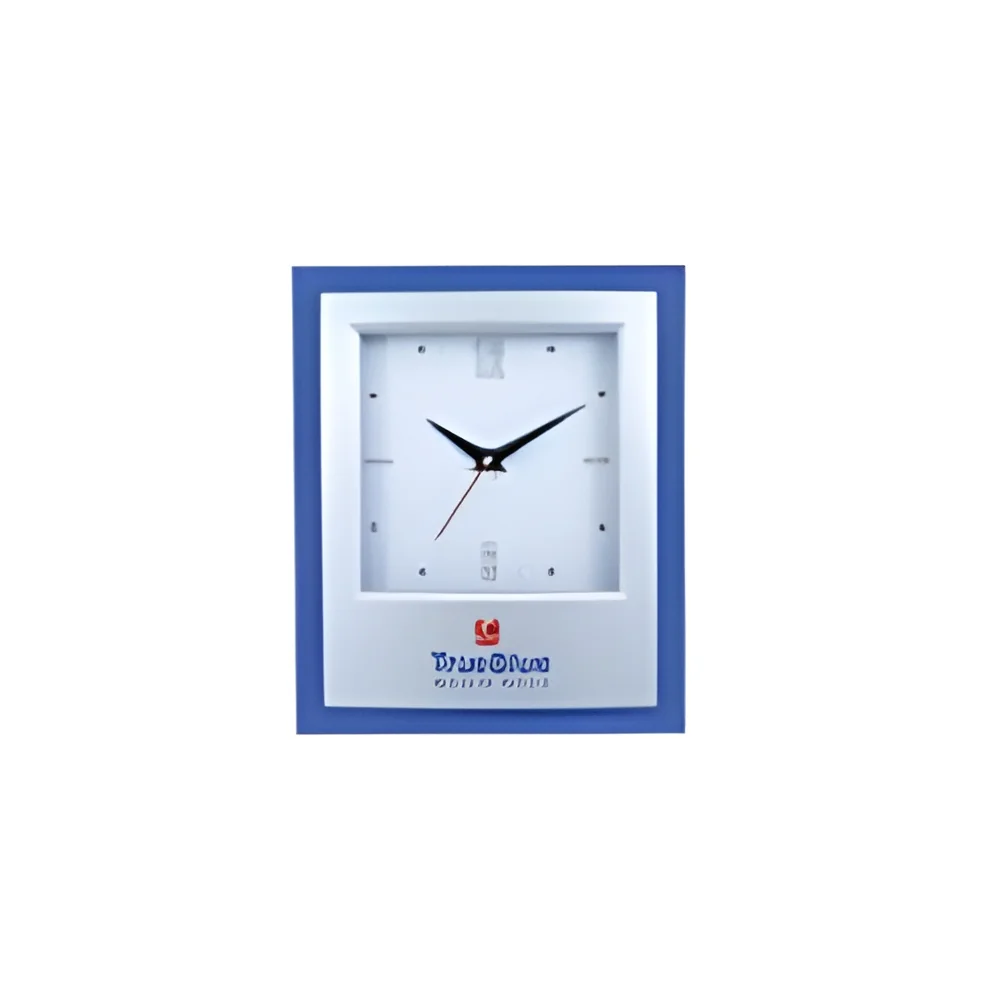
Analog wall clocks feature a classic design with moving hands on a dial. They are often chosen for their timeless appeal and can fit seamlessly into traditional or contemporary decor. Their simplicity and ease of use make them popular in both business and home environments.
Digital Wall Clocks
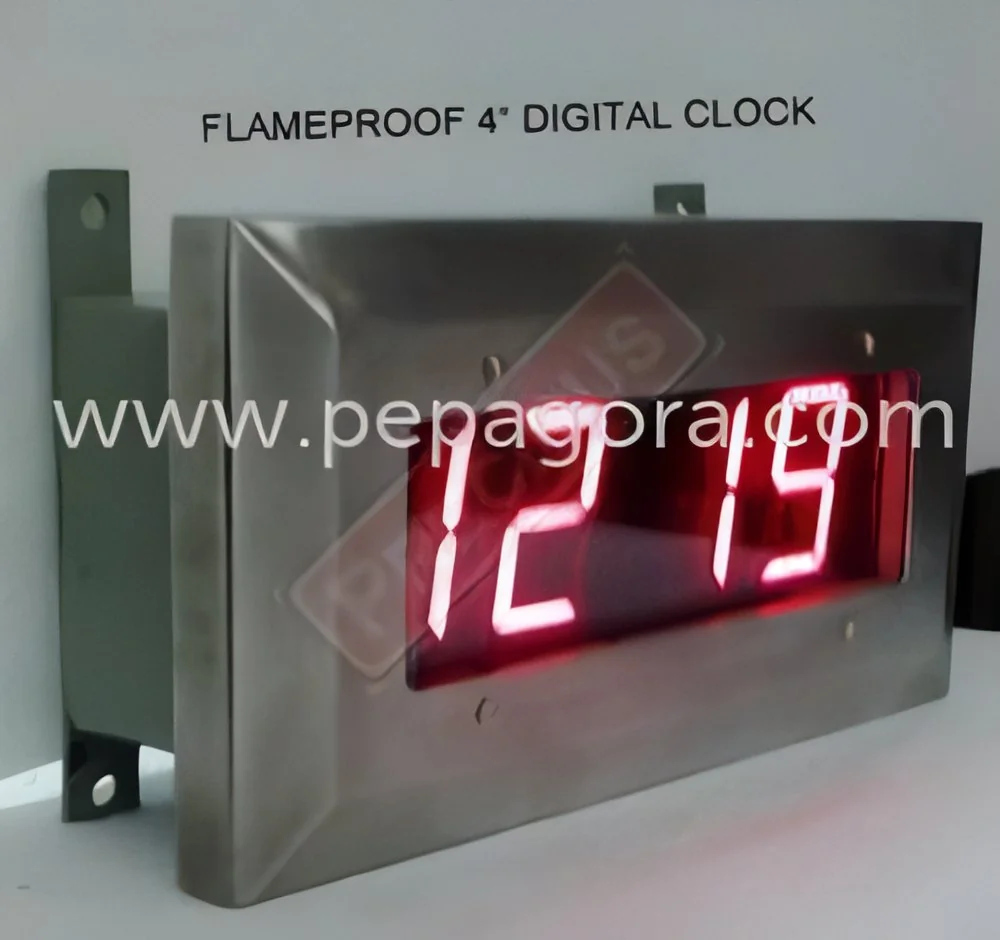
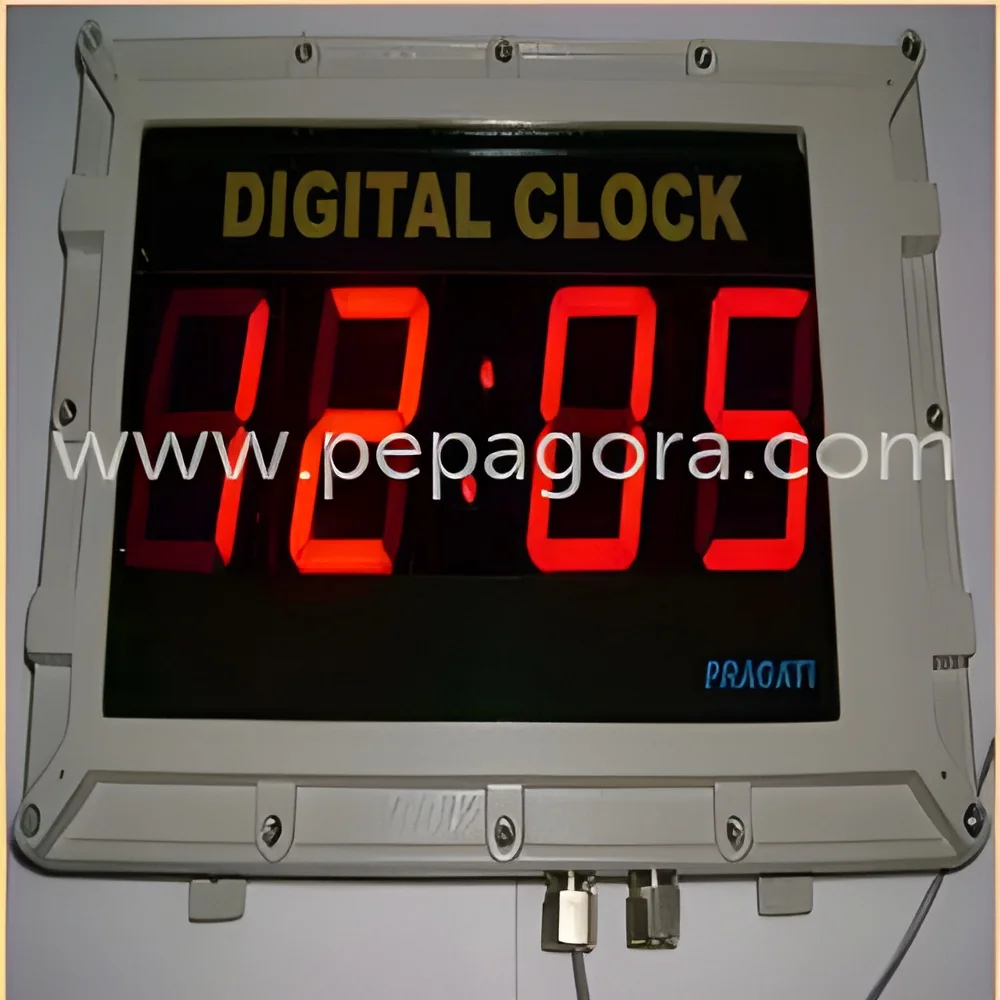
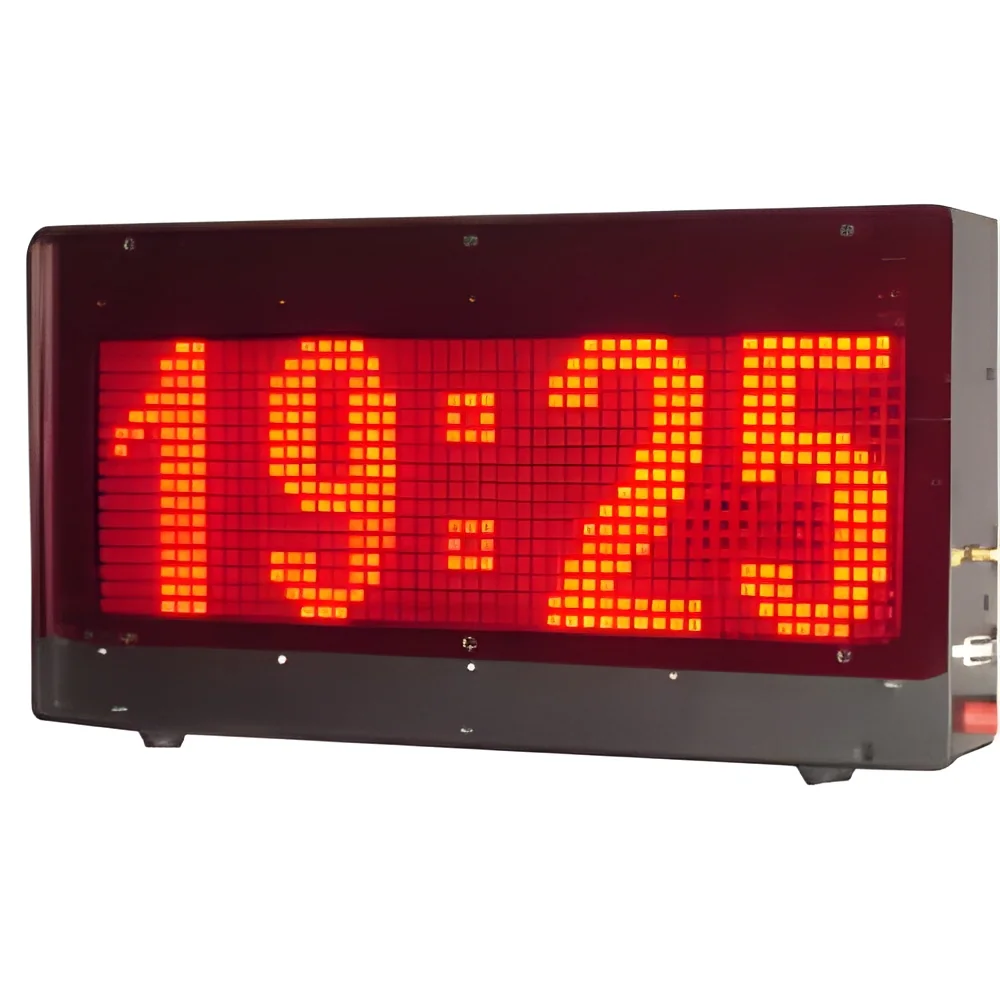
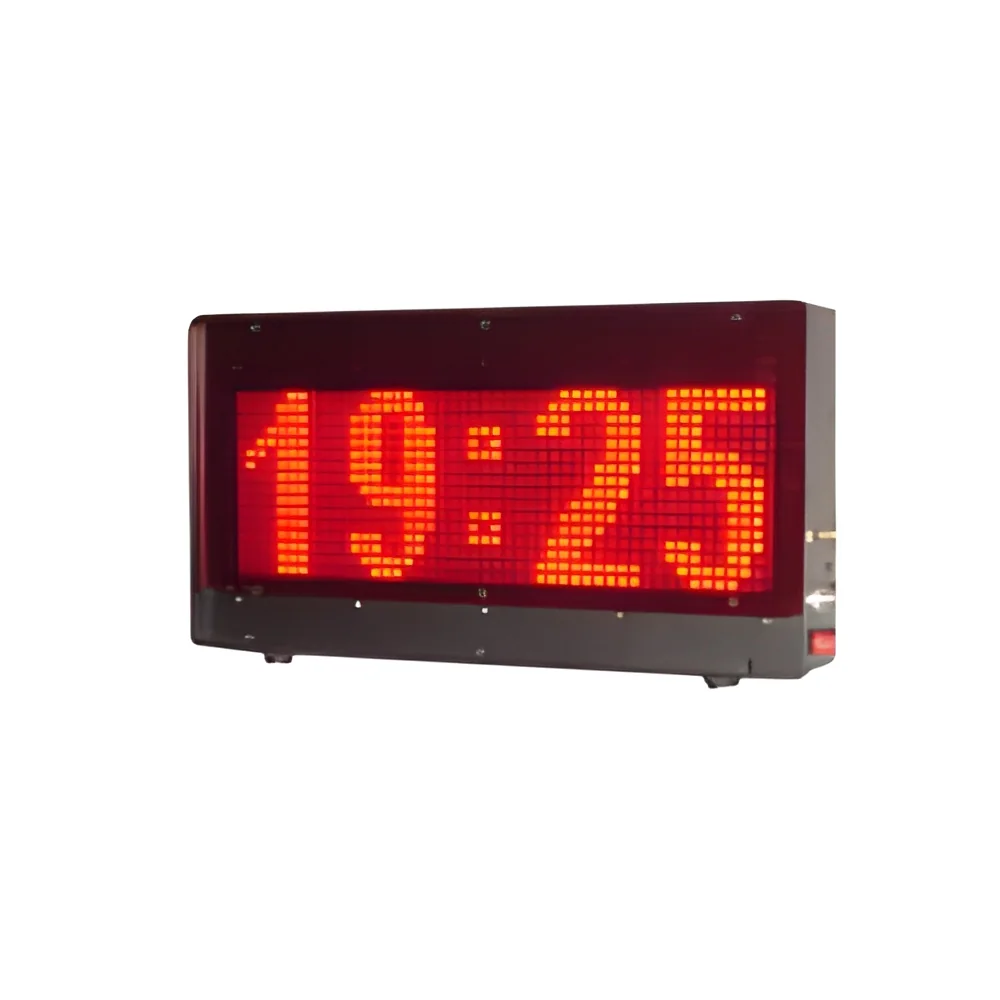
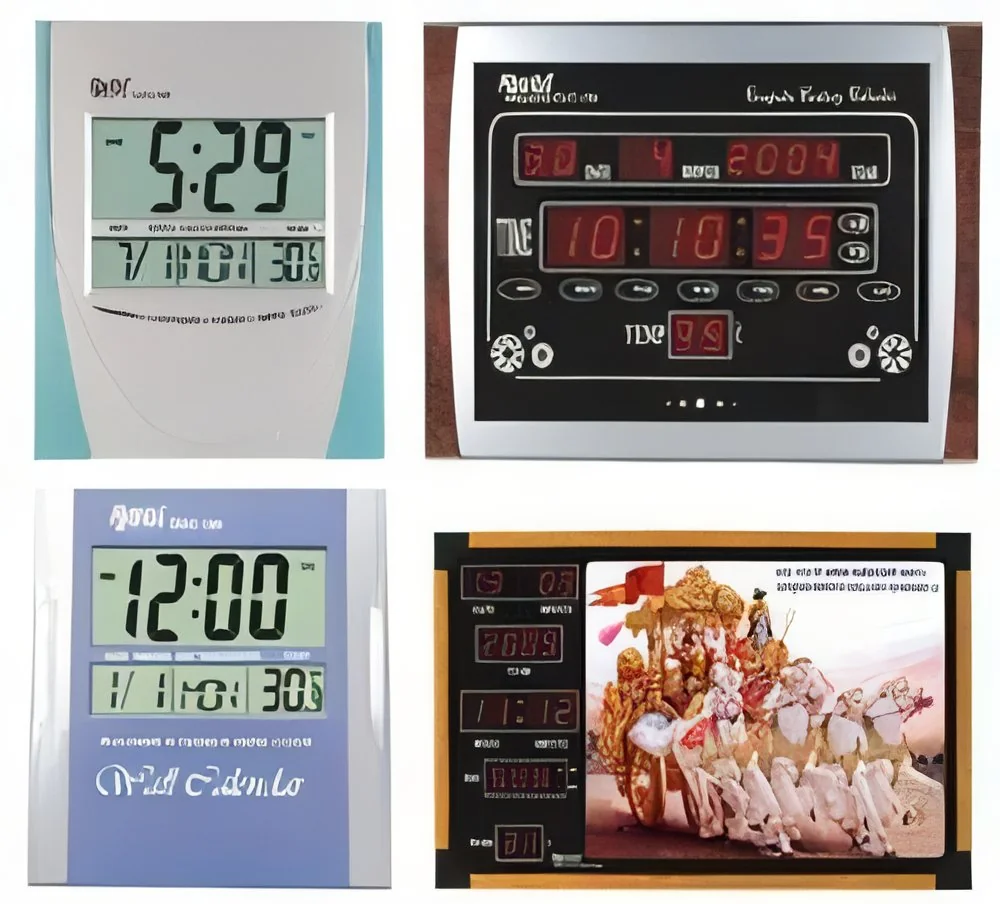
Digital wall clocks offer a modern twist on timekeeping, displaying time in clear numerical formats. They often include additional features such as alarms or temperature readings. These clocks are especially popular in settings where quick readability is essential, such as hospitals and busy offices.
Benefits and Advantages
Choosing the right wall clocks comes with several advantages.
1. Enhanced Time Management: Wall clocks help synchronize activities in workplaces, promoting punctuality and efficiency.
2. Aesthetic Appeal: With various designs available, wall clocks can complement interior decor, adding character to a space.
3. Versatility: Available in different formats, wall clocks can be used in various environments, from homes to corporate offices.
4. Easy Readability: Digital clocks offer clear visibility, making it easy for individuals to check the time at a glance.
5. Low Maintenance: Most wall clocks require minimal upkeep, with battery replacements being the primary maintenance task.
6. Cost-Effective: Wall clocks are generally affordable, providing a practical solution for timekeeping without significant investment.
Buying Guide for B2B Buyers
When sourcing wall clocks, B2B buyers should consider several key factors to ensure they make informed purchasing decisions.
1. Quality Assessment: It is important to evaluate the quality of wall clocks through material choice, craftsmanship, and brand reputation. High-quality clocks are more durable and reliable.
2. Supplier Verification: Buyers should vet suppliers by checking their credentials, customer reviews, and industry experience. This helps ensure a trustworthy partnership.
3. Pricing and MOQ: Understanding the price range and minimum order quantities (MOQ) is essential for budget planning. Buyers should compare prices across suppliers to find the best value.
4. Delivery and Lead Times: Timely delivery is critical for project planning. Buyers should confirm lead times with suppliers to ensure clocks arrive when needed.
5. Compliance Requirements: Buyers must be aware of any compliance regulations, such as safety standards or industry certifications, that may apply to wall clocks in their region.
Compliance and Certifications
Wall clocks must adhere to certain quality standards and compliance regulations to ensure safety and reliability. Relevant standards include ISO 9001, which focuses on quality management systems and continuous improvement. This certification is crucial for manufacturers to demonstrate their commitment to quality.
Additionally, many wall clocks hold CE certification, indicating that they meet European safety, health, and environmental protection standards. This certification is essential for products sold in the European market, as it assures buyers of compliance with regulatory requirements.
Safety testing is also critical, especially for electronic wall clocks. Manufacturers must ensure that their products do not pose electrical hazards or other safety risks to users. Compliance with regional regulations is vital, as different markets may have specific requirements for timekeeping devices.
Why Source Wall Clocks (Analog, Digital) from Pepagora?
Pepagora offers a reliable platform for sourcing wall clocks, both analog and digital, providing numerous benefits for its users.
Verified Supplier Network: Pepagora connects buyers with a network of verified suppliers. This ensures that all suppliers meet quality and reliability standards, allowing buyers to make informed choices.
Streamlined RFQ Process: The platform simplifies the request for quotation (RFQ) process, enabling buyers to request quotes from multiple suppliers quickly. This efficiency saves time and enhances procurement processes.
Trade Assurance and Support: Buyers benefit from trade assurance programs that protect their purchases. This support ensures that buyers receive the products as promised, fostering trust in the sourcing process.
Regional Coverage: Pepagora has a strong presence across India, the GCC, and Southeast Asia, allowing it to cater to a diverse range of buyers. This geographic reach helps businesses find suitable wall clocks tailored to their local needs.

 IN
IN