What are Industrial Clocks?
Industrial clocks are specialized timekeeping devices designed for use in industrial environments. Unlike standard clocks, these models are built to withstand tough conditions such as extreme temperatures, vibrations, and dust. Industrial clocks are often larger and more robust, making them easy to read from a distance, which is crucial in busy workplaces.
These clocks find applications in various sectors such as manufacturing, logistics, and warehousing. They are essential for ensuring that operations run smoothly and on schedule. In industries where precise timing is critical, such as production lines or transport hubs, industrial clocks play a vital role. They help synchronize shifts, monitor processes, and ensure timely deliveries, reflecting their importance in maintaining productivity and efficiency.
As businesses increasingly rely on technology and automation, the market for industrial clocks continues to evolve. Modern designs may include advanced features such as digital displays, synchronization capabilities, and integration with other systems. This evolution showcases the relevance of industrial clocks across a range of industries, underscoring their critical role in operational success.
Key Features and Specifications
Industrial clocks come equipped with a variety of features that cater to their demanding environments. These features enhance their functionality and durability, making them suitable for various applications.
Key specifications include:
1. Display Type
- Analog or digital options are available.
- Digital displays often offer larger, clearer readings.
2. Size
- Typically available in large sizes for visibility.
- Common diameters range from 12 to 24 inches.
3. Power Source
- Options include battery-operated and hardwired models.
- Some models may include solar power capabilities.
4. Material
- Constructed from durable materials such as metal or high-grade plastic.
- Weatherproof models are available for outdoor use.
5. Accuracy
- High precision with minimal deviation.
- Some clocks are synchronized with atomic time sources.
6. Mounting Options
- Wall-mounted and freestanding models are available.
- Certain designs allow for easy installation and relocation.
7. Additional Features
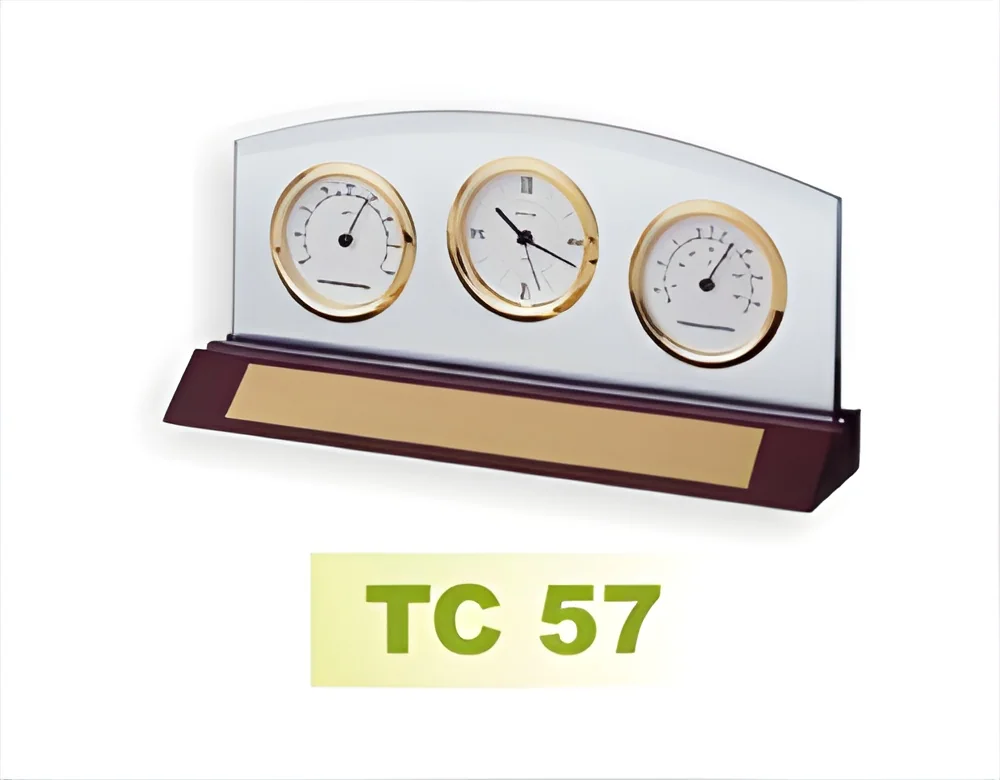
- Some clocks include temperature and humidity monitoring.
- Capabilities for synchronization with other devices may be available.
Industrial clocks are engineered to provide reliability and performance, making them essential tools for any industrial setting.
Common Applications and Use Cases
Industrial clocks are versatile tools that serve various industries effectively.
1. Manufacturing: In manufacturing plants, industrial clocks help manage production schedules and monitor efficiency. They keep workers aware of shift changes and break times.
2. Logistics: In logistics and shipping, precise timing is essential. Industrial clocks ensure that loading and unloading processes adhere to strict schedules, minimizing delays.
3. Warehousing: Within warehouses, large industrial clocks help coordinate activities among workers, ensuring that inventory management and order fulfillment processes run smoothly.
4. Healthcare: In healthcare facilities, industrial clocks are crucial for maintaining timely patient care and ensuring that medical staff adhere to schedules.
5. Transportation: In transport hubs, such as airports and bus terminals, large display clocks help travelers keep track of arrival and departure times.
6. Education: Educational institutions use industrial clocks in classrooms and hallways to maintain punctuality in class schedules.
7. Agriculture: In agricultural settings, farmers utilize industrial clocks to schedule irrigation and harvesting activities effectively.
Product Variants and Subcategories
Industrial clocks come in various designs tailored to meet different needs. This diversity allows businesses to select models that best suit their specific environments.
Wall Clock
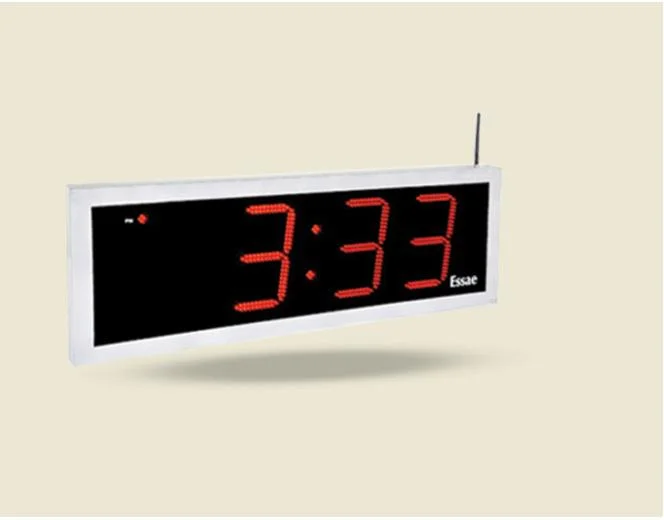
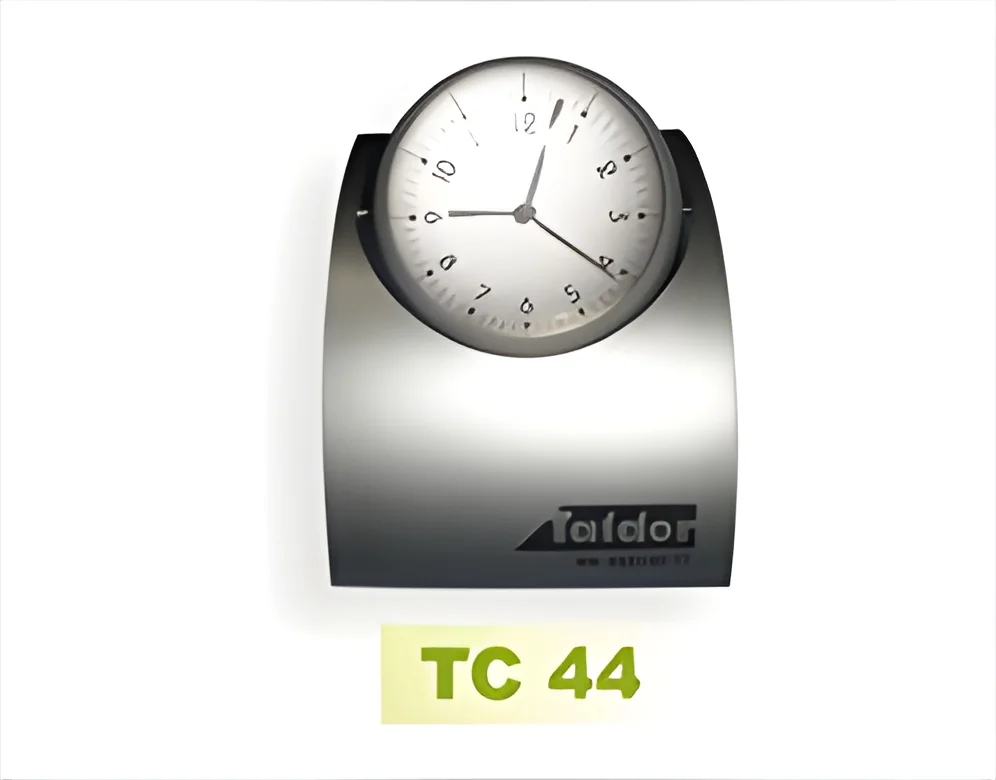
Wall clocks are the most common type of industrial clock. They often feature large, easy-to-read displays and are designed for durability. Ideal for factory floors and warehouses, these clocks ensure visibility from a distance.
Digital Clock
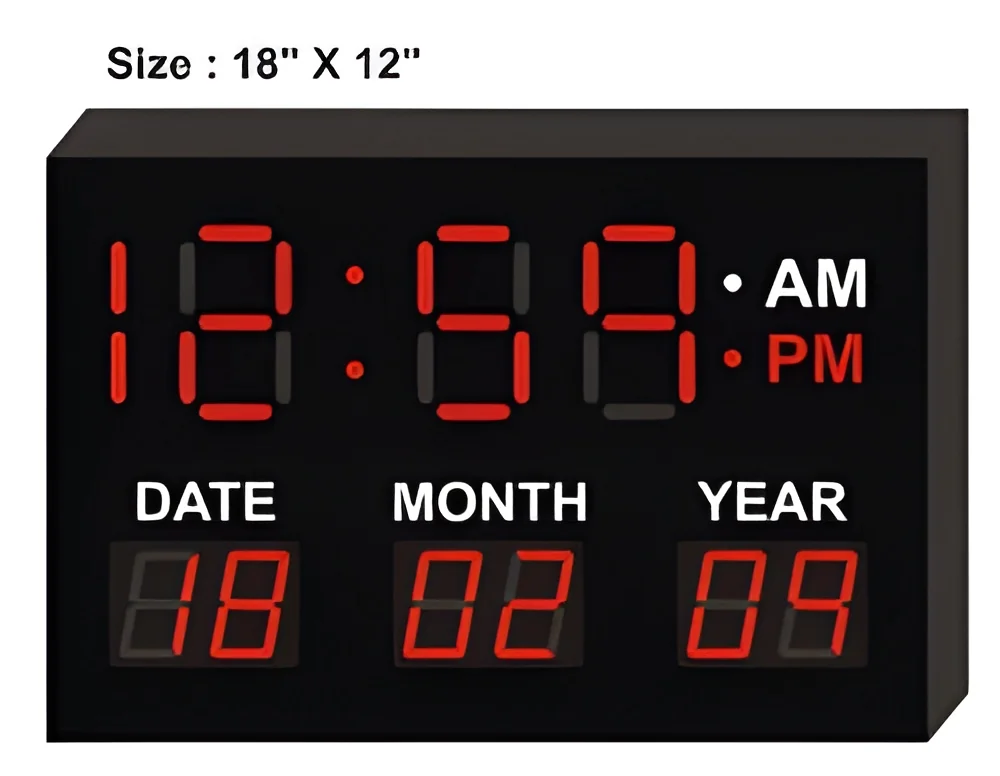
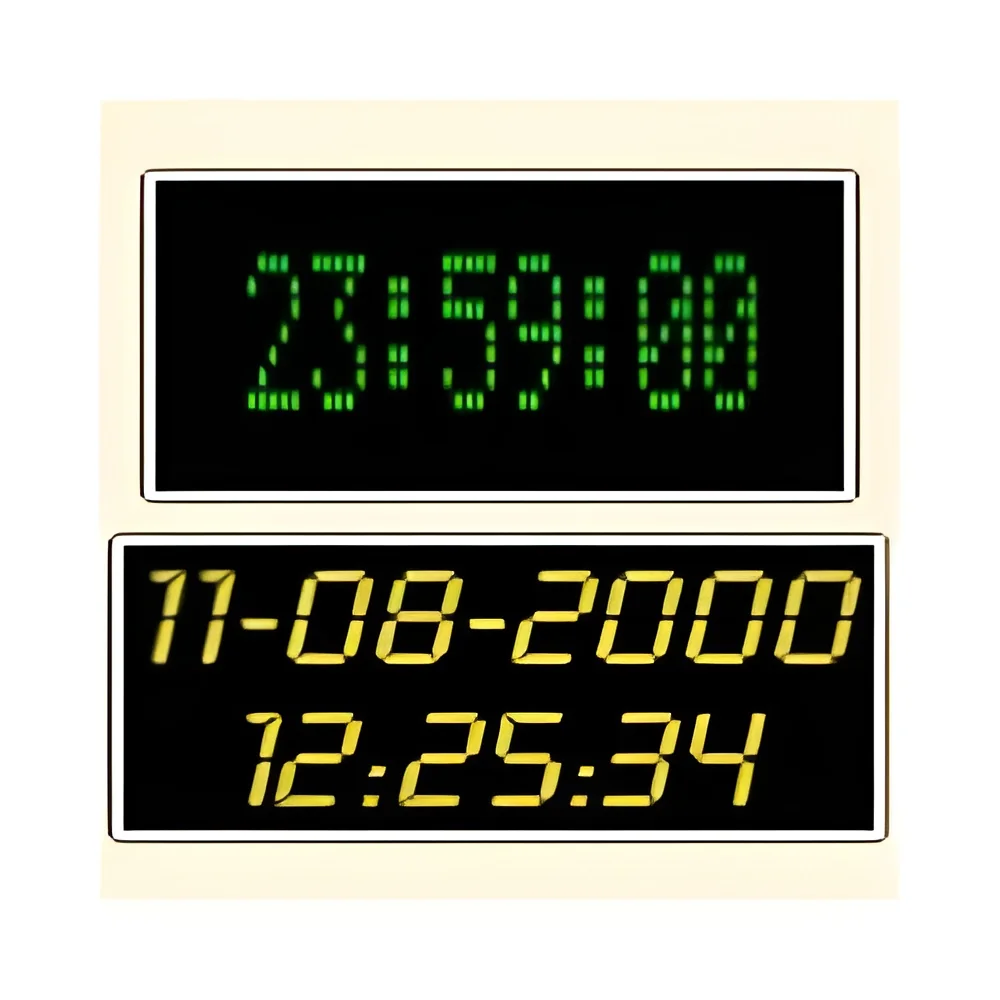
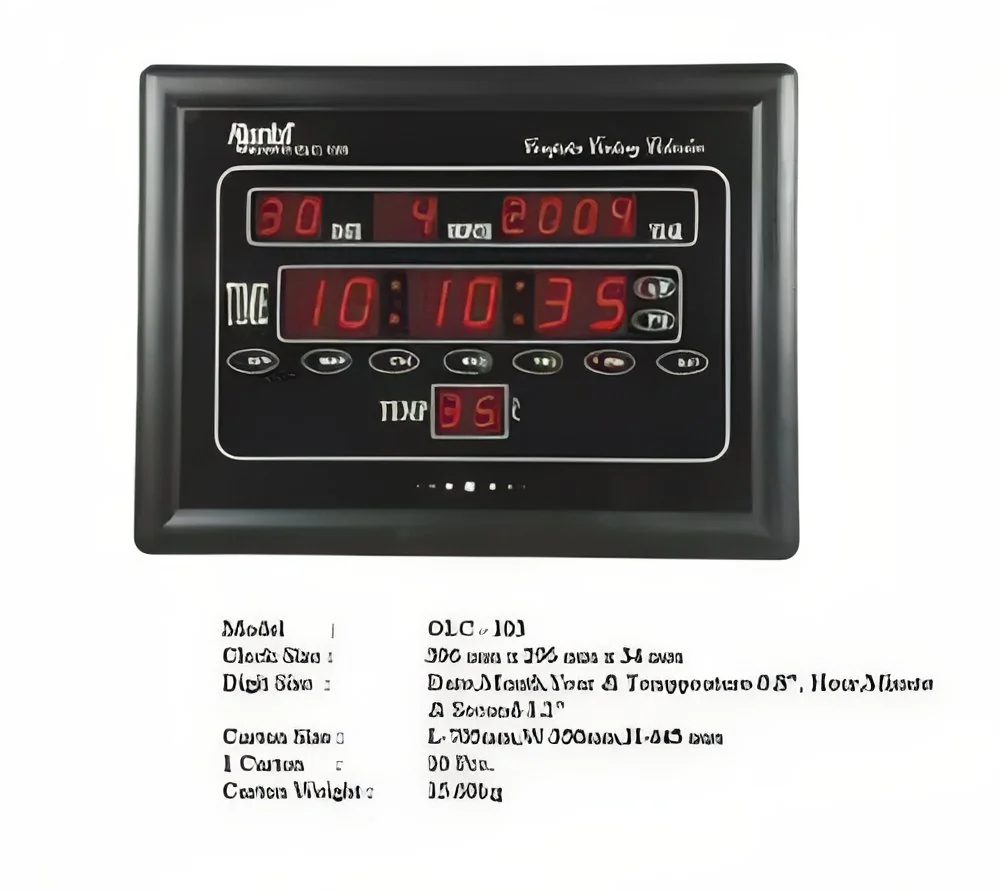
Digital clocks offer clear numerical displays, making them easy to read at a glance. Many models include features such as backlighting and synchronization capabilities. They are perfect for environments where precise timing is critical.
Outdoor Clock
Designed to withstand the elements, outdoor clocks are typically weatherproof and resistant to UV rays. They are suitable for outdoor facilities, such as construction sites and parking lots.
Benefits and Advantages
Investing in industrial clocks brings several advantages to businesses.
1. Increased Productivity: By providing accurate timekeeping, industrial clocks help synchronize operations, leading to improved workflow and efficiency.
2. Enhanced Safety: Clear visibility of time can help in enforcing safety protocols and ensuring that workers adhere to scheduled breaks and shifts.
3. Durability: Industrial clocks are built to last, reducing the need for frequent replacements and maintenance, which saves costs in the long run.
4. Easy Visibility: Large displays ensure that all employees can easily read the time, regardless of their distance from the clock.
5. Customization Options: Many industrial clocks can be customized to include specific features, such as temperature displays or company branding.
6. Synchronization Capabilities: Some models can be synchronized with networked systems, ensuring that all clocks in a facility display the same accurate time.
Buying Guide for B2B Buyers
When sourcing industrial clocks, it is essential for B2B buyers to consider several key factors.
1. Quality Assessment: Evaluate the quality of the clocks by reviewing materials, durability, and user feedback. High-quality industrial clocks should withstand demanding environments.
2. Supplier Verification: It is crucial to vet suppliers through industry references and certification checks. Ensure that suppliers have a reputation for reliability and good customer service.
3. Pricing and MOQ: Analyze pricing structures and minimum order quantities (MOQs). Understand that bulk purchases may offer cost savings, but ensure that the quantity meets your operational needs.
4. Delivery and Lead Times: Discuss delivery options and lead times with suppliers. Timely delivery is essential to avoid disruptions in operations.
5. Compliance Requirements: Ensure that the clocks meet any relevant regulatory standards or industry certifications, such as CE marking. Compliance is crucial for maintaining safety and operational efficiency.
Compliance and Certifications
Industrial clocks must adhere to specific quality standards and industry regulations to ensure reliability and safety.
Relevant quality standards include ISO 9001, which sets criteria for quality management systems. Compliance with these standards reflects a commitment to delivering high-quality products.
Additionally, industry certifications such as CE indicate that the clocks meet European health, safety, and environmental protection standards. This certification is critical for businesses operating in or exporting to European markets.
Safety and testing requirements are paramount. Industrial clocks should undergo rigorous testing to ensure they can withstand the conditions of various environments, including temperature extremes and humidity.
Regional compliance considerations may vary. Businesses should be aware of local regulations regarding safety and quality to ensure their products meet necessary standards.
Why Source Industrial Clocks from Pepagora?
Pepagora offers a reliable platform for sourcing industrial clocks, providing several advantages to B2B buyers.
Verified Supplier Network: Pepagora ensures that all suppliers are thoroughly verified. This process guarantees that buyers can trust the quality and reliability of the products being offered.
Streamlined RFQ Process: The Request for Quotation (RFQ) system simplifies the buying process. Buyers can easily compare quotes from multiple suppliers, ensuring they get the best value for their investment.
Trade Assurance and Support: Pepagora provides trade assurance, protecting buyers from potential risks. This support fosters a secure purchasing environment, encouraging confidence in sourcing decisions.
Regional Coverage: Pepagora has a broad geographic reach, covering markets in India, the GCC, and Southeast Asia. This extensive network allows buyers to access a wide range of industrial clocks tailored to their specific regional needs.

 IN
IN