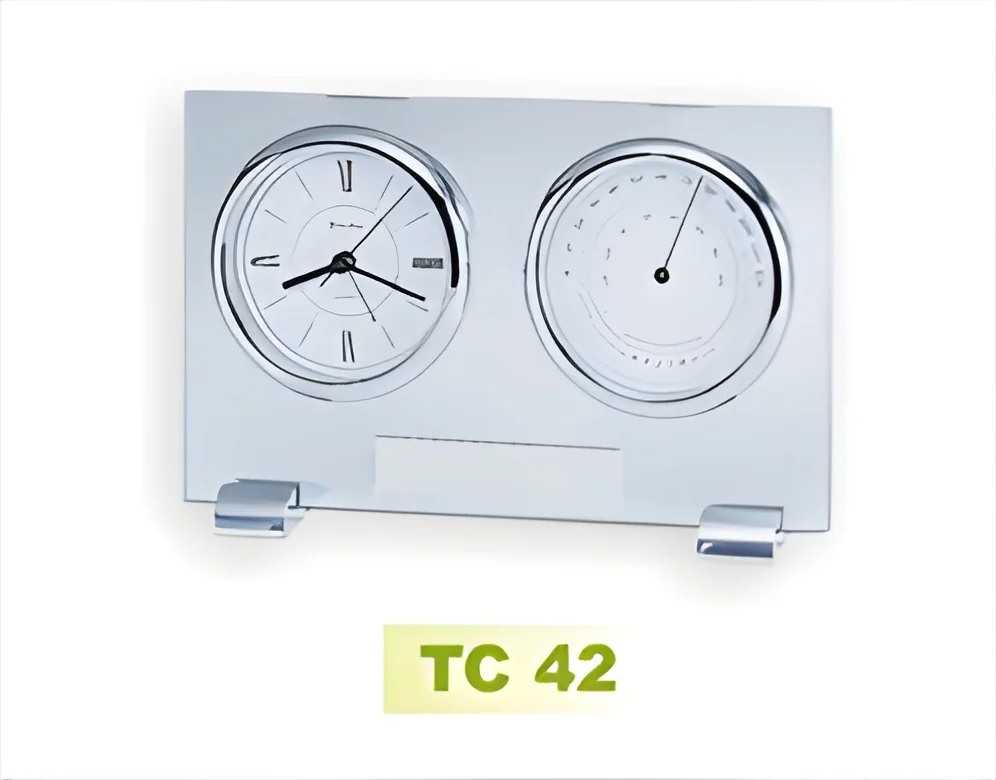
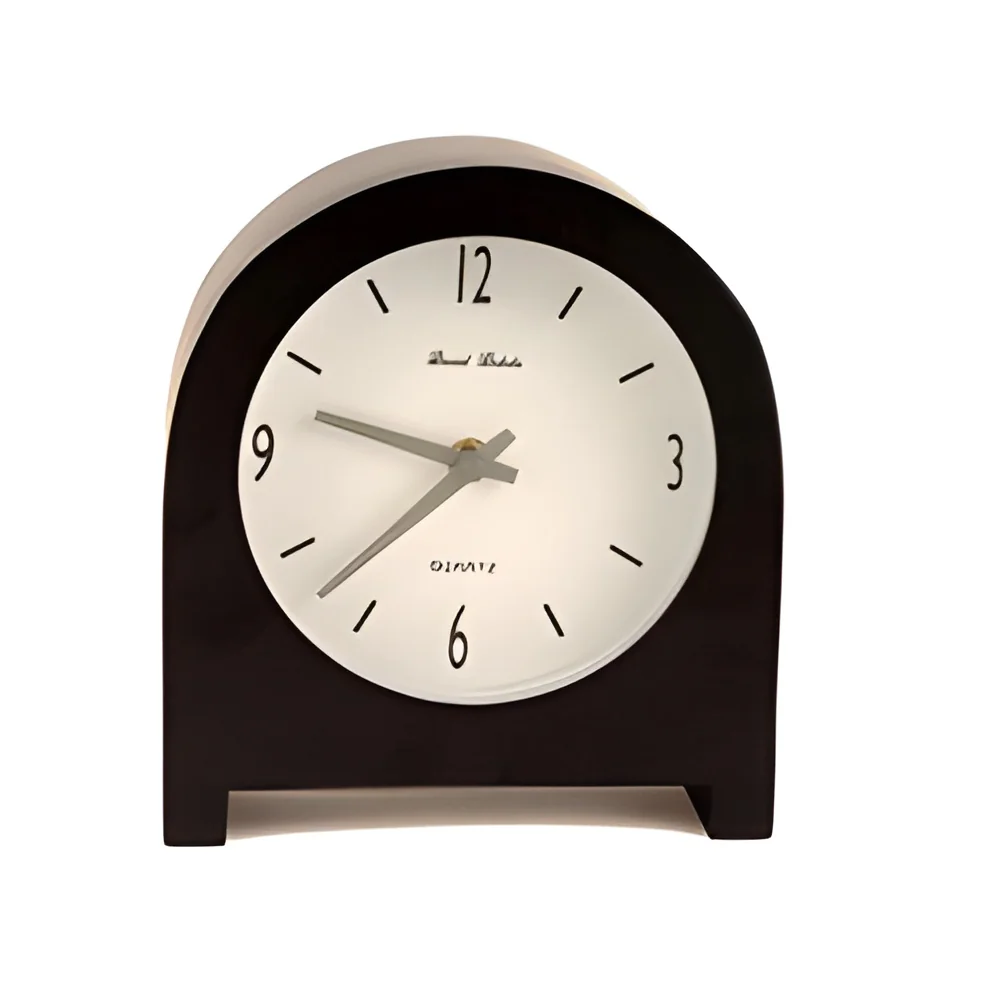
What are Table Clocks & Desk Clocks?
Table clocks and desk clocks are timekeeping devices specifically designed for placement on flat surfaces such as desks, tables, or shelves. They are typically more decorative and visually appealing than wall clocks, serving both functional and aesthetic purposes. These clocks can vary widely in design, size, and features, but they all aim to provide accurate timekeeping while enhancing the decor of the space.
In business settings, table clocks and desk clocks play a crucial role in maintaining a professional atmosphere. They serve as essential tools for time management, ensuring that employees and visitors can easily keep track of time during meetings, breaks, and work hours. Additionally, these clocks can be used as promotional items or corporate gifts, further emphasizing their importance in business applications.
The market for table clocks and desk clocks is diverse, catering to various industries including corporate offices, hospitality, education, and more. The rise of remote work and flexible office spaces has increased the demand for aesthetically pleasing and functional desk accessories, making these timepieces relevant in today's fast-paced business environment.
Key Features and Specifications
When considering table clocks and desk clocks, it's essential to understand their key features and specifications. These characteristics can vary based on the specific model and brand, but certain elements are commonly found across the board.
Key specifications include:
1. Design Style
- Options range from modern to classic, allowing businesses to choose based on their brand aesthetic.
2. Material
- Common materials include wood, metal, plastic, and glass, each offering different durability and visual appeal.
3. Size
- Clocks are available in various sizes, typically ranging from small (around 4-6 inches) to large (up to 12 inches or more).
4. Display Type
- Digital or analog displays cater to different preferences, with some models incorporating backlighting for better visibility.
5. Power Source
- Options include battery-operated, plug-in, or solar-powered models, offering flexibility based on usage location.
6. Additional Features
- Some clocks may include alarm functions, temperature displays, or calendar features for added functionality.
Overall, understanding these specifications helps businesses select the right clock to meet their needs and preferences.
Common Applications and Use Cases
Table clocks and desk clocks find applications across various industries, serving specific needs depending on the environment and purpose.
1. Corporate Offices: In professional settings, these clocks are essential for time management during meetings and work hours, helping to maintain punctuality.
2. Hospitality: Hotels and restaurants often use decorative desk clocks to enhance the ambiance of their lobbies or dining areas while providing functional timekeeping.
3. Educational Institutions: Schools and universities may utilize desk clocks in classrooms and offices to help manage schedules and keep students and faculty on track.
4. Retail: Retail environments often display clocks prominently to enhance the shopping experience, ensuring customers can keep track of time while browsing.
5. Home Offices: With the rise of remote work, many individuals use table clocks in their home offices to maintain a professional atmosphere and manage their time effectively.
Product Variants and Subcategories
The diversity of table clocks and desk clocks allows businesses to find the perfect match for their needs.
Classic Analog Clocks: These timepieces often feature traditional designs with Roman numerals and ornate details, making them ideal for formal settings.
Modern Digital Clocks: With sleek designs and illuminated displays, these clocks are perfect for contemporary office spaces and tech-savvy environments.
Novelty Clocks: Unique and creative designs can serve as conversation starters in casual settings or as gifts, appealing to those who prefer quirky aesthetics.
Eco-Friendly Clocks: Made from sustainable materials or powered by solar energy, these models cater to environmentally conscious businesses.
Benefits and Advantages
Choosing the right table clock or desk clock can offer several advantages for businesses.
1. Enhanced Time Management: These clocks assist employees in staying punctual, helping to improve overall productivity.
2. Aesthetic Appeal: Well-designed clocks can enhance the decor of an office or workspace, creating a more inviting environment.
3. Brand Promotion: Customized clocks can serve as effective promotional items, reinforcing brand identity and visibility.
4. Versatile Functionality: Many clocks offer additional features like alarms or temperature displays, adding value to the product.
5. Gift Potential: Clocks can be excellent corporate gifts, demonstrating thoughtfulness and professionalism to clients and employees alike.
Buying Guide for B2B Buyers
When sourcing table clocks and desk clocks, businesses should consider several important factors to ensure they make informed purchasing decisions.
1. Quality Assessment: Evaluate the materials and craftsmanship of the clocks to ensure they meet durability standards suitable for the intended environment.
2. Supplier Verification: Conduct thorough research on suppliers to confirm their credibility, including checking reviews and ratings from previous clients.
3. Pricing and MOQ: Understand the cost structure and minimum order quantities (MOQ) to align purchases with budgetary constraints and operational needs.
4. Delivery and Lead Times: Inquire about shipping options and expected delivery timelines to avoid disruptions in planned usage.
5. Compliance Requirements: Ensure that the clocks meet any relevant safety and quality standards, particularly if they will be used in regulated environments.
Compliance and Certifications
Compliance with relevant quality standards is crucial for table clocks and desk clocks to ensure reliability and safety in various applications.
ISO 9001 is a widely recognized standard for quality management systems, ensuring that manufacturers maintain high production quality. Compliance with this standard can provide assurance of the clock's durability and performance.
CE certification is essential for products sold in the European market, indicating that the clocks meet strict safety, health, and environmental protection requirements. This certification helps businesses avoid potential compliance issues.
Additionally, safety and testing requirements may vary by region, making it important for manufacturers to adhere to local regulations. Businesses should also consider any specific compliance needs that may apply to their industry, such as standards for electronic devices.
Why Source Table Clocks & Desk Clocks from Pepagora?
Pepagora provides a trusted platform for sourcing table clocks and desk clocks, offering several key advantages that benefit B2B buyers.
Verified Supplier Network: Pepagora collaborates with a network of verified suppliers, ensuring that businesses can access high-quality products with confidence. Each supplier undergoes rigorous vetting to guarantee reliability and performance.
Streamlined RFQ Process: The platform simplifies the request for quotation (RFQ) process, allowing buyers to easily compare prices and features from multiple suppliers. This efficiency leads to quicker decision-making and procurement.
Trade Assurance and Support: With trade assurance programs in place, Pepagora protects buyers by offering support in case of disputes or issues with orders. This added layer of security enhances the purchasing experience.
Regional Coverage: Pepagora's reach extends across India, the GCC, and Southeast Asia, enabling businesses to source products from a diverse range of suppliers while benefiting from local expertise and market knowledge.
Overall, sourcing table clocks and desk clocks from Pepagora provides businesses with peace of mind and access to quality products that meet their specific needs.

 IN
IN