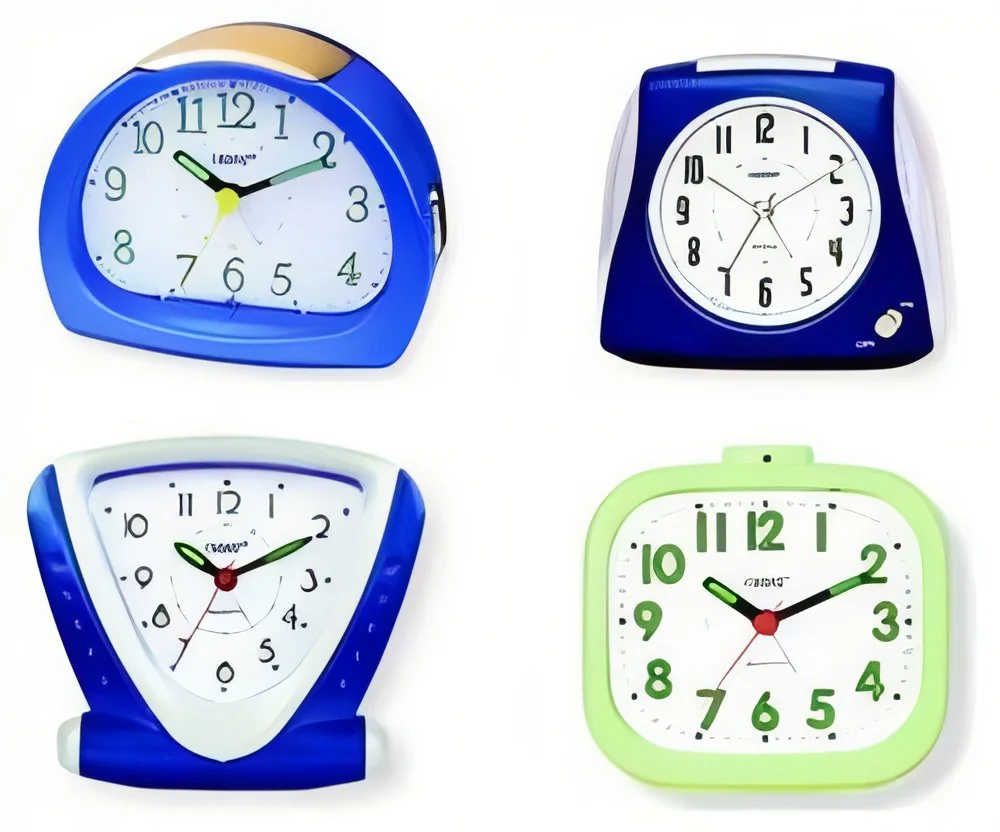
What are Alarm Clocks (Standard, Smart)?
Alarm clocks are devices designed to wake individuals at a predetermined time, utilizing sound or light to signal the start of the day. Standard alarm clocks typically feature basic functionalities such as time display, alarm settings, and a snooze option. In contrast, smart alarm clocks integrate advanced technology, offering features like Bluetooth connectivity, voice activation, and compatibility with smart home systems. These devices can also provide additional functionalities such as weather updates, music streaming, and customizable alarm sounds.
The primary uses of alarm clocks extend beyond personal use into various business applications. In corporate environments, they can help streamline employee schedules, ensuring that staff adhere to time-sensitive tasks. Educational institutions also utilize alarm clocks to manage time during classes and exams. Additionally, healthcare facilities employ alarm clocks to monitor medication schedules and patient routines. The relevance of alarm clocks in various industries reflects the growing demand for efficient time management tools, with the market continually evolving to incorporate technological advancements.
๐๐ฒ๐ ๐๐ฒ๐ฎ๐๐๐ฟ๐ฒ๐ ๐ฎ๐ป๐ฑ ๐ฆ๐ฝ๐ฒ๐ฐ๐ถ๐ณ๐ถ๐ฐ๐ฎ๐๐ถ๐ผ๐ป๐
Alarm clocks, whether standard or smart, offer a range of features and specifications that meet diverse user needs. Understanding these specifications is essential for businesses looking to integrate alarm clocks into their operations effectively.
Key specifications include:
1. Time Display
- Digital or analog formats
- 12-hour and 24-hour settings available
2. Alarm Functionality
- Single or multiple alarms
- Snooze options with adjustable durations
3. Connectivity
- Bluetooth for smart models
- Wi-Fi capability for internet access
4. Sound Quality
- Built-in speakers for alarm sounds
- Volume control settings
5. Display Features
- LED or LCD screen types
- Adjustable brightness levels
6. Power Source
- Battery-operated or plug-in models
- Backup battery options for power outages
7. Size and Design
- Compact for travel or larger for bedside use
- Variety of styles to match decor
8. Additional Features
- USB charging ports for devices
- Integration with smart home systems
In summary, alarm clocks offer a variety of features that cater to different user preferences and requirements, making them versatile tools across multiple sectors.
๐๐ผ๐บ๐บ๐ผ๐ป ๐๐ฝ๐ฝ๐น๐ถ๐ฐ๐ฎ๐๐ถ๐ผ๐ป๐ ๐ฎ๐ป๐ฑ ๐จ๐๐ฒ ๐๐ฎ๐๐ฒ๐
Alarm clocks serve various industries effectively, ensuring timely operations and improved productivity.
1. Corporate Offices: Alarm clocks can help employees manage their schedules and adhere to meeting times, enhancing overall efficiency in the workplace.
2. Educational Institutions: Alarm clocks are essential in schools and universities for managing class times and exam schedules, ensuring students remain punctual.
3. Healthcare Facilities: Alarm clocks are utilized for medication reminders and patient wake-up calls, contributing to better healthcare management.
4. Hospitality Sector: Hotels use alarm clocks in guest rooms to provide convenience and enhance the guest experience.
5. Manufacturing Plants: Alarm clocks help operators monitor shift changes, ensuring smooth transitions and maintaining workflow.
6. Fitness Centers: Alarm clocks assist trainers and clients in managing workout schedules, promoting adherence to fitness goals.
7. Home Use: Many individuals rely on alarm clocks for personal time management, ensuring they wake up on time for work or appointments.
๐ฃ๐ฟ๐ผ๐ฑ๐๐ฐ๐ ๐ฉ๐ฎ๐ฟ๐ถ๐ฎ๐ป๐๐ ๐ฎ๐ป๐ฑ ๐ฆ๐๐ฏ๐ฐ๐ฎ๐๐ฒ๐ด๐ผ๐ฟ๐ถ๐ฒ๐
Alarm clocks come in various forms, catering to different consumer needs and preferences.
Standard Alarm Clocks: These provide basic functionality, including time display and alarm features without advanced technology. They are reliable and suitable for users who prefer simplicity.
Smart Alarm Clocks: These devices incorporate advanced features such as Bluetooth connectivity and voice control. They often integrate with smart home systems, allowing users to manage their alarms through voice commands or mobile apps.
๐๐ฒ๐ป๐ฒ๐ณ๐ถ๐๐ ๐ฎ๐ป๐ฑ ๐๐ฑ๐๐ฎ๐ป๐๐ฎ๐ด๐ฒ๐
Alarm clocks offer multiple benefits that enhance time management and user experience.
1. Improved Time Management: Alarm clocks help users maintain punctuality and organize their schedules effectively.
2. Versatile Features: Smart alarm clocks provide additional functionalities like music playback and weather updates, enhancing their utility.
3. User-Friendly Design: Many models are easy to operate with clear displays and intuitive settings, making them accessible for all users.
4. Customization Options: Users can tailor alarm sounds, volumes, and brightness levels to suit their preferences.
5. Enhanced Sleep Quality: Some smart models offer sleep tracking and gradual wake-up features, promoting better sleep hygiene.
6. Durability: Quality alarm clocks are built to last, reducing the need for frequent replacements.
๐๐๐๐ถ๐ป๐ด ๐๐๐ถ๐ฑ๐ฒ ๐ณ๐ผ๐ฟ ๐๐ฎ๐ ๐๐๐๐ฒ๐ฟ๐
When sourcing alarm clocks, it is crucial for B2B buyers to consider several factors to ensure they select the right products.
1. Quality Assessment: Evaluate the construction materials and overall build quality of alarm clocks to ensure durability and reliability.
2. Supplier Verification: Vet potential suppliers for reputation and reliability. Look for reviews and certifications to ensure trustworthiness.
3. Pricing and MOQ: Compare prices among different suppliers and understand the minimum order quantities to ensure cost efficiency.
4. Delivery and Lead Times: Inquire about logistics and estimated delivery times to ensure timely availability of products.
5. Compliance Requirements: Ensure that the alarm clocks meet any applicable regulatory standards and certifications, such as CE marking, to guarantee safety and quality.
๐๐ผ๐บ๐ฝ๐น๐ถ๐ฎ๐ป๐ฐ๐ฒ ๐ฎ๐ป๐ฑ ๐๐ฒ๐ฟ๐๐ถ๐ณ๐ถ๐ฐ๐ฎ๐๐ถ๐ผ๐ป๐
Alarm clocks must meet various compliance standards and certifications to assure quality and safety in the marketplace.
Relevant quality standards such as ISO 9001 ensure that manufacturing processes meet international quality management criteria. This standard is crucial for establishing a consistent level of product quality.
Industry certifications like CE marking indicate that the product complies with European health, safety, and environmental protection standards. This certification is essential for products sold within the European market.
Safety and testing requirements also play a significant role in alarm clock production. Manufacturers must adhere to safety protocols to prevent hazards such as electrical malfunctions.
Regional compliance considerations are important as well, as different regions may have specific regulations regarding electronic devices. Businesses should ensure that their products meet local compliance standards to avoid penalties and ensure market access.
Why Source Alarm Clocks (Standard, Smart) from Pepagora?
Pepagora provides a trusted platform for sourcing alarm clocks that caters to various business needs.
Verified Supplier Network: Pepagora connects buyers with a network of verified suppliers, ensuring that the products offered meet quality standards and reliability. This reduces the risk of purchasing subpar goods.
Streamlined RFQ Process: The platform offers a streamlined request for quotation (RFQ) process that simplifies the procurement experience. Buyers can easily compare prices and features from different suppliers, making informed decisions.
Trade Assurance and Support: Pepagora offers trade assurance and support to protect buyers throughout the purchasing process. This gives buyers confidence in their transactions and ensures assistance is available if issues arise.
Regional Coverage: With a strong presence in India, the GCC, and Southeast Asia, Pepagora extends its reach to various markets, facilitating easier access to alarm clocks for businesses in these regions. This geographical coverage allows for quick and efficient sourcing tailored to specific market needs.