
 IN
Cutlery Trays & Drawer Dividers
9 products available
What are Cutlery Trays & Drawer Dividers?
Cutlery trays and drawer dividers are essential organizational tools designed to neatly arrange various utensils and kitchenware within drawers. These products help maintain order and accessibility, enabling users to find what they need quickly. They are commonly made from durable materials that withstand everyday use while providing a clean and efficient way to store cutlery.
Primarily, these trays and dividers are used in commercial kitchens, restaurants, and catering services. They optimize space and enhance workflow by keeping utensils classified and easily retrievable. In addition to food service applications, cutlery trays are also beneficial in industrial settings, where tools and small parts require organized storage.
The relevance of cutlery trays and drawer dividers in the market has increased as businesses focus on efficiency and cleanliness. With the growing demand for organized workspaces, these products are crucial for maintaining an efficient operational environment in various industries.
Key Features and Specifications
Cutlery trays and drawer dividers are designed with several key features that enhance their usability and efficiency. These specifications ensure that they meet the diverse needs of businesses while maintaining high standards of quality.
Key specifications include:
1. Material Composition
- Made from high-quality plastic, wood, or metal
- Resistant to wear, tear, and corrosion
2. Size and Dimensions
- Available in various sizes to fit standard drawer dimensions
- Custom sizes can be manufactured upon request
3. Compartmentalization
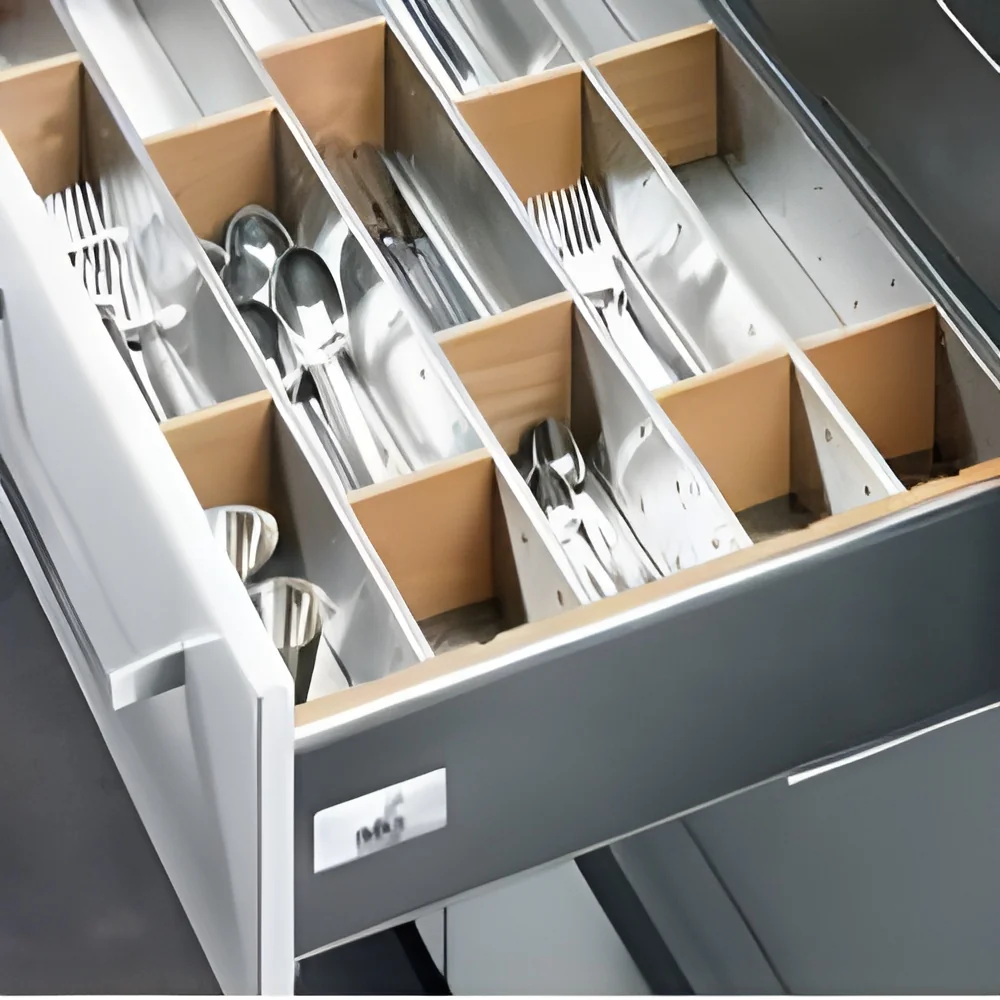
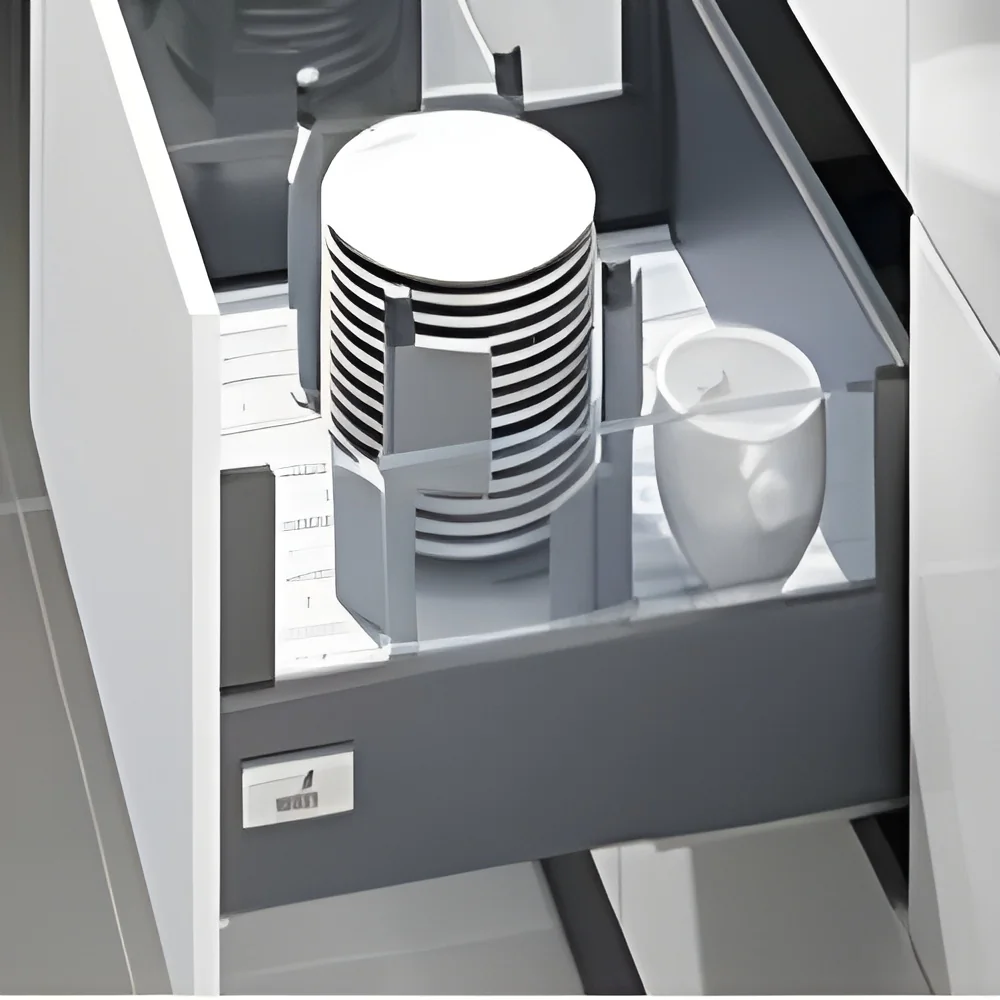
- Multiple compartments for different types of cutlery
- Adjustable dividers available for flexibility
4. Weight Capacity
- Designed to hold a significant weight without bending or breaking
- Specific weight limits vary by model
5. Easy Cleaning
- Surface finishes that allow for quick and easy cleaning
- Dishwasher-safe options may be available
6. Anti-Slip Features
- Rubberized bottoms or non-slip materials to prevent movement
- Ensures stability during use
7. Aesthetic Design
- Available in various colors and styles to match kitchen decor
- Modern designs enhance the overall look of storage areas
8. Environmental Considerations
- Made from recyclable materials
- Compliant with eco-friendly standards
These features collectively offer a robust solution for organizing cutlery and utensils, making them a valuable addition to any workspace.
Common Applications and Use Cases
Cutlery trays and drawer dividers find their applications across various industries, enhancing organization and efficiency.
1. Restaurant Industry: These trays are essential in kitchens where chefs require quick access to utensils. They help streamline food preparation processes by keeping tools organized.
2. Catering Services: Caterers benefit from portable cutlery trays that allow easy transport and setup at events. The compartments help in maintaining order during high-paced service situations.
3. Hospitality Sector: Hotels often use these products in their dining facilities to ensure that cutlery is neatly arranged for guests. This enhances the dining experience and promotes cleanliness.
4. Food Processing Plants: In environments where hygiene is critical, cutlery trays help keep utensils separate and easily sanitized. This aids in compliance with health regulations.
5. Residential Use: Homeowners utilize cutlery trays in kitchen drawers to keep silverware organized, promoting a clutter-free environment.
6. Office Cafeterias: Cutlery trays are used in break rooms to make dining areas more efficient and organized, enhancing employee satisfaction.
7. Schools and Institutions: Cafeterias can benefit from these trays by ensuring that utensils are readily available and organized for students and staff.
Product Variants and Subcategories
Cutlery trays and drawer dividers come in various designs to meet specific needs, offering diversity in functionality and style.
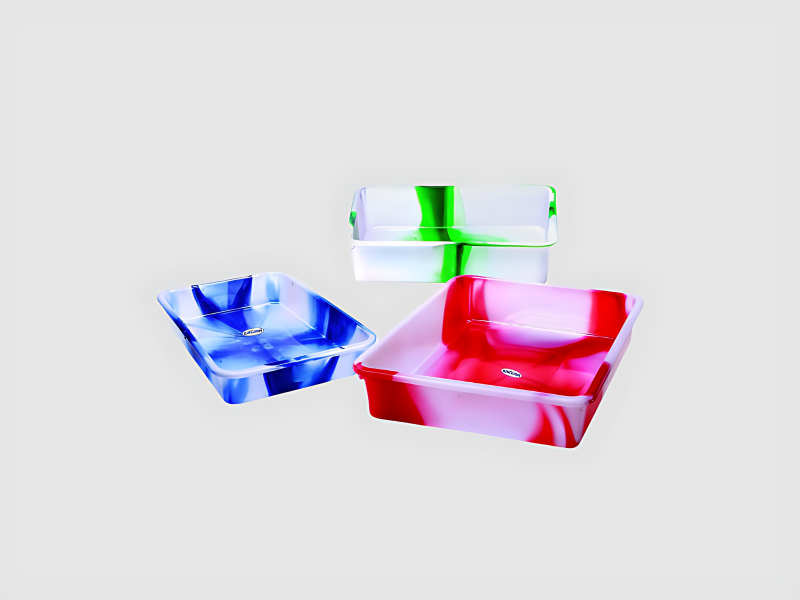
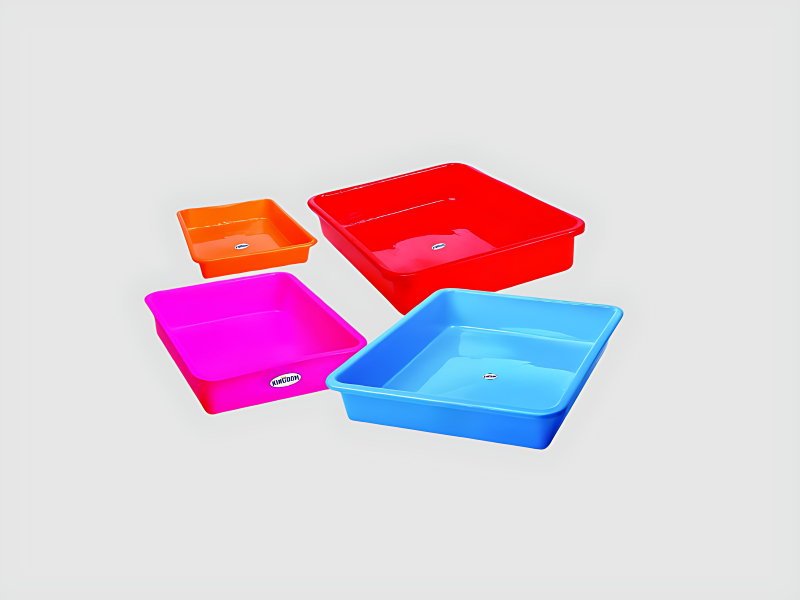
Plastic Cutlery Tray: This variant is lightweight and easy to clean, making it ideal for busy kitchens. It often features multiple compartments and is available in various colors.
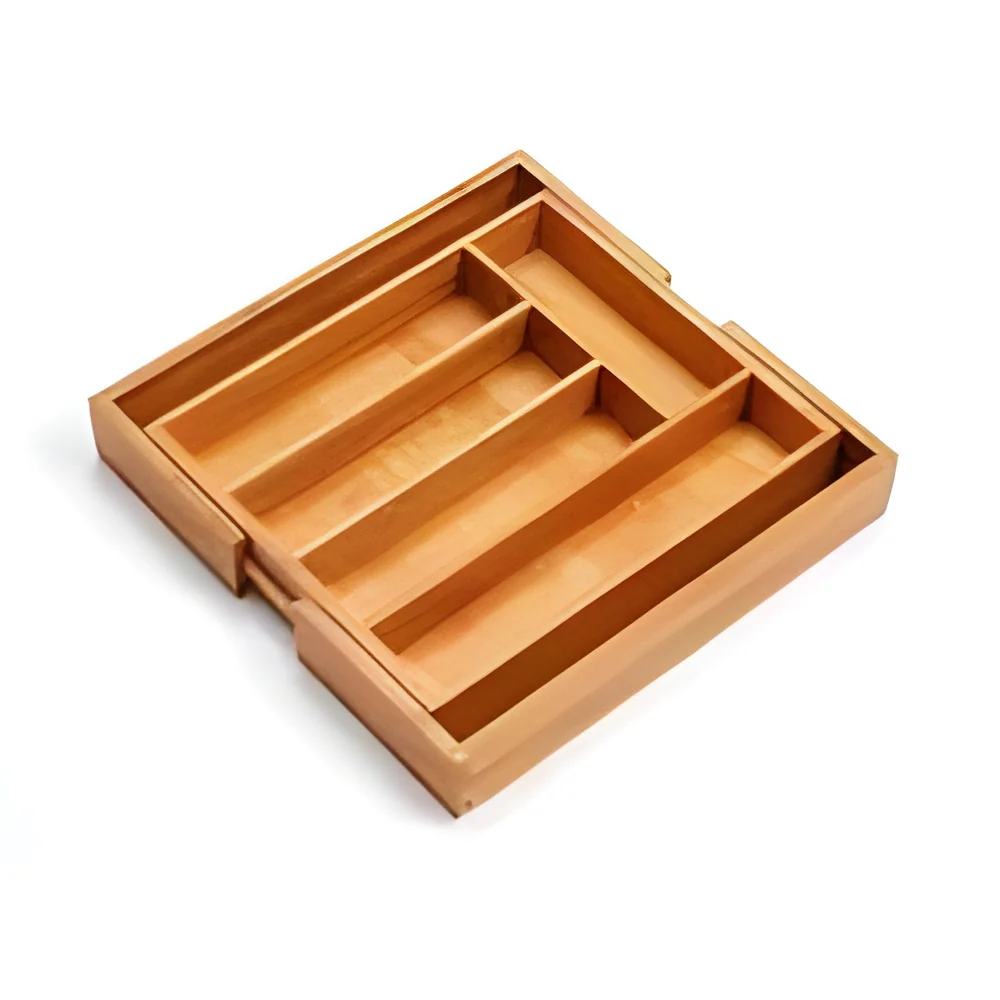
Wooden Cutlery Divider: Known for its aesthetic appeal, this option is suitable for upscale dining environments. It provides a classic look while maintaining durability and functionality.
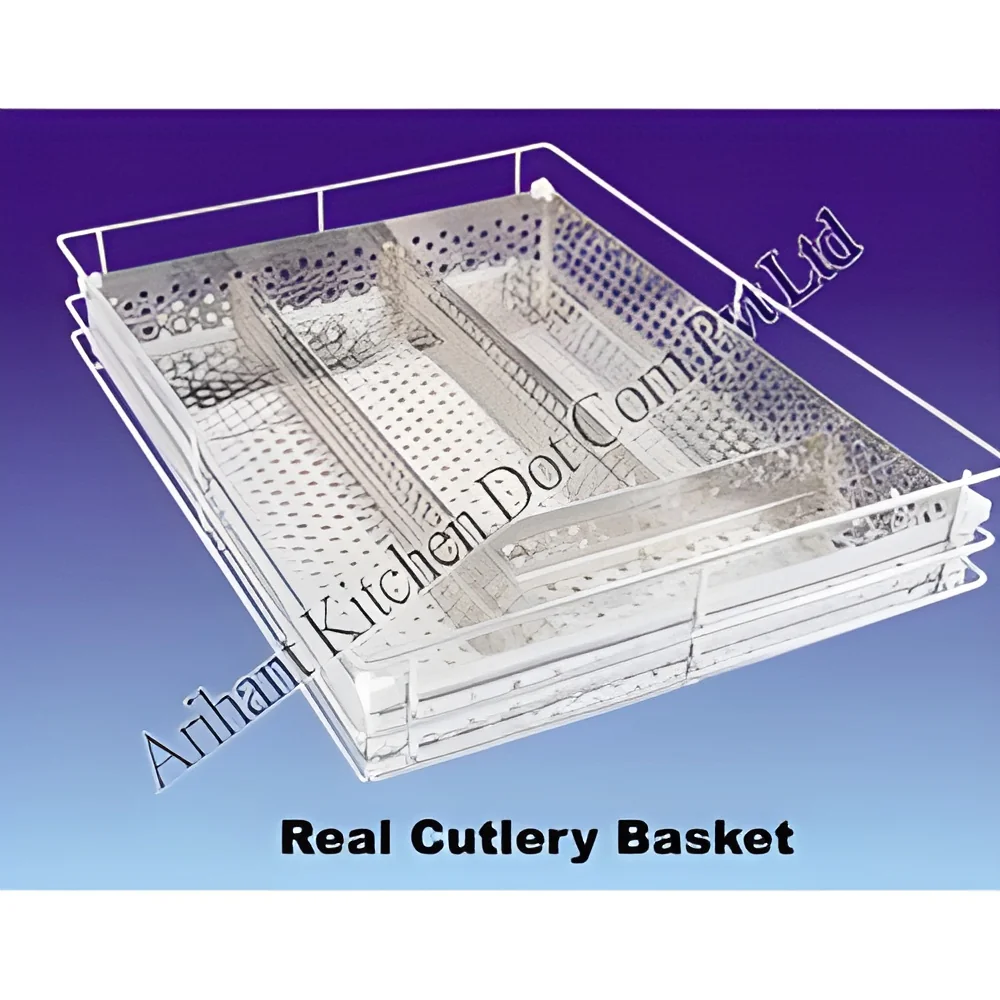
Metal Drawer Divider: These dividers are robust and ideal for industrial settings. They offer a high weight capacity and are resistant to damage from heavy utensils.
Expandable Tray: This design allows users to adjust the size, accommodating different drawer widths. It is versatile and perfect for various storage needs.
Benefits and Advantages
The advantages of using cutlery trays and drawer dividers extend beyond mere organization.
1. Enhanced Efficiency: By keeping utensils organized, users can locate items quickly, reducing preparation time in busy environments.
2. Improved Hygiene: These products help maintain cleanliness by separating utensils, minimizing the risk of cross-contamination.
3. Space Optimization: Cutlery trays maximize drawer space, allowing for better use of limited storage areas in kitchens and workspaces.
4. Durability: Made from high-quality materials, these trays are designed to withstand daily use without degrading.
5. Customization Options: Many manufacturers offer tailored solutions to meet specific business needs, ensuring that products fit perfectly in designated spaces.
6. Aesthetic Improvement: Available in various designs, cutlery trays can enhance the visual appeal of kitchens and dining areas.
Buying Guide for B2B Buyers
When sourcing cutlery trays and drawer dividers, several key factors should be considered to ensure the right choice.
1. Quality Assessment: Evaluate the materials used in the trays and dividers. Look for products that are durable and resistant to wear.
2. Supplier Verification: It's important to vet suppliers for reliability and reputation. Check for reviews and industry certifications to ensure quality.
3. Pricing and MOQ: Understand the cost structure and minimum order quantities. This helps in budgeting and ensures a good return on investment.
4. Delivery and Lead Times: Factor in logistics when making a purchase. Ensure suppliers can meet your timeframes for delivery to avoid operational delays.
5. Compliance Requirements: Be aware of any industry-specific regulations that the products must meet. Ensure suppliers comply with relevant standards.
Compliance and Certifications
Cutlery trays and drawer dividers must adhere to various compliance standards to ensure quality and safety.
ISO 9001: This quality management standard ensures that manufacturers maintain consistent quality in their products and services.
HACCP: In the food industry, adherence to Hazard Analysis Critical Control Point (HACCP) guidelines is crucial for ensuring food safety.
CE Certification: Products that carry the CE mark comply with European safety standards, indicating they meet health, safety, and environmental protection requirements.
Safety and Testing Requirements: Manufacturers often conduct rigorous testing to ensure their products are safe for food contact and use in industrial settings.
Regional Compliance Considerations: Depending on the market, different regions may have specific compliance and safety standards that need to be followed.
Why Source Cutlery Trays & Drawer Dividers from Pepagora?
Pepagora offers a trusted platform for sourcing cutlery trays and drawer dividers, providing several key advantages to buyers.
Verified Supplier Network: Pepagora connects buyers with verified suppliers, ensuring that all products meet high standards of quality and reliability. This reduces the risk associated with sourcing.
Streamlined RFQ Process: The request for quotation process on Pepagora is user-friendly, allowing buyers to easily compare options and make informed decisions without unnecessary delays.
Trade Assurance and Support: Buyers are protected through trade assurance, ensuring that transactions are secure and backed by customer support, enhancing confidence in purchases.
Regional Coverage: Pepagora has a broad geographic reach, serving markets in India, GCC, and Southeast Asia. This allows buyers to access a diverse range of products and suppliers tailored to their specific needs.




 India

 India
 India
Frequently Asked Questions
What are Cutlery Trays & Drawer Dividers?
Cutlery trays and drawer dividers are organizational tools designed to keep utensils and kitchenware sorted within drawers. They help maximize space and improve accessibility, ensuring that items are easy to find when needed.
What are the different types of Cutlery Trays & Drawer Dividers?
There are several types of cutlery trays and drawer dividers, including plastic, wooden, and metal options. They can come in various designs, such as expandable trays, compartmentalized trays, and adjustable dividers, catering to different drawer sizes and user needs.
How do I choose the right Cutlery Trays & Drawer Dividers?
To choose the right cutlery trays and drawer dividers, consider the size of your drawer, the type of utensils you need to store, and the material that best suits your kitchen's design. It's also important to look for trays with compartments that can accommodate various utensil sizes.
What are the standard specifications for Cutlery Trays & Drawer Dividers?
Standard specifications for cutlery trays and drawer dividers typically include dimensions such as length, width, and height, as well as the number of compartments. Additionally, specifications may cover the materials used, weight capacity, and whether the trays are stackable or modular.
What is the price range for Cutlery Trays & Drawer Dividers?
The price range for cutlery trays and drawer dividers can vary significantly based on material, size, and brand. Generally, you can expect to pay anywhere from INR 200 to INR 2,000 or more per unit, depending on the quality and features offered.
What quality standards apply to Cutlery Trays & Drawer Dividers?
Quality standards for cutlery trays and drawer dividers often include durability, resistance to wear and tear, and safety in terms of food-grade materials. Products may also be subject to industry certifications that ensure they meet specific manufacturing and safety guidelines.
Where can I find Cutlery Trays & Drawer Dividers suppliers in India?
You can find cutlery trays and drawer dividers suppliers in India through online B2B marketplaces, local kitchenware stores, and trade shows. Platforms like Pepagora.com offer a wide range of suppliers, making it easy to compare products and prices.
Can Cutlery Trays & Drawer Dividers be customized?
Yes, many manufacturers offer customization options for cutlery trays and drawer dividers. Customization may include specific dimensions, colors, or features tailored to meet the unique needs of businesses and individual customers.
What is the typical minimum order quantity for Cutlery Trays & Drawer Dividers?
The typical minimum order quantity (MOQ) for cutlery trays and drawer dividers can vary by supplier, but it generally ranges from 50 to 100 units. It's advisable to check with individual suppliers for their specific MOQ requirements.
What is the typical lead time for Cutlery Trays & Drawer Dividers?
The typical lead time for cutlery trays and drawer dividers can range from a few days to several weeks, depending on the supplier, order quantity, and whether the items are in stock or need to be manufactured. It's best to confirm the lead time with the supplier at the time of order.
Why Businesses Trust Pepagora
Thousands of companies trust Pepagora to source smarter and sell faster
Expand Your Sales Globally

Source Smarter,Grow Faster
