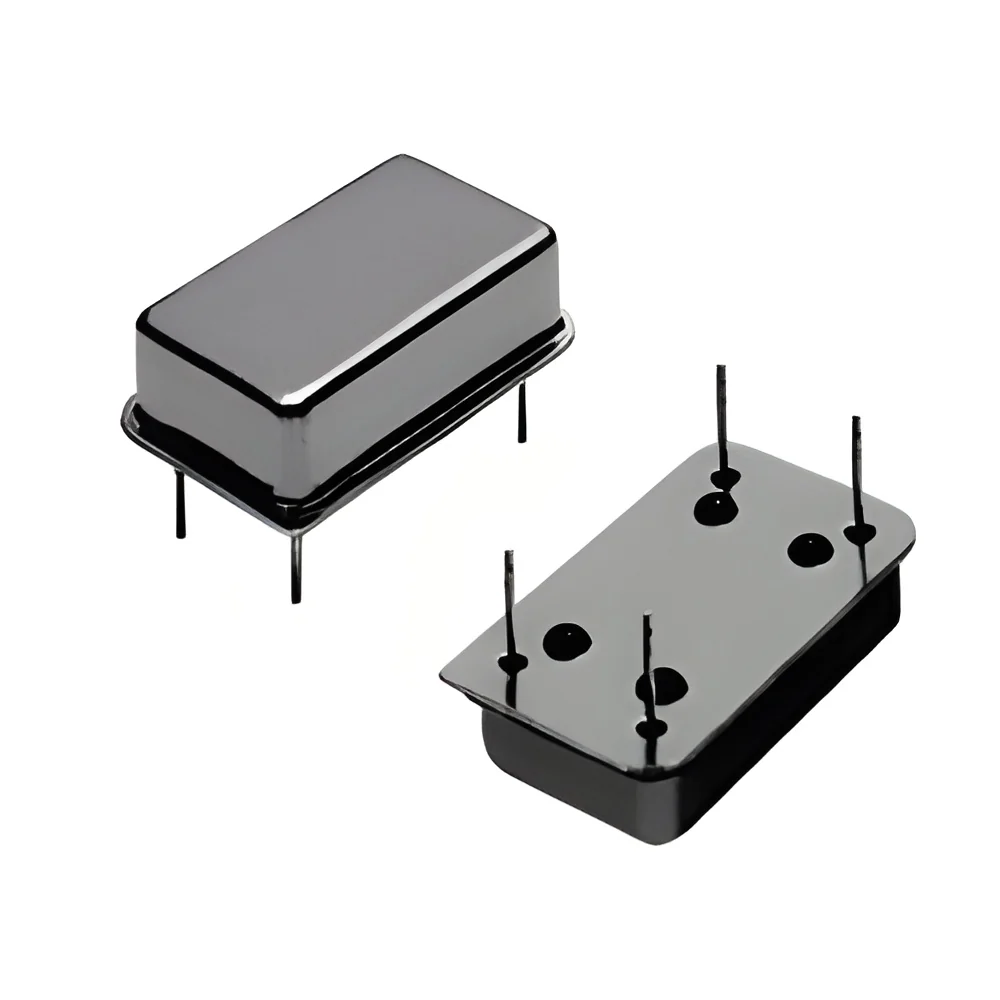
What are Crystal Oscillators?
Crystal oscillators are electronic circuits that utilize the mechanical resonance of a vibrating crystal to create an electrical signal with a precise frequency. This frequency is determined by the physical dimensions and material properties of the crystal, typically quartz. They are widely recognized for their stability and accuracy in generating frequencies, making them essential components in various electronic devices.
The primary uses of crystal oscillators span multiple industries, ranging from telecommunications to consumer electronics. They are crucial in providing clock signals for digital circuits, ensuring synchronization in devices such as smartphones, computers, and GPS systems. With the increasing demand for precise timing in communication systems and data processing applications, crystal oscillators have gained significant importance in the market, supporting advancements in technology.
As industries continue to evolve, the relevance of crystal oscillators remains high. They are integral to the functioning of modern electronic systems, and their demand is projected to grow in line with the advancements in Internet of Things (IoT) and wireless communication technologies. This positions crystal oscillators as a vital component in the ongoing development of innovative electronic solutions.
Key Features and Specifications
Crystal oscillators are characterized by several key features that define their performance and suitability for various applications. Understanding these specifications is crucial for selecting the right oscillator for specific needs.
Key specifications include:
1. Frequency Range
- Typically ranges from a few kilohertz to several gigahertz.
- Determines the applications for which the oscillator can be used.
2. Supply Voltage
- Common supply voltages include 3.3V, 5V, and 12V.
- Affects power consumption and compatibility with different circuits.
3. Frequency Stability
- Stability can be expressed in parts per million (ppm).
- Indicates how much the frequency can vary with temperature and load.
4. Operating Temperature Range
- Standard ranges include -40°C to +85°C and -20°C to +70°C.
- Important for applications in extreme environments.
5. Output Waveform
- Common types include sine wave and square wave.
- Determines the waveform characteristics required by the application.
6. Load Capacitance
- Typical values range from 10pF to 30pF.
- Essential for ensuring proper operation in the intended circuit.
7. Aging Rate
- Measured in ppm per year.
- Indicates how much the frequency drifts over time.
8. Package Type
- Common package types include HC-49, SMD, and metal can.
- Influences the physical space required on a circuit board.
In summary, understanding these features and specifications is crucial for selecting a crystal oscillator that meets the requirements of your specific application.
Common Applications and Use Cases
Crystal oscillators are utilized across various industries, each with specific applications tailored to their needs.
1. Telecommunications: Crystal oscillators provide precise timing for data transmission and synchronization in cellular networks, satellite communications, and broadband systems.
2. Consumer Electronics: These oscillators are found in devices such as smartphones, tablets, and digital cameras, ensuring accurate clock signals for processing and data management.
3. Automotive: In vehicles, crystal oscillators help control electronic systems, including navigation, infotainment, and engine management systems, enhancing functionality and performance.
4. Industrial Automation: They are critical in automation systems, providing reliable timing for sensors, controllers, and communication networks used in manufacturing processes.
5. Medical Devices: Crystal oscillators support the functionality of various medical instruments, ensuring accurate data measurement and processing in diagnostic and monitoring devices.
6. Aerospace: In aerospace applications, crystal oscillators are employed in navigation and communication systems, where precision and reliability are paramount.
7. Defense: These oscillators are used in military communications equipment and radar systems, providing essential timing and synchronization for mission-critical operations.
Product Variants and Subcategories
Crystal oscillators come in various configurations to meet different application needs. This diversity ensures that businesses can find a suitable solution regardless of their requirements.
Standard Crystal Oscillator
This is the most common type, used in a wide range of applications. It offers reliable performance and stability, making it suitable for consumer electronics and general-purpose applications.
Temperature Compensated Crystal Oscillator (TCXO)
TCXOs provide improved frequency stability over a broader temperature range. They are particularly useful in telecommunications and GPS applications where precise timing is crucial.
Voltage Controlled Crystal Oscillator (VCXO)
VCXOs allow for frequency adjustments by varying the input voltage. This feature is beneficial in applications requiring fine-tuning of frequency, such as in phase-locked loops.
Ultra-Low Power Crystal Oscillator
Designed for battery-operated devices, these oscillators provide reliable performance while minimizing energy consumption, making them ideal for IoT and portable electronics.
Benefits and Advantages
Choosing crystal oscillators offers several significant advantages for businesses.
1. High Precision: Crystal oscillators provide accurate frequency generation, essential for applications requiring synchronization.
2. Stability: They maintain frequency stability over varying temperatures and environmental conditions, ensuring consistent performance.
3. Low Power Consumption: Many crystal oscillators are designed to operate efficiently, reducing energy costs in battery-operated devices.
4. Versatility: With various types and specifications available, crystal oscillators can be tailored to meet diverse application requirements.
5. Reliability: The inherent reliability of crystal oscillators makes them suitable for mission-critical applications across various industries.
6. Long Lifespan: High-quality crystal oscillators typically have a long operational life, reducing the need for frequent replacements.
Buying Guide for B2B Buyers
When sourcing crystal oscillators, several factors should be considered to ensure the right choice for your business needs.
1. Quality Assessment: Look for suppliers that adhere to stringent quality standards. This often includes certifications like ISO 9001, ensuring that the products meet industry benchmarks.
2. Supplier Verification: Vet potential suppliers thoroughly to confirm their reliability and capacity to deliver. Consider their reputation, customer reviews, and professional affiliations.
3. Pricing and MOQ: Understand the pricing structure and minimum order quantities (MOQ). Ensure that the pricing aligns with your budget while factoring in the total cost of ownership.
4. Delivery and Lead Times: Evaluate the supplier's logistics capabilities and typical lead times. Ensure they can meet your project timelines without compromising quality.
5. Compliance Requirements: Confirm that the oscillators meet necessary compliance and regulatory requirements for your industry. This may include specific safety standards and certifications.
Compliance and Certifications
Crystal oscillators must adhere to relevant quality standards and certifications, ensuring safety and performance in various applications. Key standards include ISO 9001, which emphasizes quality management systems, and CE marking, indicating compliance with European health and safety standards.
Manufacturers often implement rigorous testing protocols to validate the performance and safety of their crystal oscillators. These tests cover aspects like frequency stability, temperature performance, and electrical characteristics.
Moreover, businesses should consider regional compliance requirements, especially when sourcing from international suppliers. Different regions may have specific regulations that need to be met to ensure the safe and effective use of crystal oscillators in their intended applications.
Why Source Crystal Oscillators from Pepagora?
Pepagora provides a trusted platform for sourcing crystal oscillators, offering several key advantages that simplify the procurement process for businesses.
Verified Supplier Network: Pepagora has established a rigorous vetting process for suppliers, ensuring that buyers have access to reliable and reputable manufacturers. This reduces the risk associated with sourcing components.
Streamlined RFQ Process: The platform features an efficient Request for Quotation (RFQ) system, allowing buyers to easily submit their requirements and receive competitive quotes from multiple suppliers. This saves time and enhances the purchasing experience.
Trade Assurance and Support: Pepagora offers trade assurance and buyer protection services, providing peace of mind when making purchases. This includes support for resolving disputes and ensuring that transactions are secure.
Regional Coverage: With a strong presence in India, the GCC, and Southeast Asia, Pepagora connects buyers with suppliers across these regions. This geographic reach facilitates access to a diverse range of crystal oscillators tailored to various industrial needs.

 IN
IN

 India
India