
 IN
Cosmetic Thermoformed Packaging
1 products available
What are Cosmetic Thermoformed Packaging?
Cosmetic thermoformed packaging refers to a manufacturing process that involves heating plastic sheets until they become pliable, then forming them into specific shapes to create packaging solutions for cosmetic products. This process allows for detailed and intricate designs, making it ideal for various cosmetic items, including creams, powders, and liquids. The thermoforming process not only provides functional packaging but also enhances the aesthetic appeal, which is crucial in the competitive cosmetics market.
The primary uses of cosmetic thermoformed packaging include protective containers for individual products, as well as multi-packs and display trays for retail settings. Businesses often choose this packaging method for its versatility and ability to accommodate a wide range of product shapes and sizes. As beauty and personal care products continue to grow in popularity, the demand for effective and visually appealing packaging options has increased, making thermoformed solutions a vital component in the industry.
In the current market context, cosmetic thermoformed packaging plays a significant role in branding and product differentiation. With the rise of e-commerce and the need for sustainable packaging solutions, manufacturers are continuously innovating to meet the latest consumer preferences and regulatory standards, ensuring that thermoformed packaging remains relevant and competitive.
Key Features and Specifications
Cosmetic thermoformed packaging comes with several key features that enhance its functionality and appeal. These features are designed to meet the specific needs of the cosmetic industry, ensuring that products are stored and displayed effectively.
Key specifications include:
1. Material Composition
- Typically made from PET, PVC, or PS.
- These materials are chosen for their durability and clarity.
2. Thickness Range
- Available in various thicknesses, commonly between 0.3 mm to 1.5 mm.
- Thickness can affect durability and flexibility.
3. Design Flexibility
- Custom shapes and sizes can be created to meet product requirements.
- Allows for intricate designs that enhance branding.
4. Barrier Properties
- Offers protection against moisture, light, and contaminants.
- Essential for preserving product integrity.
5. Printing Options
- Capable of high-quality printing for branding and information.
- Options for both direct printing and labeling.
6. Recyclability
- Many thermoformed options are recyclable, aligning with sustainability goals.
- Encourages eco-friendly practices in packaging.
7. Cost Efficiency
- Suitable for large production runs, reducing per-unit costs.
- Helps in achieving cost-effective packaging solutions.
8. Customization Potential
- Opportunities for bespoke designs to match client specifications.
- Enhances product visibility on retail shelves.
Overall, the combination of these features makes cosmetic thermoformed packaging a practical choice for brands seeking effective packaging solutions.
Common Applications and Use Cases
Cosmetic thermoformed packaging serves a wide range of industries, reflecting its versatility and adaptability.
1. Skincare Industry: This packaging is widely used for creams, serums, and lotions to provide protection and maintain product integrity.
2. Makeup Industry: It is commonly found in packaging for powders, foundations, and lip products, allowing for unique shapes and branding opportunities.
3. Fragrance Industry: Thermoformed packaging is used for bottles and display trays, enhancing the presentation of perfumes and colognes.
4. Hair Care Industry: Packaging for shampoos, conditioners, and styling products often utilizes thermoformed solutions to ensure durability.
5. Personal Care Industry: Items such as deodorants and body washes frequently benefit from the protective qualities of thermoformed containers.
6. Health and Wellness: Packaging for supplements and skincare devices can also utilize thermoformed options for effective presentation.
7. Specialty Products: Custom applications for niche markets, such as organic or vegan cosmetics, can be accommodated with tailored designs.
Product Variants and Subcategories
Cosmetic thermoformed packaging offers a variety of options to meet different market needs. While specific subcategories may not be available, the diversity of designs allows for tailored solutions.
Tray Packaging: This variant is designed to hold multiple products securely. Perfect for retail displays, these trays offer visibility and ease of access for consumers.
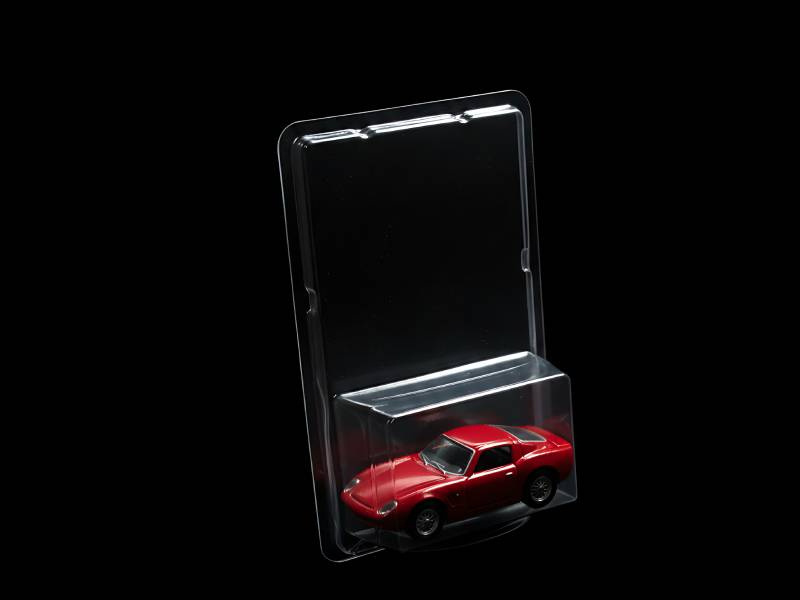
Blister Packaging: A common choice for individual products, blister packaging protects items while showcasing them effectively. This variant is popular for single-use cosmetic items.
Clamshell Packaging: This type allows for easy opening and resealing, making it ideal for products that may require repeated use. Clamshells are often used for larger items or sets.
Stackable Containers: Designed for efficient storage and display, stackable containers maximize retail space while providing product protection.
Benefits and Advantages
Choosing cosmetic thermoformed packaging offers several benefits that can enhance product appeal and operational efficiency.
Key benefits include:
1. Enhanced Visibility: The clear materials used in thermoformed packaging showcase products effectively, attracting consumer attention.
2. Custom Branding Opportunities: The ability to create tailored designs allows brands to stand out in a competitive market.
3. Improved Product Protection: The sturdy materials provide resistance to impacts, moisture, and light, ensuring product quality.
4. Cost-Effective Solutions: Thermoforming is efficient for large production runs, helping businesses reduce costs while maintaining quality.
5. Eco-Friendly Options: Many thermoformed products are recyclable, supporting sustainability initiatives within the industry.
6. Versatile Applications: The adaptability of thermoformed packaging allows for use across various cosmetic categories, meeting diverse consumer needs.
Buying Guide for B2B Buyers
When sourcing cosmetic thermoformed packaging, it is essential to consider several factors to ensure the best fit for your business needs.
1. Quality Assessment: Evaluate the material quality and production processes to ensure compliance with industry standards. Look for samples to assess durability and appearance.
2. Supplier Verification: Vet suppliers through references, reviews, and certifications to ensure they have a reliable track record and meet your quality expectations.
3. Pricing and MOQ: Understand the pricing structures and minimum order quantities. Compare quotes from different suppliers to find competitive rates.
4. Delivery and Lead Times: Discuss logistics and delivery schedules to ensure that your products arrive on time to meet your production timelines.
5. Compliance Requirements: Ensure that the packaging meets relevant regulatory standards and certifications to avoid issues in distribution.
Compliance and Certifications
Compliance and certifications are critical for cosmetic thermoformed packaging, ensuring that products meet industry standards and safety requirements.
Relevant quality standards include ISO 9001, which focuses on quality management systems, ensuring that manufacturers maintain consistent quality throughout production. HACCP (Hazard Analysis Critical Control Point) is essential for identifying and managing potential hazards in packaging processes, particularly for products requiring safety and hygiene.
CE certification demonstrates that the packaging meets European health, safety, and environmental protection standards, which is increasingly important for brands aiming to enter international markets. Companies must also adhere to safety and testing requirements, ensuring that materials used in packaging do not pose risks to consumers.
Regional compliance considerations may vary, necessitating an understanding of local regulations to ensure that products are compliant in different markets. This attention to compliance helps build trust in your brand and secures consumer safety.
Why Source Cosmetic Thermoformed Packaging from Pepagora?
Pepagora provides a trusted platform for sourcing cosmetic thermoformed packaging, offering several key advantages that can benefit businesses in the cosmetic industry.
Verified Supplier Network: Pepagora connects buyers with a network of verified suppliers, ensuring that companies can find reliable partners who meet their quality and compliance standards. This reduces the risk associated with sourcing and enhances confidence in the procurement process.
Streamlined RFQ Process: The platform features a streamlined request for quotation (RFQ) process, making it easy for buyers to obtain quotes from multiple suppliers. This efficiency allows businesses to compare options and make informed decisions quickly.
Trade Assurance and Support: Pepagora offers trade assurance, providing buyers with protection throughout the sourcing process. This support helps mitigate risks related to payment and delivery, fostering a secure purchasing environment.
Regional Coverage: With a strong presence in India, the GCC, and Southeast Asia, Pepagora provides extensive regional coverage that allows businesses to access a diverse range of suppliers and products. This geographic reach ensures that buyers can find solutions tailored to their specific market needs.



Frequently Asked Questions
What are Cosmetic Thermoformed Packaging?
Cosmetic Thermoformed Packaging refers to a manufacturing process where plastic sheets are heated and formed into specific shapes to create packaging for cosmetic products. This type of packaging is designed to provide an attractive and protective solution for items such as creams, powders, and lotions.
What are the different types of Cosmetic Thermoformed Packaging?
The different types of Cosmetic Thermoformed Packaging include blisters, trays, clamshells, and custom shapes. Each type serves specific purposes and can be tailored to house various cosmetic products securely and appealingly.
How do I choose the right Cosmetic Thermoformed Packaging?
To choose the right Cosmetic Thermoformed Packaging, consider factors such as the type of product, shelf life requirements, and branding needs. Additionally, evaluate the packaging's functionality and how well it protects the product during transportation and display.
What are the standard specifications for Cosmetic Thermoformed Packaging?
Standard specifications for Cosmetic Thermoformed Packaging typically include material thickness, dimensions, and weight tolerance. Additionally, compliance with safety and environmental regulations is crucial for ensuring the packaging is suitable for cosmetic products.
What is the price range for Cosmetic Thermoformed Packaging?
The price range for Cosmetic Thermoformed Packaging can vary widely based on factors such as material type, design complexity, and quantity ordered. Generally, prices can range from a few cents to several dollars per unit, depending on customization and production scale.
What quality standards apply to Cosmetic Thermoformed Packaging?
Quality standards for Cosmetic Thermoformed Packaging include compliance with regulatory guidelines such as ISO and FDA standards. It is essential for the packaging to be free from harmful substances and to ensure that it does not react with the cosmetic product.
Where can I find Cosmetic Thermoformed Packaging suppliers in India?
You can find Cosmetic Thermoformed Packaging suppliers in India through online B2B marketplaces like Pepagora, industry trade shows, and local directories. Researching and comparing suppliers based on reviews and product offerings can help you identify reliable manufacturers.
Can Cosmetic Thermoformed Packaging be customized?
Yes, Cosmetic Thermoformed Packaging can be customized in terms of shape, size, color, and branding elements. Many manufacturers offer customization options to meet specific product requirements and to enhance brand visibility.
What is the typical minimum order quantity for Cosmetic Thermoformed Packaging?
The typical minimum order quantity (MOQ) for Cosmetic Thermoformed Packaging varies by manufacturer, but it often ranges from 1,000 to 10,000 units. It is advisable to discuss MOQs with suppliers to find options that best suit your business needs.
What is the typical lead time for Cosmetic Thermoformed Packaging?
The typical lead time for Cosmetic Thermoformed Packaging can range from 2 to 6 weeks, depending on the complexity of the design and the manufacturer's production capacity. It's essential to communicate your timeline requirements with suppliers to ensure timely delivery.
Why Businesses Trust Pepagora
Thousands of companies trust Pepagora to source smarter and sell faster
Expand Your Sales Globally

Source Smarter,Grow Faster
