
 IN
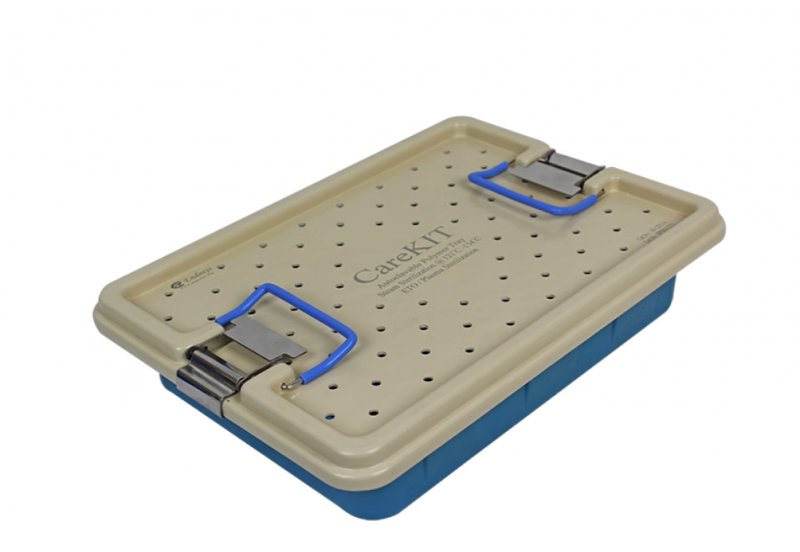
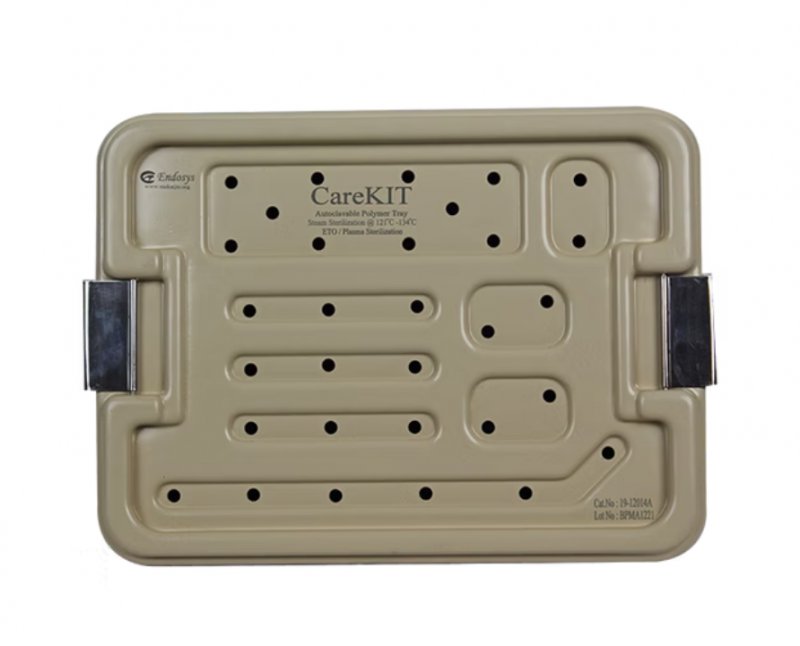
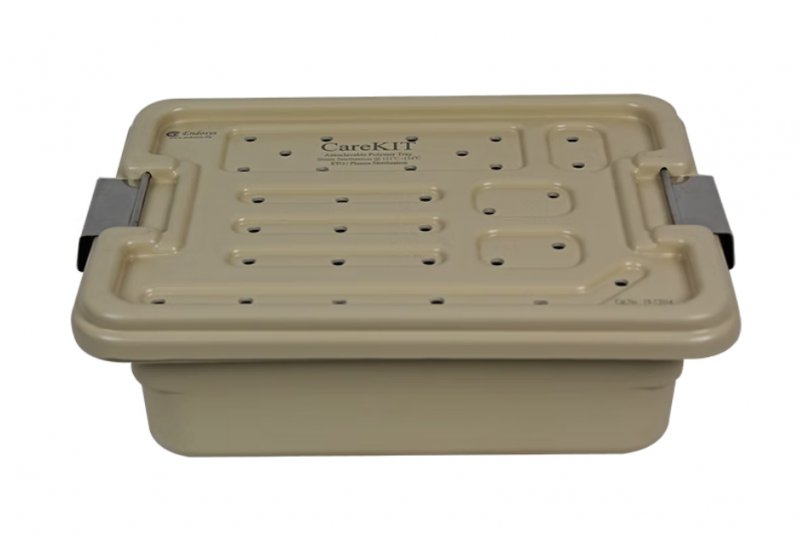
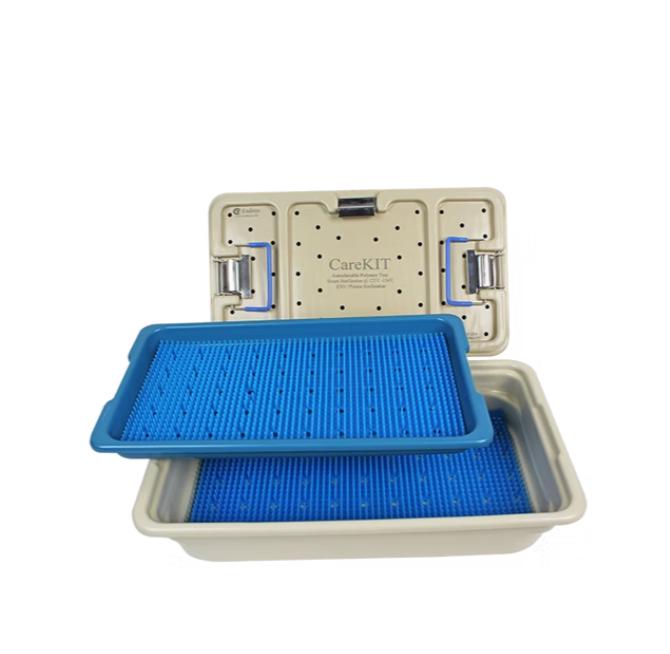
Compartmental Thermoformed Trays
4 products available
What are Compartmental Thermoformed Trays?
Compartmental thermoformed trays are specialized containers made from thermoplastic materials, designed to hold and organize various items within distinct compartments. These trays are produced through a thermoforming process, where sheets of plastic are heated until pliable and then molded into specific shapes. The compartments within the trays allow for efficient organization, ensuring that items are kept separate and secure during transportation or storage.
These trays find primary application across a multitude of industries, including food service, pharmaceuticals, electronics, and automotive. In food service, they are used for meal preparation and distribution, while in pharmaceuticals, they help in organizing and protecting sensitive medical supplies. The versatility of compartmental thermoformed trays makes them an essential tool in any business that requires organized storage or transportation solutions.
In today’s market, the demand for compartmental thermoformed trays continues to grow as businesses seek to improve efficiency and reduce waste. Their lightweight nature, coupled with the ability to customize sizes and shapes, makes them relevant across various sectors. The increasing emphasis on sustainability and the reduction of single-use packaging further boosts the appeal of these reusable trays, solidifying their importance in modern industrial applications.
Key Features and Specifications
Compartmental thermoformed trays come with a range of features and specifications tailored to meet diverse business needs. They are designed to be durable and lightweight, offering an effective solution for organizing and transporting goods.
Key specifications include:
1. Material Type
- Made from high-quality thermoplastic materials
- Options available for food-grade and non-food-grade plastics
2. Compartment Configuration
- Multiple compartments available in various sizes
- Custom configurations to suit specific items or requirements
3. Temperature Resistance
- Capable of withstanding a range of temperatures
- Suitable for both hot and cold applications
4. Weight Capacity
- Designed to support a significant weight without compromising integrity
- Varies based on design specifications
5. Surface Finish
- Available in smooth or textured finishes
- Textured surfaces can provide better grip and stability
6. Customization Options
- Ability to print logos or labels directly on the trays
- Color options available to match branding needs
7. Sustainability Features
- Made from recyclable materials
- Options for biodegradable materials available
8. Compliance Standards
- Compliant with industry standards such as CE for safety
- Adheres to relevant quality standards for specific industries
These features enhance the functionality and usability of compartmental thermoformed trays, making them a smart choice for businesses looking to optimize their storage and transportation processes.
Common Applications and Use Cases
Compartmental thermoformed trays serve various industries, providing tailored solutions for their unique needs.
1. Food Service: In the food industry, these trays are used for meal preparation, portion control, and efficient distribution in catering and restaurant settings.
2. Pharmaceuticals: They are essential for organizing medications and medical supplies, ensuring that items are safely stored and easily accessible in healthcare environments.
3. Electronics: In the electronics sector, compartmental trays protect delicate components during shipping and help in inventory management within manufacturing facilities.
4. Automotive: These trays assist in organizing automotive parts, making assembly processes more efficient and reducing the risk of damage during transport.
5. Retail: Retailers use compartmental trays for organizing merchandise in displays and storage areas, enhancing product visibility and accessibility.
6. Agriculture: In agricultural settings, these trays can be used for seed storage and transportation, helping to keep seeds organized and protected.
7. Manufacturing: They are utilized in various manufacturing processes to streamline workflows and reduce handling times, contributing to overall production efficiency.
Product Variants and Subcategories
Compartmental thermoformed trays are available in various forms to meet specific operational needs.
Standard Compartmental Tray
This variant features multiple compartments of uniform size, ideal for general storage and transportation of small items. Its robust design ensures durability while providing efficiency in sorting and organizing.
Custom Compartmental Tray
Designed to meet unique specifications, this variant allows businesses to create trays tailored to their specific requirements. Custom configurations can include varying compartment sizes and shapes, accommodating a wide range of items.
Stackable Compartmental Tray
This variant is designed for space efficiency, allowing trays to be stacked during storage and transport. The design ensures stability and prevents shifting, making it ideal for warehouses and distribution centers.
Benefits and Advantages
Compartmental thermoformed trays offer numerous benefits for businesses seeking efficient storage and transportation solutions.
1. Improved Organization: The individual compartments allow for clear organization of items, reducing clutter and enhancing workflow efficiency.
2. Cost-Effectiveness: By optimizing storage and reducing wasted space, these trays can help lower operational costs, ultimately leading to increased profitability.
3. Customization: The ability to customize sizes, shapes, and colors means businesses can create solutions tailored to their specific needs, enhancing brand identity.
4. Durability: Made from strong thermoplastic materials, these trays are designed to withstand rigorous use while maintaining their integrity.
5. Sustainability: Many options are available in recyclable or biodegradable materials, aligning with environmentally friendly practices.
6. Versatility: The diverse applications across various industries make these trays an adaptable solution for numerous business needs, enhancing their overall utility.
Buying Guide for B2B Buyers
When sourcing compartmental thermoformed trays, businesses should consider several important factors to ensure they select the right product for their needs.
1. Quality Assessment: Evaluate the quality of materials used in the trays. Look for suppliers who adhere to relevant quality standards to ensure durability and safety.
2. Supplier Verification: It is essential to vet suppliers thoroughly. Check for certifications and industry reputation to ensure reliability and quality of the products.
3. Pricing and MOQ: Understand the pricing structures and minimum order quantities required by suppliers. This information is crucial for budgeting and inventory management.
4. Delivery and Lead Times: Inquire about delivery options and lead times to ensure that products can be received when needed. Reliable logistics are essential for maintaining operational efficiency.
5. Compliance Requirements: Be aware of any compliance requirements specific to your industry. Ensure that the trays meet the necessary standards to avoid regulatory issues.
Compliance and Certifications
Compartmental thermoformed trays must adhere to various quality standards and certifications to ensure safety and reliability in their applications.
ISO 9001 is a widely recognized quality management standard that ensures manufacturers follow consistent processes to deliver high-quality products. Compliance with this standard indicates a commitment to quality in production.
HACCP (Hazard Analysis Critical Control Point) is essential for industries dealing with food safety. Trays that meet HACCP guidelines ensure that materials used are safe for food contact and help mitigate risks associated with foodborne illnesses.
CE certification indicates that the product meets European health, safety, and environmental protection standards. This certification is critical for products intended for use in European markets.
Additionally, manufacturers must adhere to safety and testing requirements relevant to their specific industry. This may include material testing for durability and compliance with regional regulations to ensure that products are fit for their intended use.
Why Source Compartmental Thermoformed Trays from Pepagora?
Pepagora provides a trusted platform for sourcing compartmental thermoformed trays that offer several key advantages to B2B buyers.
Verified Supplier Network: Pepagora boasts a robust network of verified suppliers, ensuring that buyers can access high-quality products with minimal risk. Each supplier undergoes a thorough vetting process, providing peace of mind when making purchases.
Streamlined RFQ Process: The platform simplifies the request for quotation process, allowing businesses to easily compare prices and specifications from multiple suppliers. This efficiency helps buyers make informed purchasing decisions quickly.
Trade Assurance and Support: With trade assurance programs, Pepagora offers buyer protection to minimize risks associated with transactions. Dedicated support teams are available to assist buyers throughout the purchasing process, ensuring a smooth experience.
Regional Coverage: Pepagora has a strong geographic presence in India, the GCC, and Southeast Asia, facilitating access to a diverse range of suppliers and products. This regional coverage allows businesses to source compartmental thermoformed trays that meet their specific requirements effectively.

 India
 India
Frequently Asked Questions
What are Compartmental Thermoformed Trays?
Compartmental Thermoformed Trays are specially designed trays manufactured through the thermoforming process, which involves heating plastic sheets and shaping them into specific forms. These trays feature multiple compartments, making them suitable for organizing and packaging various items, such as food, medical supplies, and electronic components.
What are the different types of Compartmental Thermoformed Trays?
Compartmental Thermoformed Trays come in various types, including those designed for food packaging, medical applications, and industrial uses. They can vary in size, shape, and compartment configuration to suit specific needs. Common types include partitioned trays for snacks, trays for pharmaceuticals, and multi-use trays for electronics.
How do I choose the right Compartmental Thermoformed Trays?
Choosing the right Compartmental Thermoformed Trays involves considering factors such as the intended use, size requirements, and material compatibility. Additionally, evaluate the number of compartments needed and whether the trays require specific features like sealing or venting. Consulting with suppliers can also help in making an informed decision.
What are the standard specifications for Compartmental Thermoformed Trays?
Standard specifications for Compartmental Thermoformed Trays typically include dimensions, material type (such as PET or PS), thickness, and weight capacity. Additionally, trays may be rated for temperature resistance and may need to meet food safety standards, depending on their intended application. Always check with manufacturers for specific specifications.
What is the price range for Compartmental Thermoformed Trays?
The price range for Compartmental Thermoformed Trays can vary significantly based on size, material, and customization options. Generally, prices may range from a few rupees for simple, standard trays to higher amounts for specialized or custom-designed products. It's advisable to request quotes from multiple suppliers for accurate pricing.
What quality standards apply to Compartmental Thermoformed Trays?
Compartmental Thermoformed Trays should adhere to various quality standards, which may include ISO certifications and food safety regulations like FSSAI in India. These standards ensure that the trays are safe for their intended use, particularly for food packaging. Always verify that manufacturers comply with the relevant standards.
Where can I find Compartmental Thermoformed Trays suppliers in India?
You can find Compartmental Thermoformed Trays suppliers in India through various online B2B marketplaces like Pepagora, trade shows, and industry directories. Additionally, networking with industry professionals and attending related events can help identify reliable manufacturers and suppliers in the region.
Can Compartmental Thermoformed Trays be customized?
Yes, Compartmental Thermoformed Trays can often be customized to meet specific requirements. Customization options may include size, compartment configuration, color, and printing features. It is advisable to discuss your needs with manufacturers to explore available customization capabilities.
What is the typical minimum order quantity for Compartmental Thermoformed Trays?
The typical minimum order quantity (MOQ) for Compartmental Thermoformed Trays varies by manufacturer but usually ranges from a few hundred to several thousand units. Factors influencing MOQ include production capabilities and customization requirements. It is best to confirm the MOQ with the respective supplier.
What is the typical lead time for Compartmental Thermoformed Trays?
The typical lead time for Compartmental Thermoformed Trays can vary based on order size, customization, and the supplier's production schedule. Generally, lead times may range from a few days for standard trays to several weeks for customized orders. Always check with the supplier for specific lead time estimates.
Why Businesses Trust Pepagora
Thousands of companies trust Pepagora to source smarter and sell faster
Expand Your Sales Globally

Source Smarter,Grow Faster
