IN
IN₹
Apparel & Fashion
Description
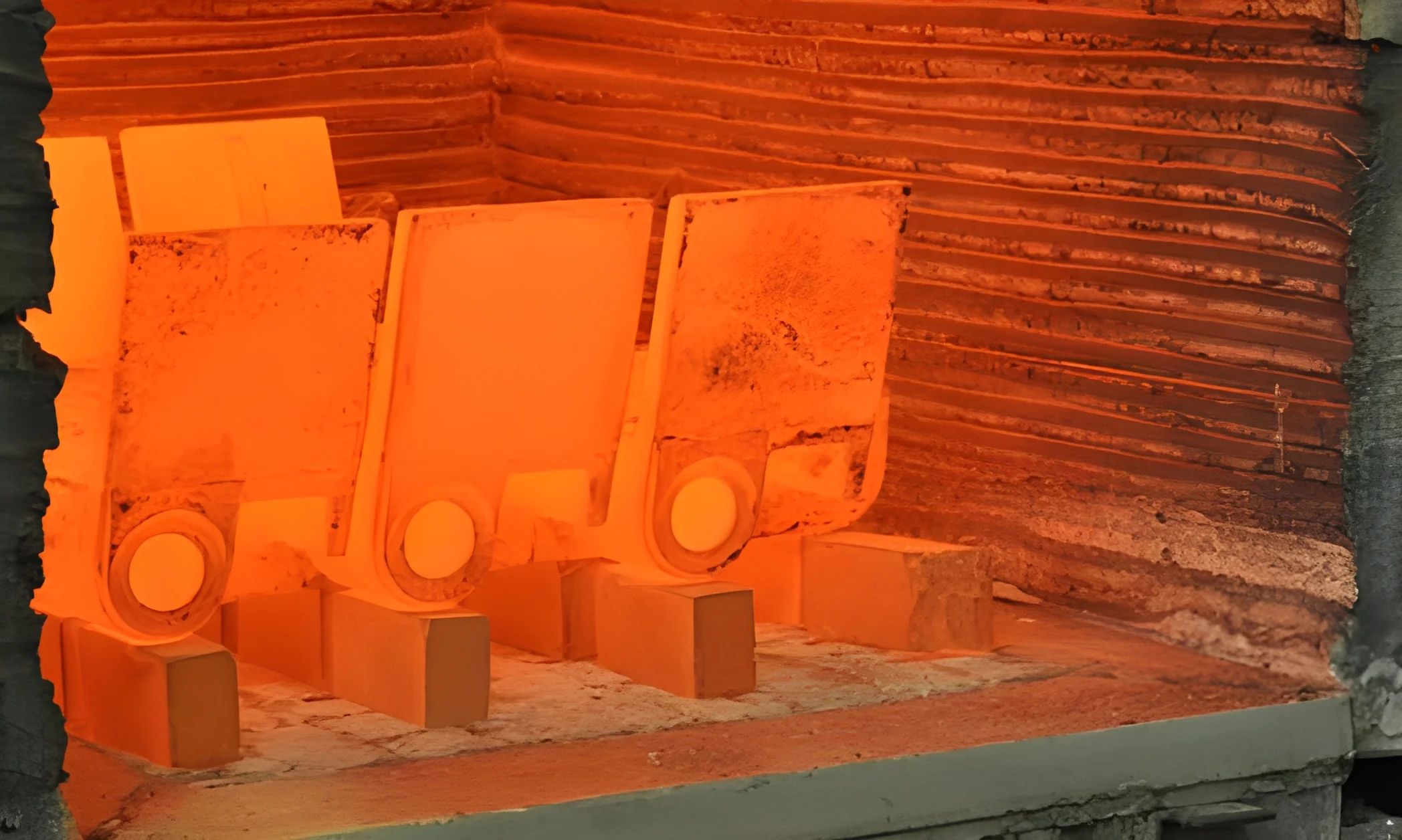
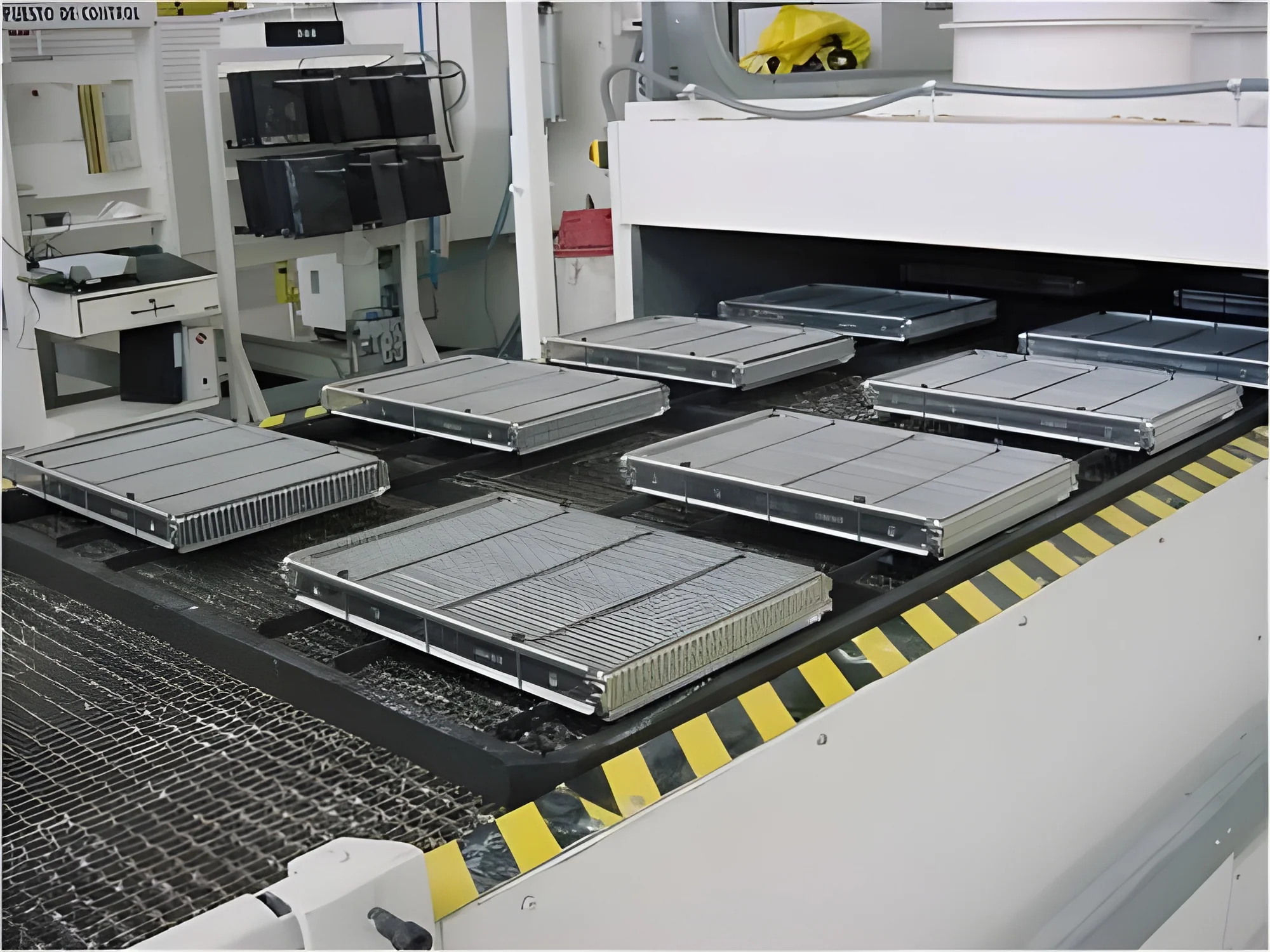
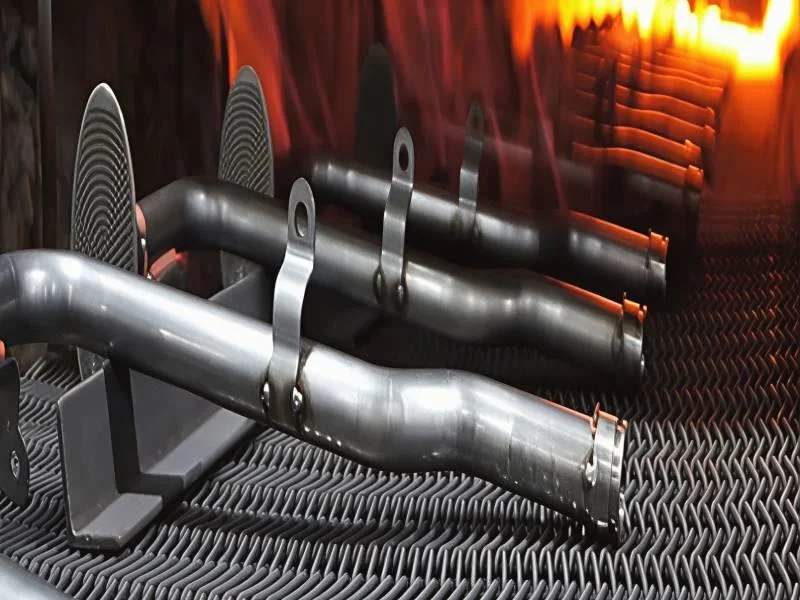
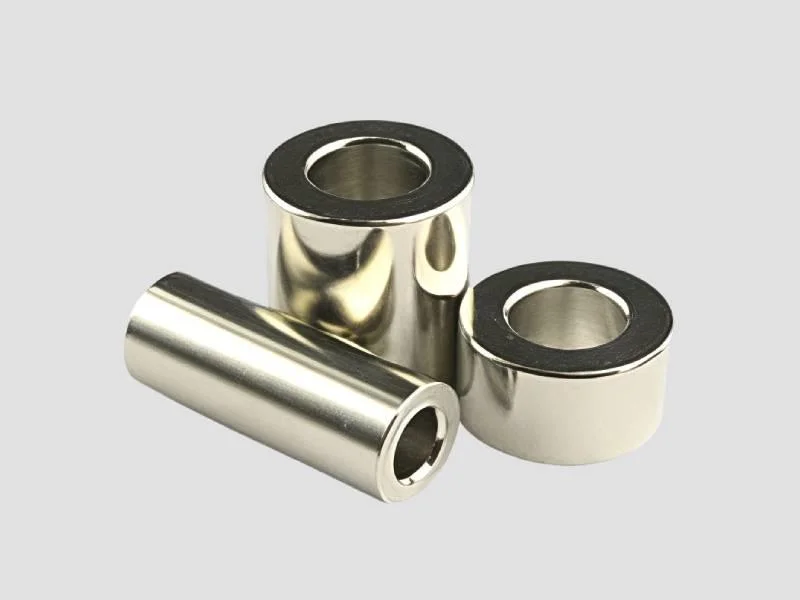
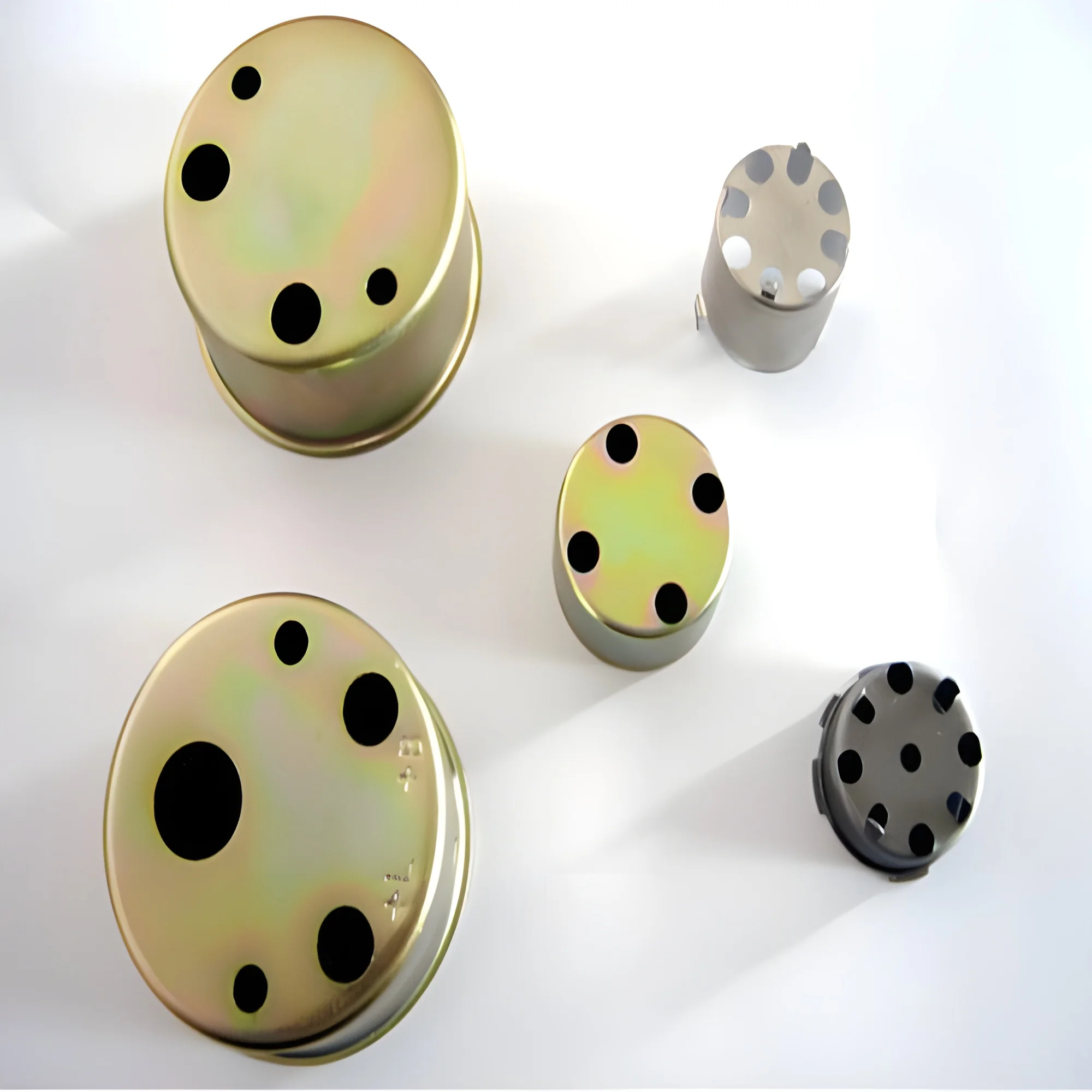
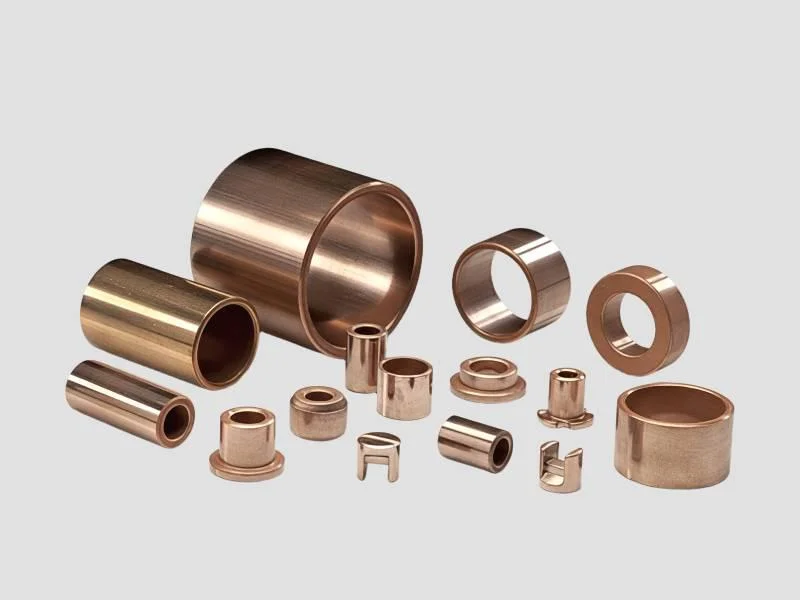
Vacuum sintering represents the pinnacle of powder metallurgy processing, utilizing controlled high-temperature environments under vacuum conditions to transform metal powders into fully dense components. This sophisticated manufacturing technique eliminates oxidation while achieving exceptional material density exceeding 95% of theoretical maximum. The process operates within precise temperature ranges from 800°C to 2500°C, carefully calibrated for specific material requirements. Through controlled heating cycles lasting 2-12 hours and subsequent controlled cooling methods, vacuum sintering produces parts with superior mechanical properties, dimensional accuracy within ±0.1 mm, and smooth, clean surface finishes ready for immediate use or minimal secondary processing. This technology enables manufacturers to create complex geometries that traditional methods cannot achieve while maintaining consistent batch-to-batch quality.

Across industrial sectors, vacuum sintering has become indi...
Vacuum sintering represents the pinnacle of powder metallurgy processing, utilizing controlled high-temperature environments under vacuum conditions to transform metal powders into fully dense components. This sophisticated manufacturing technique eliminates oxidation while achieving exceptional material density exceeding 95% of theoretical maximum. The process operates within precise temperature ranges from 800°C to 2500°C, carefully calibrated for specific material requirements. Through controlled heating cycles lasting 2-12 hours and subsequent controlled cooling methods, vacuum sintering produces parts with superior mechanical properties, dimensional accuracy within ±0.1 mm, and smooth, clean surface finishes ready for immediate use or minimal secondary processing. This technology enables manufacturers to create complex geometries that traditional methods cannot achieve while maintaining consistent batch-to-batch quality.

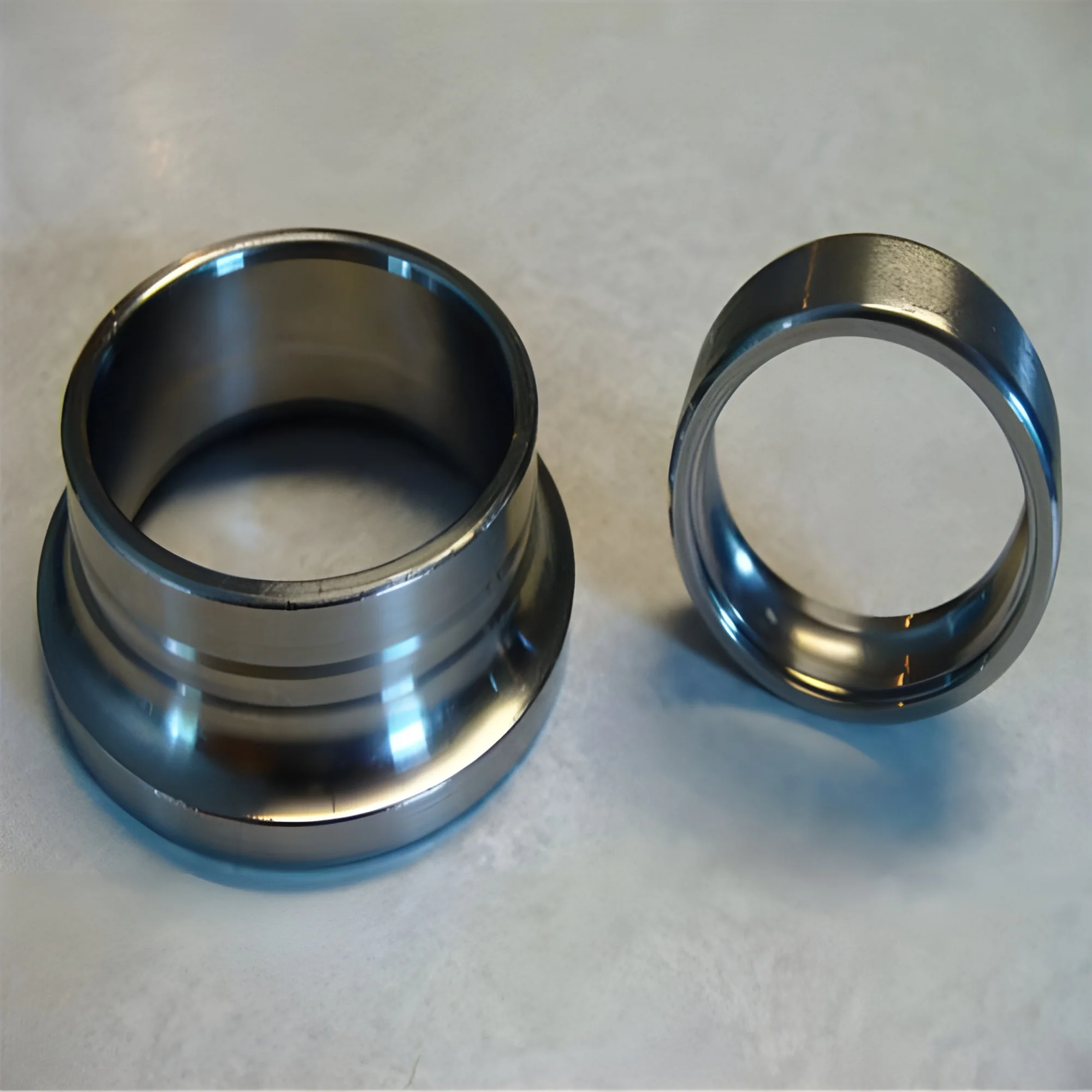
Across industrial sectors, vacuum sintering has become indispensable for producing critical components that demand reliability under extreme conditions. The aerospace industry relies on vacuum-sintered turbine blades, engine components, and structural parts that maintain integrity at high temperatures and stresses. Medical device manufacturers utilize the process for surgical instruments, orthopedic implants, and dental components requiring biocompatibility and precision. Automotive applications include transmission gears, engine valves, and turbocharger components that must withstand constant wear and thermal cycling. Industrial machinery sectors depend on vacuum-sintered cutting tools, dies, and wear parts that maintain sharpness and durability through extended service life. Electronics manufacturers employ the technology for heat sinks, connectors, and semiconductor components requiring precise thermal management and electrical properties.

The business value of vacuum sintering extends beyond technical specifications to deliver tangible operational advantages. Manufacturers benefit from reduced material waste through near-net-shape production, lower energy consumption compared to traditional forging methods, and decreased requirements for secondary machining operations. The process ensures consistent part quality with minimal variation between production batches, reducing inspection costs and improving supply chain reliability. Customization options allow for tailored material properties and geometries specific to application requirements, while the oxidation-free environment eliminates the need for additional surface treatments in many cases. These factors combine to provide manufacturers with competitive advantages through improved product performance, reduced total production costs, and enhanced ability to meet stringent industry standards and customer specifications.

Key Features:
- High density achievement exceeding 95% theoretical density for superior strength
- Precise temperature control with ±5°C uniformity throughout the furnace
- Advanced vacuum level control up to 10⁻⁵ mbar preventing oxidation
- Exceptional dimensional accuracy maintained within ±0.1 mm tolerance
- Controlled cooling methods using inert gas for optimal material properties

Benefits:
- Produces oxidation-free components with clean, ready-to-use surfaces
- Enables complex geometries impossible with traditional manufacturing
- Reduces material waste through near-net-shape production efficiency
- Lowers energy consumption and secondary processing requirements
- Ensures consistent batch-to-batch quality and reliability
Specifications
| Key Attributes | |
|---|---|
| Density Improvement | High (>95% theoretical density) |
| Temperature Uniformity | ±5°C |
| Vacuum Level Control | Up to 10â»âµ mbar |
| Dimensional Accuracy | ±0.1 mm |
| Surface Finish Quality | Smooth and clean |
| Atmosphere | High Vacuum |
| Temperature Range | 800°C – 2500°C (depending on material) |
| Cooling Method | Controlled or Inert Gas Cooling |
| Cycle Time | 2–12 hours |
| Uniformity | ±3°C |
| Additional Information | |
|---|---|
| Country of Origin | India |
Application
Vacuum sintering serves critical manufacturing needs across multiple high-performance industries. This advanced thermal processing method transforms metal powders into dense, reliable components that withstand extreme operating conditions while maintaining precise dimensional stability and superior surface quality. The technology enables production of complex geometries that would be impossible with traditional manufacturing methods, making it indispensable for modern industrial applications requiring both performance and precision. Industries benefit from reduced material waste, lower secondary processing requirements, and consistent batch-to-batch quality that streamlines production workflows and enhances final product reliability.
Manufacturing sectors utilizing vacuum sintering range from aerospace and medical devices to automotive and industrial tooling. The process consistently delivers components with tight tolerances and exceptional mechanical properties, making it the preferred choice for applications where failure is not an option. From surgical implants requiring biocompatibility to turbine blades operating at high temperatures, vacuum-sintered parts provide the reliability that engineers and designers depend upon for critical systems and safety-conscious applications across global supply chains. Real-world applications:
Real-world applications:
- Aerospace turbine blades and engine components requiring high-temperature resistance
- Medical implants and surgical instruments needing biocompatibility and precision
- Automotive transmission gears and engine parts demanding strength and wear resistance
- Industrial cutting tools and dies requiring extreme hardness and durability
- Electronics heat sinks and semiconductor components needing thermal management
Trade Details
| Available Stock | In Stock |
| Sample Availability | No |
Payment Terms
| Payment Terms |
|
Company Profile

Quantum Heat Treaters India Pvt. Ltd., Tamil Nadu
 Tamil Nadu, India
Tamil Nadu, India20 yrs
Manufacturer•Distributor / Wholesaler•Retailer
Turn Over
₹25 Lakhs – ₹1 Crore
Factory Details
Factory Size1000-5000 sqm
Main Markets
Eastern Asia
South Asia
Southeast Asia
Vacuum Sintering Services For High Density Metal Components
Vacuum sintering delivers high-density metal components with superior strength and precision. This oxidation-free process ensures excellent mechanical properties for demanding industrial applications across aerospace, automotive, and manufacturing sectors.
Min. Order Quantity: 1
Shipping
Shipping fee and delivery date to be negotiated. Contact supplier now for more details.
Quantum Heat Treaters India Pvt. Ltd. Tamil Nadu, India
Tamil Nadu, IndiaManufacturer