
 IN
Clothing Racks & Hangers
137 products available
What are Clothing Racks & Hangers?
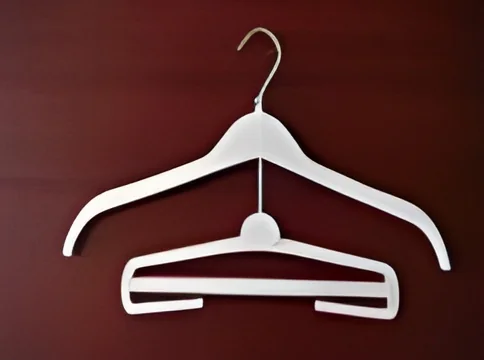
Clothing racks and hangers are essential tools used in retail and storage environments for organizing and displaying garments. Clothing racks are typically freestanding structures designed to hold multiple items of clothing, while hangers are smaller accessories used for individual garments. Both products help maintain the shape of clothing, reduce wrinkles, and improve overall presentation, making them vital for any business that deals with apparel.
The primary applications for clothing racks and hangers span across various industries, including retail stores, warehouses, and even residential settings. Retailers utilize these products to display merchandise attractively, while warehouses and storage facilities rely on them to optimize space and facilitate inventory management. By providing an organized environment, businesses can enhance customer experience and streamline operations.
In the current market, clothing racks and hangers are increasingly relevant as e-commerce continues to grow. Many businesses are now focused on creating appealing in-store displays to attract customers. With the rise of visual merchandising, the demand for high-quality clothing racks and hangers has surged, leading to a diverse range of products designed to meet specific business needs.
Key Features and Specifications
Clothing racks and hangers come with a variety of features and specifications that cater to the needs of different businesses. Understanding these specifications can help buyers make informed decisions when selecting products.
Key specifications include:
1. Material Type
- Common materials include metal, wood, and plastic.
- Each material offers different levels of durability and aesthetic appeal.
2. Weight Capacity
- Racks typically hold between 50 to 300 pounds.
- Hangers can support garments ranging from lightweight clothing to heavy coats.
3. Adjustable Height
- Some racks feature adjustable height settings for versatility.
- This allows for customization based on the type of clothing displayed.
4. Finish Options
- Available finishes include chrome, matte black, and wood grain.
- The finish can affect the overall look and feel of the display.
5. Mobility Features
- Many racks come with wheels for easy movement.
- This feature is particularly useful for rearranging displays.
6. Assembly Requirements
- Some racks are pre-assembled, while others require simple assembly.
- Ease of assembly can impact setup time and labor costs.
7. Design Variations
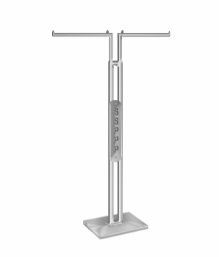
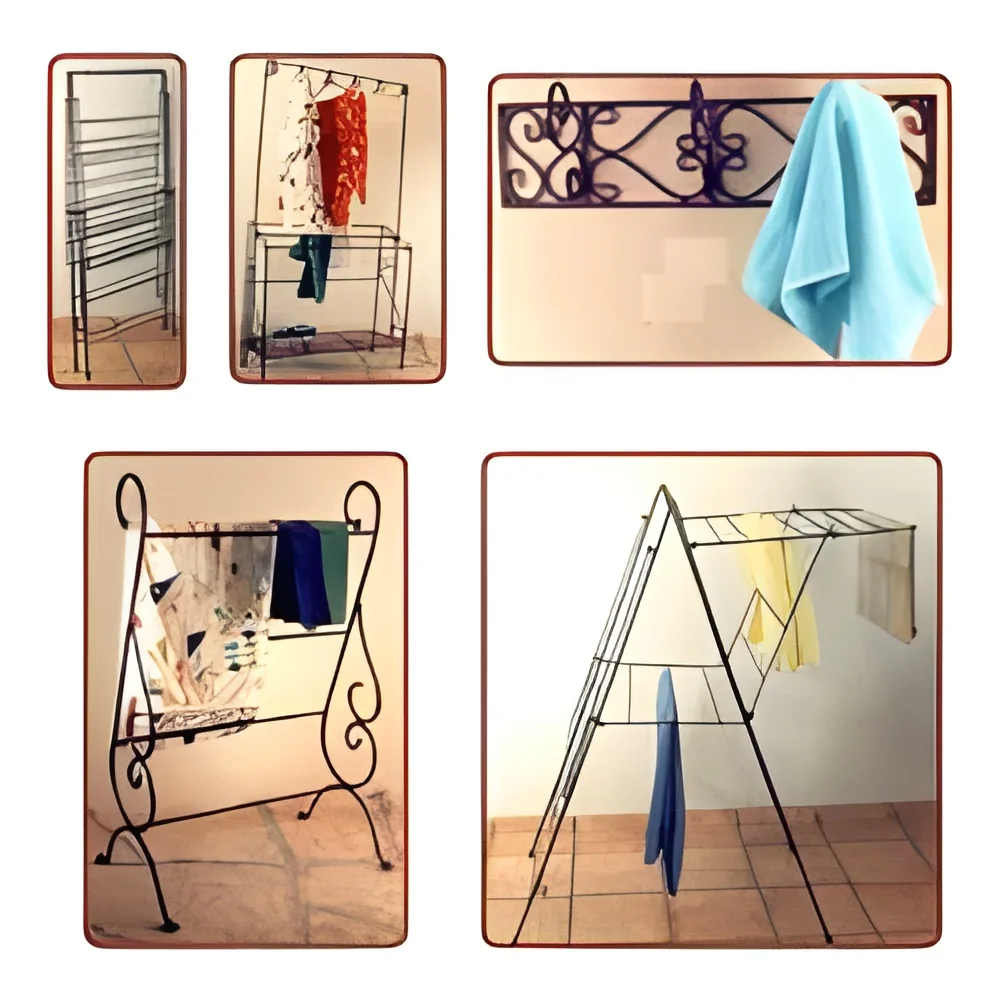
- Racks can vary from straight bars to multi-tiered designs.
- Different designs cater to various display needs and space constraints.
8. Hanger Types
- Hangers come in various forms, such as clip, clipless, and specialty hangers.
- Choosing the right type enhances garment presentation and protection.
These specifications provide an overview of the options available for businesses looking to invest in clothing racks and hangers, ensuring they find the right fit for their needs.
Common Applications and Use Cases
Clothing racks and hangers are utilized across a wide range of industries, each with unique applications.
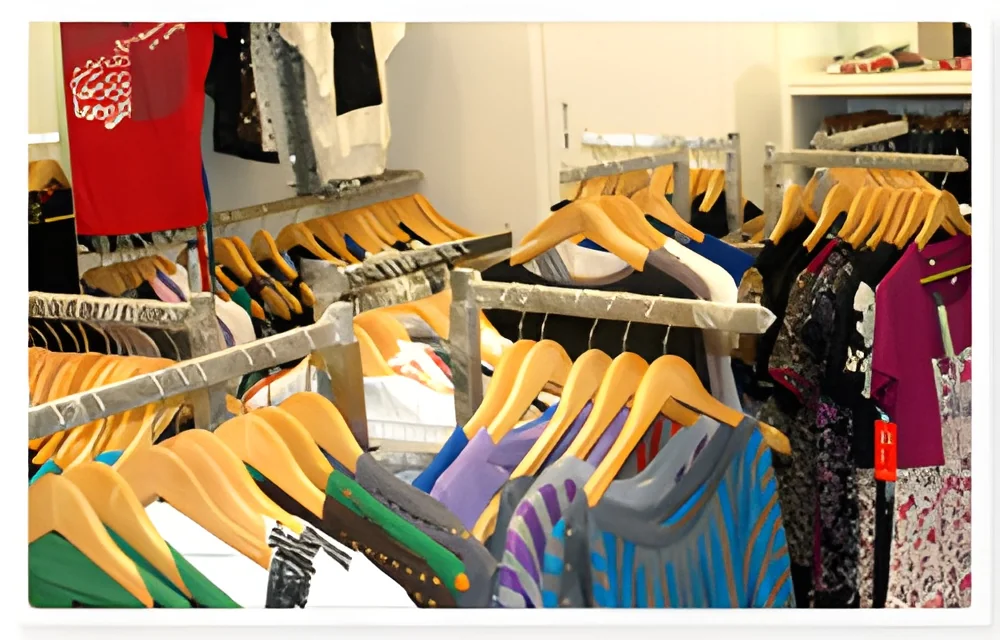
1. Retail Stores: Clothing racks are vital in retail settings, allowing businesses to display collections in an organized manner. Hangers are used to showcase individual items, enhancing the shopping experience.
2. Warehousing: In warehouses, racks facilitate efficient storage and organization of inventory. This helps businesses manage their stock levels and streamline operations.
3. Hotels: Hotels use clothing racks in guest rooms for convenience. Hangers are also provided for guests to hang garments during their stay.
4. Dry Cleaners: Dry cleaning businesses utilize specialized hangers to present cleaned garments attractively. Racks help manage the workflow of incoming and outgoing items.
5. Fashion Shows: Clothing racks are essential in fashion shows for displaying collections. They provide a quick and easy way to change outfits and maintain organization.
6. Events and Exhibitions: Businesses often use racks to display promotional items at trade shows and exhibitions. This helps attract visitors and showcase products effectively.
7. Home Organization: Residential users also benefit from clothing racks and hangers for personal use. They can optimize closet space and keep garments easily accessible.
Product Variants and Subcategories
The diversity of clothing racks and hangers allows for various product variants to meet specific needs.
Portable Clothing Racks: These racks are lightweight and easy to transport, making them ideal for pop-up shops and events. They often feature collapsible designs for convenient storage.
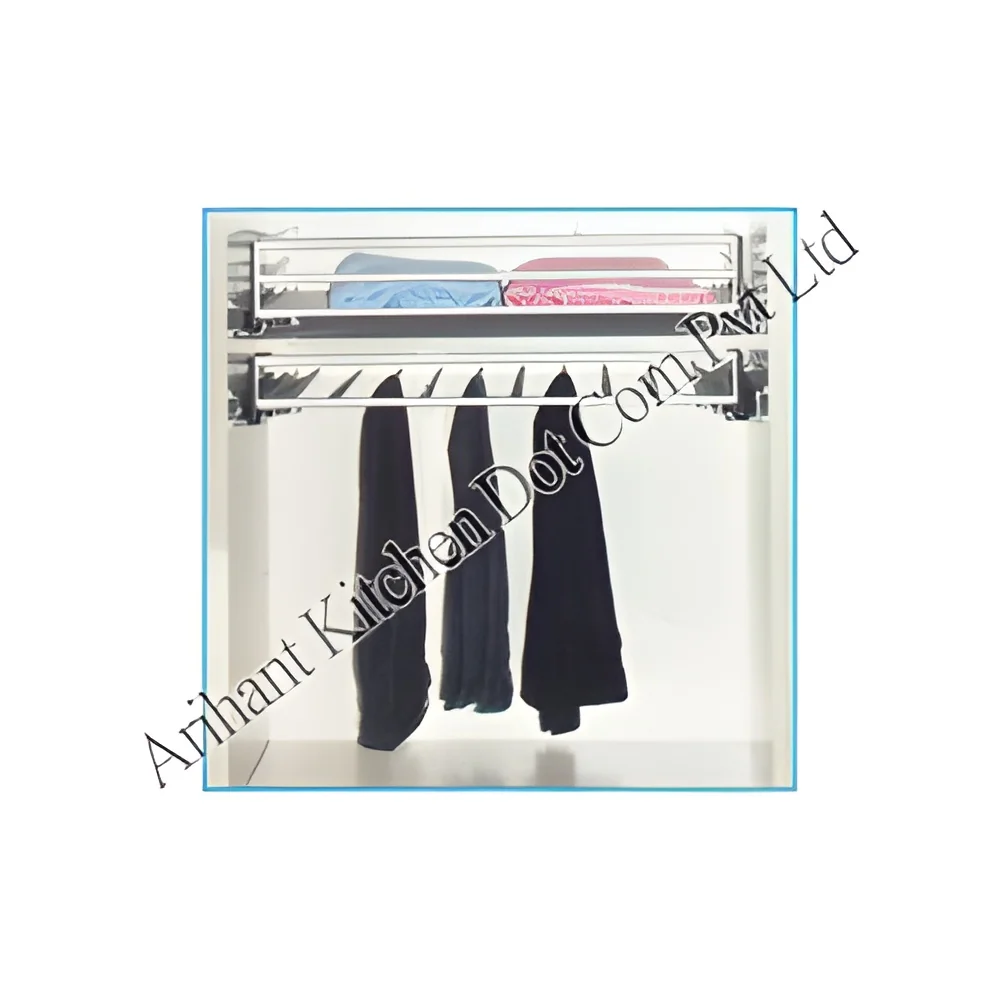
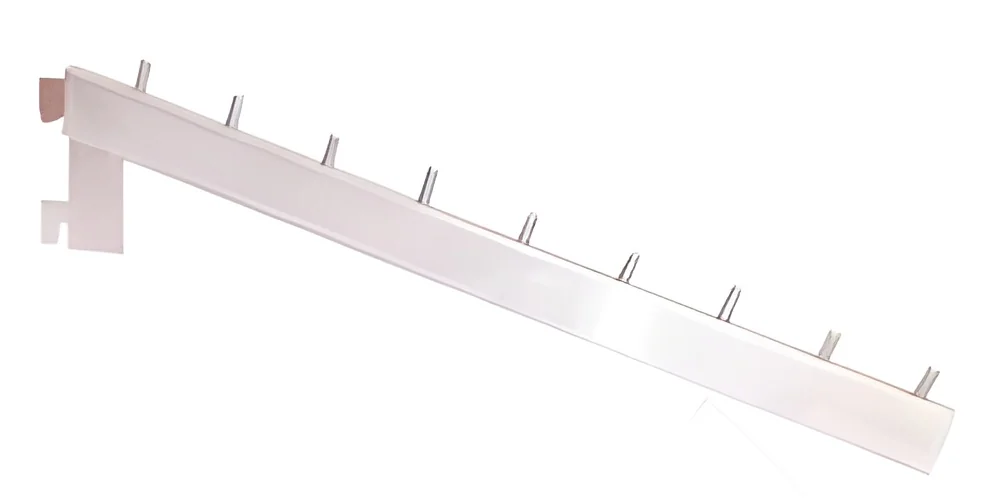
Wall-Mounted Racks: Designed to save space, wall-mounted racks are perfect for boutiques with limited floor space. They provide a stylish way to display garments while keeping the area organized.
Heavy-Duty Racks: Built for durability, heavy-duty racks are suitable for warehouses or businesses that require robust support for large quantities of clothing. They can handle substantial weight without compromising stability.
Multi-Tiered Racks: These racks feature multiple levels for displaying various items. They are ideal for showcasing collections and maximizing vertical space in retail environments.
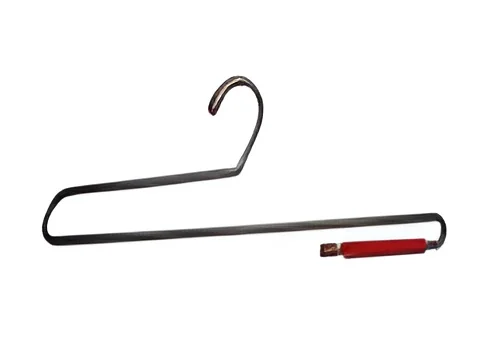
Specialty Hangers: Specialty hangers cater to specific garment types, such as suits, dresses, or skirts. They provide additional support and prevent garments from slipping.
Benefits and Advantages
Investing in clothing racks and hangers offers several benefits that can enhance business operations.
1. Improved Organization: Clothing racks and hangers help maintain a tidy and organized display, making it easier for customers to browse products.
2. Enhanced Presentation: Attractive displays increase the visual appeal of merchandise, which can lead to higher sales and customer engagement.
3. Space Optimization: Racks and hangers enable businesses to use space efficiently, whether in retail stores or warehouses, allowing for better inventory management.
4. Durability: High-quality racks and hangers are designed to withstand daily use, ensuring long-term value and reducing replacement costs.
5. Versatility: The wide range of designs and materials available means businesses can choose products that fit their specific aesthetic and functional needs.
6. Cost-Effectiveness: By reducing wear and tear on clothing, quality hangers can help maintain inventory in better condition, ultimately saving money on returns or damages.
Buying Guide for B2B Buyers
When sourcing clothing racks and hangers, several factors should be considered to ensure an informed purchase.
1. Quality Assessment: Evaluate the materials and construction of racks and hangers. Look for products that offer durability and a professional appearance for your business needs.
2. Supplier Verification: Research potential suppliers to ensure they have a solid reputation and reliable track record. Check for customer reviews and testimonials to gauge their reliability.
3. Pricing and MOQ: Understand the pricing structure and minimum order quantities (MOQ) required by suppliers. This helps in budgeting and planning purchases effectively.
4. Delivery and Lead Times: Inquire about delivery timelines and logistics. Ensure that suppliers can meet your timeline requirements to avoid delays in your operations.
5. Compliance Requirements: Be aware of any industry-specific regulations or certifications that may apply to clothing racks and hangers. Ensure that suppliers meet these standards to avoid compliance issues.
Compliance and Certifications
Clothing racks and hangers must adhere to various quality standards to ensure safety and reliability. While specific standards may vary by region, some common certifications include ISO 9001, which focuses on quality management systems, and CE marking, which indicates compliance with European safety standards.
In addition to these certifications, products may be subject to safety and testing requirements depending on their intended use. It is essential for manufacturers to conduct thorough testing to ensure that their racks and hangers are safe for commercial use.
Regional compliance considerations may also play a role in sourcing decisions. Buyers should familiarize themselves with local regulations to ensure that their purchases meet all necessary requirements.
Why Source Clothing Racks & Hangers from Pepagora?
Pepagora offers a trusted platform for sourcing clothing racks and hangers with several key advantages.
Verified Supplier Network: Pepagora features a robust network of verified suppliers, ensuring that buyers have access to reliable and high-quality products. This verification process helps to build trust between buyers and suppliers.
Streamlined RFQ Process: The platform simplifies the request for quotation (RFQ) process, allowing buyers to receive competitive quotes quickly. This efficiency helps businesses make timely purchasing decisions.
Trade Assurance and Support: Pepagora provides trade assurance to protect buyers' investments. This includes support in case of discrepancies, ensuring a smooth transaction experience.
Regional Coverage: With a presence in regions such as India, the GCC, and Southeast Asia, Pepagora is well-positioned to meet the needs of businesses across diverse markets. This regional focus allows for faster response times and localized support.








Frequently Asked Questions
What are Clothing Racks & Hangers?
<p>Clothing racks and hangers are essential storage solutions used for displaying and organizing garments. Clothing racks provide a sturdy structure to hang multiple items, while hangers are designed to support individual articles of clothing, preventing them from wrinkling or losing shape.</p>
What are the different types of Clothing Racks & Hangers?
<p>There are various types of clothing racks and hangers, including freestanding racks, wall-mounted racks, and portable racks. Hangers also come in different styles such as clip hangers, padded hangers, and multi-tier hangers, catering to different clothing types and storage needs.</p>
How do I choose the right Clothing Racks & Hangers?
<p>When selecting clothing racks and hangers, consider the space available, the type of clothing to be stored, and the weight capacity required. Additionally, evaluate the material and design to ensure durability and functionality for your specific needs.</p>
What are the standard specifications for Clothing Racks & Hangers?
<p>Standard specifications for clothing racks typically include dimensions (height, width, and depth), weight capacity, and material used (such as metal or wood). Hangers may have specifications regarding width, thickness, and the type of grip or clips for securing garments.</p>
What is the price range for Clothing Racks & Hangers?
<p>The price range for clothing racks and hangers can vary widely based on material, design, and brand. Generally, simpler racks can start from around INR 500, while more elaborate or specialty racks may cost several thousand rupees.</p>
What quality standards apply to Clothing Racks & Hangers?
<p>Quality standards for clothing racks and hangers include durability, stability, and safety in design. Products should meet industry standards for materials, especially if they are intended for commercial use, to ensure they can withstand regular use and support the weight of garments.</p>
Where can I find Clothing Racks & Hangers suppliers in India?
<p>You can find clothing racks and hangers suppliers in India through online B2B marketplaces like Pepagora.com. This platform connects buyers with manufacturers and wholesalers, making it easier to compare products and pricing.</p>
Can Clothing Racks & Hangers be customized?
<p>Yes, many manufacturers offer customization options for clothing racks and hangers. Customization can include specific sizes, materials, and designs to meet the unique requirements of businesses or individual customers.</p>
What is the typical minimum order quantity for Clothing Racks & Hangers?
<p>The minimum order quantity (MOQ) for clothing racks and hangers can vary by supplier and product type. Typically, it ranges from 50 to 100 units, but some manufacturers may offer lower MOQs for specific items or custom orders.</p>
What is the typical lead time for Clothing Racks & Hangers?
<p>The lead time for clothing racks and hangers generally ranges from 2 to 6 weeks, depending on the supplier, order size, and whether the items are in stock or require customization. It's advisable to confirm lead times with the supplier prior to placing an order.</p>
Why Businesses Trust Pepagora
Thousands of companies trust Pepagora to source smarter and sell faster
Expand Your Sales Globally

Source Smarter,Grow Faster
