
 IN
Boxing Headgear
2 products available
What are Boxing Headgear?
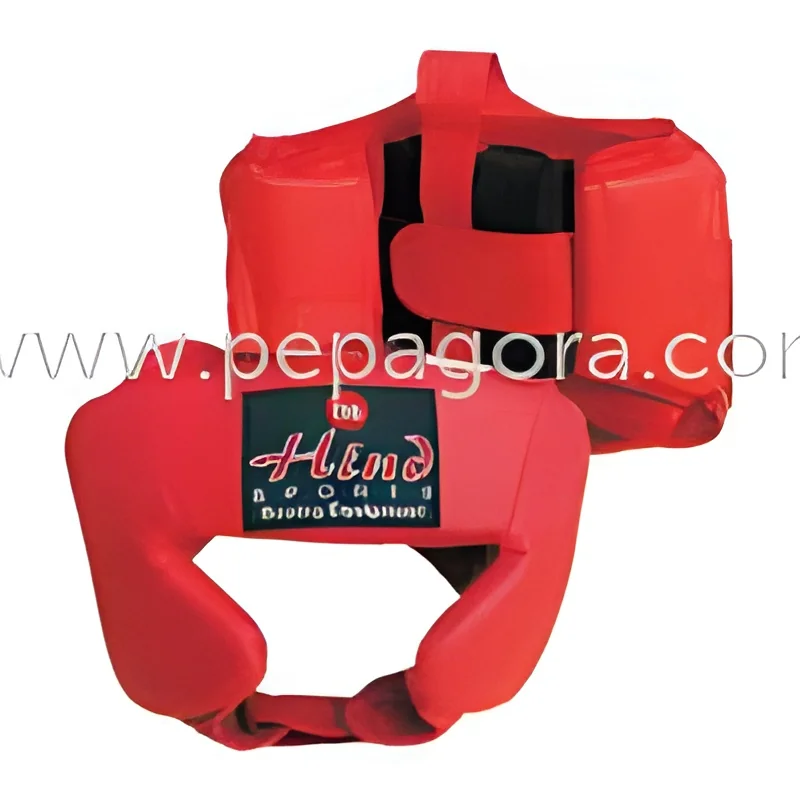
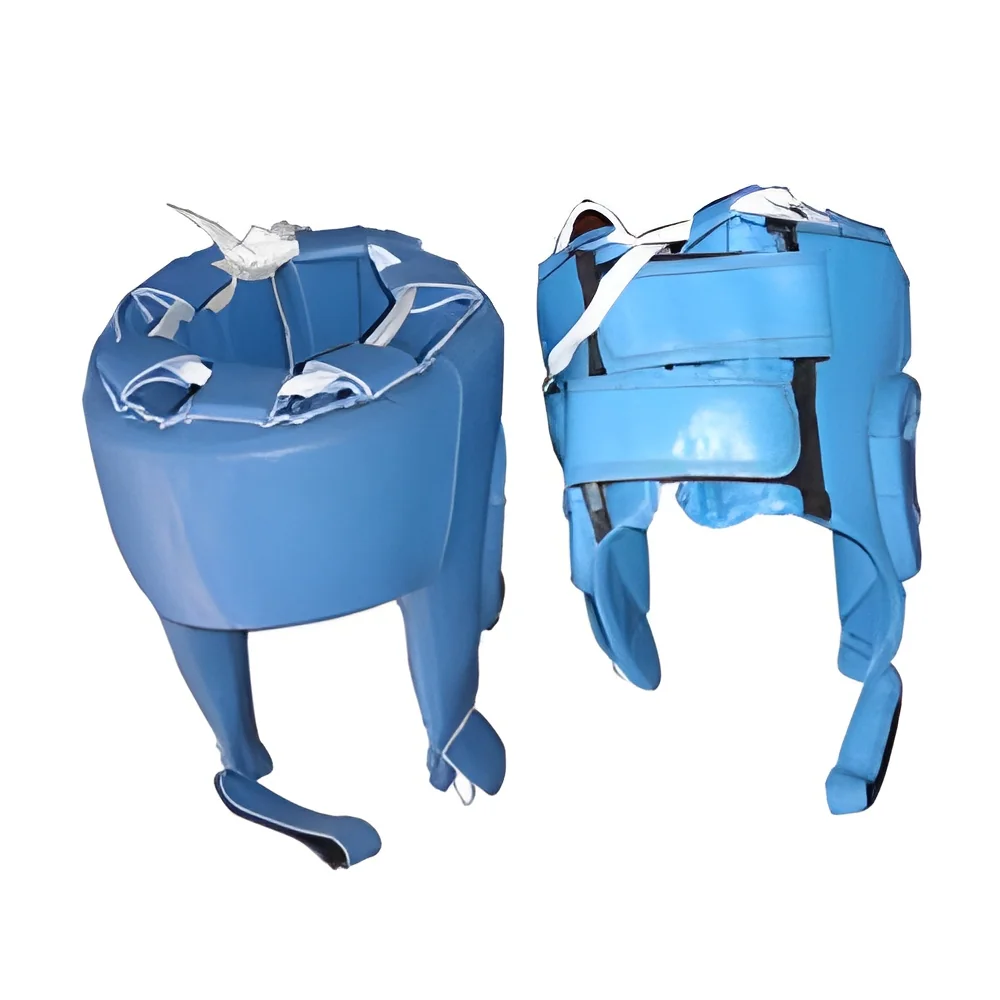
Boxing headgear is a protective accessory worn by boxers during training and sparring sessions. Its primary purpose is to shield the head from impacts, reducing the risk of injuries such as concussions. The headgear is designed to absorb shock and distribute the force of blows, providing a safer environment for both novice and experienced fighters. It is an essential piece of equipment that enhances the training experience and allows boxers to practice techniques with greater intensity.
The primary uses of boxing headgear extend beyond individual training sessions. It is commonly utilized in boxing gyms, martial arts academies, and competitive events. Coaches and trainers emphasize the importance of head protection, especially for younger athletes, to promote safety and proper technique. As the demand for boxing training rises, so does the relevance of headgear in the market. Manufacturers are continually innovating to improve the design and functionality of headgear, ensuring that it meets the needs of various users.
Key Features and Specifications
Boxing headgear comes equipped with several features aimed at enhancing safety and comfort. Understanding these specifications is crucial for buyers looking to invest in quality gear.
Key specifications include:
1. Material
- Typically made from synthetic leather or vinyl for durability
- Foam padding used for impact absorption
2. Weight
- Lightweight designs for ease of movement
- Standard weights range from 8 oz to 16 oz depending on the intended use
3. Size Options
- Available in small, medium, large, and extra-large
- Adjustable straps for a secure fit
4. Visibility
- Open face designs for maximum visibility during sparring
- Some models feature cheek protection without compromising sight lines
5. Padding Thickness
- Varies by model, providing options for varying levels of protection
- Thicker padding generally offers more safety but may reduce mobility
6. Ventilation
- Designed with airflow in mind to reduce heat and moisture build-up
- Mesh sections in some models enhance breathability
7. Design Variability
- Offered in various colors and styles to appeal to different preferences
- Customization options may be available for teams or organizations
8. Certification
- Many headgear options meet safety standards such as CE certification
Overall, these specifications play a vital role in ensuring the headgear performs effectively during training and competition.
Common Applications and Use Cases
Boxing headgear is applicable in various sectors and environments, contributing to safety and performance enhancement.
1. Commercial Gyms: Many boxers use headgear in commercial gyms during sparring sessions to protect themselves from injuries while practicing techniques.
2. Martial Arts Schools: Instructors in martial arts schools utilize headgear for students, particularly in contact training, to promote safety and build confidence.
3. Amateur Competitions: Boxing headgear is required in amateur competitions to ensure fighters are adequately protected during bouts, enhancing safety standards in the sport.
4. Professional Training Camps: Professional fighters often wear headgear to minimize the risk of injuries while sparring, allowing for rigorous training without compromising safety.
5. Youth Programs: Youth boxing programs implement headgear as a fundamental safety measure, encouraging young athletes to engage in the sport with reduced risk.
6. Rehabilitation Centers: In rehabilitation settings, headgear can assist individuals recovering from injuries by enabling safe physical activity and training.
7. Fitness Classes: Some fitness programs incorporate boxing drills, and headgear can provide an added layer of safety for participants.
Product Variants and Subcategories
The diversity in boxing headgear caters to varied needs and preferences among users. While specific subcategories may not be available, key variants offer distinct features.
Training Headgear: This variant is designed for sparring and training sessions. It typically has thicker padding for maximum protection and is made from durable materials to withstand repeated impacts.
Competition Headgear: Tailored for competitive use, this headgear often features a lighter design for better mobility. It is built to comply with safety regulations and provides essential protection without compromising performance.
Youth Headgear: Specifically designed for younger athletes, this variant ensures a proper fit and adequate protection. It often includes adjustable features to accommodate growth and is constructed from lightweight materials.
Benefits and Advantages
Utilizing boxing headgear provides numerous advantages that enhance the training experience for athletes.
1. Enhanced Safety: Boxing headgear significantly reduces the risk of head injuries during training, allowing athletes to practice with confidence.
2. Improved Focus: With the added protection, boxers can concentrate on their techniques and strategies rather than worrying about potential injuries.
3. Increased Training Intensity: Headgear allows athletes to engage in more rigorous sparring sessions, leading to improved skills and performance over time.
4. Custom Fit: Many models offer adjustable features, ensuring a secure and personalized fit for various head sizes.
5. Versatility: Boxing headgear is suitable for various combat sports, making it a valuable investment for multi-discipline training environments.
6. Confidence Building: Athletes, especially beginners, can develop their skills in a safer environment, fostering confidence as they progress.
Buying Guide for B2B Buyers
When sourcing boxing headgear for commercial use, buyers should take several important factors into consideration.
1. Quality Assessment: Evaluate the materials used in the headgear. Look for high-quality padding and durable outer materials that can withstand extensive use.
2. Supplier Verification: Ensure that suppliers have a reliable track record. Check for certifications and reviews to confirm their credibility and product quality.
3. Pricing and MOQ: Understand the pricing structure and minimum order quantities. Compare quotes from multiple suppliers to find the best value for your investment.
4. Delivery and Lead Times: Assess the supplier's delivery capabilities. Timely delivery is essential, especially for businesses that rely on consistent inventory.
5. Compliance Requirements: Be aware of any regulatory standards that apply to boxing headgear in your region. Ensure the products meet necessary safety and quality certifications.
Compliance and Certifications
Boxing headgear must adhere to various compliance and certification standards to ensure safety and quality in its use. Relevant quality standards include ISO 9001, which outlines requirements for a quality management system, promoting consistent quality in manufacturing processes.
Additionally, boxing headgear is typically certified under CE standards, indicating that it meets European safety requirements. This certification assures buyers that the product has undergone rigorous testing and complies with necessary safety protocols.
Safety and testing requirements are paramount in the manufacturing process of boxing headgear. Manufacturers must conduct thorough testing to verify the effectiveness of the materials used in impact absorption and overall durability. Furthermore, regional compliance considerations must be addressed, as different countries may have specific regulations governing the use of protective gear in sports.
Why Source Boxing Headgear from Pepagora?
Pepagora stands out as a trusted platform for sourcing boxing headgear, offering several key advantages that appeal to B2B buyers.
Verified Supplier Network: Pepagora connects buyers with a network of verified suppliers, ensuring that businesses can access high-quality products. The verification process helps mitigate risks associated with sourcing.
Streamlined RFQ Process: The platform features a streamlined request for quotation (RFQ) process, making it easy for buyers to gather quotes from multiple suppliers efficiently. This system enhances decision-making by providing options and comparisons.
Trade Assurance and Support: Buyers benefit from trade assurance and dedicated support, which ensures that their purchases are protected. This support builds trust and confidence in the sourcing process.
Regional Coverage: Pepagora has a broad geographic reach that includes India, the GCC region, and Southeast Asia. This extensive coverage allows buyers to find suitable suppliers closer to their operations, potentially reducing shipping costs and lead times.


Frequently Asked Questions
What are Boxing Headgear?
Boxing headgear is protective gear worn by boxers during training and sparring sessions. It is designed to shield the head and face from impacts, minimizing the risk of injury while allowing the athlete to maintain visibility and mobility.
What are the different types of Boxing Headgear?
The different types of boxing headgear include sparring headgear, competition headgear, and training headgear. Sparring headgear offers more padding for safety, while competition headgear is often lighter and designed to meet specific regulatory standards.
How do I choose the right Boxing Headgear?
Choosing the right boxing headgear involves considering the fit, level of protection, and type of training. It is essential to ensure the headgear is snug yet comfortable, and that it provides adequate coverage for the forehead, cheeks, and chin.
What are the standard specifications for Boxing Headgear?
Standard specifications for boxing headgear typically include materials used (such as leather or synthetic), padding thickness, and weight. Additionally, headgear should have adjustable straps for a secure fit and ventilation features for comfort.
What is the price range for Boxing Headgear?
The price range for boxing headgear can vary significantly based on quality and brand, typically ranging from INR 1,500 to INR 8,000. Higher-end models may offer advanced features and materials, while budget options provide basic protection.
What quality standards apply to Boxing Headgear?
Quality standards for boxing headgear often include compliance with regulations set by boxing federations, such as the AIBA. Headgear should also meet safety and durability tests to ensure it can withstand repeated impacts during use.
Where can I find Boxing Headgear suppliers in India?
Boxing headgear suppliers in India can be found on various B2B online marketplaces, trade directories, and sports equipment retailers. Platforms like Pepagora.com offer a wide range of suppliers and manufacturers specializing in boxing gear.
Can Boxing Headgear be customized?
Yes, boxing headgear can often be customized to suit the specific needs of athletes or teams. Customization options may include color, branding, and even adjustments in size and padding based on individual preferences.
What is the typical minimum order quantity for Boxing Headgear?
The typical minimum order quantity (MOQ) for boxing headgear can vary by manufacturer but is generally around 10 to 50 units. It is advisable to check with suppliers for specific MOQs based on their production capabilities.
What is the typical lead time for Boxing Headgear?
The typical lead time for boxing headgear can range from 2 to 6 weeks depending on the supplier, order quantity, and whether customization is required. It's important to confirm the timeline with the supplier before placing an order.
Why Businesses Trust Pepagora
Thousands of companies trust Pepagora to source smarter and sell faster
Expand Your Sales Globally

Source Smarter,Grow Faster
