
 IN
Speed Bags & Platforms
1 products available
What are Speed Bags & Platforms?
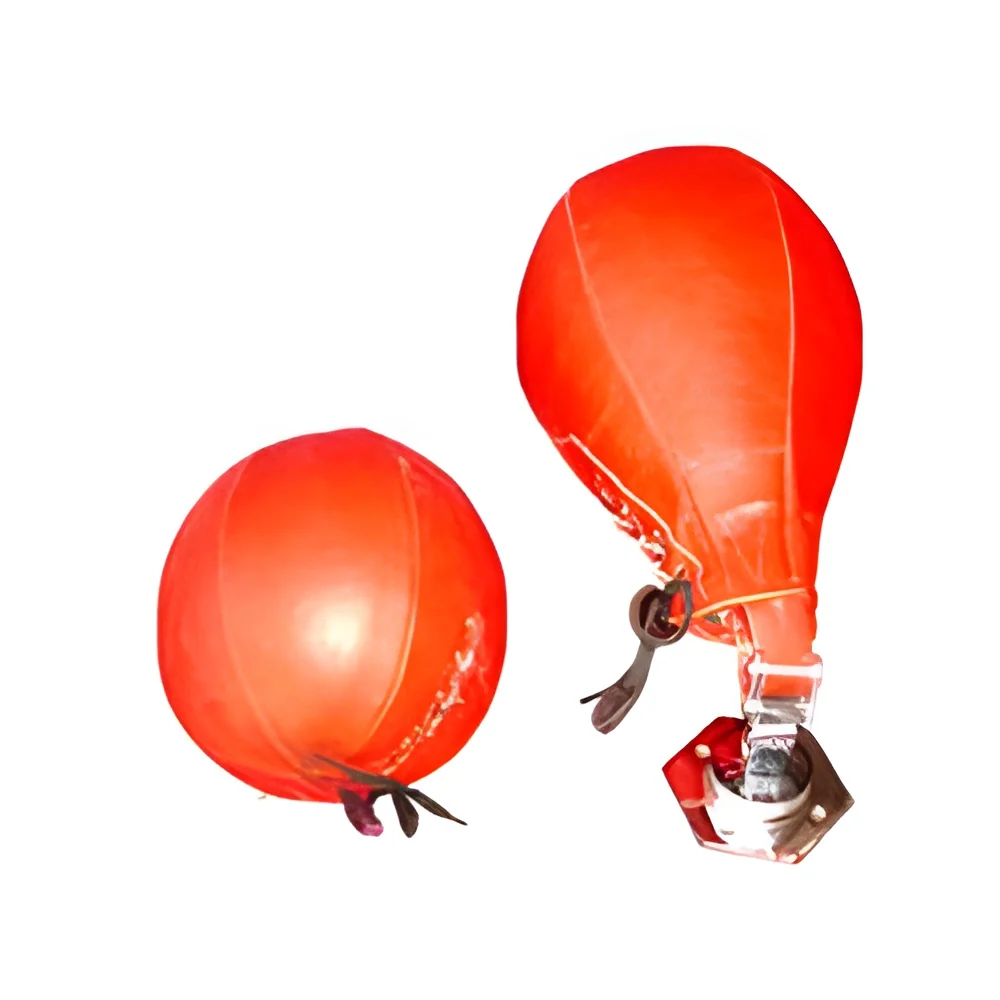
Speed bags and platforms are specialized training equipment used primarily in boxing and martial arts. A speed bag is a small, air-filled bag that is suspended from a platform, allowing users to strike it repeatedly. This equipment is designed to enhance hand-eye coordination, speed, and reflexes. The platform typically features a sturdy base and an adjustable height to accommodate various users.
These tools are commonly employed in gyms, fitness centers, and training facilities for athletes. They provide an effective way to improve timing and accuracy in striking, making them essential for boxers and martial artists. Furthermore, speed bags and platforms are utilized in rehabilitation settings to help patients regain motor skills and coordination. Their relevance spans across multiple industries, from sports training to physical therapy, showcasing their diverse applications in promoting physical fitness and skill development.
Key Features and Specifications
Speed bags and platforms come with several key features that enhance their usability and effectiveness in training. Understanding these features can help businesses select the right equipment for their needs.
Key specifications include:
1. Construction Material
- Typically made from durable synthetic leather or vinyl
- Offers resistance to wear and tear while maintaining flexibility
2. Size Options
- Available in various sizes to suit different user preferences
- Common sizes range from 8 to 12 inches in diameter
3. Platform Height Adjustment
- Features adjustable height settings for user convenience
- Accommodates different training styles and user heights
4. Mounting Type
- Can be wall-mounted or freestanding, depending on space requirements
- Freestanding platforms often include built-in weight for stability
5. Inflation Mechanism
- Equipped with easy inflation valves for quick setup
- Ensures optimal firmness for effective training
6. Installation Requirements
- Some platforms require professional installation
- Wall-mounted options usually need drilling and hardware
7. Color and Design Options
- Available in various colors and styles to match gym aesthetics
- Custom designs may be offered by select manufacturers
In summary, selecting speed bags and platforms involves understanding their construction, size, and mounting options to ensure effective training outcomes.
Common Applications and Use Cases
Speed bags and platforms are versatile tools with applications across various industries.
1. Sports Training: Used predominantly in boxing and martial arts, speed bags enhance coordination and reflexes, allowing athletes to improve their striking skills.
2. Fitness Centers: Gyms offer speed bags as part of their fitness equipment, enabling users to engage in high-intensity workouts that build stamina and agility.
3. Rehabilitation: Physical therapists utilize speed bags to assist patients recovering from injuries, focusing on regaining motor skills and promoting hand-eye coordination.
4. Military Training: Used in training programs to develop quick reflexes and enhance physical conditioning in soldiers.
5. Personal Training: Personal trainers incorporate speed bags into workout routines to diversify training methods and improve client engagement.
6. School Programs: Educational institutions include speed bags in physical education programs to encourage physical fitness and teach coordination.
7. Competitive Sports: Professional athletes use speed bags in their training regimens to maintain sharp reflexes and improve performance under pressure.
Product Variants and Subcategories
Speed bags and platforms offer a range of variants to meet diverse training needs.
Freestanding Speed Bags
These bags are mounted on a stable base that can be easily moved. They are ideal for gyms with limited wall space and offer flexibility in training locations.
Wall-Mounted Speed Bags
These bags are attached directly to a wall, providing a fixed training option. They are suitable for dedicated training areas and offer a stable striking surface.
Double-End Bags
While not a traditional speed bag, double-end bags provide a similar training experience. They are designed to bounce back upon impact, enhancing timing and accuracy.
Benefits and Advantages
Investing in speed bags and platforms comes with numerous benefits for users and businesses alike.
1. Improved Coordination: Regular use of speed bags enhances hand-eye coordination, essential for various sports and activities.
2. Increased Speed: Training with speed bags develops striking speed, which is crucial for competitive athletes.
3. Enhanced Reflexes: The dynamic nature of speed bag training helps sharpen reflexes, allowing athletes to respond quickly in competitive situations.
4. Versatile Training: Speed bags can be integrated into diverse workout routines, appealing to a broad range of fitness enthusiasts.
5. Space Efficiency: Many speed bags and platforms are designed to occupy minimal space, making them suitable for gyms of all sizes.
6. Customization Options: Businesses can choose from various sizes, colors, and designs to match their branding and user preferences.
Buying Guide for B2B Buyers
When sourcing speed bags and platforms, B2B buyers should consider several factors to ensure they make informed decisions.
1. Quality Assessment: Evaluate the material and construction of the speed bags and platforms. High-quality materials will ensure durability and longevity, reducing the need for frequent replacements.
2. Supplier Verification: It is crucial to vet suppliers for reliability and reputation. Look for reviews and testimonials from other businesses to gauge their performance.
3. Pricing and MOQ: Understand the pricing structure and the minimum order quantity (MOQ) required by suppliers. This information will help in budgeting and planning purchases.
4. Delivery and Lead Times: Inquire about delivery schedules and lead times to ensure timely receipt of products. This is vital for maintaining inventory levels and meeting customer demand.
5. Compliance Requirements: Check for any regulatory compliance requirements relevant to your industry. Ensuring products meet these standards is essential for operational success.
Compliance and Certifications
Compliance and certifications play a vital role in the quality and safety of speed bags and platforms.
Relevant quality standards such as ISO 9001 ensure that products are manufactured consistently and meet customer expectations. These standards focus on quality management systems and continuous improvement.
Industry certifications like CE indicate that products comply with European health, safety, and environmental protection standards. This certification is crucial for businesses looking to market their products in the European Union.
Safety and testing requirements must be adhered to, ensuring that speed bags and platforms can withstand rigorous use without posing risks to users. Manufacturers should provide documentation that outlines safety testing protocols and results.
Regional compliance considerations vary by market. Buyers should be aware of local regulations that may affect the import and sale of speed bags and platforms.
Why Source Speed Bags & Platforms from Pepagora?
Pepagora provides a trusted platform for sourcing speed bags and platforms with several key advantages.
Verified Supplier Network: Pepagora has established a network of verified suppliers known for their quality products. This network ensures that buyers can trust the integrity and reliability of the suppliers they choose.
Streamlined RFQ Process: The request for quotation (RFQ) process is designed to be straightforward, allowing buyers to easily compare offers and select the best options for their needs.
Trade Assurance and Support: Pepagora offers buyer protection through trade assurance, ensuring that transactions are secure and that buyers receive what they ordered. This support fosters confidence in purchasing decisions.
Regional Coverage: With a strong presence in India, the GCC, and Southeast Asia, Pepagora facilitates easy access to suppliers across diverse regions. This geographic reach allows buyers to find the best products tailored to their market needs.

Frequently Asked Questions
What are Speed Bags & Platforms?
<p>Speed bags are small, air-filled bags used primarily in boxing and other martial arts for training hand speed, coordination, and reflexes. Platforms are the bases that hold speed bags in place during use, typically featuring adjustable height settings to accommodate different users.</p>
What are the different types of Speed Bags & Platforms?
<p>Speed bags can vary in size, shape, and material, with options including leather, synthetic, and vinyl bags. Platforms may also differ, featuring either freestanding designs or wall-mounted configurations, and can include additional features such as adjustable heights and reinforced supports.</p>
How do I choose the right Speed Bags & Platforms?
<p>Choosing the right speed bag and platform depends on factors such as your training goals, experience level, and available space. Consider the size and weight of the speed bag, as well as the stability and adjustability of the platform to ensure optimal training conditions.</p>
What are the standard specifications for Speed Bags & Platforms?
<p>Standard specifications for speed bags usually include sizes ranging from 6 to 12 inches in diameter and weights from 0.5 to 2 pounds. Platforms typically feature adjustable height settings and must be sturdy enough to withstand vigorous training without wobbling or tipping.</p>
What is the price range for Speed Bags & Platforms?
<p>The price of speed bags can range from approximately ₹500 to ₹3,000, depending on the material and brand. Platforms typically cost between ₹2,000 and ₹10,000, influenced by their design and durability features.</p>
What quality standards apply to Speed Bags & Platforms?
<p>Quality standards for speed bags and platforms generally involve assessments of material durability, stitching quality, and overall construction. Look for products that comply with industry standards to ensure safety and longevity during use.</p>
Where can I find Speed Bags & Platforms suppliers in India?
<p>You can find speed bags and platforms suppliers in India through online B2B marketplaces like Pepagora.com, as well as sporting goods stores and specialized equipment retailers. It is advisable to check supplier reviews and product specifications before making a purchase.</p>
Can Speed Bags & Platforms be customized?
<p>Yes, many manufacturers offer customization options for speed bags and platforms, including size, color, and branding elements. Customization allows users to tailor the equipment to their specific training needs or brand identity.</p>
What is the typical minimum order quantity for Speed Bags & Platforms?
<p>The typical minimum order quantity (MOQ) for speed bags and platforms can vary depending on the supplier, ranging from as low as 5 to 50 units. It is recommended to verify the MOQ with the supplier before placing an order to ensure it meets your requirements.</p>
What is the typical lead time for Speed Bags & Platforms?
<p>The typical lead time for speed bags and platforms can range from 2 to 6 weeks, depending on the supplier and whether the products are in stock or require customization. Always confirm the estimated delivery time with the supplier at the time of order.</p>
Why Businesses Trust Pepagora
Thousands of companies trust Pepagora to source smarter and sell faster
Expand Your Sales Globally

Source Smarter,Grow Faster
