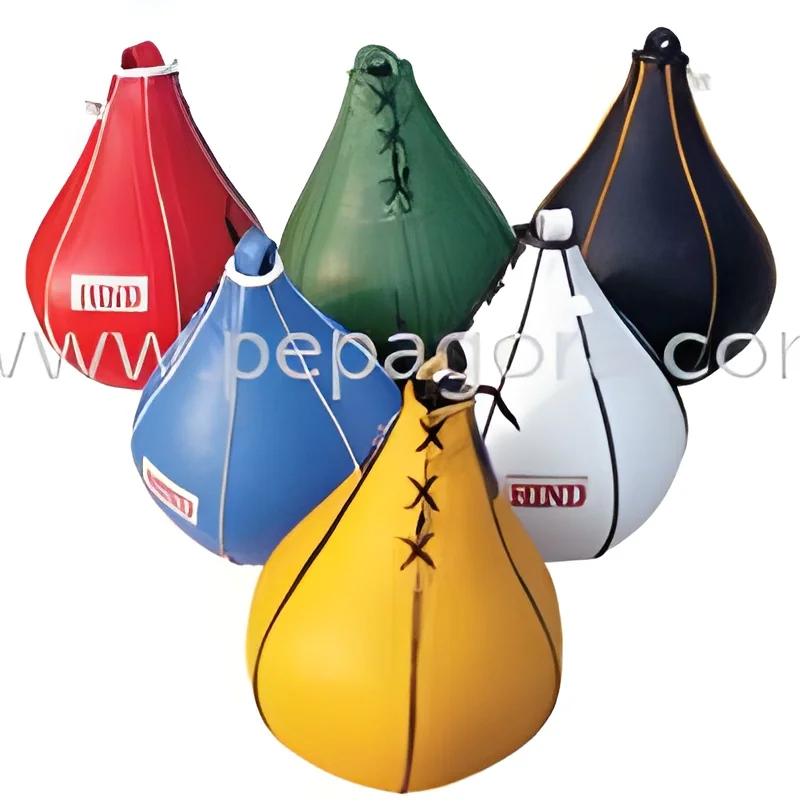
What are Martial Arts Academy Equipment?
Martial Arts Academy Equipment refers to a wide range of tools and gear specifically designed to support the training and practice of various martial arts disciplines. This equipment includes items such as mats, punching bags, protective gear, and training aids. Each of these products is essential for creating a safe and effective training environment for students and instructors alike.
The primary uses of this equipment span across training sessions, competitions, and demonstrations. Martial arts academies utilize these tools to enhance skills, improve physical fitness, and promote self-discipline among practitioners. In addition, the right equipment is crucial for injury prevention and ensuring that students perform techniques correctly. As martial arts continue to grow in popularity, the demand for high-quality academy equipment is increasingly relevant in the market.
The martial arts industry is witnessing a steady rise in participation rates, which translates to a growing market for academy equipment. With various styles such as karate, judo, taekwondo, and Brazilian jiu-jitsu, the diversity in training needs further drives the demand for specialized equipment. This trend highlights the importance of selecting reliable suppliers who offer high-quality products tailored to the needs of martial arts academies.
Key Features and Specifications
Martial Arts Academy Equipment is designed with specific features and specifications to enhance performance and safety. Understanding these attributes is essential for selecting the best products for training needs.
Key specifications include:
1. Material Quality
- Durable construction materials such as synthetic leather, foam, and canvas
- Resistance to wear and tear under regular use
2. Size and Dimensions
- Variability in sizes to accommodate different training spaces
- Specific dimensions tailored to various martial arts practices
3. Weight Capacity
- Maximum load limits for equipment such as punching bags
- Ensures stability and safety during use
4. Safety Features
- Padded surfaces and protective gear to prevent injuries
- Compliance with safety standards to protect users
5. Customization Options
- Ability to personalize colors or branding for academies
- Options for tailored training aids to meet specific needs
6. Portability
- Lightweight designs for easy transport and storage
- Foldable mats and collapsible equipment for convenience
7. Maintenance Requirements
- Easy-to-clean materials to maintain hygiene
- Recommendations for care to extend equipment lifespan
8. Warranty and Support
- Manufacturer warranties that cover defects and damages
- Customer support for troubleshooting and replacement parts
In summary, selecting the right martial arts academy equipment involves understanding these key specifications to ensure safety, durability, and suitability for training objectives.
Common Applications and Use Cases
Martial Arts Academy Equipment is utilized in various industries beyond traditional martial arts schools.
1. Fitness Centers: Many gyms incorporate martial arts training into their fitness programs, utilizing equipment like punching bags and mats for kickboxing and self-defense classes.
2. Schools and Educational Institutions: Physical education programs often include martial arts as part of their curriculum, requiring appropriate training gear to ensure student safety.
3. Law Enforcement and Military Training: Specialized equipment is used for tactical training, focusing on self-defense and combat techniques relevant to their roles.
4. Sports Clubs: Organizations that promote competitive martial arts may require high-quality gear for practice and competition preparation.
5. Community Recreation Centers: These centers often offer martial arts classes, making it essential to have a variety of equipment available for community members.
6. Rehabilitation Centers: Martial arts equipment can be incorporated into physical therapy programs to aid recovery and improve physical fitness.
7. Personal Training: Independent trainers may use martial arts equipment to offer specialized training services to clients seeking self-defense skills or fitness goals.
Product Variants and Subcategories
Martial Arts Academy Equipment includes a diverse range of products designed to meet specific training needs.
Punching Bags
Punching bags are essential for striking practice in martial arts. They come in various weights and sizes, allowing practitioners to enhance their technique and power. Some bags are designed for heavy strikes, while others are suited for speed training.
Protective Gear
Protective gear includes items such as headgear, shin guards, and gloves. This equipment is vital for ensuring safety during sparring sessions and competitions. It is available in multiple sizes and materials to cater to different martial arts styles.
Training Mats
Training mats provide a safe and cushioned surface for practice. They come in various thicknesses and textures, tailored to accommodate different martial arts disciplines. Mats are essential for preventing injuries during falls and ground techniques.
Focus Mitts
Focus mitts are used to improve striking accuracy and speed. Trainers utilize these lightweight pads to provide feedback to students, helping them refine their techniques and reactions during practice sessions.
Benefits and Advantages
Investing in high-quality Martial Arts Academy Equipment offers several key benefits.
1. Enhanced Safety: Proper protective gear and padded surfaces reduce the risk of injuries during training, promoting a safer environment for practitioners.
2. Improved Performance: Access to specialized equipment helps students develop their skills more effectively, leading to better performance in competitions.
3. Increased Engagement: Quality equipment encourages student participation and keeps training sessions dynamic and interesting.
4. Professional Image: Well-maintained and branded equipment enhances the academy's reputation, attracting more students and fostering a sense of community.
5. Versatile Use: Many types of equipment can be used across different martial arts styles, providing flexibility in training programs.
6. Long-Term Savings: Investing in durable equipment reduces the need for frequent replacements, ultimately saving costs for the academy.
Buying Guide for B2B Buyers
When sourcing Martial Arts Academy Equipment, several factors should be considered to ensure a successful purchase.
1. Quality Assessment: Evaluate the durability and safety of materials used in the equipment. Look for products that meet industry standards and have positive reviews from users.
2. Supplier Verification: Vet suppliers to confirm their reliability and reputation in the industry. Check for certifications and customer testimonials to ensure they provide high-quality products.
3. Pricing and MOQ: Understand the pricing structure and minimum order quantities. This allows you to budget accordingly and ensure you can meet the needs of your academy without overspending.
4. Delivery and Lead Times: Consider logistics and shipping options. Ensure that suppliers can deliver equipment within your required timeframe to avoid disruptions in training.
5. Compliance Requirements: Investigate any necessary compliance or regulatory requirements for the equipment. This may include safety certifications or local regulations for martial arts training.
Compliance and Certifications
Martial Arts Academy Equipment must adhere to relevant quality standards to ensure safety and reliability. ISO 9001 is a widely recognized standard that emphasizes quality management systems, applicable to manufacturers of martial arts gear. Compliance with this standard ensures that products are consistently produced to meet customer expectations.
CE certification signifies that the equipment meets European safety, health, and environmental protection standards. This certification is important for products sold in the European market, ensuring they are safe for use.
Safety and testing requirements are critical in the development of martial arts equipment. Manufacturers should conduct regular testing to verify that their products can withstand rigorous use and meet safety benchmarks.
Regional compliance considerations may vary based on location. B2B buyers should be aware of local regulations and standards that may affect the types of equipment they can use or sell.
Why Source Martial Arts Academy Equipment from Pepagora?
Pepagora provides a trusted platform for sourcing Martial Arts Academy Equipment with several key advantages.
Verified Supplier Network: Pepagora connects buyers with a network of verified suppliers. This ensures that customers can find high-quality products from reputable manufacturers, reducing the risk of purchasing subpar equipment.
Streamlined RFQ Process: The Request for Quotation (RFQ) system simplifies the procurement process. Buyers can easily request quotes from multiple suppliers, allowing for competitive pricing and better decision-making.
Trade Assurance and Support: Pepagora offers trade assurance, providing protection for buyers against potential issues with orders. This support builds trust and confidence in the purchasing process.
Regional Coverage: Pepagora has a broad geographic reach, serving markets in India, the GCC, and Southeast Asia. This extensive coverage enables buyers to access a wide range of martial arts equipment tailored to their specific needs.

 IN
IN