
 IN
Boxing Shoes
1 products available
What are Boxing Shoes?
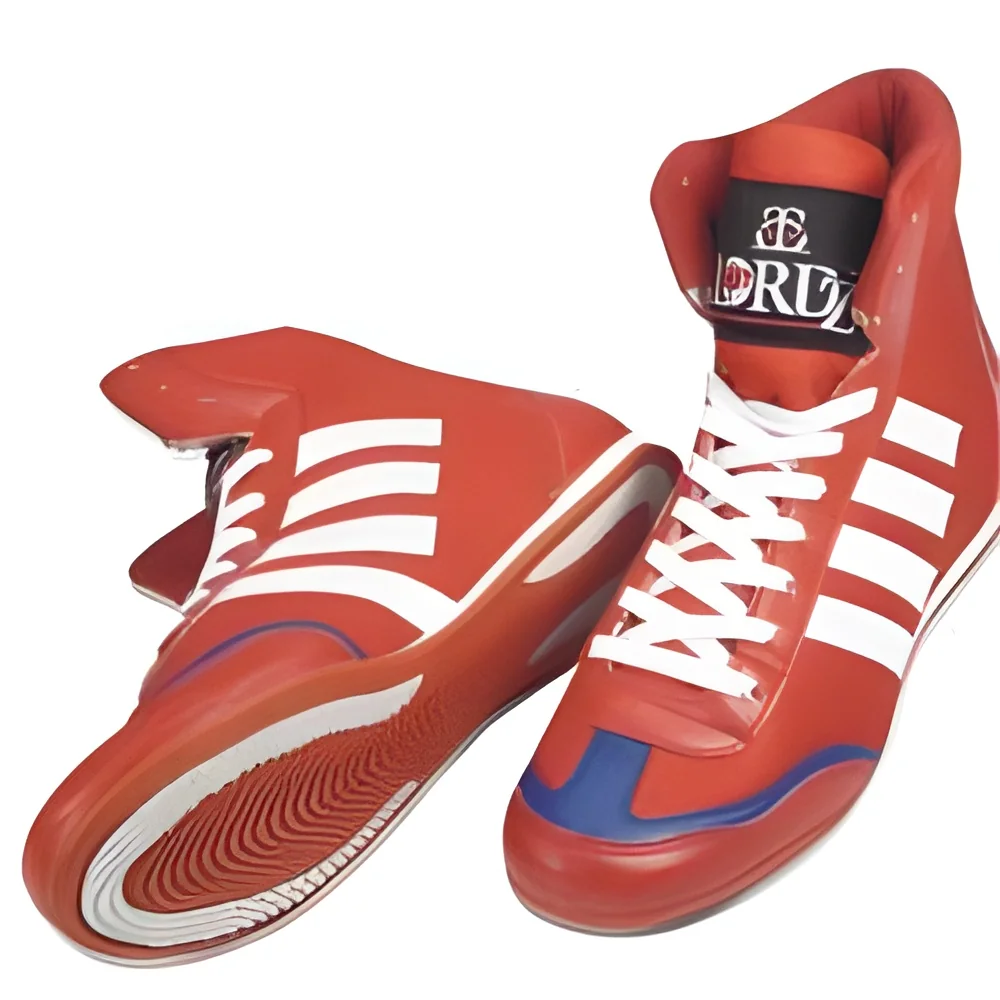
Boxing shoes are specialized footwear designed for athletes participating in boxing and other combat sports. These shoes are crafted to provide optimal support, flexibility, and traction, allowing boxers to move swiftly and maintain balance during matches. Unlike regular athletic shoes, boxing shoes typically feature a lightweight design and a high-top style that offers ankle support, which is crucial for quick lateral movements and footwork.
The primary uses of boxing shoes extend beyond just competition. They are also utilized in training sessions, fitness classes, and other martial arts disciplines. Businesses involved in sports equipment supply, gyms, and fitness studios often stock boxing shoes to cater to their clients' needs. The demand for high-quality boxing shoes has risen with the growing popularity of boxing training programs and fitness routines, making this market increasingly relevant in the sports industry.
As the boxing footwear market continues to grow, it is essential for businesses to stay updated on the latest trends and innovations. With various brands competing to offer the best features, understanding the specific needs of athletes can guide purchasing decisions. This growing market presents opportunities for suppliers and manufacturers to provide tailored solutions that enhance performance and safety for boxers.
Key Features and Specifications
Boxing shoes are designed with various features that enhance performance and comfort. Understanding these specifications is crucial for businesses looking to procure boxing shoes that meet the needs of their clients.
Key specifications include:
1. Lightweight Construction
- Designed to reduce fatigue and allow for quick movements.
- Typically weighs between 8 to 12 ounces.
2. Ankle Support
- High-top design helps prevent ankle injuries during training and matches.
- Often includes padded collars for added comfort.
3. Traction Outsoles
- Rubber outsoles provide grip on various surfaces.
- Special tread patterns enhance stability and control.
4. Breathable Material
- Mesh panels or moisture-wicking fabrics improve ventilation.
- Keeps feet cool and dry during intense workouts.
5. Flexibility
- Shoes are designed to allow a full range of motion.
- Provides better footwork and agility in the ring.
6. Custom Fit
- Many models offer adjustable lacing systems or straps.
- Ensures a snug fit for maximum support.
7. Style Variations
- Available in various colors and designs to appeal to different tastes.
- Some brands offer limited edition models.
8. Price Range
- Typically range from $50 to $200, depending on brand and features.
In summary, the specifications of boxing shoes are tailored to meet the demands of boxers, ensuring they can perform at their best while reducing the risk of injury.
Common Applications and Use Cases
Boxing shoes are utilized across various industries, each with specific applications that highlight their versatility.
1. Sports Training: Boxing shoes are essential for athletes in training, providing the necessary support and traction for effective footwork and movement during drills.
2. Fitness Centers: Many gyms incorporate boxing training into their programs, requiring a stock of boxing shoes for members participating in classes.
3. Martial Arts Schools: Schools teaching multiple combat sports often use boxing shoes for their versatility and performance-enhancing features.
4. Competition Events: Professional boxing events require athletes to wear specialized shoes that comply with regulations while ensuring optimal performance.
5. Retail Sports Stores: Retailers stock boxing shoes to cater to amateur and professional boxers, providing them with options to enhance their training.
6. Fitness Equipment Rentals: Companies offering rental equipment for boxing training may include boxing shoes as part of their package to enhance user experience.
Product Variants and Subcategories
Boxing shoes come in various designs and styles to cater to different needs and preferences.
Lightweight Training Shoes
These shoes are designed for intense training sessions, featuring a minimalistic design that emphasizes speed and agility. They often have enhanced ventilation and a flexible sole for maximum movement.
Competition Shoes
Tailored for professional boxers, competition shoes offer superior grip and support. They are typically made from high-quality materials to withstand the rigors of competitive matches.
High-Top Shoes
These variants provide additional ankle support, which is crucial for boxers who require stability during rapid movements. They are commonly used in both training and competition settings.
Low-Cut Shoes
Low-cut boxing shoes are preferred by athletes seeking more freedom of movement. They are lightweight and allow for better flexibility, making them ideal for training.
Benefits and Advantages
Boxing shoes provide several advantages that enhance athletic performance and safety.
Key benefits include:
1. Enhanced Performance: The lightweight design allows for faster movements and quicker footwork, which is essential in boxing.
2. Injury Prevention: With proper ankle support and traction, boxing shoes help reduce the risk of injuries during training and competition.
3. Improved Comfort: Breathable materials and padded collars contribute to overall comfort, enabling athletes to train longer without discomfort.
4. Versatility: Boxing shoes can be used in various settings, including gyms and training facilities, making them a practical choice for athletes.
5. Customization Options: Many brands offer customizable shoes, allowing athletes to choose features that best suit their needs.
6. Fashion Appeal: With various styles available, boxers can express their personality while adhering to performance standards.
Buying Guide for B2B Buyers
When sourcing boxing shoes, several factors should be considered to ensure the right selection for your business needs.
1. Quality Assessment: Evaluate the materials and construction quality of the shoes. Look for durable materials that withstand frequent use and maintain performance standards.
2. Supplier Verification: Vet suppliers to ensure they provide reliable products. Check for certifications and customer reviews to assess their reputation in the market.
3. Pricing and MOQ: Understand the pricing structures and minimum order quantities. This knowledge will help you budget effectively and negotiate better deals.
4. Delivery and Lead Times: Consider logistics and ensure that suppliers can meet your delivery requirements. Timely delivery is crucial for maintaining inventory levels.
5. Compliance Requirements: Be aware of any industry standards and compliance regulations that apply to boxing shoes. Ensure that the products meet these requirements before making a purchase.
Compliance and Certifications
Boxing shoes must adhere to specific quality standards and certifications to ensure safety and performance.
Relevant quality standards include ISO 9001, which focuses on maintaining quality management systems. This certification assures buyers of consistent quality in the manufacturing process.
Additionally, boxing shoes should comply with CE certification, indicating that the products meet European safety, health, and environmental protection standards. This certification is important for businesses looking to sell in European markets.
Safety and testing requirements are crucial to ensure that the shoes can withstand the rigors of boxing. Manufacturers should conduct thorough testing to verify the durability and performance of the shoes.
Finally, regional compliance considerations may vary. Buyers should familiarize themselves with local regulations to ensure that the products they procure meet all necessary standards.
Why Source Boxing Shoes from Pepagora?
Pepagora provides a trusted platform for sourcing boxing shoes, offering several key advantages for B2B buyers.
Verified Supplier Network: Pepagora has a robust network of verified suppliers, ensuring that buyers can access high-quality products from reputable manufacturers. This network helps businesses make informed purchasing decisions.
Streamlined RFQ Process: The platform features a simplified Request for Quotation (RFQ) process that allows buyers to quickly obtain quotes from multiple suppliers. This efficiency can save time and enhance procurement strategies.
Trade Assurance and Support: Pepagora offers trade assurance, providing buyers with essential protection in their transactions. This support helps ensure a smooth purchasing experience, reducing risks associated with sourcing.
Regional Coverage: With a strong presence in regions such as India, the GCC, and Southeast Asia, Pepagora connects buyers with local suppliers who understand market demands. This geographic reach facilitates efficient sourcing and distribution of boxing shoes to meet the needs of diverse markets.

Frequently Asked Questions
What are Boxing Shoes?
Boxing shoes are specialized footwear designed to provide boxers with the support and grip needed during training and competition. They are typically lightweight, with a high-top design to support the ankles, and feature a rubber sole for enhanced traction on the canvas.
What are the different types of Boxing Shoes?
There are several types of boxing shoes, including high-top, mid-top, and low-top designs. High-top shoes provide maximum ankle support, while mid-top and low-top options are preferred for their lightweight feel and increased mobility.
How do I choose the right Boxing Shoes?
To choose the right boxing shoes, consider factors such as fit, support, and weight. It is important to try on different styles and sizes to ensure proper comfort and stability during movement in the ring.
What are the standard specifications for Boxing Shoes?
Standard specifications for boxing shoes typically include a lightweight construction, a rubber sole for grip, and breathable materials for ventilation. The height of the shoe can vary, with options available for high, mid, and low tops.
What is the price range for Boxing Shoes?
The price range for boxing shoes can vary widely, typically starting from around ₹2,000 and going up to ₹10,000 or more, depending on the brand and features. Higher-priced models may offer advanced materials and enhanced durability.
What quality standards apply to Boxing Shoes?
Boxing shoes should meet certain quality standards, including durability, comfort, and performance. Manufacturers often adhere to international standards to ensure that the shoes provide adequate support and grip during use.
Where can I find Boxing Shoes suppliers in India?
You can find boxing shoe suppliers in India through B2B marketplaces like Pepagora, trade shows, and local sports equipment retailers. Additionally, online searches for boxing shoe manufacturers can yield reliable suppliers.
Can Boxing Shoes be customized?
Yes, many manufacturers offer customization options for boxing shoes, including personalized designs, colors, and sizes. Customization can enhance branding for teams or individuals and ensure a perfect fit.
What is the typical minimum order quantity for Boxing Shoes?
The typical minimum order quantity (MOQ) for boxing shoes can vary by supplier, but it generally ranges from 50 to 100 pairs. It's advisable to check with specific manufacturers for their MOQ requirements.
What is the typical lead time for Boxing Shoes?
The typical lead time for boxing shoes can range from 4 to 8 weeks, depending on the supplier and whether the shoes are in stock or require customization. It's important to confirm lead times with the supplier before placing an order.
Why Businesses Trust Pepagora
Thousands of companies trust Pepagora to source smarter and sell faster
Expand Your Sales Globally

Source Smarter,Grow Faster
