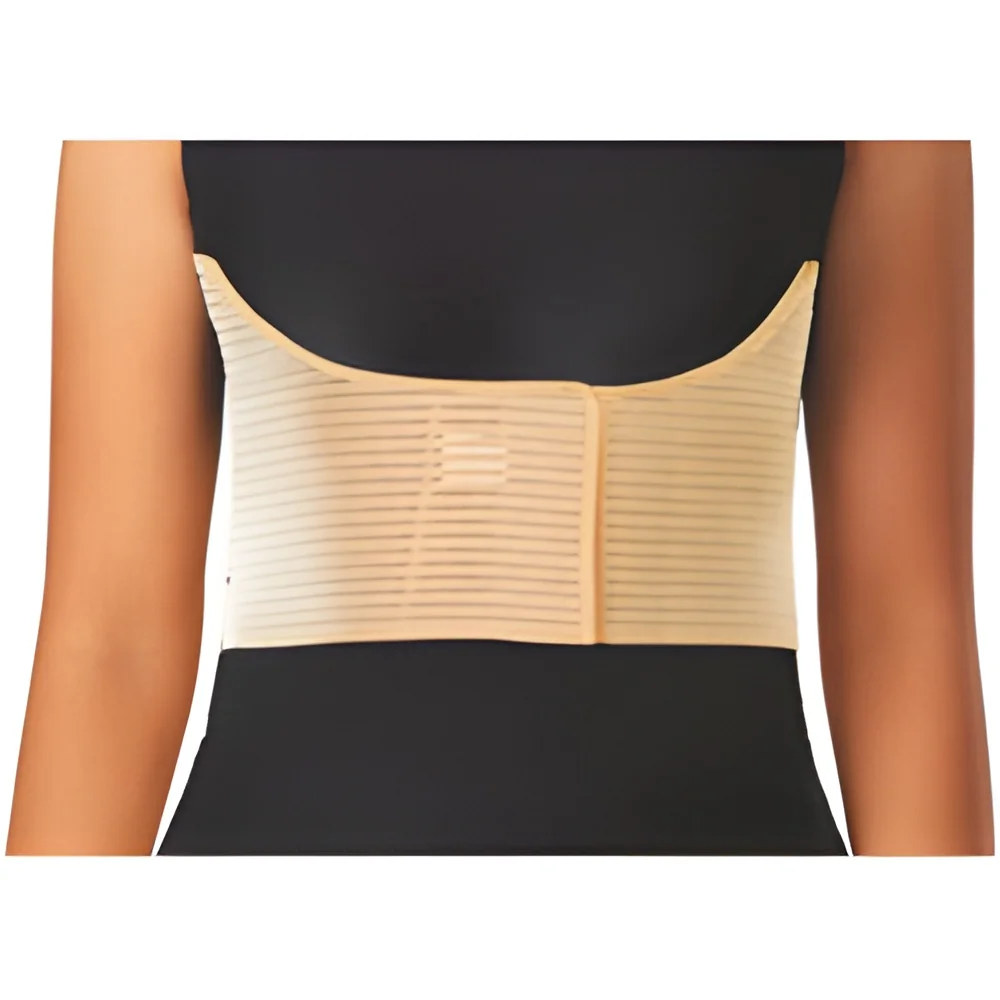
What are Chest & Rib Guards?
Chest and rib guards are protective gear designed to shield the torso, specifically the chest and rib area, from impacts and injuries. These guards are typically constructed from durable materials that absorb shock and provide a barrier against physical harm. They are often used in various applications where protection from blunt force trauma is essential.
The primary uses of chest and rib guards extend across multiple industries, including construction, manufacturing, and sports. In construction, these guards help protect workers from falling objects and other potential hazards. In manufacturing, they serve to safeguard employees from equipment-related injuries. Additionally, in sports, players wear chest and rib guards to reduce the risk of injury during contact activities.
In today's market, the relevance of chest and rib guards is increasing due to heightened safety regulations and a growing awareness of occupational hazards. Companies are investing in protective equipment to ensure the safety of their workers, leading to a rise in demand for high-quality protective gear. This trend underscores the importance of selecting reliable chest and rib guards that meet industry standards.
Key Features and Specifications
Chest and rib guards offer a range of features that enhance safety and comfort for the wearer. Understanding these specifications is crucial for selecting the right product for specific applications.
Key specifications include:
1. Material Composition
- Typically made from high-impact resistant polymers or composite materials
- Designed for durability and long-lasting protection
2. Size and Fit
- Available in different sizes to accommodate various body types
- Adjustable straps or designs for a secure fit
3. Weight
- Lightweight construction for ease of movement
- Typically weighs between 300g to 800g depending on the model
4. Impact Resistance
- Certified to withstand specific impact levels as per industry standards
- Testing ensures protection from blunt force trauma
5. Breathability
- Ventilated designs to allow airflow and reduce heat build-up
- Moisture-wicking materials to enhance comfort
6. Certification
- Compliant with safety standards such as CE certification
- Verification of quality and performance
7. Customization Options
- Potential for branding and personalization
- Tailored designs for specific industry requirements
8. Maintenance Requirements
- Easy to clean and maintain for long-term use
- Recommendations for care to ensure longevity
In summary, chest and rib guards are engineered with critical features that prioritize safety and comfort. Understanding these specifications helps businesses choose the right guards for their specific needs.
Common Applications and Use Cases
Chest and rib guards have diverse applications across various industries. Their protective qualities make them essential in numerous settings.
1. Construction: Workers in construction sites wear chest and rib guards to protect against falling debris and accidental impacts, ensuring their safety in hazardous environments.
2. Manufacturing: In manufacturing plants, these guards help protect employees from machinery-related injuries, reducing the risk of workplace accidents.
3. Sports: Athletes in contact sports, such as rugby or hockey, utilize chest and rib guards to minimize the risk of injury during physical encounters.
4. Emergency Services: First responders wear chest and rib guards while performing rescue operations to safeguard against potential hazards.
5. Military: Personnel in the armed forces use these protective gears during training and combat to protect vital areas from injury.
6. Warehousing: Employees in warehouses benefit from chest and rib guards to prevent injuries from heavy lifting and equipment handling.
7. Motor Sports: Racers and motorcycle riders wear specialized chest and rib guards for protection against impacts during high-speed events.
Product Variants and Subcategories
Chest and rib guards come in several variants to cater to different needs and preferences. Although specific subcategories are not available, the following variants represent the diversity of options in the market.
Standard Chest Guard
This variant offers essential protection with a focus on impact resistance and comfort. It is suitable for various industries and can be adjusted for a secure fit.
Sports Chest Guard
Designed specifically for athletes, this variant prioritizes mobility and breathability. It is lightweight and often features moisture-wicking materials to enhance performance during physical activities.
Heavy-Duty Rib Guard
This variant provides enhanced protection with additional padding and reinforced materials. It is ideal for construction and manufacturing environments where the risk of severe impact is higher.
Chemical-Resistant Chest Guard
Engineered for environments where chemical exposure is a concern, this variant is made from materials that resist corrosive substances while still providing essential protective features.
Benefits and Advantages
Investing in chest and rib guards provides several key benefits that enhance workplace safety and employee well-being.
1. Enhanced Safety: Chest and rib guards significantly reduce the risk of injuries from impacts and accidents, promoting a safer work environment.
2. Increased Comfort: Many models are designed with breathability and adjustability in mind, ensuring that wearers remain comfortable during prolonged use.
3. Compliance with Regulations: Using certified protective gear helps businesses meet safety regulations and standards, reducing liability and enhancing employee trust.
4. Durability: Made from robust materials, chest and rib guards are built to withstand harsh conditions, ensuring long-term use and reliability.
5. Versatility: These guards can be utilized across various industries, making them a flexible investment for businesses operating in different sectors.
6. Improved Employee Morale: Providing high-quality protective gear demonstrates a commitment to employee safety, which can boost morale and job satisfaction.
Buying Guide for B2B Buyers
When sourcing chest and rib guards, several factors should be considered to ensure the right choice for your organization.
1. Quality Assessment: Evaluate the quality of materials and construction techniques used in the guards. Look for certifications and testing results that validate their protective capabilities.
2. Supplier Verification: Vet potential suppliers to ensure they have a track record of reliability and quality. Request references and check for industry certifications.
3. Pricing and MOQ: Understand the pricing structure and minimum order quantities. Compare quotes from different suppliers to find the best value without compromising quality.
4. Delivery and Lead Times: Inquire about logistics and expected delivery times. Timely delivery is crucial for maintaining safety standards in the workplace.
5. Compliance Requirements: Ensure that the guards comply with relevant safety regulations and standards in your industry. This is vital for ensuring legal compliance and employee safety.
Compliance and Certifications
Chest and rib guards must adhere to various quality standards and certifications to ensure their effectiveness and safety in protective applications. Compliance with ISO 9001 standards is critical, as it demonstrates a commitment to quality management systems within the manufacturing process.
Additionally, the CE certification indicates that the product has met essential health and safety requirements set by the European Union. This certification is essential for products sold in European markets and assures customers of their quality and safety.
Safety and testing requirements for chest and rib guards often involve rigorous assessment procedures to evaluate their impact resistance and durability. Manufacturers must conduct tests that simulate real-world conditions to ensure that the guards can withstand expected hazards.
Regional compliance considerations are also important, as different countries or regions may have specific regulations regarding protective gear. Businesses should be aware of these regulations to ensure they are sourcing compliant products for their operations.
Why Source Chest & Rib Guards from Pepagora?
Pepagora provides a trusted platform for sourcing chest and rib guards, offering several key advantages that streamline the buying process.
Verified Supplier Network: Pepagora boasts a network of verified suppliers committed to quality and reliability. This network ensures that buyers can source high-quality protective gear with confidence.
Streamlined RFQ Process: The platform features a streamlined Request for Quotation (RFQ) process that simplifies the procurement of chest and rib guards. Buyers can easily request quotes from multiple suppliers, making comparisons straightforward.
Trade Assurance and Support: Pepagora offers trade assurance and support to protect buyers during transactions. This feature enhances buyer confidence and reduces the risks associated with international procurement.
Regional Coverage: With a strong presence in regions such as India, the Gulf Cooperation Council (GCC), and Southeast Asia, Pepagora ensures that buyers have access to a wide range of suppliers and products tailored to their specific needs.
By choosing Pepagora for sourcing chest and rib guards, businesses can ensure they are making informed decisions while prioritizing safety and quality in their protective gear procurement.

 IN
IN