
 IN
Automated Storage & Retrieval Systems (ASRS)
2 products available
Key Features and Specifications
Automated Storage & Retrieval Systems come with various features and specifications that cater to diverse business needs. These systems are designed to provide high levels of efficiency, accuracy, and flexibility. Understanding the key specifications helps businesses make informed decisions when selecting an ASRS.
Key specifications include:
1. Storage Density
- The amount of storage space utilized in relation to the overall warehouse area.
- Can vary based on system design and configuration.
2. Throughput Rate
- The number of items that can be processed per hour.
- Typically ranges from hundreds to thousands of items, depending on system capacity.
3. System Type
- Types include unit-load, mini-load, and vertical lift modules (VLM).
- Each type is suited for different applications and storage needs.
4. Control System
- The software used to manage operations, including inventory tracking and retrieval processes.
- Often integrates with existing warehouse management systems (WMS).
5. Speed of Operation
- Refers to the speed at which items can be stored or retrieved.
- Generally varies based on the specific ASRS technology used.
6. Flexibility
- The ability to adapt to changing inventory requirements and warehouse layouts.
- Important for businesses with fluctuating demands.
7. Safety Features
- Includes emergency stop functions, safety barriers, and collision avoidance systems.
- Essential for ensuring safe operation in busy warehouse environments.
8. Maintenance Requirements
- The frequency and type of maintenance needed to keep the system operational.
- Varies based on the complexity and type of ASRS.
In summary, the features and specifications of Automated Storage & Retrieval Systems play a critical role in determining their suitability for various business applications. A thorough understanding of these specifications can help businesses select the most appropriate ASRS for their needs.
Common Applications and Use Cases
Automated Storage & Retrieval Systems are utilized across a range of industries, providing tailored solutions to meet specific operational needs.
1. E-commerce: ASRS are widely used to improve order fulfillment efficiency, enabling rapid processing of online orders and reducing delivery times.
2. Manufacturing: In manufacturing environments, ASRS streamline the storage and retrieval of raw materials and finished goods, enhancing overall productivity.
3. Food and Beverage: ASRS help manage inventory in food storage, ensuring compliance with safety regulations and improving stock rotation.
4. Pharmaceuticals: ASRS are critical in pharmaceutical distribution centers, where accuracy in inventory management is paramount to ensuring patient safety.
5. Retail: Retailers use ASRS to optimize backroom storage and improve inventory accuracy, enhancing the overall shopping experience.
6. Automotive: ASRS facilitate the efficient storage of automotive parts, reducing lead times and improving supply chain management.
7. Aerospace: In the aerospace industry, ASRS manage the storage of components and tools, ensuring quick access and organization.
Product Variants and Subcategories
Automated Storage & Retrieval Systems come in various forms to cater to different operational requirements. Each variant offers specific features and benefits.
Unit-Load ASRS
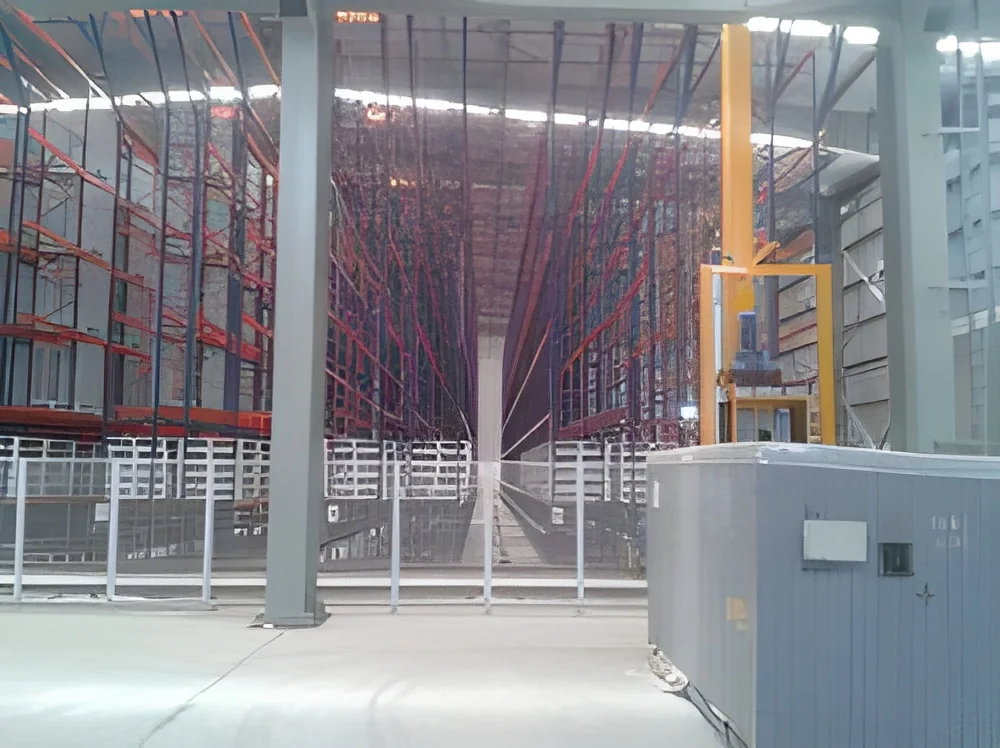
Unit-load systems are designed for handling large, heavy items. They typically use palletized loads and are suitable for warehouses with high-volume storage needs. These systems can efficiently manage the storage and retrieval of bulk items.
Mini-Load ASRS
Mini-load systems are ideal for smaller items and high-density storage. They use specialized carriers to automate the storage and retrieval process, making them perfect for industries with numerous small parts, such as electronics and pharmaceuticals.
Vertical Lift Modules (VLM)
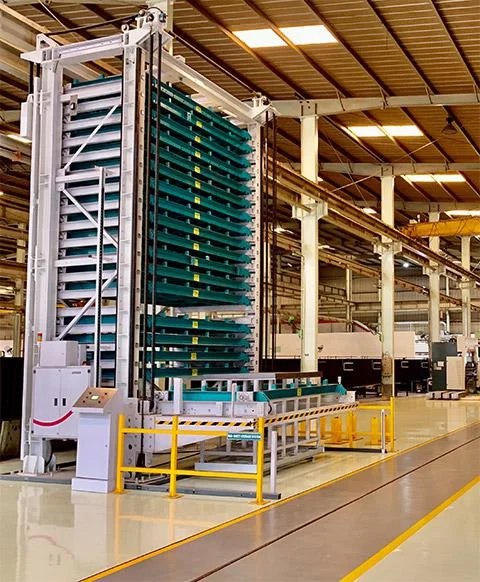
VLM systems consist of an enclosed structure that automatically delivers items to an operator at an ergonomic height. This variant is excellent for maximizing vertical storage space and reducing the footprint of storage areas.
Benefits and Advantages
Implementing Automated Storage & Retrieval Systems can yield significant advantages for businesses.
1. Increased Efficiency: ASRS streamline warehouse operations, leading to faster order processing and reduced cycle times.
2. Enhanced Accuracy: Automated systems minimize human errors in inventory management, ensuring precise stock levels and reducing discrepancies.
3. Space Optimization: ASRS maximize storage capacity by utilizing vertical space, helping businesses make the most of their warehouse footprint.
4. Labor Cost Reduction: By automating storage and retrieval processes, businesses can reduce labor costs and reallocate staff to more value-added tasks.
5. Improved Safety: ASRS enhance workplace safety by reducing manual handling and the risk of accidents associated with manual storage.
6. Scalability: ASRS are flexible and can be easily scaled to accommodate changing business demands, making them suitable for growing companies.
Buying Guide for B2B Buyers
When sourcing Automated Storage & Retrieval Systems (ASRS), it is important for buyers to consider several critical factors.
1. Quality Assessment: Buyers should evaluate the quality of the ASRS by examining materials, construction, and technology used. Look for systems that meet industry standards for durability and reliability.
2. Supplier Verification: It is crucial to vet suppliers thoroughly. Check for certifications, customer reviews, and past project experience to ensure the supplier is reputable and capable of meeting your needs.
3. Pricing and MOQ: Understand the pricing structure and minimum order quantities. This will help buyers determine budget constraints and negotiate effectively.
4. Delivery and Lead Times: Consider lead times for installation and delivery. Efficient logistics are essential to avoid disruptions in operations during system implementation.
5. Compliance Requirements: Ensure that the ASRS complies with relevant regulations and safety standards. Understanding compliance requirements can prevent future operational challenges.
Compliance and Certifications
Automated Storage & Retrieval Systems must adhere to various quality and safety standards. ISO 9001 is a widely recognized standard that ensures organizations maintain a consistent quality management system. Compliance with HACCP guidelines is also critical for industries dealing with food products, ensuring food safety throughout the storage process.
In addition, industry certifications such as CE mark indicate that the products meet European safety and environmental protection standards. Safety and testing requirements vary by region, and it is essential for businesses to understand local regulations when sourcing ASRS. Buyers should also consider regional compliance issues that may affect installation and operation.
Why Source Automated Storage & Retrieval Systems (ASRS) from Pepagora?
Pepagora offers a trusted platform for sourcing Automated Storage & Retrieval Systems (ASRS) with several key advantages.
Our verified supplier network ensures that buyers connect with reputable manufacturers and distributors. Each supplier undergoes a thorough vetting process, providing peace of mind regarding quality and reliability.
The streamlined RFQ process simplifies obtaining quotes from multiple suppliers, allowing buyers to compare options efficiently. This process saves time and facilitates informed decision-making.
Trade assurance and support are integral to the Pepagora experience. Our platform offers buyer protection, ensuring that transactions are secure and that any issues that may arise are addressed promptly.
Finally, Pepagora's regional coverage across India, the GCC, and Southeast Asia allows businesses to access a diverse range of ASRS solutions tailored to their specific market needs. This broad geographic reach enhances the ability to find the right products for varied business applications.

 India
 India
Frequently Asked Questions
What are Automated Storage & Retrieval Systems (ASRS)?
Automated Storage & Retrieval Systems (ASRS) are computer-controlled systems designed to automatically store and retrieve items in a warehouse or distribution center. They enhance efficiency and accuracy in inventory management by minimizing human intervention and maximizing space utilization.
What are the different types of Automated Storage & Retrieval Systems (ASRS)?
The different types of ASRS include unit load ASRS, mini-load ASRS, vertical lift modules, and shuttle systems. Each type is designed for specific applications, such as handling pallets, small parts, or high-density storage, catering to varying operational needs.
How do I choose the right Automated Storage & Retrieval Systems (ASRS)?
Choosing the right ASRS involves assessing your storage needs, inventory types, and space constraints. It's also important to consider factors such as throughput requirements, system scalability, and integration with existing warehouse management systems.
What are the standard specifications for Automated Storage & Retrieval Systems (ASRS)?
Standard specifications for ASRS include load capacity, storage density, retrieval speed, and overall system dimensions. Additionally, factors like power consumption, safety features, and the technology used for control and automation are essential considerations.
What is the price range for Automated Storage & Retrieval Systems (ASRS)?
The price range for ASRS can vary widely depending on the system type, specifications, and customization options. Generally, prices can start from a few lakhs to several crores, influenced by the complexity and scale of the system.
What quality standards apply to Automated Storage & Retrieval Systems (ASRS)?
Quality standards for ASRS typically include ISO certifications, which ensure compliance with international safety and performance benchmarks. Manufacturers may also adhere to specific industry standards relevant to their target markets, ensuring reliability and durability.
Where can I find Automated Storage & Retrieval Systems (ASRS) suppliers in India?
You can find ASRS suppliers in India through B2B marketplaces like Pepagora, industry trade shows, and online directories. It's advisable to research suppliers' reputations and customer reviews to ensure quality and reliability.
Can Automated Storage & Retrieval Systems (ASRS) be customized?
Yes, ASRS can be customized to meet specific operational requirements, including size, storage configurations, and software integration. Custom solutions help businesses optimize their storage processes and enhance overall efficiency.
What is the typical minimum order quantity for Automated Storage & Retrieval Systems (ASRS)?
The typical minimum order quantity (MOQ) for ASRS can vary by manufacturer and system type. Generally, due to the complexity and cost of these systems, the MOQ may be set at one complete system or a predefined set of components.
What is the typical lead time for Automated Storage & Retrieval Systems (ASRS)?
The typical lead time for ASRS can range from a few weeks to several months, depending on the system's complexity and customization requirements. It's recommended to discuss lead times with suppliers during the procurement process to ensure timely delivery.
Why Businesses Trust Pepagora
Thousands of companies trust Pepagora to source smarter and sell faster
Expand Your Sales Globally

Source Smarter,Grow Faster
