
 IN
Anti-Theft Devices
1 products available
What are Anti-Theft Devices?
Anti-theft devices are security solutions designed to deter theft and protect valuable assets. These devices can range from simple locks to advanced electronic systems that provide real-time monitoring and alerts. They are crucial in safeguarding property, equipment, and inventory from unauthorized access, theft, or vandalism.
These devices find their primary use in various sectors, including retail, transportation, and warehousing. Businesses utilize anti-theft devices to enhance security measures, reduce losses, and improve overall safety in their operations. With increasing concerns about theft and security breaches, the demand for effective anti-theft solutions has surged across multiple industries. Companies are investing in these devices to protect their assets and ensure a secure environment for their employees and customers.
The relevance of anti-theft devices in today's market cannot be overstated. As crime rates fluctuate and businesses become more aware of potential risks, the industry for anti-theft solutions continues to expand. With advancements in technology, modern anti-theft devices are becoming more sophisticated, providing enhanced protection and monitoring capabilities. This has created a competitive landscape for suppliers and manufacturers, making it essential for businesses to choose reliable solutions tailored to their needs.
Key Features and Specifications
Anti-theft devices come with a variety of features and specifications that enhance their effectiveness and reliability. Understanding these specifications is essential for B2B buyers looking to invest in robust security solutions.
Key specifications include:
1. Type of Device
- Various types available such as locks, alarms, and tracking systems
- Each type serves specific security needs and applications
2. Power Source
- Devices may be battery-operated or hardwired
- Battery life and backup options are important considerations
3. Connectivity
- Some devices offer wireless connectivity for remote monitoring
- Compatibility with security systems is crucial for integrated solutions
4. Alarm Features
- Many devices include audible alarms or silent alerts
- Alarm sensitivity settings can usually be adjusted
5. Materials Used
- High-quality materials enhance durability and resistance to tampering
- Corrosion-resistant finishes may be available for outdoor use
6. User Interface
- Devices may feature simple controls or advanced apps for management
- User-friendliness is essential for quick operation and response
7. Installation Requirements
- Some devices require professional installation while others are DIY
- Clear guidelines for installation can simplify the process
8. Warranty and Support
- Warranty terms vary by manufacturer
- Availability of customer support can impact long-term satisfaction
In summary, understanding the key features and specifications of anti-theft devices helps businesses make informed decisions about the best solutions for their security needs.
Common Applications and Use Cases
Anti-theft devices serve various industries with specific applications tailored to their unique security challenges.
1. Retail: Retailers frequently use anti-theft devices such as electronic article surveillance systems to prevent shoplifting. This helps protect inventory and reduce losses.
2. Transportation: Logistics companies implement GPS tracking devices to monitor vehicles and cargo. This ensures the safety of goods during transit and aids in recovery in case of theft.
3. Warehousing: Warehouses utilize advanced security systems, including motion detectors and alarm systems, to secure large storage areas and prevent unauthorized access.
4. Construction: Construction sites often employ heavy-duty locks and surveillance cameras to protect equipment and materials from theft during off-hours.
5. Hospitality: Hotels and resorts use electronic key cards and surveillance systems to secure guest rooms and common areas, enhancing guest safety and property protection.
6. Automotive: Car dealerships and rental agencies install anti-theft devices such as immobilizers and GPS trackers in vehicles to prevent theft and facilitate recovery.
7. Healthcare: Hospitals and clinics use anti-theft solutions to safeguard medical equipment and sensitive materials, ensuring patient safety and compliance.
Product Variants and Subcategories
Anti-theft devices come in various forms, each designed to meet specific security needs and applications.
Locking Systems: These include traditional locks, digital locks, and smart locks that offer various levels of security. They are commonly used in residential and commercial properties.
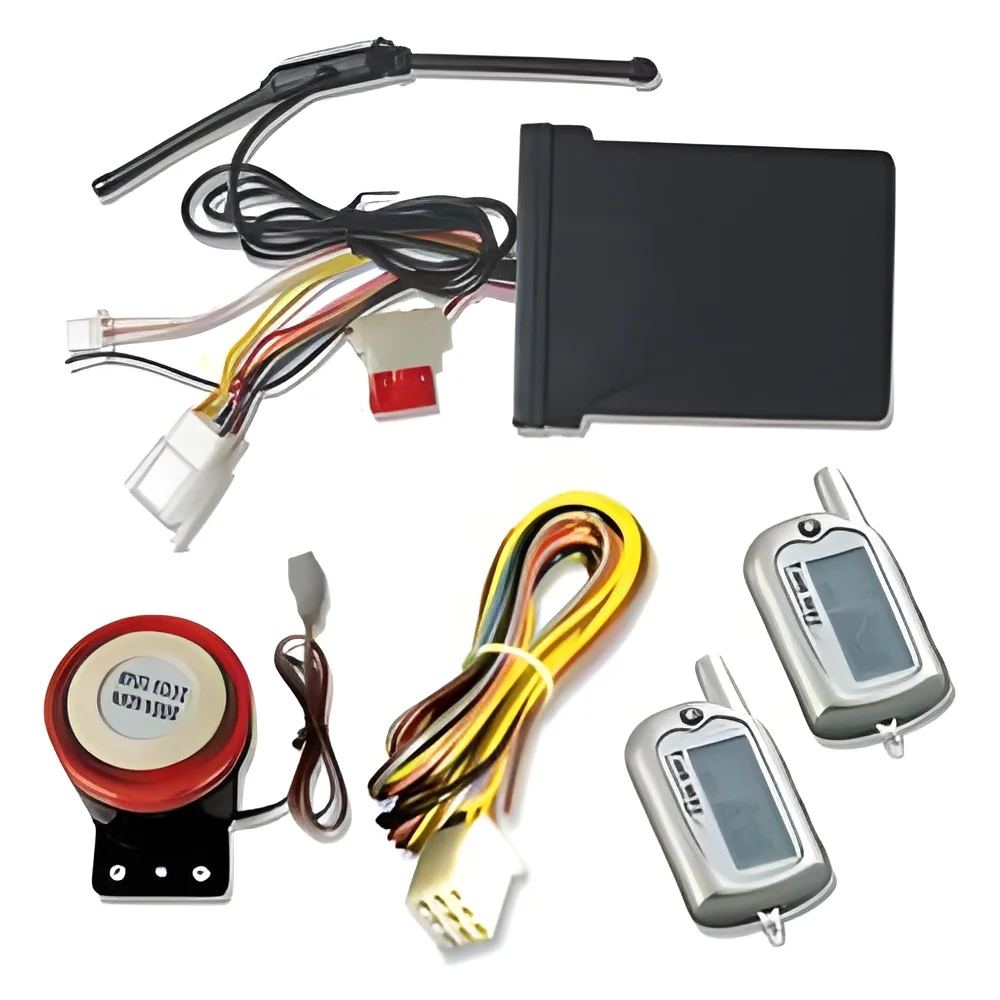
Alarm Systems: These devices trigger an alert when unauthorized access is detected. They can be standalone units or integrated into a broader security system.
GPS Tracking Devices: Used primarily in transportation and logistics, these devices track the location of assets in real-time, providing valuable information for recovery.
Surveillance Cameras: CCTV systems and smart cameras help monitor premises and deter theft through visible presence and recorded footage.
Motion Sensors: These devices detect movement and can trigger alarms or alerts, making them effective for securing specific areas.
Benefits and Advantages
Investing in anti-theft devices offers numerous benefits that enhance security and operational efficiency.
1. Loss Prevention: Anti-theft devices significantly reduce the risk of theft, protecting valuable assets and minimizing financial losses.
2. Enhanced Security: By implementing advanced security measures, businesses can create a safer environment for employees and customers.
3. Peace of Mind: Knowing that robust security systems are in place allows business owners to focus on operations without constant worry about theft.
4. Remote Monitoring: Many modern devices enable remote access and monitoring, allowing businesses to keep an eye on their assets in real-time from anywhere.
5. Customizable Solutions: Anti-theft devices can be tailored to meet specific business needs, ensuring the right level of security for different environments.
6. Increased Insurance Options: Having effective anti-theft measures in place can lead to lower insurance premiums, as insurers recognize the reduced risk of loss.
Buying Guide for B2B Buyers
When sourcing anti-theft devices, several key factors should be considered to ensure the best investment.
1. Quality Assessment: Evaluate the quality of the devices through reviews, certifications, and performance ratings. Look for reliable brands with a proven track record in security solutions.
2. Supplier Verification: Vet potential suppliers by checking their credentials, reputation, and customer feedback. A trustworthy supplier can provide ongoing support and maintenance.
3. Pricing and MOQ: Understand the pricing structure and any minimum order quantities. This helps in budgeting and ensures that you are getting competitive rates.
4. Delivery and Lead Times: Consider the logistics involved in delivery. Ensure that suppliers can meet your timelines to avoid interruptions in your operations.
5. Compliance Requirements: Be aware of any relevant industry regulations and standards that apply to anti-theft devices. Ensure that your chosen solutions adhere to these requirements for safety and effectiveness.
Compliance and Certifications
Compliance and certifications are critical aspects of anti-theft devices, ensuring they meet industry standards and safety requirements.
Relevant quality standards, such as ISO 9001, are essential for ensuring that products are manufactured consistently and meet customer expectations. Adhering to such standards reflects a commitment to quality and reliability.
Industry certifications, including CE marking, indicate that the devices comply with European safety standards, ensuring they are safe for use in various environments. This is particularly important for businesses operating in regions with strict regulatory requirements.
Safety and testing requirements often dictate that anti-theft devices undergo rigorous assessments before they are brought to market. This includes testing for durability, functionality, and resistance to tampering.
Regional compliance considerations can also play a significant role, as different areas may have specific regulations governing security products. Understanding these requirements helps businesses select compliant solutions that do not pose legal or operational risks.
Why Source Anti-Theft Devices from Pepagora?
Pepagora provides a trusted platform for sourcing anti-theft devices, offering numerous advantages for B2B buyers.
Verified Supplier Network: Pepagora has established a network of verified suppliers, ensuring that businesses can access high-quality products from reputable manufacturers. This reduces risks associated with sourcing security solutions.
Streamlined RFQ Process: The platform features a user-friendly request for quotation (RFQ) process, allowing businesses to quickly obtain quotes from multiple suppliers. This simplifies decision-making and enhances competitive pricing.
Trade Assurance and Support: Pepagora offers buyer protection through trade assurance policies, ensuring that transactions are secure and that buyers receive the products they expect. Ongoing support is also available to address any post-purchase concerns.
Regional Coverage: With a strong presence in India, GCC, and Southeast Asia, Pepagora enables businesses to connect with local suppliers while providing a wide range of anti-theft devices tailored to regional needs. This geographic reach ensures accessibility and convenience for buyers seeking effective security solutions.


 India
Frequently Asked Questions
What are Anti-Theft Devices?
Anti-Theft Devices are security tools designed to deter or prevent theft. They can be installed in various settings, including homes, vehicles, and businesses, to protect valuable assets from unauthorized access.
What are the different types of Anti-Theft Devices?
There are several types of Anti-Theft Devices, including alarms, immobilizers, GPS tracking systems, and locking mechanisms. Each type serves a unique purpose and can be used individually or in combination for enhanced security.
How do I choose the right Anti-Theft Devices?
Selecting the right Anti-Theft Device depends on your specific needs, the value of the items you wish to protect, and the environment in which they will be used. Consider factors such as ease of installation, reliability, and technology features when making your decision.
What are the standard specifications for Anti-Theft Devices?
Standard specifications for Anti-Theft Devices may include detection range, alarm volume, battery life, and compatibility with existing security systems. It is important to review these specifications to ensure the device meets your security requirements.
What is the price range for Anti-Theft Devices?
The price range for Anti-Theft Devices can vary widely based on type and features, typically ranging from a few hundred to several thousand Indian Rupees. Higher-end models with advanced technology generally cost more.
What quality standards apply to Anti-Theft Devices?
Quality standards for Anti-Theft Devices often include compliance with safety regulations and certifications such as ISO or CE. These standards ensure that the devices are reliable and effective in preventing theft.
Where can I find Anti-Theft Devices suppliers in India?
Anti-Theft Devices suppliers can be found through various online B2B marketplaces, trade shows, and industry directories. Platforms like Pepagora.com can help you connect with verified manufacturers and suppliers in India.
Can Anti-Theft Devices be customized?
Yes, many manufacturers offer customization options for Anti-Theft Devices to meet specific user requirements. Customization can include modifications to size, features, and branding.
What is the typical minimum order quantity for Anti-Theft Devices?
The minimum order quantity (MOQ) for Anti-Theft Devices varies by supplier, but it typically ranges from 10 to 50 units. It's advisable to check with individual suppliers for their specific MOQ policies.
What is the typical lead time for Anti-Theft Devices?
The typical lead time for Anti-Theft Devices can range from 2 to 6 weeks, depending on the manufacturer and the complexity of the order. It's recommended to confirm the estimated delivery time with the supplier before placing an order.
Why Businesses Trust Pepagora
Thousands of companies trust Pepagora to source smarter and sell faster
Expand Your Sales Globally

Source Smarter,Grow Faster
