What are Reverse Parking Cameras & Sensors?
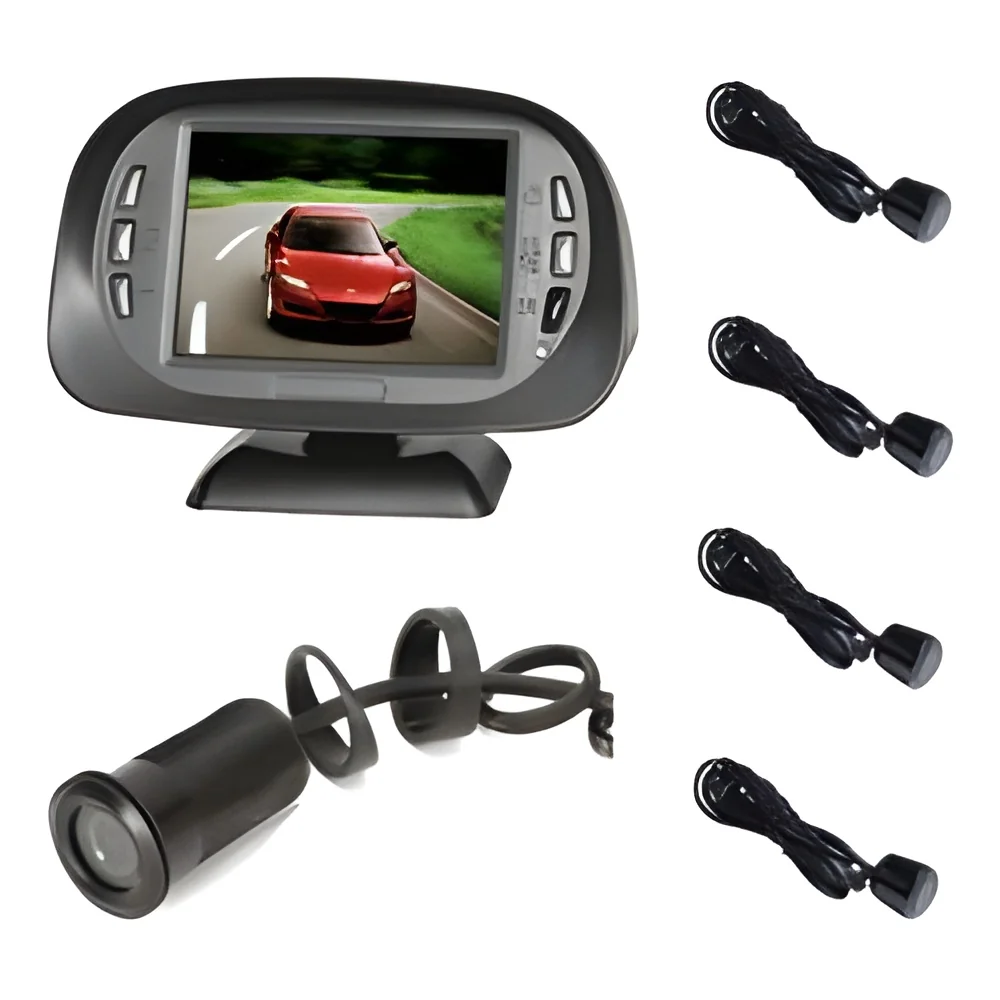
Reverse parking cameras and sensors are advanced safety devices designed to assist drivers while reversing their vehicles. These systems provide real-time visual and auditory feedback to help prevent collisions with obstacles, pedestrians, or other vehicles. The cameras capture a wide-angle view of the area behind the vehicle, while the sensors detect objects within a specified range, alerting the driver to potential hazards.
These products are primarily used in passenger vehicles, commercial fleets, and heavy machinery, making them essential for businesses that prioritize safety and efficiency. The integration of reverse parking cameras and sensors into vehicles has become increasingly relevant in today's automotive market. With the growing emphasis on road safety regulations and advanced driver-assistance systems (ADAS), businesses are adopting these technologies to enhance their operational safety and reduce accident rates.
Key Features and Specifications
Reverse parking cameras and sensors come equipped with various features aimed at improving user experience and safety. Understanding these specifications can help businesses select the right products for their needs.
Key specifications include:
1. Camera Resolution
- Common resolutions include 720p and 1080p HD
- Higher resolutions provide clearer images for better visibility
2. Viewing Angle
- Typical angles range from 120 to 180 degrees
- Wider angles offer more comprehensive coverage of the area behind the vehicle
3. Sensor Range
- Detection ranges usually extend from 0.3 to 2.5 meters
- Variability allows for tailored solutions based on vehicle size
4. Audio Alerts
- Systems often include beeping sounds that increase in frequency as obstacles get closer
- Alerts provide immediate feedback to the driver without needing visual confirmation
5. Night Vision Capabilities
- Some cameras are equipped with infrared technology for nighttime use
- Enhances safety during low-light conditions
6. Weather Resistance
- Products typically feature an IP67 rating for water and dust resistance
- Ensures durability in various environmental conditions
7. Installation Type
- Options include OEM integration or aftermarket installation
- Customizable based on specific vehicle models
8. Compatibility
- Many systems are compatible with various vehicle types, including cars, trucks, and buses
- Flexibility allows for widespread adoption across industries
These specifications highlight the importance of selecting the right reverse parking cameras and sensors to meet specific operational requirements.
Common Applications and Use Cases
Reverse parking cameras and sensors serve a multitude of industries, enhancing safety and operational efficiency.
1. Automotive Industry: These devices are used in passenger vehicles, providing drivers with enhanced visibility and reducing the risk of accidents in tight parking spaces.
2. Commercial Fleet Management: Companies utilize reverse parking systems in delivery vans and trucks to improve safety during loading and unloading operations in urban environments.
3. Construction Industry: Heavy machinery, such as excavators and bulldozers, are often equipped with these systems to assist operators in navigating tight spaces and avoiding obstacles on job sites.
4. Logistics and Warehousing: Forklifts and pallet jacks use reverse parking sensors to enhance safety while maneuvering in crowded warehouses, minimizing the risk of collisions.
5. Public Transport: Buses and coaches benefit from these technologies to ensure the safety of passengers while boarding and alighting in busy areas.
6. Agricultural Equipment: Tractors and other farming machinery use reverse cameras and sensors to improve visibility in fields and avoid accidents with livestock or equipment.
7. Emergency Services: Fire trucks and ambulances often incorporate these systems to ensure safe navigation in emergency situations where quick maneuvers are necessary.
Product Variants and Subcategories
Reverse parking cameras and sensors come in various configurations to meet diverse needs across industries.
Standard Reverse Parking Camera
This variant features a high-resolution camera with a wide viewing angle. It provides clear visual feedback and is suitable for passenger vehicles and small trucks.
Wireless Reverse Parking Sensor System
This system uses wireless technology to transmit signals from sensors to the driver’s display. It is easy to install and ideal for retrofitting older vehicles.
Integrated Camera and Sensor Systems
These advanced systems combine both camera and sensors into one unit, offering a comprehensive solution for larger vehicles or commercial fleets, enhancing safety during maneuvers.
Aftermarket Kits
These kits are designed for easy installation on vehicles without built-in systems. They are customizable and provide an affordable option for businesses looking to upgrade their fleet.
Benefits and Advantages
The integration of reverse parking cameras and sensors delivers significant advantages for businesses and drivers alike.
1. Enhanced Safety: These systems reduce the risk of accidents by providing real-time feedback, helping drivers avoid obstacles while reversing.
2. Increased Efficiency: By simplifying the parking process, these devices save time and reduce operational delays, particularly in busy environments.
3. Cost Savings: Fewer accidents lead to lower repair costs and insurance premiums, contributing to overall savings for businesses.
4. Improved Compliance: Utilizing these systems helps companies meet safety regulations and standards, ensuring compliance with local driving laws.
5. Better Driver Confidence: With additional visual and auditory cues, drivers feel more secure while reversing, leading to a more relaxed driving experience.
6. Versatile Applications: Suitable for various vehicle types, these systems can be adapted to meet the specific needs of different industries.
Buying Guide for B2B Buyers
When sourcing reverse parking cameras and sensors, buyers should consider several key factors to make informed decisions.
1. Quality Assessment: Evaluate the quality of the camera and sensor systems by reviewing specifications, customer reviews, and performance reports. High-quality components ensure reliability and durability.
2. Supplier Verification: Vet suppliers to ensure they have a solid reputation and comply with industry standards. Checking references and certifications is crucial for maintaining quality assurance.
3. Pricing and MOQ: Understand the price range for different systems and inquire about minimum order quantities (MOQ). This helps in budgeting for initial investments and ongoing purchases.
4. Delivery and Lead Times: Consider logistics and lead times when sourcing products. Reliable suppliers should provide clear timelines for delivery to minimize disruptions.
5. Compliance Requirements: Ensure that the products meet relevant safety and quality standards applicable to your region. Compliance with certifications like CE is essential for legal operations.
Compliance and Certifications
Reverse parking cameras and sensors must adhere to various quality standards and certifications to ensure safety and reliability in the marketplace.
ISO 9001 is a well-known quality management standard that indicates a manufacturer has consistent processes in place to ensure product quality. Compliance with ISO 9001 demonstrates a commitment to quality and customer satisfaction.
CE marking is another crucial certification, indicating that the product meets European Union safety, health, and environmental protection standards. This is particularly important for companies exporting their products to European markets.
Safety and testing requirements also play a significant role in the manufacturing process. Manufacturers must conduct rigorous testing to confirm that their systems function correctly under various conditions, ensuring reliability and performance.
Regional compliance considerations may vary, so it is essential for buyers to understand the specific regulations and standards applicable in their local market. Ensuring that products meet these requirements protects businesses from legal liabilities and enhances their credibility.
Why Source Reverse Parking Cameras & Sensors from Pepagora?
Pepagora provides a trusted platform for sourcing reverse parking cameras and sensors, offering numerous advantages for B2B buyers.
Verified Supplier Network: By connecting with a network of verified suppliers, Pepagora ensures that buyers have access to high-quality products from reputable manufacturers. This reduces the risks associated with sourcing and enhances buyer confidence.
Streamlined RFQ Process: Pepagora simplifies the request for quotation (RFQ) process, allowing buyers to easily compare offerings from multiple suppliers. This efficiency leads to better purchasing decisions and optimized procurement strategies.
Trade Assurance and Support: With trade assurance policies in place, Pepagora offers buyer protection against potential issues with orders. This support ensures that transactions are smooth and reliable, fostering long-term partnerships.
Regional Coverage: Pepagora caters to a wide geographic reach, including India, the Gulf Cooperation Council (GCC) countries, and Southeast Asia. This broad coverage allows businesses to source products conveniently and efficiently, regardless of their location.

 IN
IN