
 IN
IN₹
Motion Sensors for Vehicles
1 products available
𝗪𝗵𝗮𝘁 𝗮𝗿𝗲 𝗠𝗼𝘁𝗶𝗼𝗻 𝗦𝗲𝗻𝘀𝗼𝗿𝘀 𝗳𝗼𝗿 𝗩𝗲𝗵𝗶𝗰𝗹𝗲𝘀?
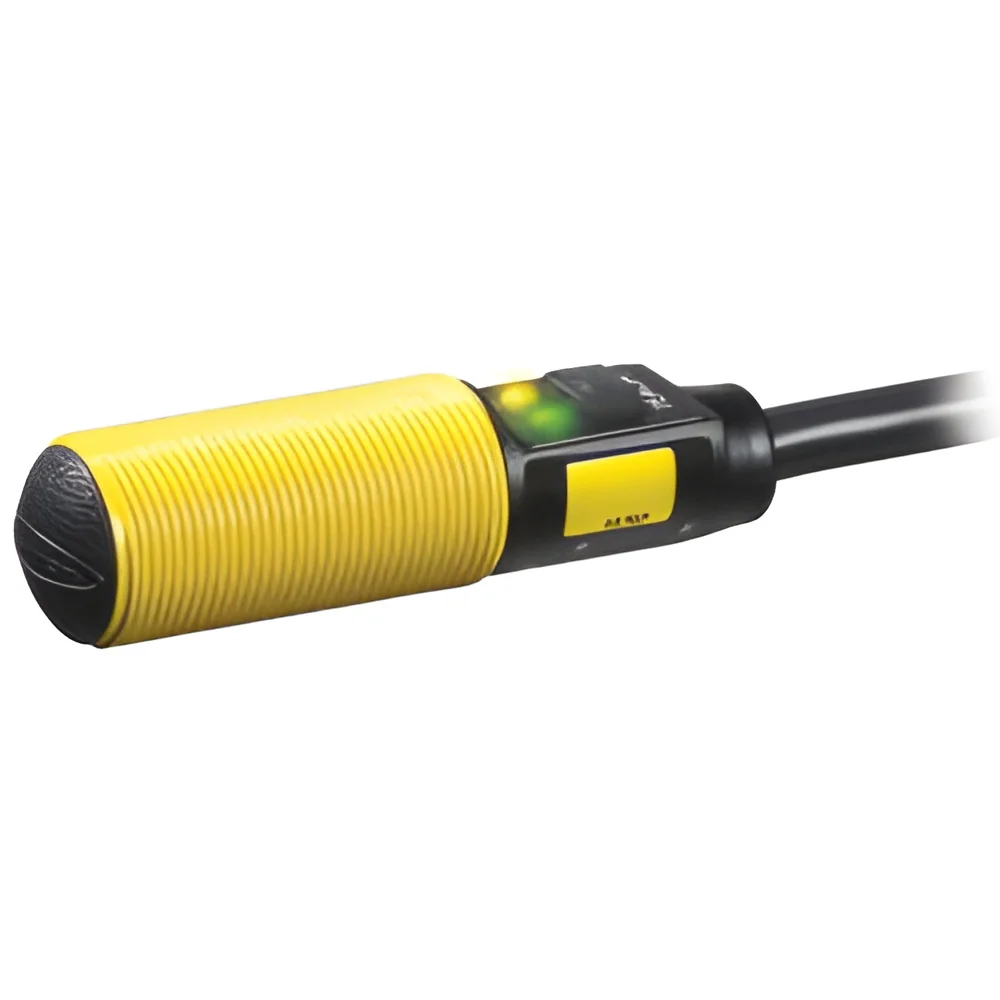
Motion sensors for vehicles are advanced devices designed to detect motion and movement in their vicinity. These sensors utilize various technologies, such as infrared or ultrasonic waves, to identify the presence of nearby objects or individuals, which can be crucial for enhancing safety and efficiency in automotive applications. By integrating motion sensors into vehicles, manufacturers can optimize various functionalities, including parking assistance, collision avoidance, and security systems.
The primary uses of motion sensors in vehicles span several applications that enhance both safety and convenience. They are widely employed in modern cars and trucks for features such as automatic braking, lane departure warnings, and adaptive cruise control. Additionally, motion sensors are essential for fleet management systems, providing real-time data on vehicle locations and movements. As the automotive industry increasingly focuses on automation and advanced driver-assistance systems (ADAS), the relevance of motion sensors continues to grow, solidifying their position in the market.
With the rise of electric vehicles and smart transportation solutions, the demand for motion sensors is expected to increase. These devices play a significant role in making vehicles safer and more efficient. As technology progresses, the integration of motion sensors in vehicles will likely lead to innovations that further improve vehicle functionality and user experience.
𝗞𝗲𝘆 𝗙𝗲𝗮𝘁𝘂𝗿𝗲𝘀 𝗮𝗻𝗱 𝗦𝗽𝗲𝗰𝗶𝗳𝗶𝗰𝗮𝘁𝗶𝗼𝗻𝘀
Motion sensors for vehicles come equipped with a variety of features and specifications that enhance their functionality. Understanding these specifications is essential for choosing the right sensor for specific applications.
Key specifications include:
1. Detection Range
- The distance within which the sensor can detect motion.
- Typically ranges from a few centimeters to several meters, depending on the technology used.
2. Response Time
- The time taken by the sensor to react to detected motion.
- Usually measured in milliseconds, with faster response times being crucial for safety applications.
3. Operating Temperature
- The range of temperatures in which the sensor can operate effectively.
- Data not available on specific temperature ranges.
4. Humidity Control
- The sensor's ability to function in varying humidity levels.
- Data not available on humidity specifications.
5. Power Supply
- The type of power source required for the sensor to operate.
- Options may include hardwired connections or battery-operated variants.
6. Mounting Options
- The different methods available for installing the sensor in vehicles.
- Options may include adhesive mounts, screws, or integration into vehicle systems.
7. Connectivity
- The communication protocols supported by the sensor.
- Common protocols include CAN bus, LIN bus, or wireless options for data transfer.
8. Certification
- Compliance with industry standards and certifications.
- CE certification is a standard for ensuring product safety and reliability.
In summary, selecting the right motion sensor for vehicles requires a comprehensive understanding of these key specifications. Each specification plays a critical role in ensuring that the sensor meets the operational needs of various applications.
𝗖𝗼𝗺𝗺𝗼𝗻 𝗔𝗽𝗽𝗹𝗶𝗰𝗮𝘁𝗶𝗼𝗻𝘀 𝗮𝗻𝗱 𝗨𝘀𝗲 𝗖𝗮𝘀𝗲𝘀
Motion sensors for vehicles are utilized across different industries, providing critical functionalities that improve safety and efficiency.
1. Automotive Industry: Motion sensors are integral to advanced driver-assistance systems (ADAS) in vehicles, enabling features such as automatic emergency braking and parking assistance.
2. Logistics and Fleet Management: These sensors help monitor vehicle movements and locations in real-time, enhancing fleet efficiency and security.
3. Public Transportation: Buses and trains use motion sensors to ensure passenger safety by detecting when individuals are too close to doors or platforms.
4. Security Systems: Motion sensors are employed in vehicle security systems, alerting owners to unauthorized access or movements.
5. Smart Cities: In urban planning, motion sensors are used in intelligent traffic management systems to monitor vehicle flows and optimize traffic signals.
6. Emergency Services: Ambulances and emergency vehicles utilize motion sensors to ensure safe navigation through traffic, enhancing response times.
7. Delivery Services: Last-mile delivery vehicles use motion sensors for tracking and managing delivery routes, improving efficiency and customer satisfaction.
𝗣𝗿𝗼𝗱𝘂𝗰𝘁 𝗩𝗮𝗿𝗶𝗮𝗻𝘁𝘀 𝗮𝗻𝗱 𝗦𝘂𝗯𝗰𝗮𝘁𝗲𝗴𝗼𝗿𝗶𝗲𝘀
Motion sensors for vehicles come in various forms to cater to specific needs and applications. This diversity allows businesses to select the most appropriate sensor for their requirements.
Variant 1: Ultrasonic Motion Sensors
These sensors utilize ultrasonic waves to detect motion within a specified range. They are commonly used in parking assistance systems, where they help drivers navigate tight spaces by providing distance measurements to nearby objects.
Variant 2: Infrared Motion Sensors
Infrared sensors detect heat emitted by objects, making them ideal for security applications. They are often employed in alarm systems to monitor unauthorized access to vehicles.
Variant 3: Laser Motion Sensors
These sensors use laser technology for precise motion detection and are typically used in advanced safety systems. Their high accuracy makes them suitable for applications requiring quick response times.
𝗕𝗲𝗻𝗲𝗳𝗶𝘁𝘀 𝗮𝗻𝗱 𝗔𝗱𝘃𝗮𝗻𝘁𝗮𝗴𝗲𝘀
Motion sensors for vehicles offer numerous benefits that enhance vehicle performance and safety.
1. Enhanced Safety: By detecting obstacles and ensuring timely alerts, motion sensors significantly reduce the risk of accidents.
2. Improved Efficiency: These sensors aid in optimizing vehicle operations, particularly in fleet management, leading to better fuel consumption and reduced operational costs.
3. Increased Security: Motion sensors play a critical role in vehicle security systems, helping to deter theft and unauthorized access.
4. User Convenience: Features enabled by motion sensors, such as automatic parking assistance, simplify vehicle handling for drivers.
5. Data Collection: Motion sensors provide valuable data for analysis, helping businesses make informed decisions regarding fleet management and vehicle usage.
6. Compliance with Regulations: Utilizing motion sensors can assist companies in adhering to safety regulations and industry standards, promoting responsible operations.
𝗕𝘂𝘆𝗶𝗻𝗴 𝗚𝘂𝗶𝗱𝗲 𝗳𝗼𝗿 𝗕𝟮𝗕 𝗕𝘂𝘆𝗲𝗿𝘀
When sourcing motion sensors for vehicles, it is essential to consider several key factors to ensure optimal selection.
1. Quality Assessment: Buyers should evaluate the quality of motion sensors by examining manufacturer certifications, product reviews, and performance data. Ensuring high-quality sensors can lead to better reliability and functionality.
2. Supplier Verification: It is crucial to verify suppliers by checking their reputation, certifications, and customer feedback. A reliable supplier will provide consistent quality and support.
3. Pricing and MOQ: Understanding the pricing structure and minimum order quantities (MOQ) is vital for budgeting. Buyers should compare quotes from multiple suppliers to find the best value.
4. Delivery and Lead Times: Buyers must consider logistics when sourcing sensors. Inquire about lead times to ensure that the products arrive when needed to avoid delays in projects.
5. Compliance Requirements: Ensure that the selected motion sensors meet relevant regulatory standards and certifications. Compliance is essential for safety and market acceptance.
𝗖𝗼𝗺𝗽𝗹𝗶𝗮𝗻𝗰𝗲 𝗮𝗻𝗱 𝗖𝗲𝗿𝘁𝗶𝗳𝗶𝗰𝗮𝘁𝗶𝗼𝗻𝘀
Motion sensors for vehicles are subject to various compliance standards and certifications that ensure product quality and safety.
One prominent quality standard is ISO 9001, which focuses on quality management systems. Adherence to this standard signifies that a manufacturer consistently meets customer and regulatory requirements.
Industry certifications, such as CE marking, indicate that the product complies with European safety, health, and environmental protection requirements. This certification is important for manufacturers looking to sell in European markets.
Additionally, safety and testing requirements may vary by region. Manufacturers must conduct rigorous testing to ensure their products can withstand operational demands and environmental conditions.
Regional compliance considerations are also significant, as different countries may have unique regulations regarding the use of electronic components in vehicles. Understanding these requirements is critical for manufacturers and buyers alike.
𝗪𝗵𝘆 𝗦𝗼𝘂𝗿𝗰𝗲 𝗠𝗼𝘁𝗶𝗼𝗻 𝗦𝗲𝗻𝘀𝗼𝗿𝘀 𝗳𝗼𝗿 𝗩𝗲𝗵𝗶𝗰𝗹𝗲𝘀 𝗳𝗿𝗼𝗺 𝗣𝗲𝗽𝗮𝗴𝗼𝗿𝗮?
Pepagora provides a trusted platform for sourcing motion sensors for vehicles, offering several key advantages to B2B buyers.
Verified Supplier Network: Pepagora connects buyers with a network of verified suppliers, ensuring that they receive high-quality products from reputable manufacturers. This network helps mitigate risks associated with sourcing.
Streamlined RFQ Process: The platform features a streamlined Request for Quotation (RFQ) process that simplifies the procurement process. Buyers can easily request quotes from multiple suppliers and compare offers efficiently.
Trade Assurance and Support: Pepagora offers trade assurance to protect buyers during transactions. This includes support for dispute resolution and guarantees on product quality, providing peace of mind.
Regional Coverage: Pepagora caters to a diverse geographical market, including India, the Gulf Cooperation Council (GCC) countries, and Southeast Asia. This broad coverage allows buyers to access suppliers that meet their specific regional needs.
By choosing Pepagora for sourcing motion sensors for vehicles, businesses can leverage a comprehensive platform that simplifies the procurement process while ensuring quality and reliability.

Frequently Asked Questions
1
What is Motion Sensors for Vehicles?
Motion Sensors for Vehicles is a product offered by global suppliers on Pepagora.
2
How do I find suppliers for Motion Sensors for Vehicles?
Use Pepagora's search and filter options to find verified suppliers.
3
Can I request a quote for Motion Sensors for Vehicles?
Yes, use the RFQ feature to request quotes from multiple suppliers.
4
Is Motion Sensors for Vehicles available in multiple languages?
Pepagora supports multilingual catalogs for global buyers.
5
What trust signals are available for Motion Sensors for Vehicles?
Look for TruBadge, RFQ, and multilingual support on supplier profiles.
Why Businesses Trust Pepagora
Thousands of companies trust Pepagora to source smarter and sell faster
Expand Your Sales Globally
25000+Products listed.Get discovered by global buyers
Tools to boost visibility
Build your own catalog

Source Smarter,Grow Faster
4000+Active RFQs
100+ Countries served
Easy Sourcing Tools
