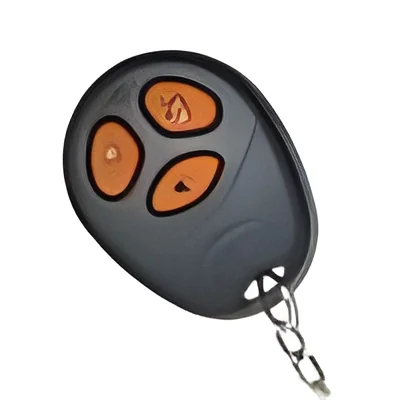
What are Central Locking Systems?
Central Locking Systems are integrated mechanisms that enable simultaneous locking and unlocking of multiple doors or compartments within a vehicle or facility from a single control point. These systems are designed to enhance security and convenience, allowing users to manage access points efficiently. Central Locking Systems can be activated through various methods, including key fobs, remote controls, or even mobile applications, making them increasingly versatile for modern applications.
The primary uses of Central Locking Systems extend across various sectors, including automotive, security, and industrial applications. In the automotive industry, these systems are essential for vehicle security, enabling drivers to lock or unlock all doors with a single action. In commercial settings, Central Locking Systems are often employed in warehouses and storage facilities to secure access points, ensuring that only authorized personnel can enter restricted areas. Their relevance in the market continues to grow as businesses seek to improve security measures and streamline operations.
The demand for Central Locking Systems is driven by rising security concerns globally, along with advancements in technology that facilitate smarter locking solutions. This evolution reflects a broader trend toward automation and connectivity in both consumer and industrial products, making Central Locking Systems an integral part of modern security infrastructure.
Key Features and Specifications
Central Locking Systems come with a variety of features and specifications designed to meet the needs of different industries. Understanding these specifications is vital for making informed purchasing decisions.
Key specifications include:
1. Locking Mechanism Type
- Options include solenoid-based, pneumatic, and electronic systems.
- Suitable for various applications based on security needs.
2. Control Method
- Available methods include remote control, manual key, and mobile app integration.
- Flexibility in operation enhances user convenience.
3. Security Level
- Systems can offer basic locking functions or advanced features like alarm integration.
- Higher security levels are essential for sensitive applications.
4. Compatibility
- Compatibility with existing security systems or integration with smart home technology.
- Ensures seamless operation in multi-system environments.
5. Durability
- Designed to withstand environmental factors such as moisture, temperature changes, and wear.
- Important for applications in harsh conditions.
6. Installation Type
- Options for surface mount, flush mount, or embedded installations.
- Varies based on user requirements and space availability.
7. Power Supply
- Can be powered by battery, hardwired, or solar options.
- Availability of power sources can affect system choice.
8. Size and Dimensions
- Different sizes available to fit various application requirements.
- Important for ensuring proper fit and functionality.
In summary, selecting the right Central Locking System involves evaluating these features and specifications based on the specific needs of the application and the environment in which it will operate.
Common Applications and Use Cases
Central Locking Systems find diverse applications across multiple industries, each benefiting from the enhanced security and convenience they provide.
1. Automotive: In vehicles, Central Locking Systems are crucial for securing doors and trunks, allowing drivers to lock or unlock all access points at once, enhancing safety and user experience.
2. Warehousing: In warehouse settings, these systems are employed to secure storage areas, ensuring that only authorized personnel can access valuable inventory and sensitive materials.
3. Retail: Retail stores utilize Central Locking Systems to manage access to cash registers and stock areas, providing a streamlined access process for employees while enhancing security.
4. Government Facilities: High-security environments like government buildings use these systems to control access, ensuring that only personnel with appropriate clearance can enter sensitive areas.
5. Healthcare: Hospitals and clinics implement Central Locking Systems to secure medication storage rooms and restricted areas, protecting patient safety and sensitive information.
6. Residential: Smart home technology often integrates Central Locking Systems, allowing homeowners to remotely control access to their properties for added convenience and security.
7. Educational Institutions: Schools and universities use these systems to manage access to classrooms and administrative offices, ensuring safety for students and staff.
Product Variants and Subcategories
Central Locking Systems are available in various configurations to meet specific needs, highlighting the product's versatility.
Electronic Central Locking Systems
These systems utilize electric motors to lock and unlock doors and are controlled via remote or mobile applications. They are suitable for modern vehicles and smart home applications, offering convenience and enhanced security.
Pneumatic Central Locking Systems
Utilizing air pressure, these systems are often found in commercial vehicles and industrial equipment. They provide reliable locking mechanisms that are resistant to environmental factors, making them ideal for heavy-duty applications.
Mechanical Central Locking Systems
These traditional systems rely on manual key operation and are often used in older vehicles or in applications where electronic components are not feasible. They provide a basic level of security with straightforward operation.
Benefits and Advantages
Central Locking Systems present numerous advantages for businesses and individuals alike.
1. Enhanced Security: These systems significantly improve security by allowing users to lock multiple access points simultaneously, reducing the risk of unauthorized entry.
2. Increased Convenience: Users can manage all locks from a single control point, saving time and effort compared to manual locking mechanisms.
3. Integration with Technology: Many Central Locking Systems can be integrated with smart technology, providing remote access and control through mobile devices.
4. Cost-Effectiveness: Investing in a Central Locking System can reduce the need for multiple individual locks, leading to cost savings in both installation and maintenance.
5. Customization Options: Many systems offer customizable features to align with specific security needs and user preferences.
6. Reliability: Modern Central Locking Systems are designed for durability and dependability, ensuring consistent performance in various conditions.
Buying Guide for B2B Buyers
When sourcing Central Locking Systems, it is essential for B2B buyers to consider several critical factors to ensure they select the right product for their needs.
1. Quality Assessment: Evaluate products based on established quality criteria such as materials used, durability, and performance under various conditions. Request samples if possible to assess quality firsthand.
2. Supplier Verification: Vet suppliers to ensure they have a reputable history and provide high-quality products. Look for reviews, testimonials, and industry certifications that demonstrate reliability.
3. Pricing and MOQ: Understand the pricing structure and minimum order quantities required by suppliers. Compare costs across different vendors while considering the total value offered.
4. Delivery and Lead Times: Confirm logistics and delivery timelines to ensure that products will arrive when needed. Discuss potential delays upfront to avoid disruptions.
5. Compliance Requirements: Ensure that the products meet relevant industry standards and regulatory needs. This may include certifications such as CE and adherence to safety requirements.
Compliance and Certifications
Compliance and certifications play a crucial role in the reliability and safety of Central Locking Systems. Relevant quality standards such as ISO 9001 ensure that manufacturers adhere to consistent processes and quality control measures, promoting product reliability.
Additionally, Central Locking Systems often require industry certifications, with CE marking being a significant standard in many regions. This certification indicates that the product meets safety and environmental protection requirements set by the European Union.
Safety and testing requirements are vital to ensure that Central Locking Systems operate effectively and securely. Testing protocols should cover performance under various conditions, including temperature fluctuations and exposure to moisture.
Regional compliance considerations are also important. Different markets may have specific regulations that must be met, particularly in sectors like automotive or industrial applications. Buyers should be aware of these requirements to ensure compliance and avoid potential issues.
Why Source Central Locking Systems from Pepagora?
Pepagora provides a trusted platform for sourcing Central Locking Systems, offering several key advantages for B2B buyers.
Verified Supplier Network: Pepagora has established a network of verified suppliers, ensuring that buyers have access to high-quality products from reputable manufacturers. This verification process helps mitigate risks associated with sourcing.
Streamlined RFQ Process: The platform features a streamlined Request for Quotation (RFQ) process, allowing buyers to easily request multiple quotes from suppliers, compare options, and make informed decisions.
Trade Assurance and Support: Pepagora offers trade assurance, providing buyers with protection throughout the procurement process. This support includes assistance with any disputes or issues that may arise during transactions.
Regional Coverage: With extensive reach in India, the GCC, and Southeast Asia, Pepagora connects buyers with suppliers across these regions, catering to diverse market needs and ensuring timely access to Central Locking Systems.

 IN
IN