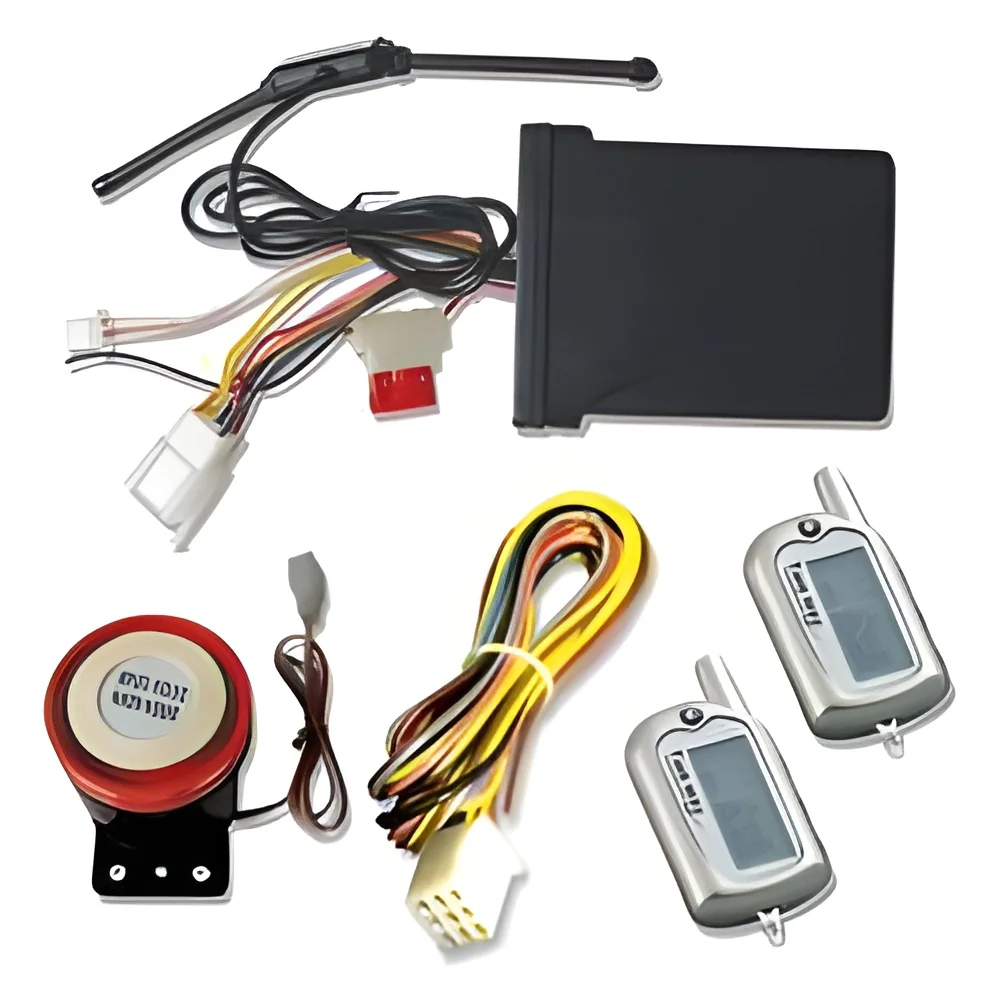
𝗪𝗵𝗮𝘁 𝗮𝗿𝗲 𝗔𝗻𝘁𝗶-𝗧𝗵𝗲𝗳𝘁 𝗗𝗲𝘃𝗶𝗰𝗲𝘀?
Anti-theft devices are security solutions designed to deter theft and protect valuable assets. These devices can range from simple locks to advanced electronic systems that provide real-time monitoring and alerts. They are crucial in safeguarding property, equipment, and inventory from unauthorized access, theft, or vandalism.
These devices find their primary use in various sectors, including retail, transportation, and warehousing. Businesses utilize anti-theft devices to enhance security measures, reduce losses, and improve overall safety in their operations. With increasing concerns about theft and security breaches, the demand for effective anti-theft solutions has surged across multiple industries. Companies are investing in these devices to protect their assets and ensure a secure environment for their employees and customers.
The relevance of anti-theft devices in today's market cannot be overstated. As crime rates fluctuate and businesses become more aware of potential risks, the industry for anti-theft solutions continues to expand. With advancements in technology, modern anti-theft devices are becoming more sophisticated, providing enhanced protection and monitoring capabilities. This has created a competitive landscape for suppliers and manufacturers, making it essential for businesses to choose reliable solutions tailored to their needs.
𝗞𝗲𝘆 𝗙𝗲𝗮𝘁𝘂𝗿𝗲𝘀 𝗮𝗻𝗱 𝗦𝗽𝗲𝗰𝗶𝗳𝗶𝗰𝗮𝘁𝗶𝗼𝗻𝘀
Anti-theft devices come with a variety of features and specifications that enhance their effectiveness and reliability. Understanding these specifications is essential for B2B buyers looking to invest in robust security solutions.
Key specifications include:
1. Type of Device
- Various types available such as locks, alarms, and tracking systems
- Each type serves specific security needs and applications
2. Power Source
- Devices may be battery-operated or hardwired
- Battery life and backup options are important considerations
3. Connectivity
- Some devices offer wireless connectivity for remote monitoring
- Compatibility with security systems is crucial for integrated solutions
4. Alarm Features
- Many devices include audible alarms or silent alerts
- Alarm sensitivity settings can usually be adjusted
5. Materials Used
- High-quality materials enhance durability and resistance to tampering
- Corrosion-resistant finishes may be available for outdoor use
6. User Interface
- Devices may feature simple controls or advanced apps for management
- User-friendliness is essential for quick operation and response
7. Installation Requirements
- Some devices require professional installation while others are DIY
- Clear guidelines for installation can simplify the process
8. Warranty and Support
- Warranty terms vary by manufacturer
- Availability of customer support can impact long-term satisfaction
In summary, understanding the key features and specifications of anti-theft devices helps businesses make informed decisions about the best solutions for their security needs.
𝗖𝗼𝗺𝗺𝗼𝗻 𝗔𝗽𝗽𝗹𝗶𝗰𝗮𝘁𝗶𝗼𝗻𝘀 𝗮𝗻𝗱 𝗨𝘀𝗲 𝗖𝗮𝘀𝗲𝘀
Anti-theft devices serve various industries with specific applications tailored to their unique security challenges.
1. Retail: Retailers frequently use anti-theft devices such as electronic article surveillance systems to prevent shoplifting. This helps protect inventory and reduce losses.
2. Transportation: Logistics companies implement GPS tracking devices to monitor vehicles and cargo. This ensures the safety of goods during transit and aids in recovery in case of theft.
3. Warehousing: Warehouses utilize advanced security systems, including motion detectors and alarm systems, to secure large storage areas and prevent unauthorized access.
4. Construction: Construction sites often employ heavy-duty locks and surveillance cameras to protect equipment and materials from theft during off-hours.
5. Hospitality: Hotels and resorts use electronic key cards and surveillance systems to secure guest rooms and common areas, enhancing guest safety and property protection.
6. Automotive: Car dealerships and rental agencies install anti-theft devices such as immobilizers and GPS trackers in vehicles to prevent theft and facilitate recovery.
7. Healthcare: Hospitals and clinics use anti-theft solutions to safeguard medical equipment and sensitive materials, ensuring patient safety and compliance.
𝗣𝗿𝗼𝗱𝘂𝗰𝘁 𝗩𝗮𝗿𝗶𝗮𝗻𝘁𝘀 𝗮𝗻𝗱 𝗦𝘂𝗯𝗰𝗮𝘁𝗲𝗴𝗼𝗿𝗶𝗲𝘀
Anti-theft devices come in various forms, each designed to meet specific security needs and applications.
Locking Systems: These include traditional locks, digital locks, and smart locks that offer various levels of security. They are commonly used in residential and commercial properties.
Alarm Systems: These devices trigger an alert when unauthorized access is detected. They can be standalone units or integrated into a broader security system.
GPS Tracking Devices: Used primarily in transportation and logistics, these devices track the location of assets in real-time, providing valuable information for recovery.
Surveillance Cameras: CCTV systems and smart cameras help monitor premises and deter theft through visible presence and recorded footage.
Motion Sensors: These devices detect movement and can trigger alarms or alerts, making them effective for securing specific areas.
𝗕𝗲𝗻𝗲𝗳𝗶𝘁𝘀 𝗮𝗻𝗱 𝗔𝗱𝘃𝗮𝗻𝘁𝗮𝗴𝗲𝘀
Investing in anti-theft devices offers numerous benefits that enhance security and operational efficiency.
1. Loss Prevention: Anti-theft devices significantly reduce the risk of theft, protecting valuable assets and minimizing financial losses.
2. Enhanced Security: By implementing advanced security measures, businesses can create a safer environment for employees and customers.
3. Peace of Mind: Knowing that robust security systems are in place allows business owners to focus on operations without constant worry about theft.
4. Remote Monitoring: Many modern devices enable remote access and monitoring, allowing businesses to keep an eye on their assets in real-time from anywhere.
5. Customizable Solutions: Anti-theft devices can be tailored to meet specific business needs, ensuring the right level of security for different environments.
6. Increased Insurance Options: Having effective anti-theft measures in place can lead to lower insurance premiums, as insurers recognize the reduced risk of loss.
𝗕𝘂𝘆𝗶𝗻𝗴 𝗚𝘂𝗶𝗱𝗲 𝗳𝗼𝗿 𝗕𝟮𝗕 𝗕𝘂𝘆𝗲𝗿𝘀
When sourcing anti-theft devices, several key factors should be considered to ensure the best investment.
1. Quality Assessment: Evaluate the quality of the devices through reviews, certifications, and performance ratings. Look for reliable brands with a proven track record in security solutions.
2. Supplier Verification: Vet potential suppliers by checking their credentials, reputation, and customer feedback. A trustworthy supplier can provide ongoing support and maintenance.
3. Pricing and MOQ: Understand the pricing structure and any minimum order quantities. This helps in budgeting and ensures that you are getting competitive rates.
4. Delivery and Lead Times: Consider the logistics involved in delivery. Ensure that suppliers can meet your timelines to avoid interruptions in your operations.
5. Compliance Requirements: Be aware of any relevant industry regulations and standards that apply to anti-theft devices. Ensure that your chosen solutions adhere to these requirements for safety and effectiveness.
𝗖𝗼𝗺𝗽𝗹𝗶𝗮𝗻𝗰𝗲 𝗮𝗻𝗱 𝗖𝗲𝗿𝘁𝗶𝗳𝗶𝗰𝗮𝘁𝗶𝗼𝗻𝘀
Compliance and certifications are critical aspects of anti-theft devices, ensuring they meet industry standards and safety requirements.
Relevant quality standards, such as ISO 9001, are essential for ensuring that products are manufactured consistently and meet customer expectations. Adhering to such standards reflects a commitment to quality and reliability.
Industry certifications, including CE marking, indicate that the devices comply with European safety standards, ensuring they are safe for use in various environments. This is particularly important for businesses operating in regions with strict regulatory requirements.
Safety and testing requirements often dictate that anti-theft devices undergo rigorous assessments before they are brought to market. This includes testing for durability, functionality, and resistance to tampering.
Regional compliance considerations can also play a significant role, as different areas may have specific regulations governing security products. Understanding these requirements helps businesses select compliant solutions that do not pose legal or operational risks.
𝗪𝗵𝘆 𝗦𝗼𝘂𝗿𝗰𝗲 𝗔𝗻𝘁𝗶-𝗧𝗵𝗲𝗳𝘁 𝗗𝗲𝘃𝗶𝗰𝗲𝘀 𝗳𝗿𝗼𝗺 𝗣𝗲𝗽𝗮𝗴𝗼𝗿𝗮?
Pepagora provides a trusted platform for sourcing anti-theft devices, offering numerous advantages for B2B buyers.
Verified Supplier Network: Pepagora has established a network of verified suppliers, ensuring that businesses can access high-quality products from reputable manufacturers. This reduces risks associated with sourcing security solutions.
Streamlined RFQ Process: The platform features a user-friendly request for quotation (RFQ) process, allowing businesses to quickly obtain quotes from multiple suppliers. This simplifies decision-making and enhances competitive pricing.
Trade Assurance and Support: Pepagora offers buyer protection through trade assurance policies, ensuring that transactions are secure and that buyers receive the products they expect. Ongoing support is also available to address any post-purchase concerns.
Regional Coverage: With a strong presence in India, GCC, and Southeast Asia, Pepagora enables businesses to connect with local suppliers while providing a wide range of anti-theft devices tailored to regional needs. This geographic reach ensures accessibility and convenience for buyers seeking effective security solutions.

 IN
IN