
 IN
Amla, Neem, Brahmi Powders
8 products available
What are Amla, Neem, Brahmi Powders?
Amla, Neem, and Brahmi powders are natural plant-based powders derived from traditional herbs, widely recognized for their health and wellness benefits. Amla, also known as Indian gooseberry, is celebrated for its high vitamin C content and antioxidant properties. Neem, often referred to as the "miracle tree," is famous for its antibacterial and anti-inflammatory effects. Brahmi is known for its cognitive enhancement properties and stress-relieving qualities. Together, these powders represent a significant part of the Ayurvedic medicinal system, which emphasizes natural remedies for various ailments.
The primary uses of these powders span across dietary supplements, herbal formulations, cosmetics, and personal care products. Businesses in the health, wellness, and beauty sectors utilize these powders for their beneficial properties, catering to a growing market that seeks natural and organic solutions. Increasing consumer awareness regarding the advantages of herbal products has led to a rise in demand across various industries, including pharmaceuticals, nutraceuticals, and cosmetics. As the global market for herbal products expands, the relevance of Amla, Neem, and Brahmi powders grows, making them valuable ingredients for manufacturers looking to enhance their product offerings.
Key Features and Specifications
Amla, Neem, and Brahmi powders come with a range of features and specifications that highlight their quality and effectiveness. These specifications ensure that businesses can choose the right products based on their unique needs.
Key specifications include:
1. Purity Level
- Typically above 95% pure
- Tested for adulterants and contaminants
2. Particle Size
- Micronized for better absorption
- Standard sizes include 100 mesh and 200 mesh
3. Moisture Content
- Maintained below 5% for shelf stability
- Ensures product longevity and efficacy
4. Packaging Options
- Available in bulk packaging (25 kg, 50 kg)
- Customized packaging for retail distribution
5. Shelf Life
- Generally ranges from 18 to 24 months
- Best stored in cool, dry conditions
6. Nutritional Profile
- Rich in vitamins, minerals, and antioxidants
- Specific nutrient content can vary by source
In summary, Amla, Neem, and Brahmi powders are characterized by their high purity, specific particle sizes, controlled moisture content, and nutritional richness. These features make them suitable for various business applications.
Common Applications and Use Cases
Amla, Neem, and Brahmi powders find extensive applications across multiple industries due to their beneficial properties.
1. Nutraceuticals: These powders are often used in dietary supplements aimed at enhancing immunity and overall health.
2. Cosmetics: Amla and Neem powders are popular in skincare products for their anti-aging and antibacterial effects, making them ideal for creams and lotions.
3. Pharmaceuticals: Brahmi powder is widely incorporated in formulations aimed at improving mental clarity and reducing stress.
4. Food and Beverages: Amla powder is used in health drinks and snacks for its nutritional benefits and flavor enhancement.
5. Traditional Medicine: These powders are commonly utilized in Ayurvedic treatments, emphasizing their historical significance.
6. Herbal Teas: Amla and Neem are often blended into herbal teas for their health-promoting properties.
7. Veterinary Products: Neem powder is sometimes included in animal health products due to its natural pest-repellent qualities.
Product Variants and Subcategories
Amla, Neem, and Brahmi powders offer a variety of options to meet specific business needs. Their diverse properties allow for tailored applications in different sectors.
Amla Powder
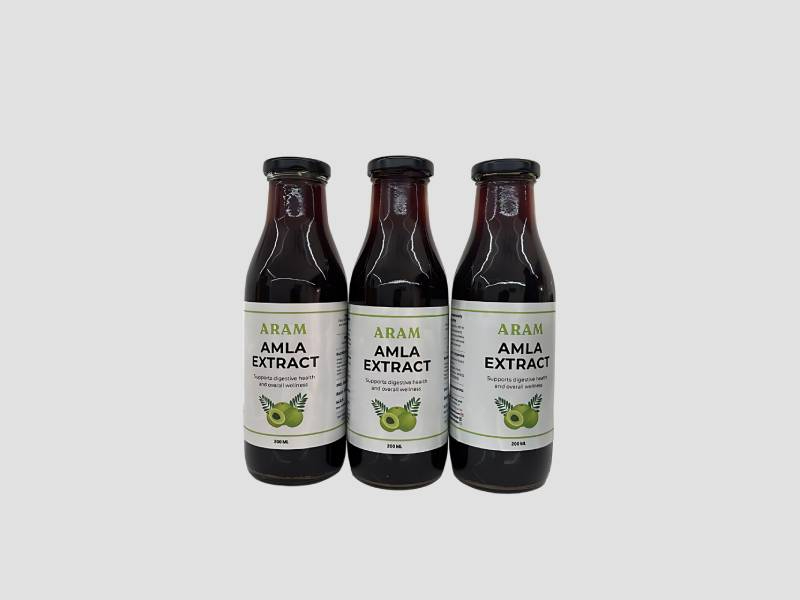
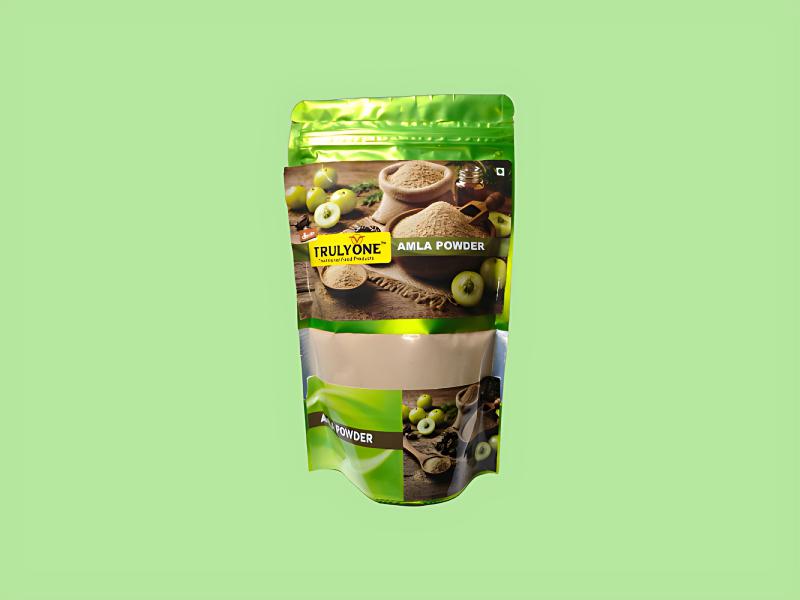
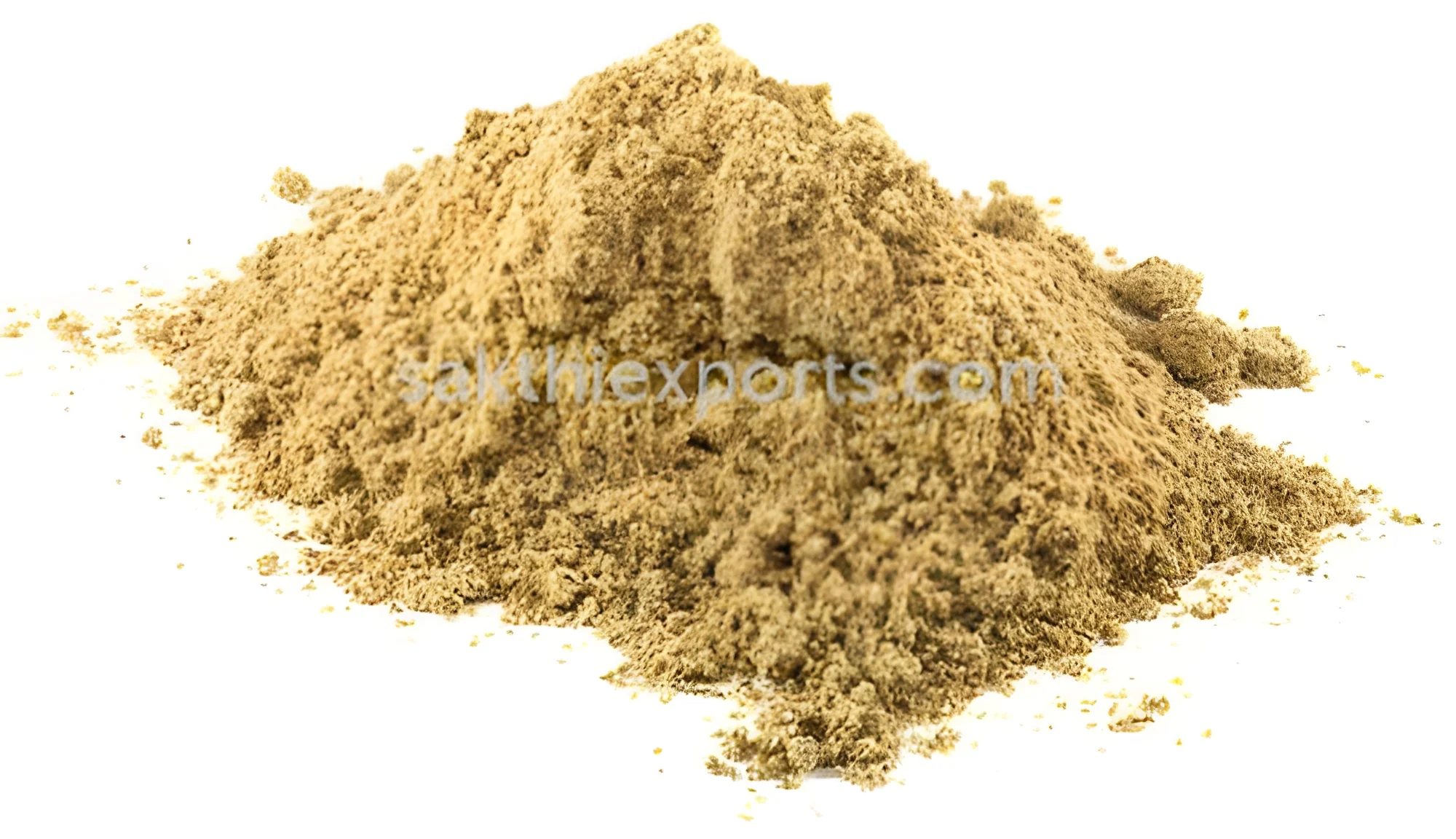
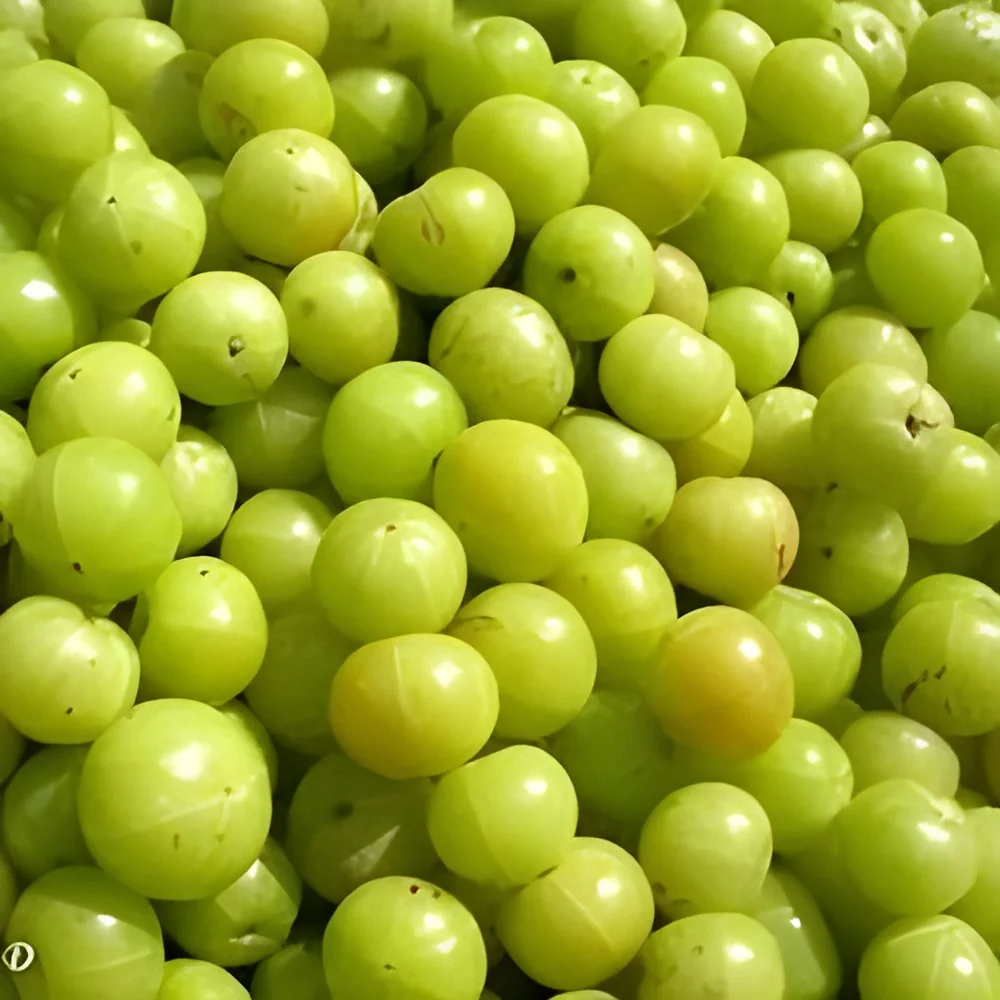
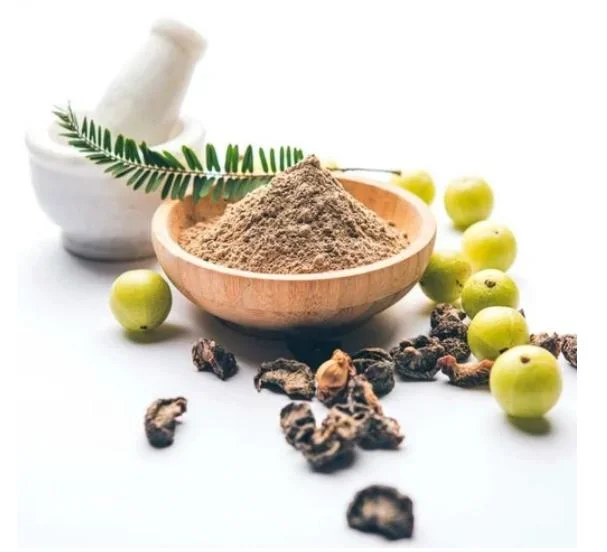
Amla powder is derived from the dried fruit of the Amla tree. It is known for its high vitamin C content and antioxidant properties, making it an excellent choice for dietary supplements and beauty products.
Neem Powder
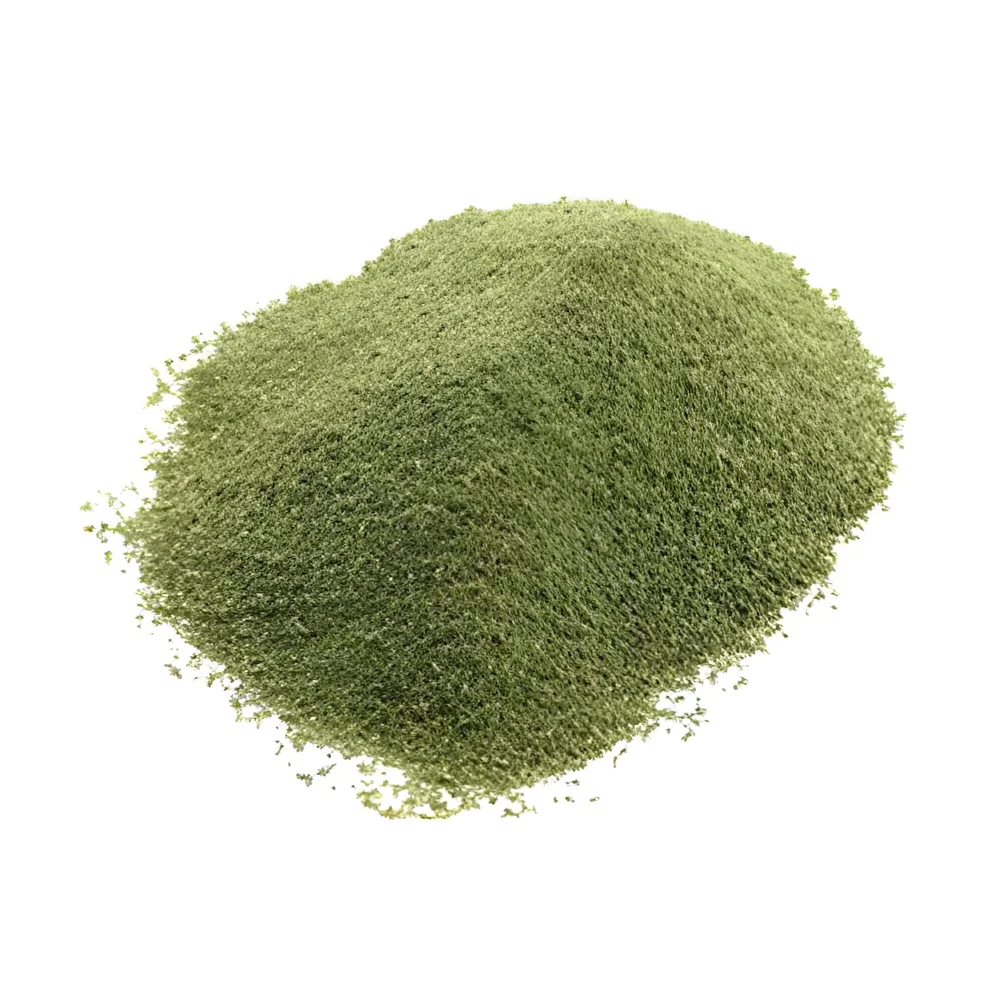
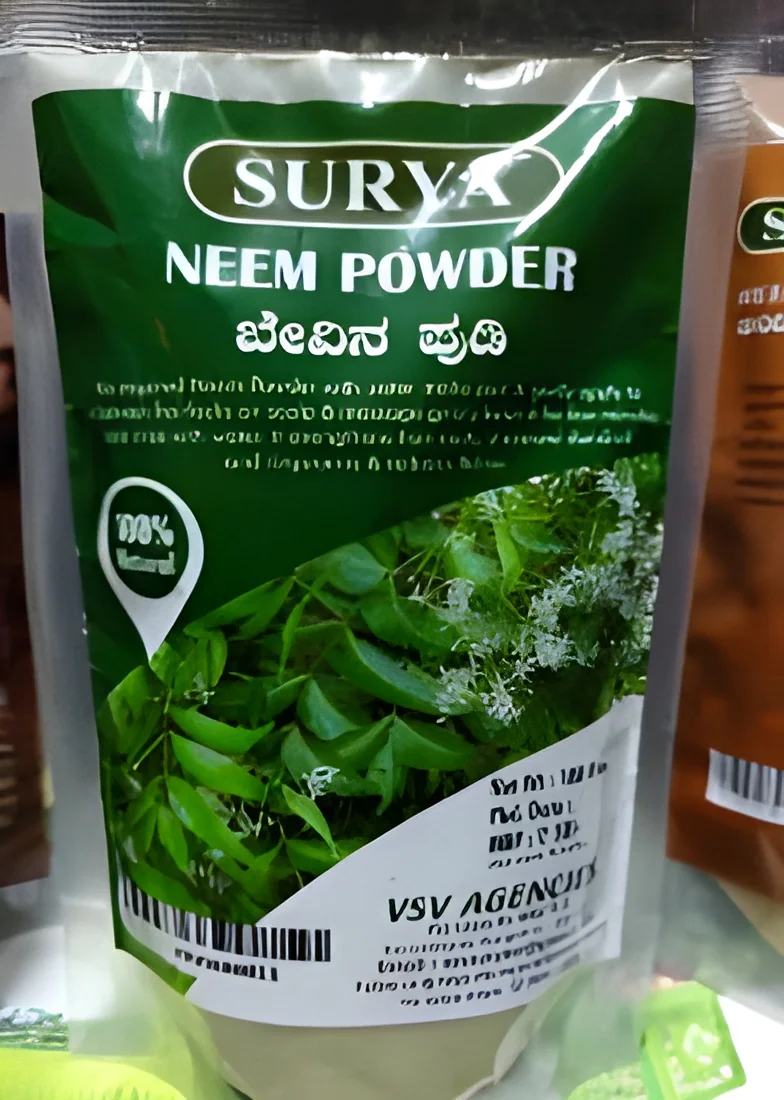
Neem powder is made from the leaves of the Neem tree. It is widely recognized for its antimicrobial and anti-inflammatory properties, making it suitable for skincare formulations and herbal remedies.
Brahmi Powder
Brahmi powder comes from the leaves of the Brahmi plant. It is celebrated for its cognitive enhancement properties and is commonly used in supplements aimed at improving mental performance and reducing stress.
Benefits and Advantages
The use of Amla, Neem, and Brahmi powders provides several advantages for businesses and consumers alike.
1. Natural Ingredients: These powders are derived from herbal sources, appealing to consumers looking for organic products.
2. Health Benefits: Each powder offers unique health benefits, including immune support, cognitive enhancement, and skin health.
3. Versatile Applications: The powders can be used in various industries, from nutraceuticals to cosmetics, providing businesses with diverse product development opportunities.
4. Sustainability: Sourcing these powders from natural plants supports sustainable agricultural practices.
5. Growing Market Demand: As consumer interest in herbal and natural products rises, sourcing these powders presents a lucrative opportunity for businesses.
6. Cost-Effective: Bulk purchasing can reduce costs, making these powders an economical choice for manufacturers.
Buying Guide for B2B Buyers
When sourcing Amla, Neem, and Brahmi powders, various factors should be considered to ensure the best quality and value.
1. Quality Assessment: Look for products with high purity levels and certifications that indicate quality standards.
2. Supplier Verification: Vet suppliers by checking their reputation, customer reviews, and compliance with industry standards to ensure reliability.
3. Pricing and MOQ: Understand the pricing structures and minimum order quantities to plan your budget effectively.
4. Delivery and Lead Times: Discuss logistics and delivery times to ensure timely receipt of products, especially for production schedules.
5. Compliance Requirements: Be aware of any regulatory requirements specific to your region, including safety and testing standards.
Compliance and Certifications
Compliance with quality standards and certifications is essential for Amla, Neem, and Brahmi powders. Many suppliers adhere to standards such as ISO 9001, which ensures consistent quality management systems. HACCP certification may also be relevant, focusing on food safety management.
Additionally, CE certification indicates that products meet European health, safety, and environmental protection standards. These certifications reassure buyers of product safety and efficacy.
Safety and testing requirements are critical, especially for health-related products. It is important to verify that powders undergo rigorous testing for contaminants and meet established safety protocols. Regional compliance considerations, such as those required by local health authorities, are also crucial to ensure that products can be legally marketed and sold.
Why Source Amla, Neem, Brahmi Powders from Pepagora?
Pepagora offers a trusted platform for sourcing Amla, Neem, and Brahmi powders, providing several advantages for businesses.
Verified Supplier Network: Pepagora has a network of verified suppliers, ensuring that buyers have access to quality products from reputable sources. This verification process helps mitigate risks associated with sourcing.
Streamlined RFQ Process: The platform simplifies the request for quotation process, allowing businesses to easily compare prices and specifications from multiple suppliers. This efficiency saves time and effort in procurement.
Trade Assurance and Support: Pepagora provides trade assurance to protect buyers during transactions, ensuring that they receive the products as specified and on time. Dedicated support teams assist buyers with any inquiries or issues.
Regional Coverage: With a focus on markets in India, the GCC, and Southeast Asia, Pepagora facilitates regional sourcing, making it easier for businesses to find local suppliers and minimize shipping times. This geographic reach enhances the overall sourcing experience for buyers.






 India

Frequently Asked Questions
What are Amla, Neem, Brahmi Powders?
Amla, Neem, and Brahmi powders are herbal powders derived from the respective plants. Amla powder is made from the Indian gooseberry, Neem powder comes from the Neem tree, and Brahmi powder is derived from the Bacopa monnieri plant. These powders are widely used in traditional medicine and cosmetic applications for their various health benefits.
What are the different types of Amla, Neem, Brahmi Powders?
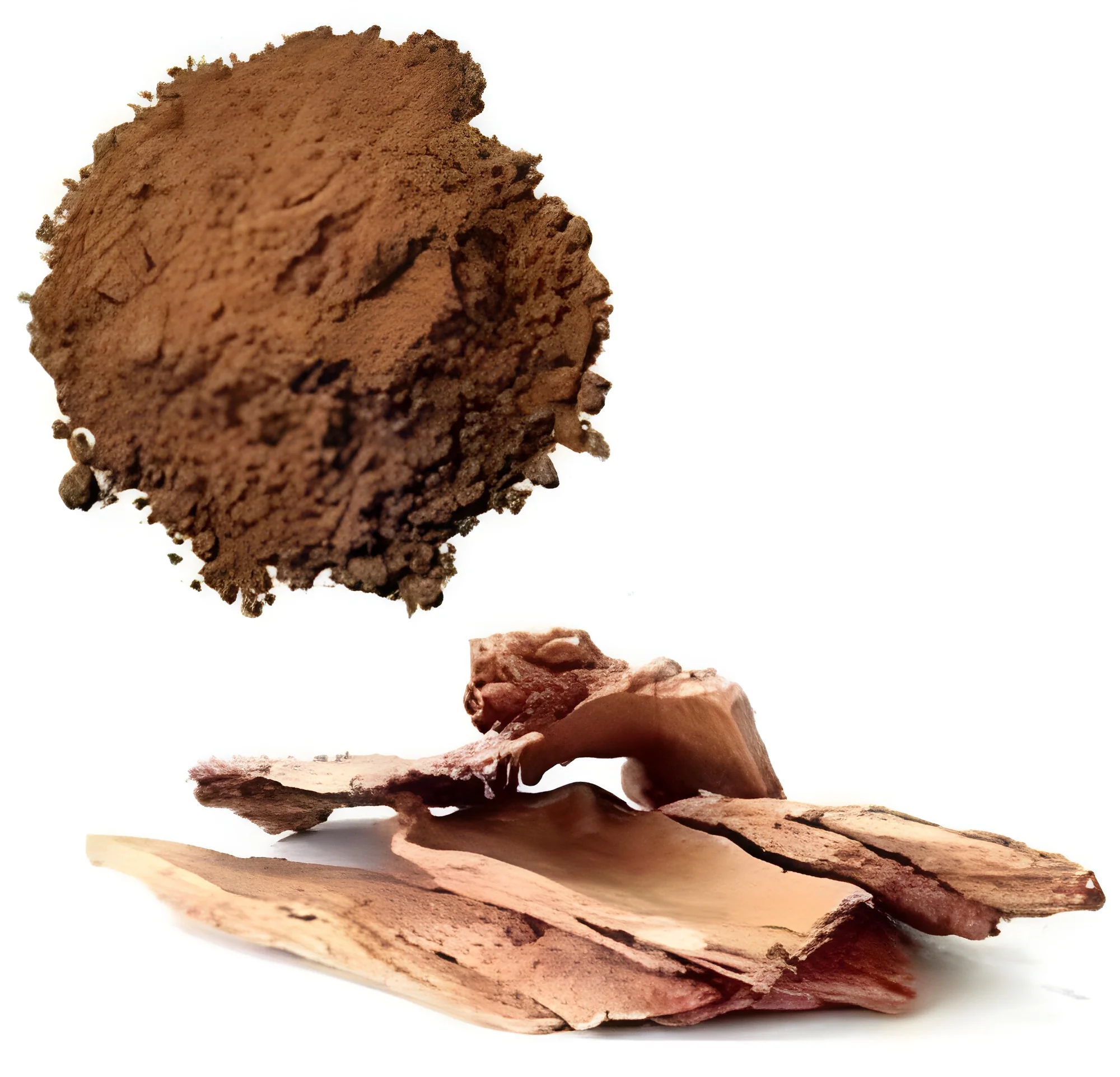
The different types of Amla, Neem, and Brahmi powders can vary based on the processing method and the form in which they are available. Amla powder is often found in raw, dried, and extract forms; Neem powder can be available as leaf powder or bark powder; and Brahmi powder is generally available in pure form or as a blend with other herbs. Each type may have distinct properties and applications.
How do I choose the right Amla, Neem, Brahmi Powders?
Choosing the right Amla, Neem, and Brahmi powders involves considering the intended use, quality, and sourcing. Look for powders that are organic, free from additives, and sourced from reputable suppliers. Additionally, check for information on the cultivation and processing methods to ensure you are selecting high-quality products.
What are the standard specifications for Amla, Neem, Brahmi Powders?
Standard specifications for Amla, Neem, and Brahmi powders typically include parameters such as moisture content, particle size, and purity level. For example, Amla powder should have a moisture content below 10% and a fine particle size for optimal usability. Always refer to suppliers for specific quality and safety standards.
What is the price range for Amla, Neem, Brahmi Powders?
The price range for Amla, Neem, and Brahmi powders can vary widely based on factors such as quality, sourcing, and packaging. Generally, the prices may range from INR 200 to INR 1000 per kilogram. It's advisable to compare prices from different suppliers to ensure you are getting a competitive rate.
What quality standards apply to Amla, Neem, Brahmi Powders?
Quality standards for Amla, Neem, and Brahmi powders often include compliance with food safety regulations, such as those established by FSSAI in India. Additionally, certifications like organic, non-GMO, and ISO certifications may also apply, ensuring that the powders are safe for consumption and use.
Where can I find Amla, Neem, Brahmi Powders suppliers in India?
You can find Amla, Neem, and Brahmi powders suppliers in India through various B2B marketplaces, trade shows, and herbal product expos. Websites like Pepagora.com offer a platform to connect with manufacturers and wholesalers. It's recommended to verify supplier credentials and product quality before making a purchase.
Can Amla, Neem, Brahmi Powders be customized?
Yes, Amla, Neem, and Brahmi powders can often be customized based on specific requirements such as formulation, packaging, and labeling. Many suppliers are willing to accommodate bulk orders with specific specifications. It's best to discuss customization options directly with the supplier.
What is the typical minimum order quantity for Amla, Neem, Brahmi Powders?
The typical minimum order quantity (MOQ) for Amla, Neem, and Brahmi powders can vary by supplier but generally ranges from 10 kg to 100 kg. Some suppliers may offer lower MOQs for trial orders, while others may require larger quantities for bulk discounts.
What is the typical lead time for Amla, Neem, Brahmi Powders?
The typical lead time for Amla, Neem, and Brahmi powders can vary depending on the supplier and order size, usually ranging from 2 to 4 weeks. Factors such as product availability, processing time, and shipping logistics can also affect the lead time. It's advisable to confirm the lead time with the supplier before placing an order.
Why Businesses Trust Pepagora
Thousands of companies trust Pepagora to source smarter and sell faster
Expand Your Sales Globally

Source Smarter,Grow Faster
