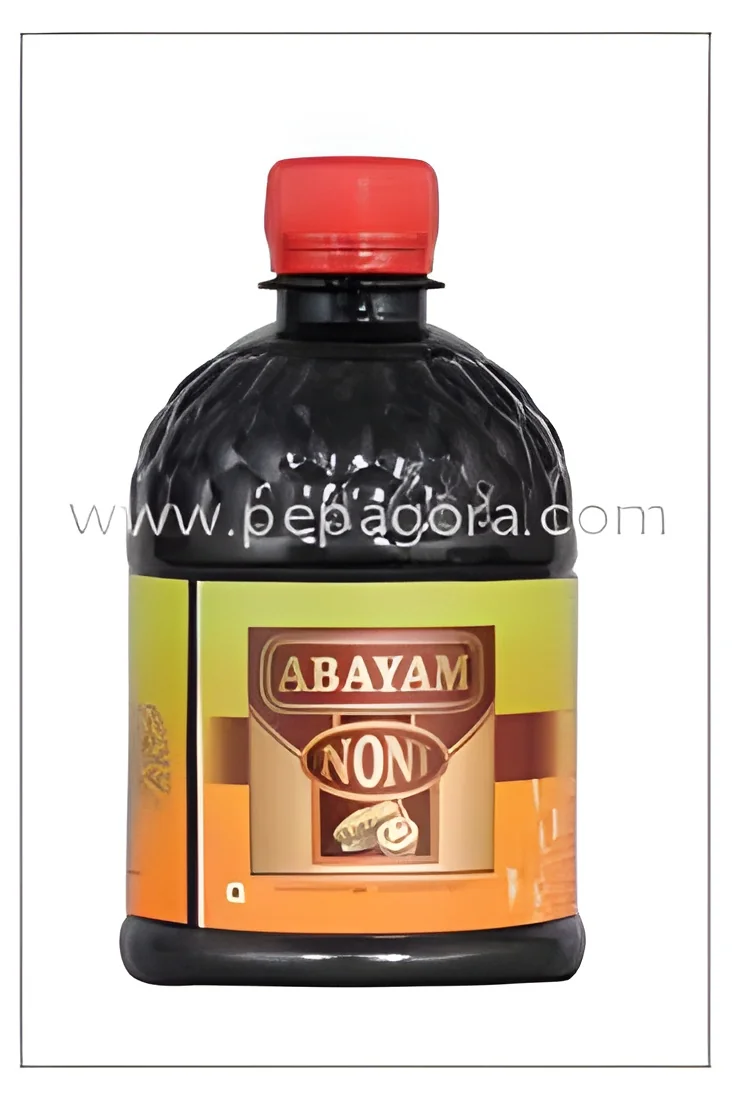
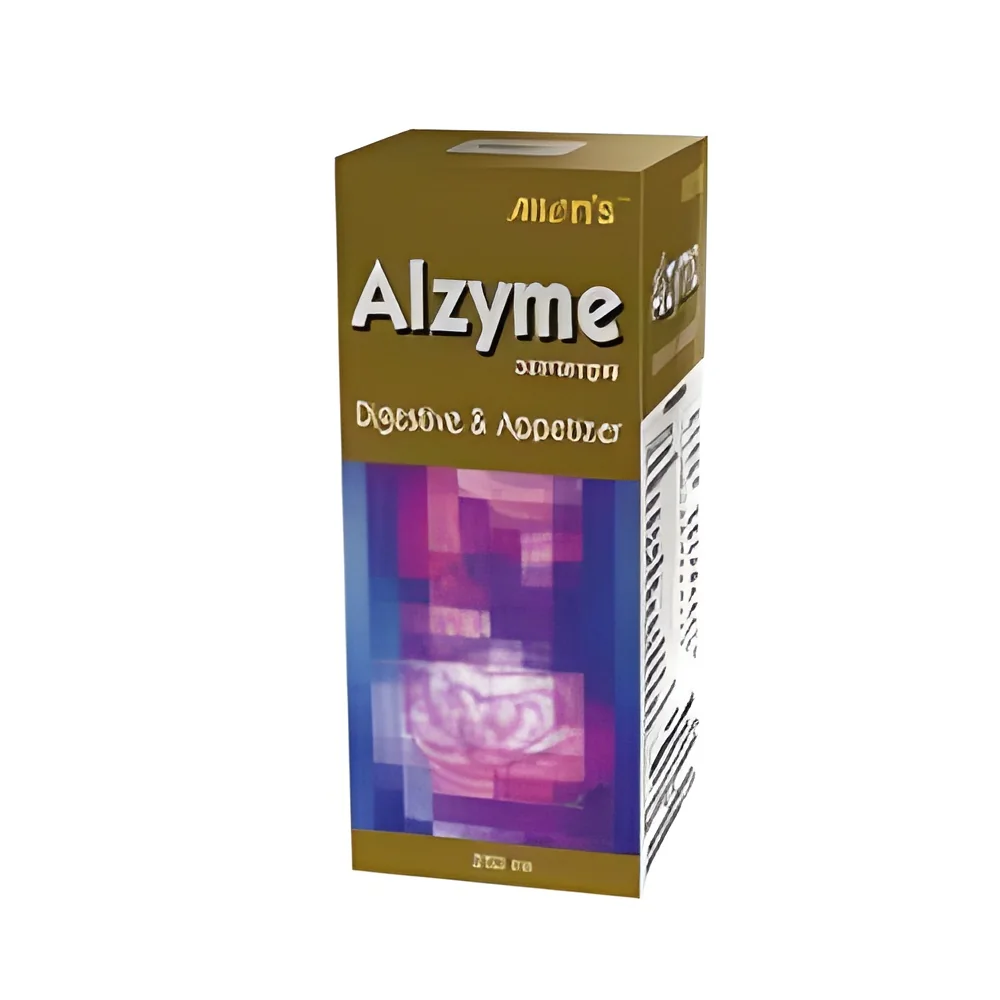
What are Herbal Syrups & Tonics?
Herbal syrups and tonics are liquid preparations made from concentrated herbal extracts. These products often combine various plant-based ingredients to produce a syrup that can be used for medicinal or health-promoting purposes. They are typically sweetened and may contain additional flavorings to enhance taste. The primary goal of these syrups and tonics is to provide the benefits of herbal remedies in a palatable and easily consumable form.
In the business context, herbal syrups and tonics are commonly used in the health and wellness industry, particularly in herbal medicine, dietary supplements, and natural remedies. They can be utilized in various applications, from supporting immune health to enhancing digestive functions. The growing consumer interest in natural and organic products has made herbal syrups and tonics increasingly relevant in the market, leading to an expansion of product offerings and an increase in demand.
The herbal products market has seen significant growth, driven by a shift toward preventative healthcare and a preference for natural ingredients. Companies in this sector are focusing on innovation and quality to meet the evolving needs of consumers. As awareness of the benefits of herbal remedies continues to rise, businesses that produce and distribute herbal syrups and tonics are well-positioned to capitalize on this trend.
Key Features and Specifications
Herbal syrups and tonics come with a variety of features and specifications that cater to different business needs. Understanding these specifications is crucial for buyers looking to source quality products.
Key specifications include:
1. Ingredients
- Natural herbal extracts
- Often include sweeteners and preservatives
2. Concentration
- Varies based on formulation
- Higher concentrations may offer more potent effects
3. Shelf Life
- Typically ranges from 12 to 24 months
- Proper storage can extend shelf life
4. Packaging
- Available in various sizes, from small bottles to bulk containers
- Packaging should be airtight to maintain freshness
5. Flavor Profile
- A range of flavors is available
- Common flavors include honey, ginger, and citrus
6. Nutritional Information
- May include vitamins and minerals
- Nutritional claims should be clearly stated
7. Production Standards
- Manufactured under Good Manufacturing Practices (GMP)
- Quality control measures should be in place
8. Certifications
- CE certification for safety and quality assurance
- May comply with local and international health regulations
In summary, when evaluating herbal syrups and tonics, potential buyers should consider the ingredients, concentration, and packaging, among other specifications, to ensure they meet their business requirements.
Common Applications and Use Cases
Herbal syrups and tonics find applications across multiple industries, reflecting their versatility and popularity.
1. Health and Wellness: These products are often used in dietary supplements aimed at enhancing immune function, digestive health, and overall well-being.
2. Food and Beverage: Herbal syrups can be incorporated into beverages, smoothies, and health foods, providing natural flavoring and health benefits.
3. Pharmaceuticals: Some herbal tonics are included in over-the-counter medications, leveraging the therapeutic properties of herbal ingredients.
4. Nutraceuticals: Companies in this sector utilize herbal syrups to create products that offer both nutritional and medicinal benefits.
5. Natural Beauty: Certain herbal syrups are formulated for topical application, contributing to skin care and cosmetic products.
6. Traditional Medicine: In various cultures, herbal tonics are used according to traditional practices to promote health and treat ailments.
7. Fitness and Sports Nutrition: Herbal syrups are gaining traction in the fitness industry as natural energy boosters and recovery aids.
Product Variants and Subcategories
Herbal syrups and tonics come in various forms to cater to different consumer needs and preferences.
Energy Boosting Syrup
This variant is designed to enhance energy levels and stamina. It often includes ingredients like ginseng, guarana, and honey, making it ideal for athletes or those needing a quick energy boost.
Digestive Tonic
Focused on promoting digestive health, this tonic typically contains herbal ingredients like ginger, peppermint, and fennel. It is popular among consumers seeking natural remedies for digestive discomfort.
Immune Support Syrup
This variant is formulated to strengthen the immune system and may include echinacea, elderberry, and vitamin C. It is especially sought after during cold and flu seasons.
Calming Syrup
Designed to promote relaxation and reduce stress, this syrup may feature herbs like chamomile and valerian root. It appeals to consumers looking for natural solutions for anxiety and sleep issues.
Benefits and Advantages
Herbal syrups and tonics offer numerous benefits for both consumers and businesses.
Key benefits include:
1. Natural Ingredients: Made from plant extracts, these products provide a chemical-free alternative to synthetic supplements.
2. Versatile Applications: They can be used in various sectors, from health and wellness to food and beverages, enhancing their marketability.
3. Customizable Formulations: Businesses can tailor syrups to specific health needs or consumer preferences, providing a competitive edge.
4. Enhanced Bioavailability: Many herbal syrups are designed for better absorption, offering more effective health benefits.
5. Growing Market Demand: The rising interest in natural remedies positions herbal syrups and tonics favorably in the health-conscious consumer market.
6. Easy Consumption: The liquid form makes it simple for consumers to incorporate into their daily routines, increasing compliance with health regimens.
Buying Guide for B2B Buyers
When sourcing herbal syrups and tonics, B2B buyers should take several factors into account to ensure they make informed purchasing decisions.
1. Quality Assessment: Look for products that adhere to high-quality standards. Evaluate the sourcing of ingredients and production practices to ensure safety and efficacy.
2. Supplier Verification: Vet suppliers thoroughly to confirm their credibility and reliability. Check for certifications and reviews from other businesses to gauge their reputation.
3. Pricing and MOQ: Understand the pricing structure and minimum order quantities. Compare different suppliers to find the best value without compromising quality.
4. Delivery and Lead Times: Assess the supplier's logistics capabilities. Timely delivery is crucial for maintaining inventory levels and meeting customer demand.
5. Compliance Requirements: Ensure that the products meet local and international regulatory standards. This includes safety certifications and labeling requirements.
Compliance and Certifications
Herbal syrups and tonics must adhere to various quality standards and certifications to ensure safety and efficacy in the marketplace.
Relevant quality standards include ISO 9001, which focuses on effective management systems to ensure consistent product quality. Compliance with HACCP (Hazard Analysis and Critical Control Points) is essential for identifying potential hazards in production.
Industry certifications, such as CE, confirm that the products meet the necessary health and safety requirements.
Additionally, safety and testing requirements are crucial to validate the efficacy and purity of the herbal ingredients used. Regular testing for contaminants ensures that the products are safe for consumer use.
Regional compliance considerations must also be addressed, as different countries have varying regulations regarding herbal products. Understanding these regulations helps businesses navigate the complexities of international trade.
Why Source Herbal Syrups & Tonics from Pepagora?
Pepagora provides a trusted platform for sourcing herbal syrups and tonics, offering several key advantages to B2B buyers.
The verified supplier network ensures that businesses can connect with reputable manufacturers and distributors. This network allows buyers to find quality products while minimizing risk.
The streamlined RFQ (Request for Quotation) process simplifies the sourcing experience. Buyers can easily request quotes from multiple suppliers, enabling them to compare options and make informed decisions.
Trade assurance and support are integral to the purchasing process. Pepagora offers buyer protection measures that safeguard transactions and instill confidence in the sourcing process.
Additionally, Pepagora's regional coverage spans India, the GCC, and Southeast Asia, facilitating access to a wide range of herbal products and expanding market opportunities for businesses in these regions.

 IN
IN