What are Joint & Muscle Pain Oils?
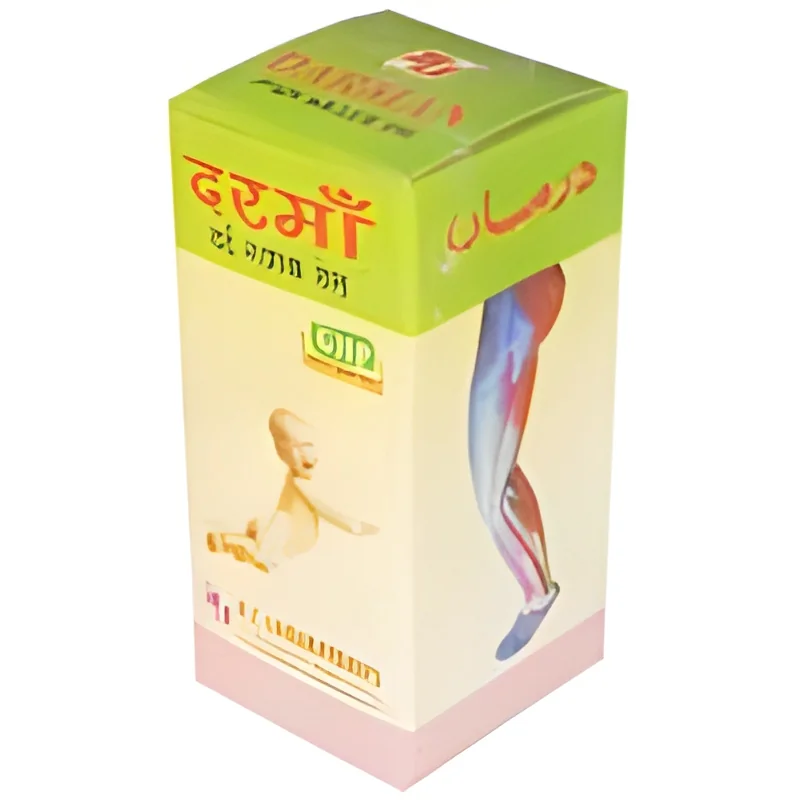
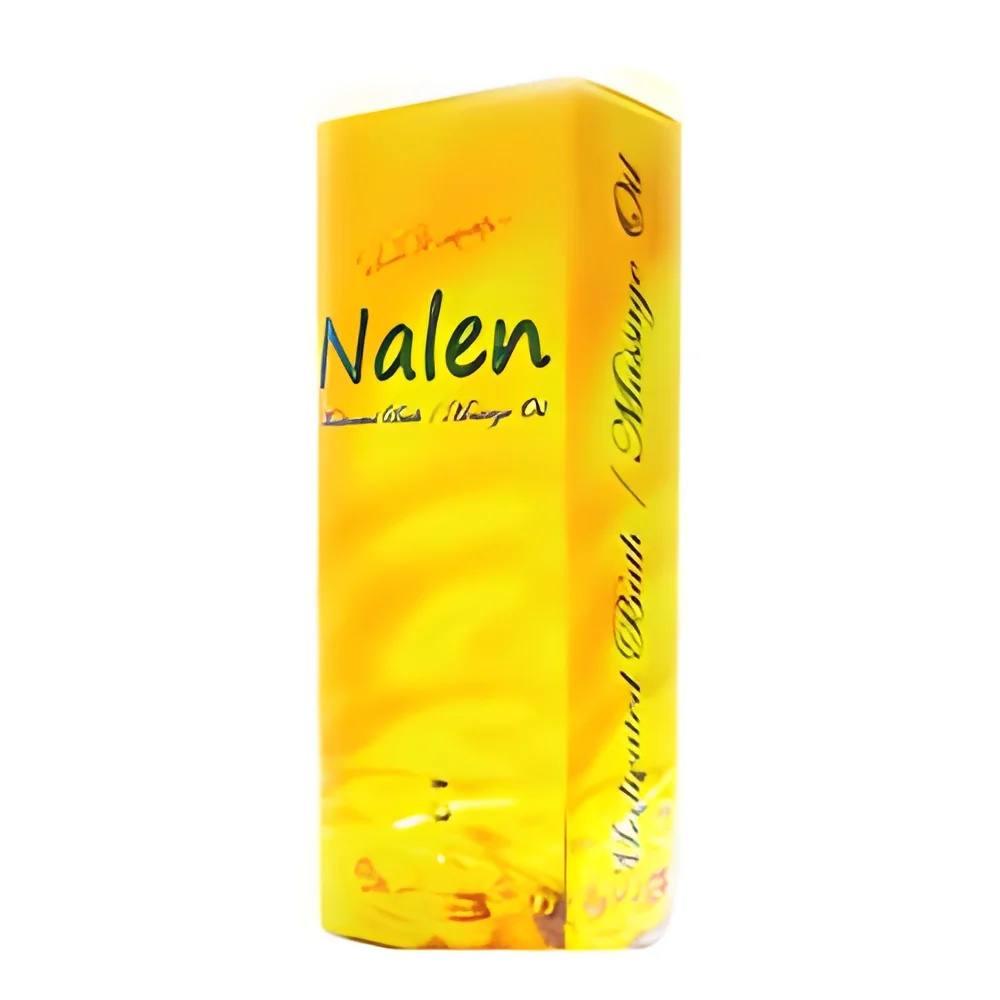
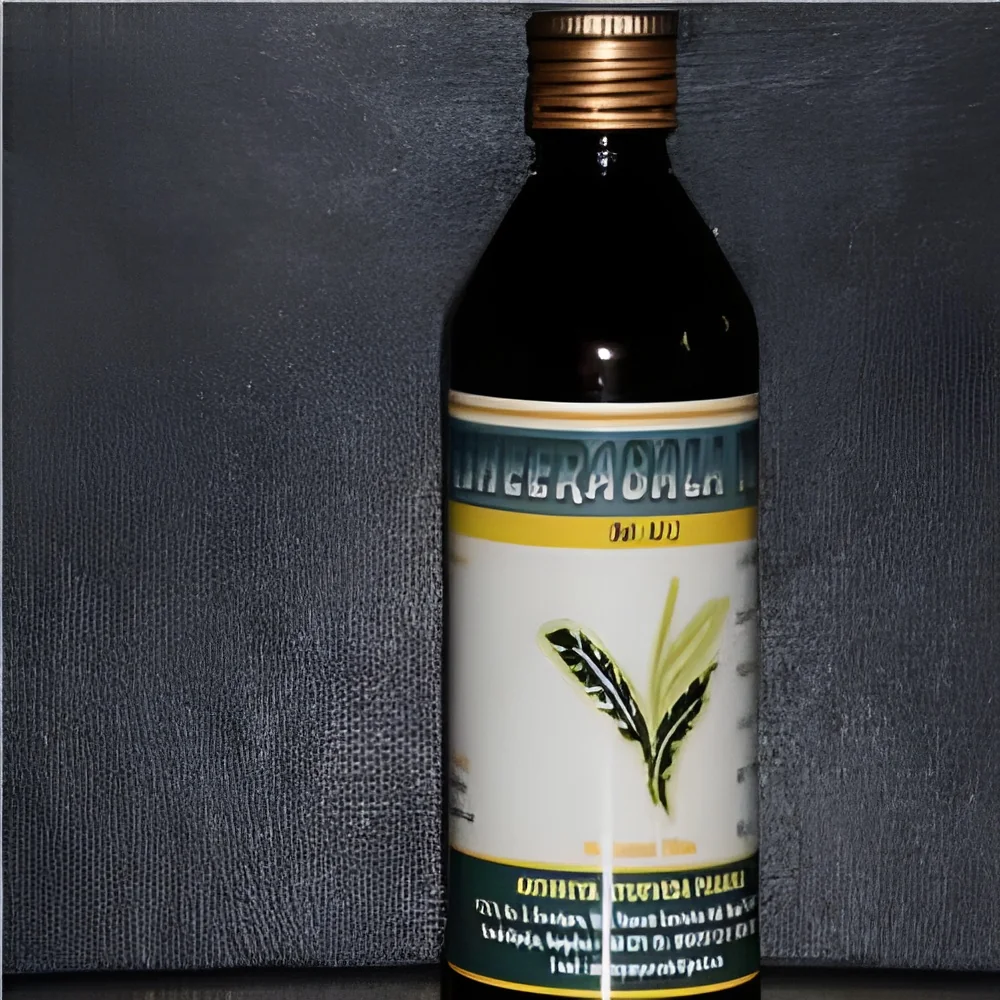
Joint and muscle pain oils are specialized formulations designed to alleviate discomfort associated with joint and muscular conditions. These oils often contain a blend of natural and synthetic ingredients that work together to reduce inflammation, improve circulation, and provide soothing relief. They can be applied topically to the affected areas, allowing for direct absorption and targeted treatment.
These oils are primarily used in various settings, including healthcare facilities, sports medicine clinics, and wellness centers. Businesses in the wellness and personal care sectors often incorporate these oils into their product lines, marketing them to consumers seeking relief from chronic pain or muscle soreness. The effectiveness and versatility of these oils make them relevant in today's market, as more individuals turn to natural remedies for pain management.
As the demand for holistic health solutions grows, the joint and muscle pain oil market continues to expand. With an increasing focus on natural ingredients and pain relief options, businesses are keen to explore innovative formulations that can cater to various consumer needs.
Key Features and Specifications
Joint and muscle pain oils come with a range of features and specifications that define their effectiveness and usability. These specifications can help businesses choose the right product for their needs.
Key specifications include:
1. Active Ingredients
- Essential oils, herbal extracts, and other compounds known for their anti-inflammatory and analgesic properties.
- Common ingredients include eucalyptus oil, menthol, and capsaicin.
2. Absorption Rate
- The speed at which the oil penetrates the skin for quick relief.
- Typically ranges from 5 to 30 minutes, depending on the formulation.
3. Packaging Options
- Available in various forms such as bottles, roll-ons, and sprays for easy application.
- Common volumes range from 30 ml to 500 ml containers.
4. Shelf Life
- The duration for which the product remains effective.
- Generally ranges from 1 to 3 years when stored in proper conditions.
5. Fragrance Profile
- Varieties of scents based on the included essential oils.
- Can range from herbal to minty and floral, catering to consumer preferences.
6. Non-Greasy Formula
- Formulations designed to absorb quickly without leaving a greasy residue.
- Enhances user experience and comfort during application.
7. Hypoallergenic Properties
- Formulas designed to minimize the risk of allergic reactions.
- Important for users with sensitive skin.
8. Certification
- Products often certified by relevant health and safety standards, ensuring quality and safety.
- CE certification is commonly sought for market acceptance.
These specifications help businesses understand the product quality and usability, ensuring they make informed purchasing decisions.
Common Applications and Use Cases
Joint and muscle pain oils find applications across various industries, serving the needs of diverse professionals and consumers.
1. Healthcare: Medical practitioners often recommend these oils for patients suffering from arthritis, tendonitis, or general muscle pain, providing an adjunct to traditional treatments.
2. Sports and Fitness: Athletes and trainers utilize these oils for pre- and post-workout recovery, helping to relieve soreness and prevent injuries.
3. Wellness and Spa: Wellness centers incorporate these oils into massages and therapeutic treatments to enhance relaxation and promote healing.
4. Home Care: Individuals use these oils at home for self-care, addressing everyday aches and pains without the need for pharmaceutical treatments.
5. Veterinarian Services: Pet owners and veterinarians may use specialized formulations designed for animal use, addressing joint and muscle issues in pets.
6. Rehabilitation Centers: Therapists use these oils to complement physical therapy practices, promoting quicker recovery for patients recovering from injuries.
7. Personal Care Products: Companies may include these oils in their product lines, such as lotions and creams, targeting consumers seeking natural pain relief options.
Product Variants and Subcategories
Joint and muscle pain oils come in a variety of formulations, each designed to meet specific needs and preferences.
Cooling Pain Relief Oil: This variant typically contains menthol and eucalyptus, providing a cooling sensation that alleviates pain and reduces inflammation. It is ideal for sports recovery and muscle relaxation.
Warming Pain Relief Oil: Formulated with ingredients like ginger and cayenne, this oil creates a warming sensation that promotes blood flow and eases stiffness. It is suitable for chronic pain conditions.
Herbal Infusion Pain Oil: This variant features a blend of traditional herbs known for their healing properties, such as arnica and turmeric. It is often preferred by consumers looking for natural solutions.
Aromatherapy Pain Oil: Infused with essential oils, this variant not only helps relieve pain but also promotes relaxation and stress relief. It is popular in wellness and spa settings.
Benefits and Advantages
Joint and muscle pain oils offer numerous benefits that make them appealing to both consumers and businesses.
1. Fast-Acting Relief: Users experience quick relief from pain and discomfort, enhancing satisfaction with the product.
2. Natural Ingredients: Many formulations are made with natural components, appealing to health-conscious consumers seeking holistic solutions.
3. Versatile Use: These oils can be applied in various settings, making them suitable for home use, professional treatments, and athletic recovery.
4. User-Friendly Application: With various packaging options, these oils are easy to apply, increasing usability for consumers.
5. Non-Invasive Solution: Unlike oral medications, topical oils provide a non-invasive option for pain management, reducing the risk of side effects.
6. Customization Potential: Businesses can offer tailored formulations to meet specific customer needs, enhancing market appeal.
Buying Guide for B2B Buyers
When sourcing Joint and Muscle Pain Oils, B2B buyers should consider several key factors to ensure they select the right products.
1. Quality Assessment: Evaluate the quality of ingredients and formulations. Look for products that have undergone testing for efficacy and safety.
2. Supplier Verification: Vet suppliers by checking their reputation, customer reviews, and compliance with industry standards. Ensure they have a reliable track record.
3. Pricing and MOQ: Understand the pricing structure and minimum order quantities (MOQs) to ensure they align with budget and inventory needs.
4. Delivery and Lead Times: Consider logistics, including shipping methods and delivery schedules. Timely availability is crucial for maintaining stock levels.
5. Compliance Requirements: Ensure that products meet regional regulations and certifications. This is important for legal and market acceptance.
Compliance and Certifications
Joint and muscle pain oils must adhere to various quality standards and certifications to ensure safety and effectiveness. Compliance with ISO 9001 ensures that manufacturers follow quality management systems, which is crucial for consistency in product quality.
Additionally, certifications like CE signify that the products meet health, safety, and environmental protection standards set by the European Union. These certifications help build trust with consumers and B2B partners alike.
Safety and testing requirements should also be considered, as products must undergo rigorous testing to ensure they are free from harmful substances and allergens. Regional compliance considerations vary, so it's essential to understand the specific regulations applicable to the target market.
Why Source Joint & Muscle Pain Oils from Pepagora?
Pepagora offers a trusted platform for sourcing Joint and Muscle Pain Oils, providing several key advantages to B2B buyers.
Verified Supplier Network: Pepagora connects buyers with a network of verified suppliers, ensuring quality and reliability. This network is built on trust and transparency.
Streamlined RFQ Process: The platform allows for a simplified request for quotation (RFQ) process, enabling buyers to compare offerings efficiently. This saves time and facilitates informed decision-making.
Trade Assurance and Support: Buyers benefit from trade assurance features that protect their purchases. Pepagora provides support throughout the sourcing process, ensuring a smooth experience.
Regional Coverage: With a strong presence in India, the GCC, and Southeast Asia, Pepagora offers extensive geographic reach, making it easier for businesses to access a diverse range of products and suppliers.
By choosing Pepagora, buyers can confidently navigate the market for Joint and Muscle Pain Oils, ensuring they find high-quality solutions that meet their needs.

 IN
IN