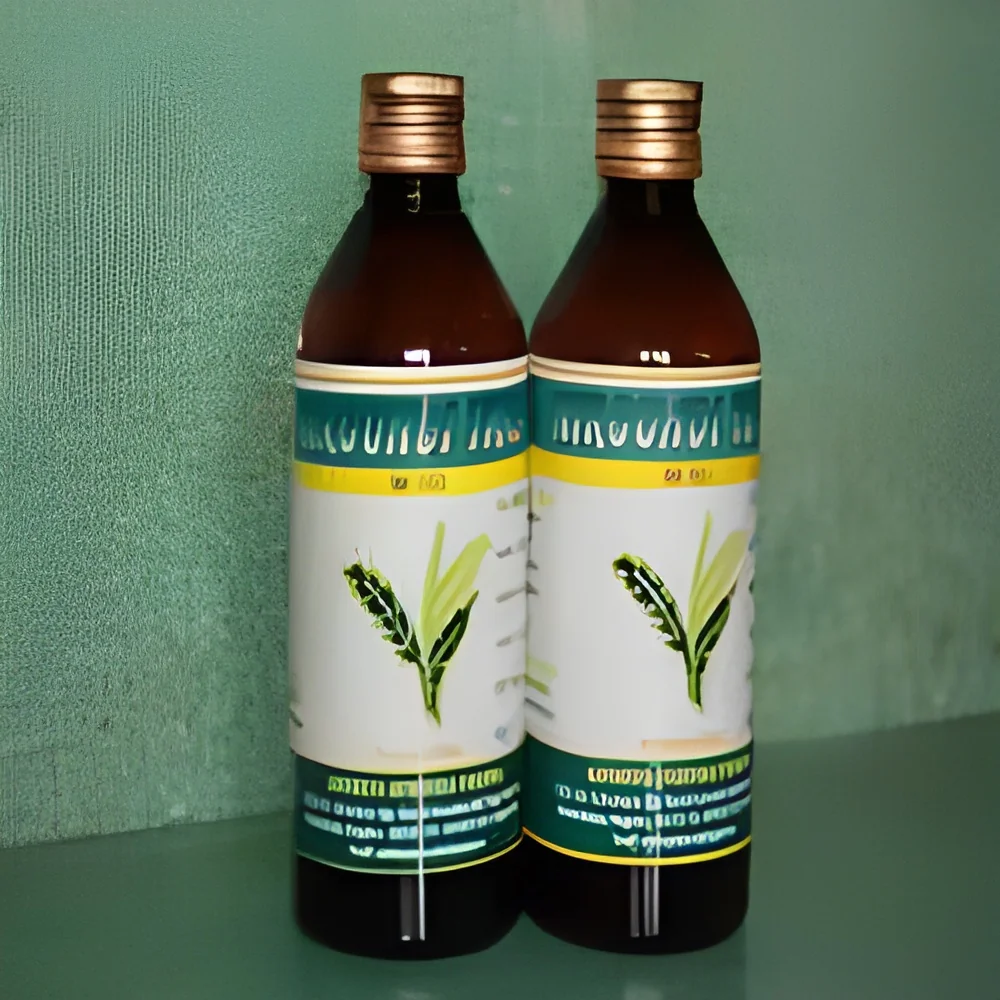
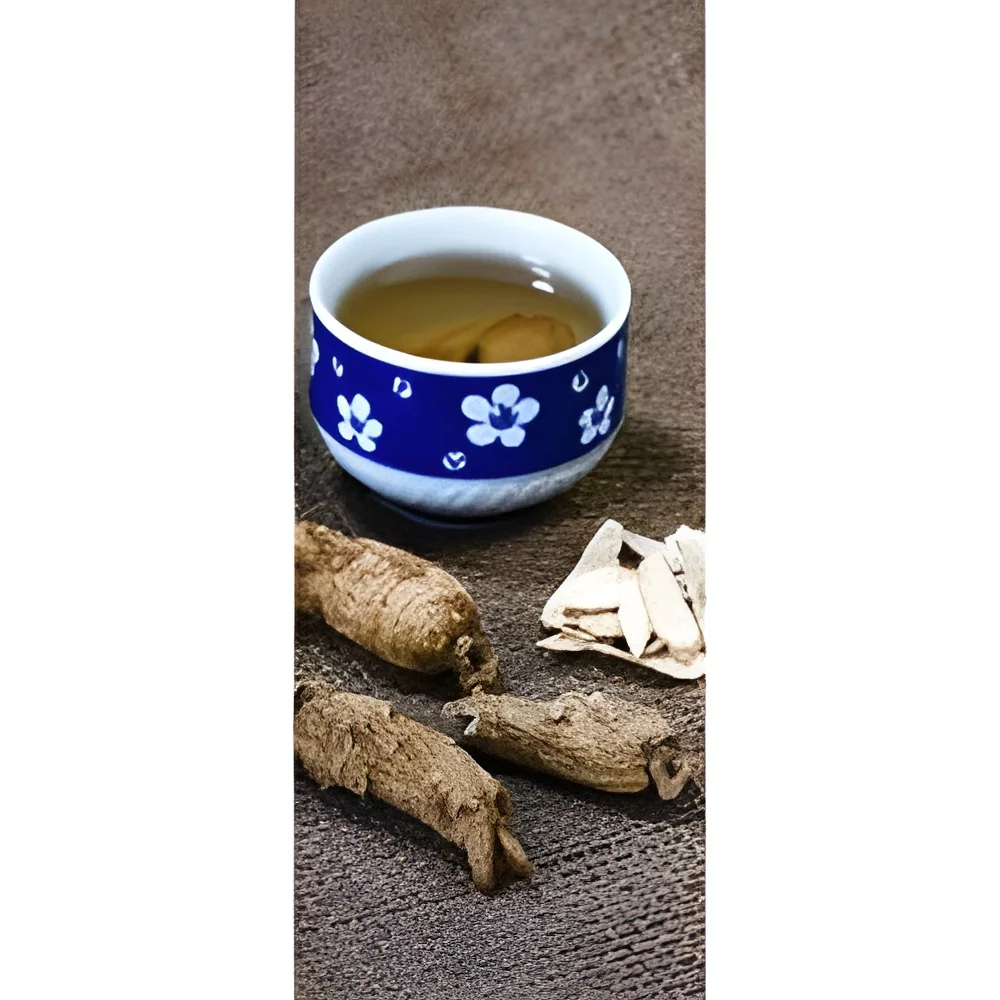
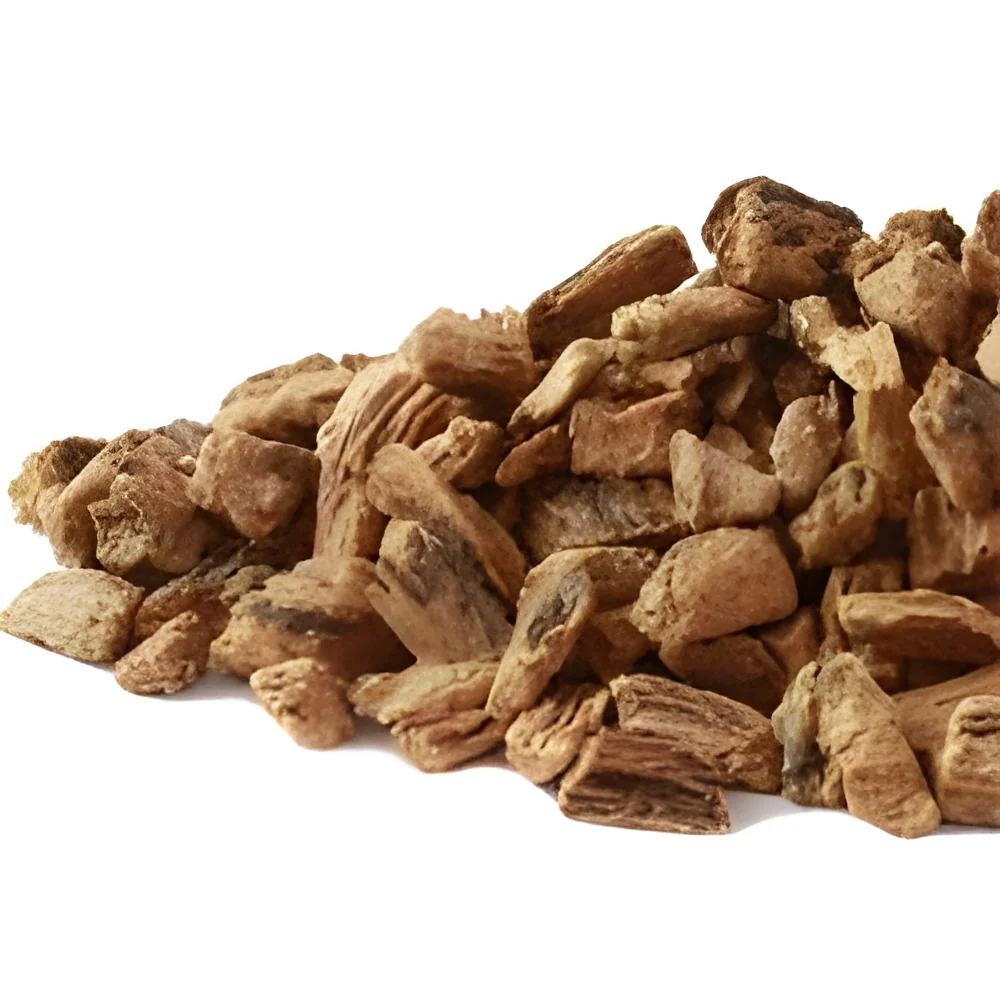
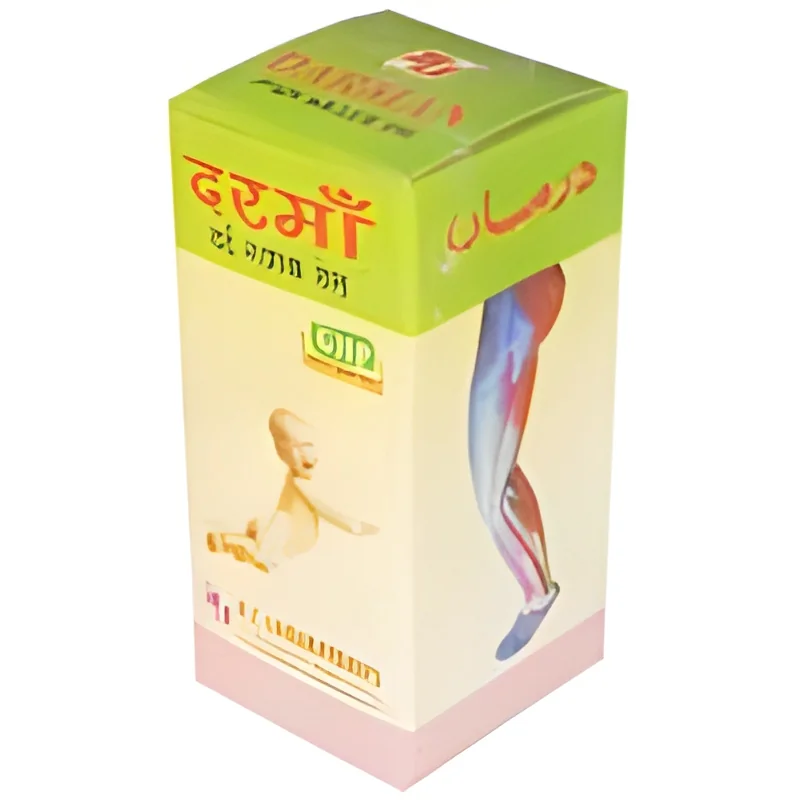
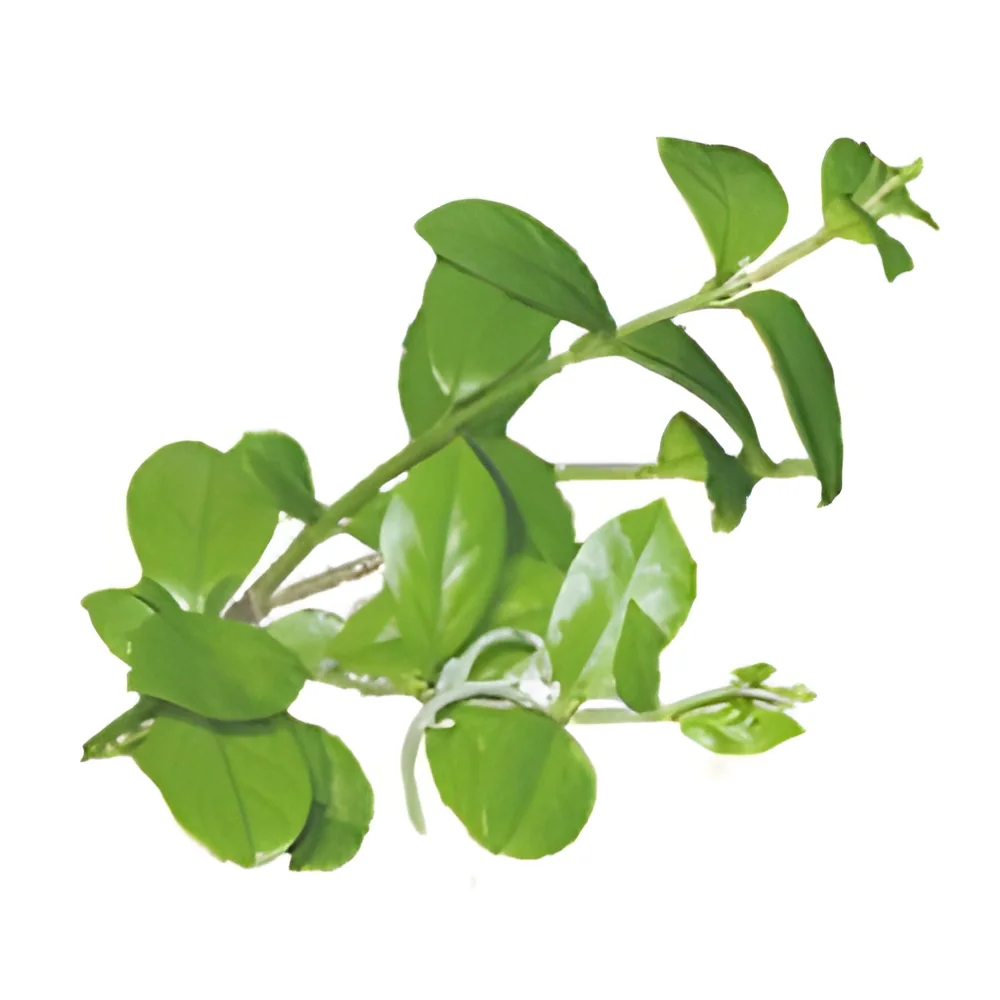
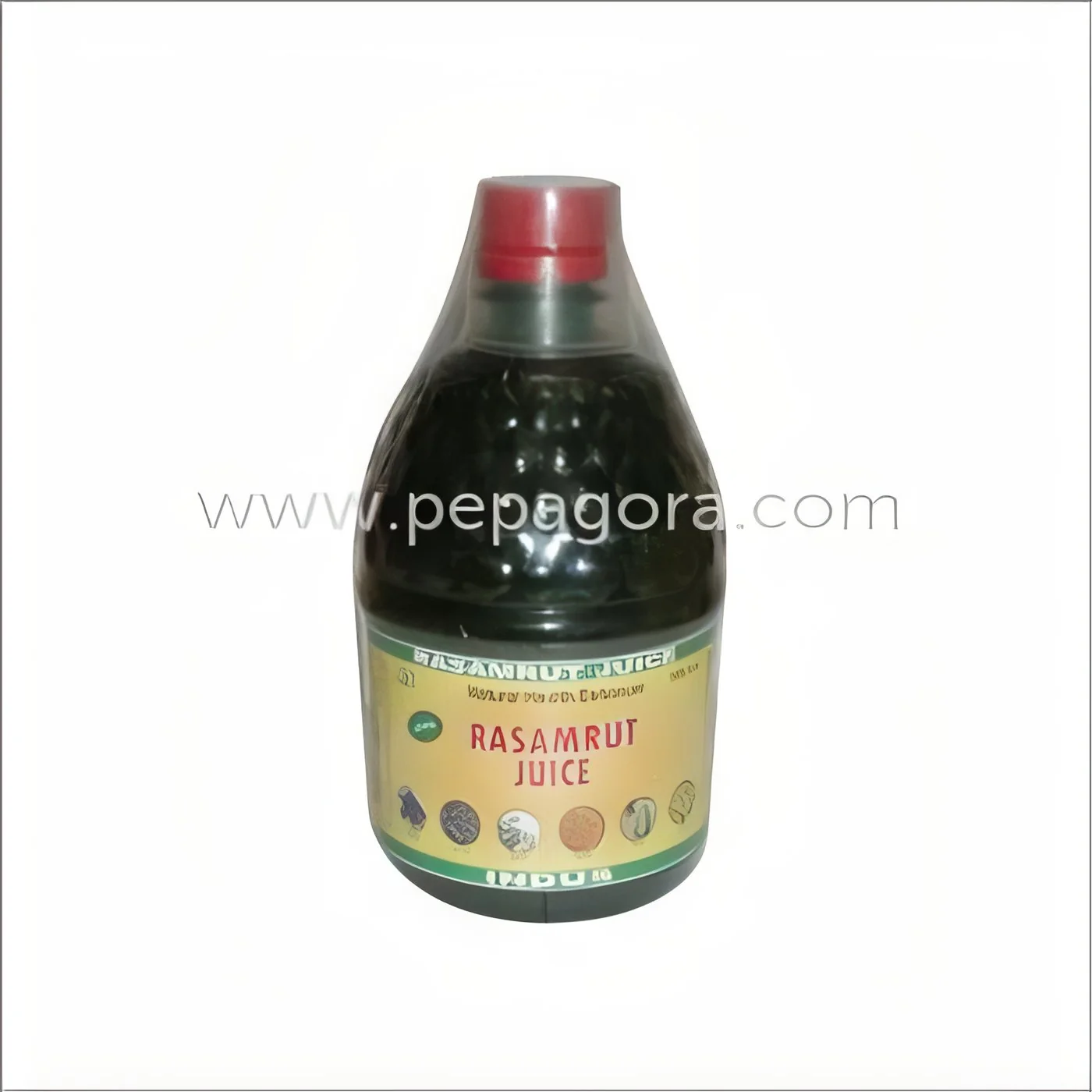
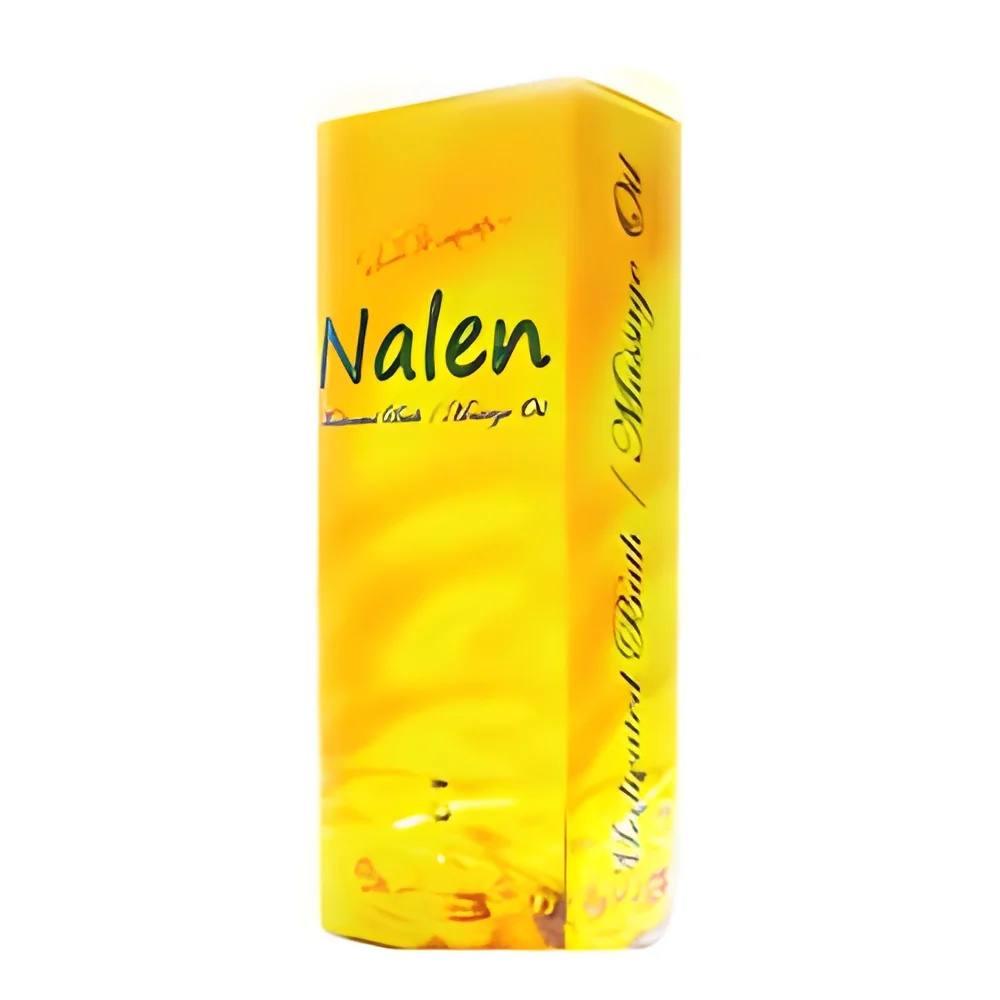
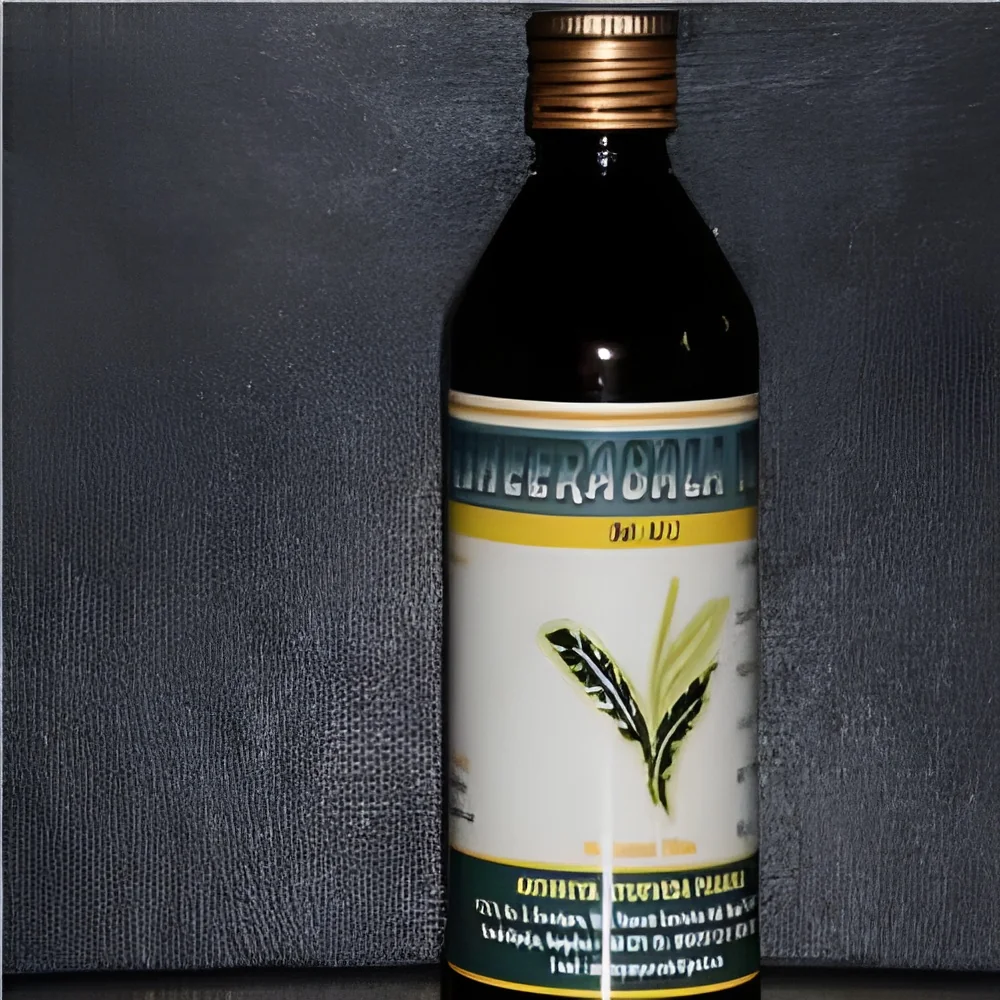
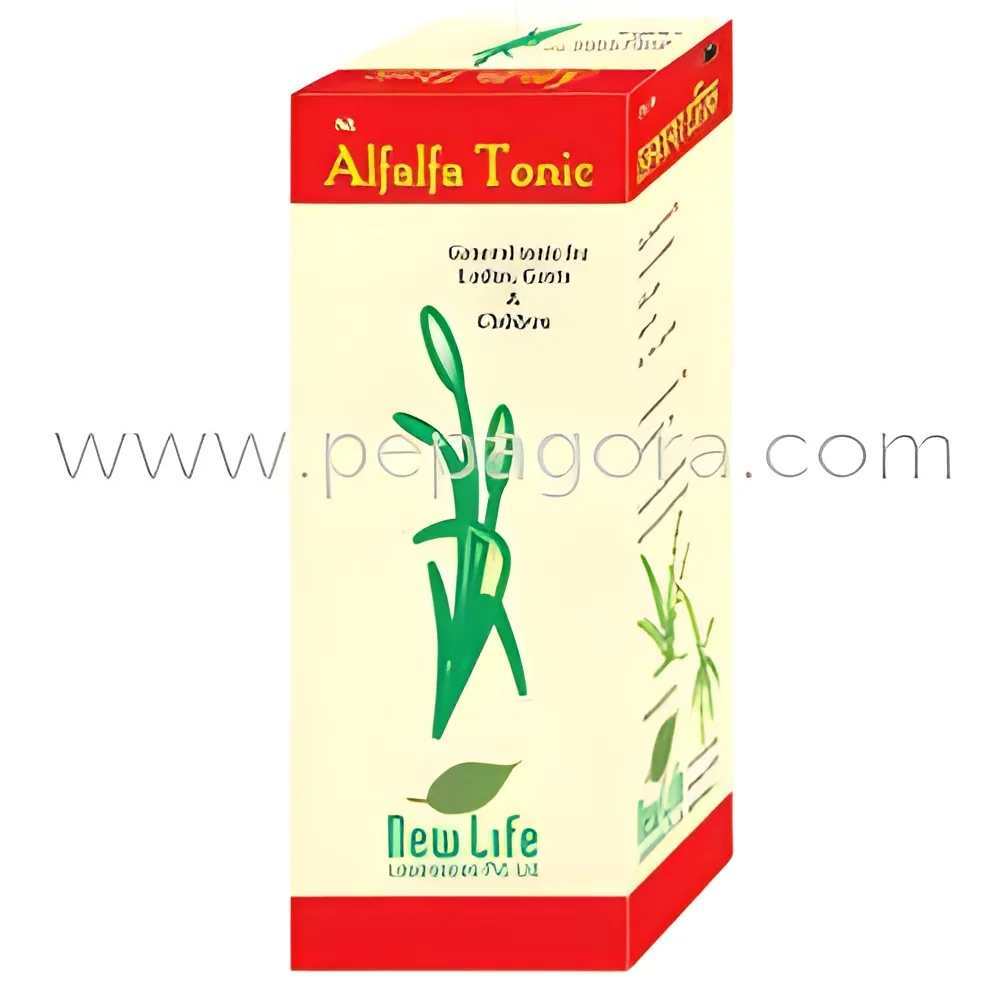
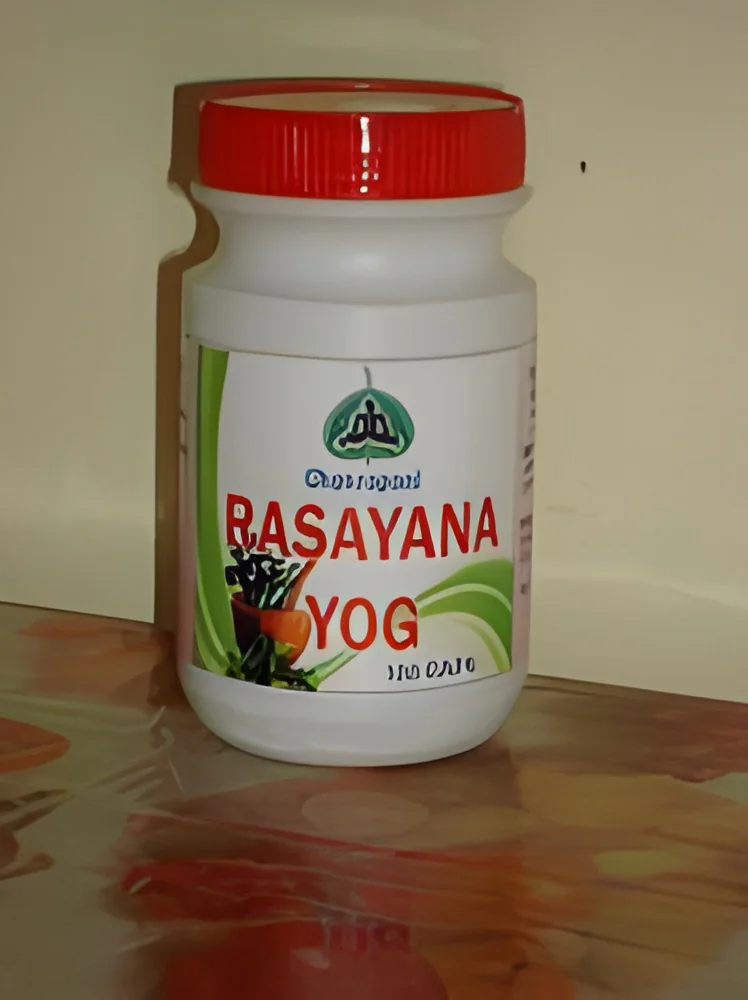
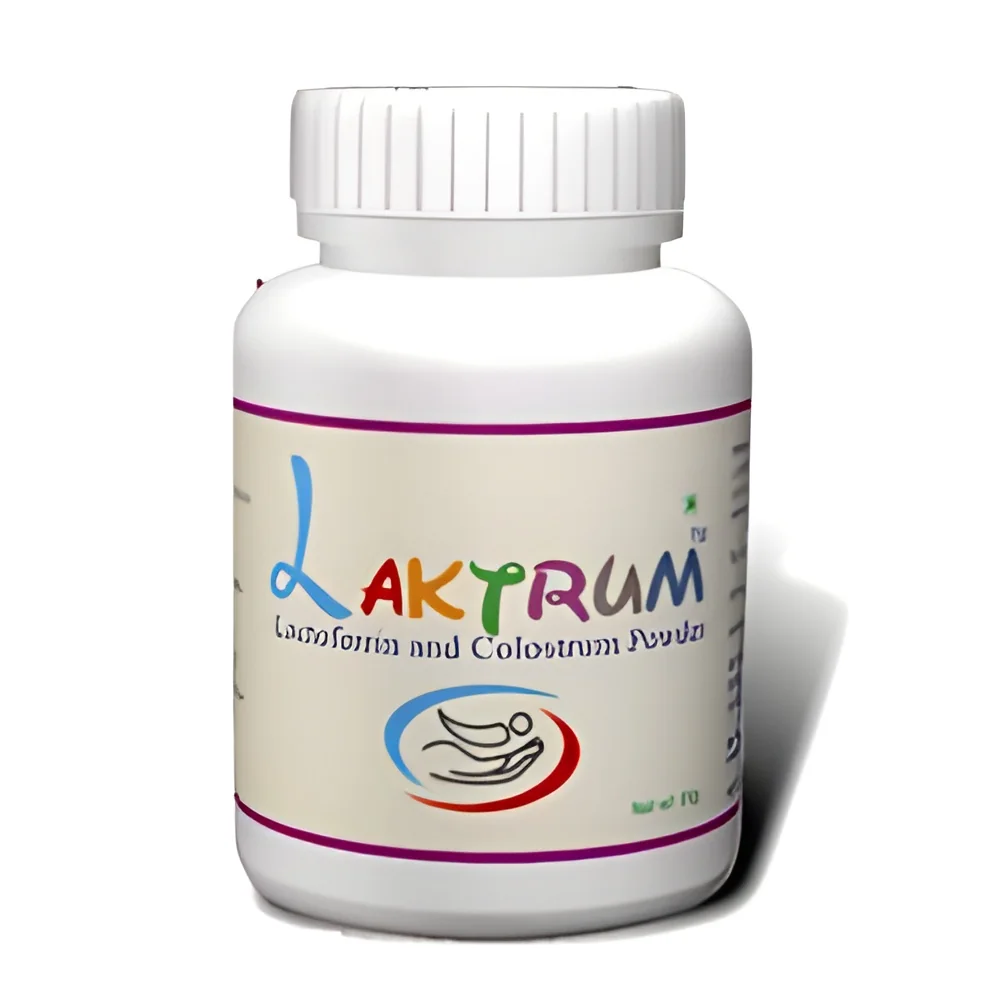
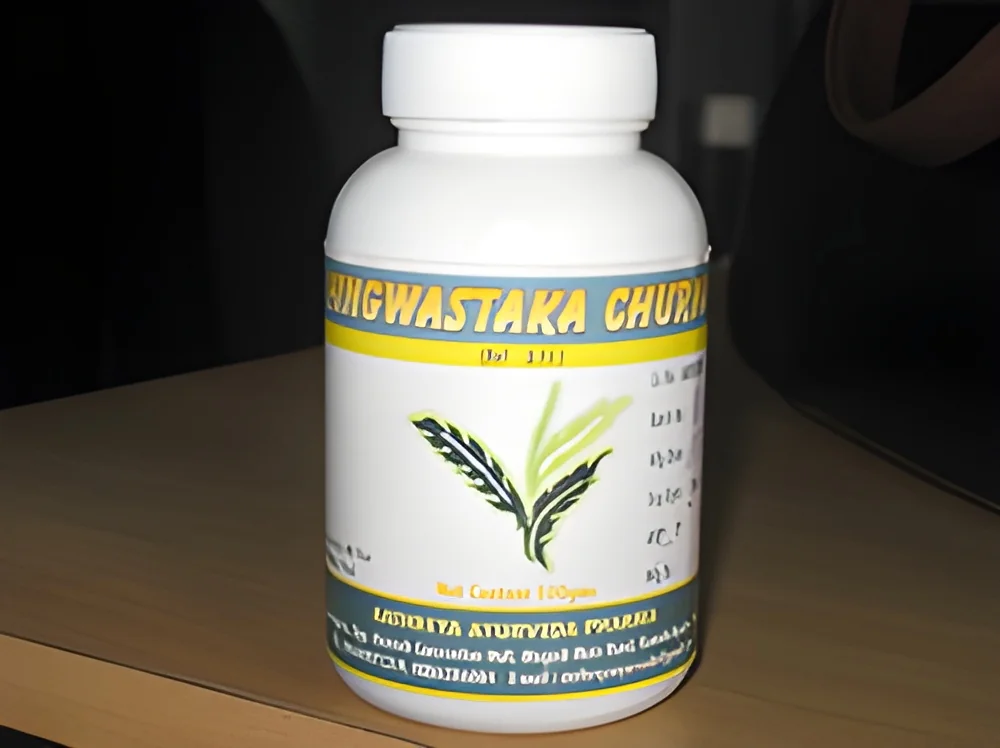
𝗪𝗵𝗮𝘁 𝗮𝗿𝗲 𝗛𝗲𝗿𝗯𝗮𝗹 & 𝗔𝘆𝘂𝗿𝘃𝗲𝗱𝗶𝗰 𝗠𝗲𝗱𝗶𝗰𝗶𝗻𝗲𝘀?
Herbal and Ayurvedic medicines are traditional forms of healthcare that utilize plant-based ingredients for therapeutic purposes. Herbal medicine often refers to the use of specific plant extracts, powders, or whole plants to prevent and treat various ailments. Ayurvedic medicine, originating from India, is a holistic approach that focuses on balancing the body, mind, and spirit through natural remedies and lifestyle practices. Both practices have been embraced globally as alternative or complementary therapies.
These medicines are primarily used for wellness and preventive health, addressing issues such as stress, digestion, immunity, and chronic conditions. In the business landscape, herbal and Ayurvedic medicines have seen increasing demand in sectors like pharmaceuticals, wellness, and personal care. The industry is growing as consumers and healthcare professionals increasingly recognize the benefits of natural remedies over synthetic drugs. This has led to a significant market expansion, with numerous companies focusing on research and development of these products.
The relevance of herbal and Ayurvedic medicines in today's market cannot be overstated. With a shift towards natural and organic solutions, many businesses are looking to incorporate these remedies into their offerings. This trend is further supported by a growing body of research validating the efficacy of various herbal ingredients, making them an attractive option for B2B buyers in the health and wellness sectors.
𝗞𝗲𝘆 𝗙𝗲𝗮𝘁𝘂𝗿𝗲𝘀 𝗮𝗻𝗱 𝗦𝗽𝗲𝗰𝗶𝗳𝗶𝗰𝗮𝘁𝗶𝗼𝗻𝘀
Herbal and Ayurvedic medicines come with distinctive features that cater to diverse health needs. Their formulation often emphasizes purity, quality, and efficacy, ensuring that they meet the expectations of consumers and healthcare providers alike.
Key specifications include:
1. Ingredient Sourcing
- High-quality, organic, and sustainably sourced plants
- Verification of ingredient authenticity
2. Manufacturing Standards
- Adherence to Good Manufacturing Practices (GMP)
- Quality control measures throughout the production process
3. Shelf Life
- Typically ranges from 1 to 3 years, depending on the formulation
- Proper storage conditions to maintain efficacy
4. Packaging Options
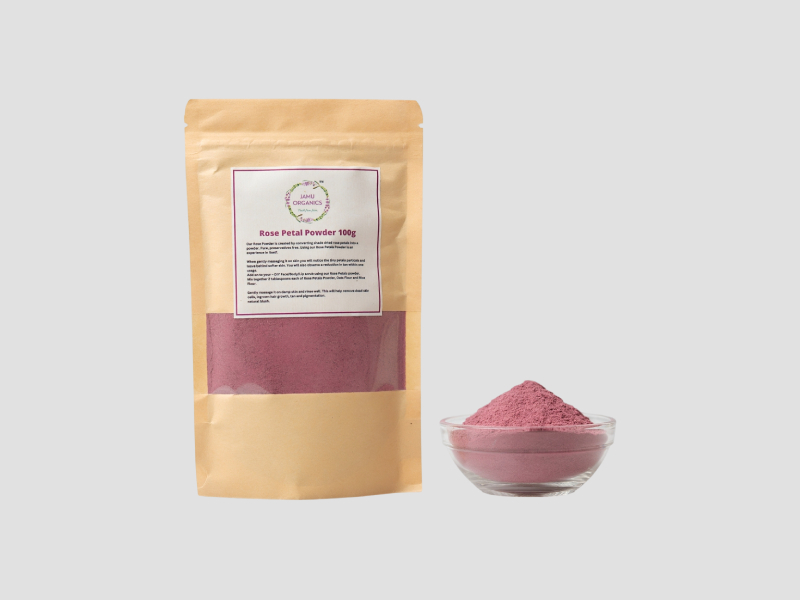
- Available in various forms such as capsules, powders, tinctures, and teas
- Eco-friendly packaging solutions to appeal to environmentally conscious consumers
5. Dosage Forms
- Standardized dosages for consistency and reliability
- Customizable formulations for specific health needs
6. Safety Testing
- Comprehensive safety evaluations to assess potential side effects
- Compliance with safety regulations
7. Certification
- Products may hold certifications such as CE to demonstrate quality and safety standards
8. Regulatory Compliance
- Compliance with local and international health regulations
In summary, these specifications ensure that herbal and Ayurvedic medicines are effective, safe, and reliable for users, fostering trust and satisfaction in B2B transactions.
𝗖𝗼𝗺𝗺𝗼𝗻 𝗔𝗽𝗽𝗹𝗶𝗰𝗮𝘁𝗶𝗼𝗻𝘀 𝗮𝗻𝗱 𝗨𝘀𝗲 𝗖𝗮𝘀𝗲𝘀
Herbal and Ayurvedic medicines are utilized across various industries, highlighting their versatility and effectiveness in promoting health and wellness.
1. Pharmaceuticals: These medicines are often used in the formulation of natural remedies for various health conditions, including chronic diseases, digestive issues, and skin disorders.
2. Nutraceuticals: Companies incorporate herbal ingredients into dietary supplements aimed at enhancing health and preventing disease, appealing to health-conscious consumers.
3. Personal Care: Skin care and beauty products frequently use herbal and Ayurvedic elements for their natural benefits, catering to the growing demand for clean and organic beauty solutions.
4. Food and Beverage: Herbal infusions and functional foods utilize Ayurvedic principles to promote wellness, targeting consumers interested in health-oriented dietary choices.
5. Veterinary Medicine: Some companies are exploring herbal solutions for animal health, addressing conditions in pets and livestock through natural remedies.
6. Spa and Wellness Centers: Ayurvedic therapies are integrated into wellness treatments, promoting relaxation and holistic health among clients.
7. Traditional Healing Practices: Many cultures continue to rely on herbal and Ayurvedic remedies for their healing properties, reinforcing their significance in holistic health approaches.
𝗣𝗿𝗼𝗱𝘂𝗰𝘁 𝗩𝗮𝗿𝗶𝗮𝗻𝘁𝘀 𝗮𝗻𝗱 𝗦𝘂𝗯𝗰𝗮𝘁𝗲𝗴𝗼𝗿𝗶𝗲𝘀
The diversity of herbal and Ayurvedic medicines allows businesses to meet specific consumer needs through various product variants.
Herbal Extracts
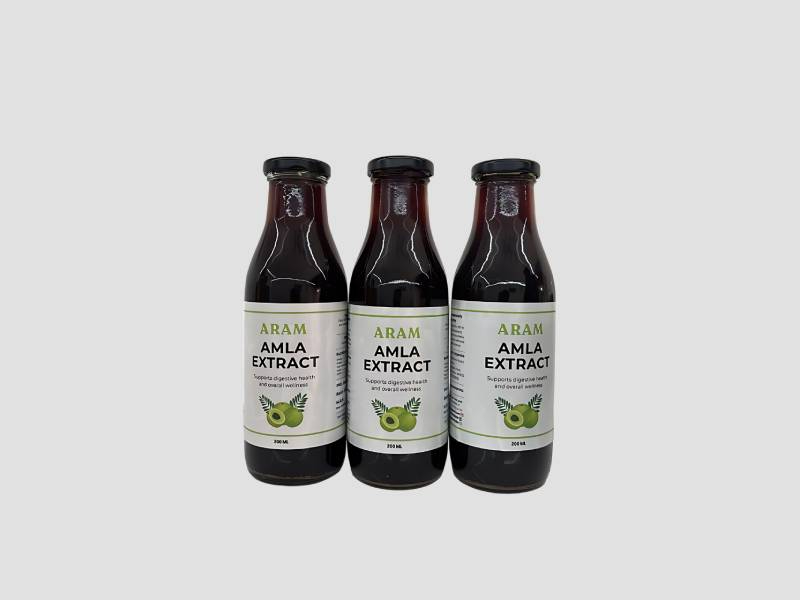
These are concentrated forms of herbal ingredients, available in liquid, powder, or capsule formats. They are used for targeted health solutions and are often standardized for potency.
Ayurvedic Formulations
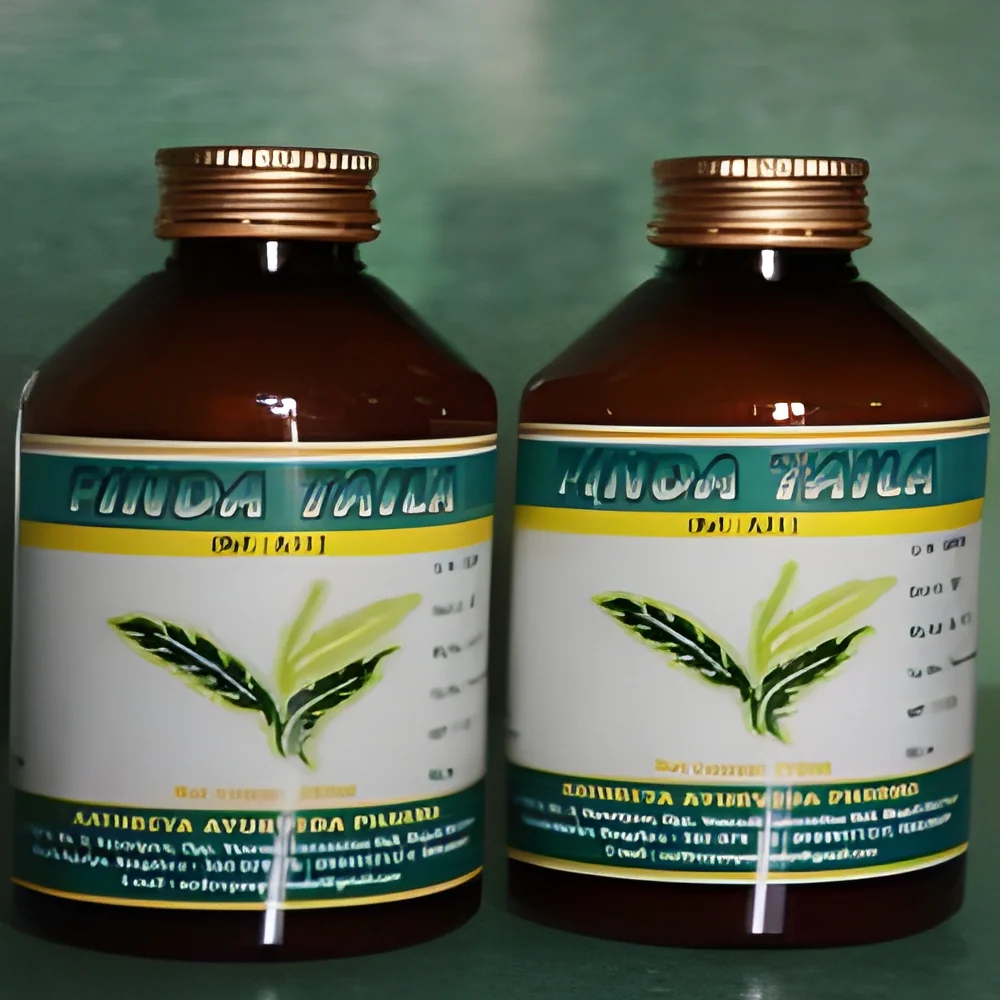
These include traditional mixtures of herbs designed to balance the body's doshas. Commonly used in oils, powders, and pastes, these formulations cater to holistic health practices.
Herbal Teas
A popular choice among consumers, herbal teas offer a convenient way to consume plant-based remedies. They are formulated for specific benefits, such as relaxation or digestion.
Nutritional Supplements
These products combine herbal ingredients with vitamins and minerals to enhance overall health. They cater to a market seeking preventive health solutions.
Essential Oils
Extracted from various plants, these oils are used for aromatherapy and topical applications. They are valued for their therapeutic properties and natural fragrance.
𝗕𝗲𝗻𝗲𝗳𝗶𝘁𝘀 𝗮𝗻𝗱 𝗔𝗱𝘃𝗮𝗻𝘁𝗮𝗴𝗲𝘀
Herbal and Ayurvedic medicines offer numerous advantages that appeal to both consumers and businesses.
1. Natural Ingredients: These medicines are derived from plants, providing a holistic approach to health that avoids synthetic chemicals.
2. Multi-faceted Benefits: Many herbal and Ayurvedic products address multiple health concerns simultaneously, offering comprehensive wellness solutions.
3. Minimal Side Effects: Generally, these remedies have fewer side effects compared to conventional medications, making them suitable for a wider audience.
4. Cultural Acceptance: Many consumers are familiar with herbal and Ayurvedic practices, leading to higher trust and acceptance in these products.
5. Sustainable Sourcing: A focus on sustainable and organic farming practices appeals to environmentally conscious consumers and aligns with modern ethical standards.
6. Growing Market Demand: The increasing popularity of natural health solutions provides opportunities for businesses to expand their product offerings and reach new customer segments.
𝗕𝘂𝘆𝗶𝗻𝗴 𝗚𝘂𝗶𝗱𝗲 𝗳𝗼𝗿 𝗕𝟮𝗕 𝗕𝘂𝘆𝗲𝗿𝘀
When sourcing Herbal and Ayurvedic Medicines, B2B buyers should consider several key factors to ensure they make informed purchasing decisions.
1. Quality Assessment: Evaluate the quality of products through certifications, ingredient sourcing practices, and manufacturing standards. Look for third-party testing to verify efficacy.
2. Supplier Verification: Conduct thorough background checks on suppliers, including their reputation, experience in the industry, and compliance with regulations.
3. Pricing and MOQ: Understand the pricing structure and minimum order quantities for various products to ensure they align with your budget and inventory needs.
4. Delivery and Lead Times: Assess logistics capabilities, including delivery schedules and shipping methods, to ensure timely availability of products.
5. Compliance Requirements: Familiarize yourself with local and international regulations governing herbal and Ayurvedic medicines to ensure that the products meet all necessary legal standards.
𝗖𝗼𝗺𝗽𝗹𝗶𝗮𝗻𝗰𝗲 𝗮𝗻𝗱 𝗖𝗲𝗿𝘁𝗶𝗳𝗶𝗰𝗮𝘁𝗶𝗼𝗻𝘀
Compliance and certifications are crucial for ensuring the quality and safety of herbal and Ayurvedic medicines. Key quality standards include ISO 9001, which outlines requirements for a quality management system, and HACCP, focusing on food safety.
Industry certifications, such as CE, indicate that the products meet European health and safety regulations. These certifications help build trust among consumers and businesses alike.
Safety and testing requirements are essential to validate the efficacy and safety of herbal ingredients. This includes rigorous testing for contaminants, potency, and stability.
Regional compliance considerations may vary, so it's important for businesses to stay informed about the specific regulations in their operating regions, ensuring that all products comply with local laws and standards.
𝗪𝗵𝘆 𝗦𝗼𝘂𝗿𝗰𝗲 𝗛𝗲𝗿𝗯𝗮𝗹 & 𝗔𝘆𝘂𝗿𝘃𝗲𝗱𝗶𝗰 𝗠𝗲𝗱𝗶𝗰𝗶𝗻𝗲𝘀 𝗳𝗿𝗼𝗺 𝗣𝗲𝗽𝗮𝗴𝗼𝗿𝗮?
Pepagora provides a trusted platform for sourcing Herbal and Ayurvedic Medicines that offers several key advantages for B2B buyers.
Verified Supplier Network: Pepagora ensures that all suppliers are thoroughly vetted, providing buyers with access to a reliable network of manufacturers and distributors committed to quality.
Streamlined RFQ Process: The quotation system simplifies the sourcing process, allowing buyers to easily compare prices and product offerings from various suppliers, ultimately saving time and effort.
Trade Assurance and Support: Buyers benefit from trade assurance measures that protect their transactions, ensuring that they receive the products as promised and within the agreed timeframe.
Regional Coverage: With a strong presence in India, the GCC, and Southeast Asia, Pepagora enables businesses to tap into a wide market, facilitating easy access to high-quality herbal and Ayurvedic products across multiple regions.

 IN
IN