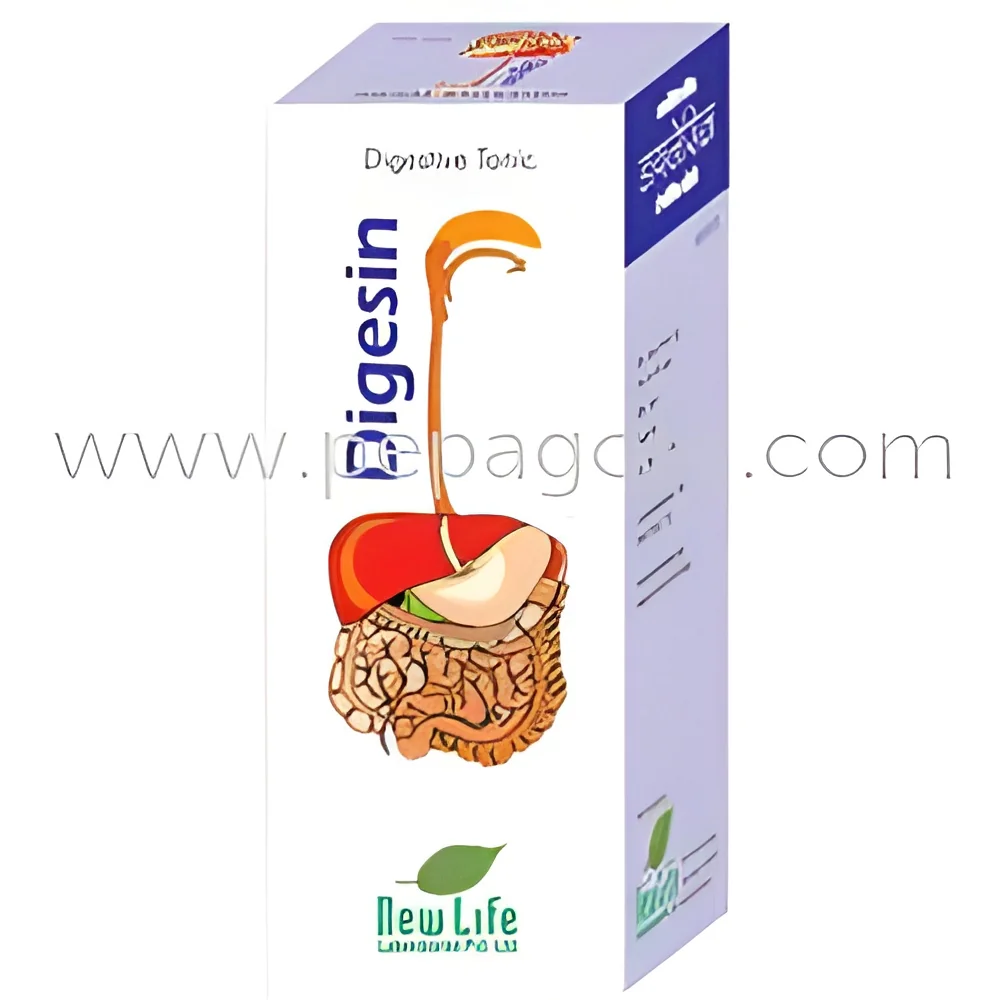
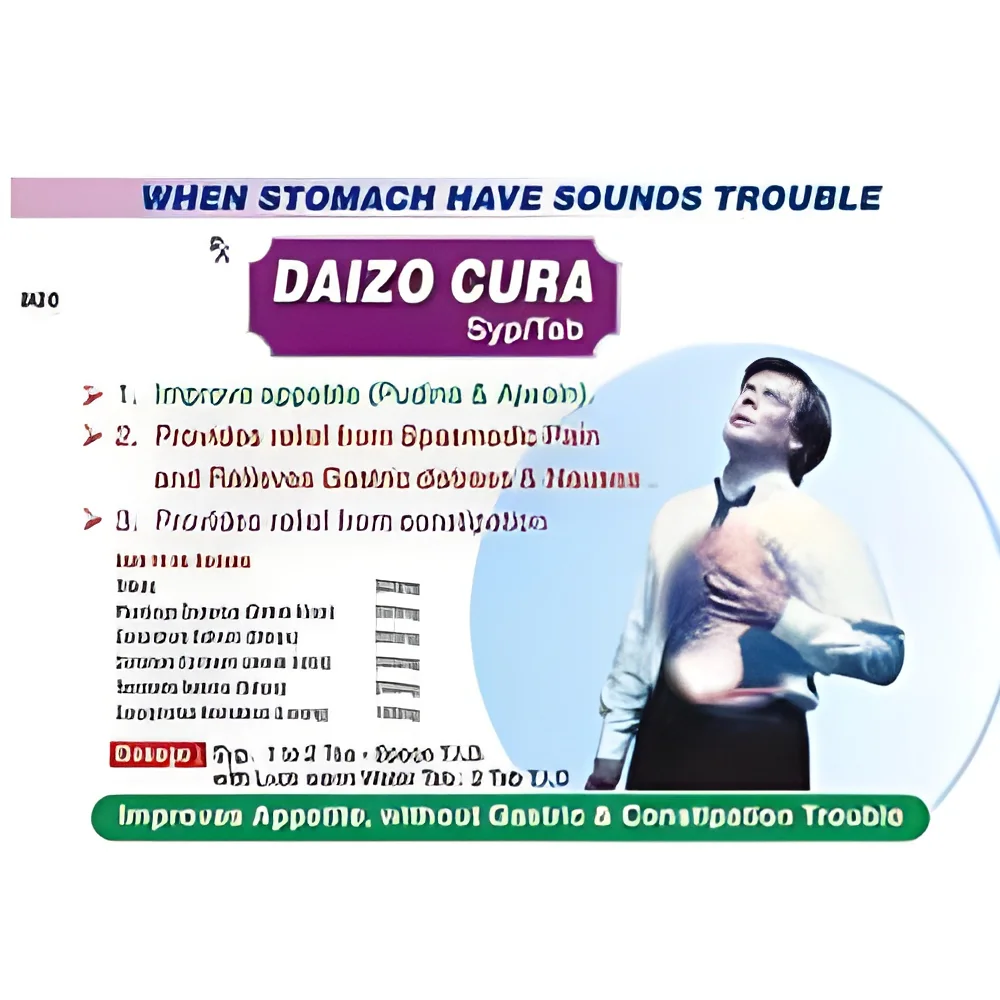
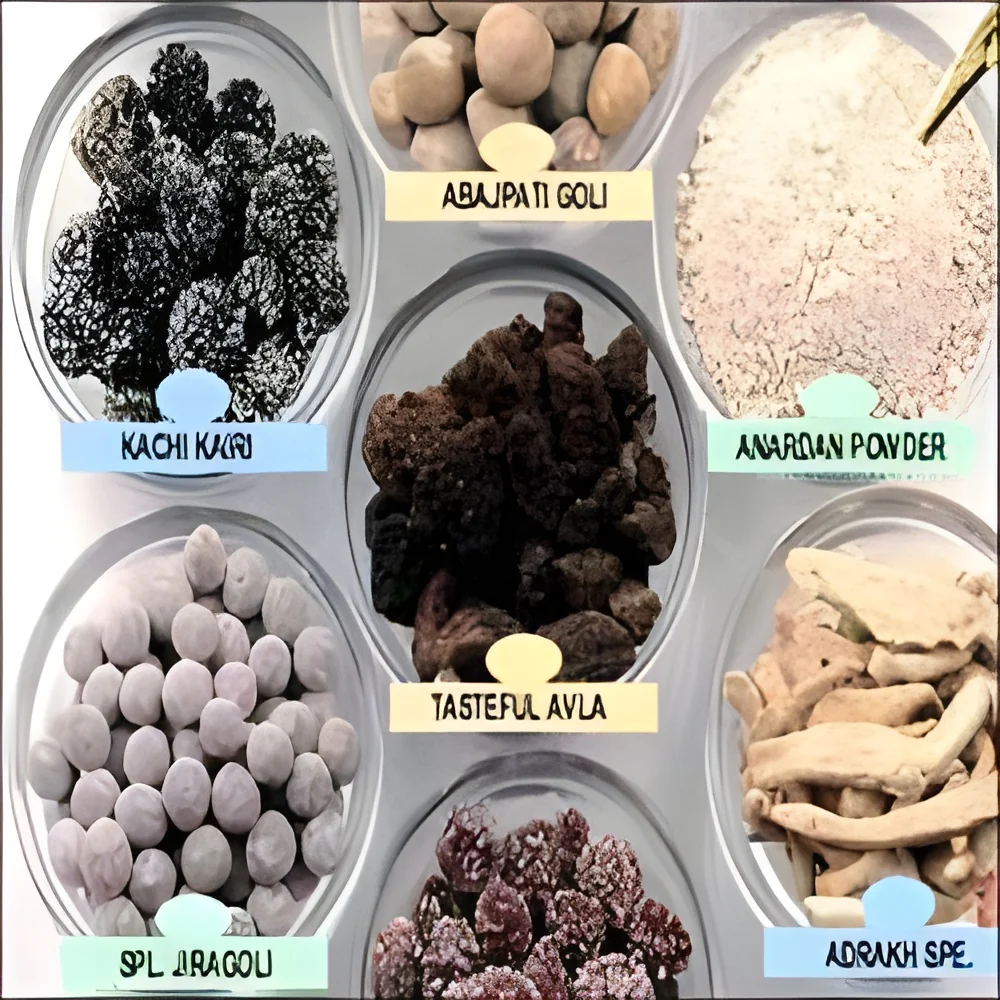
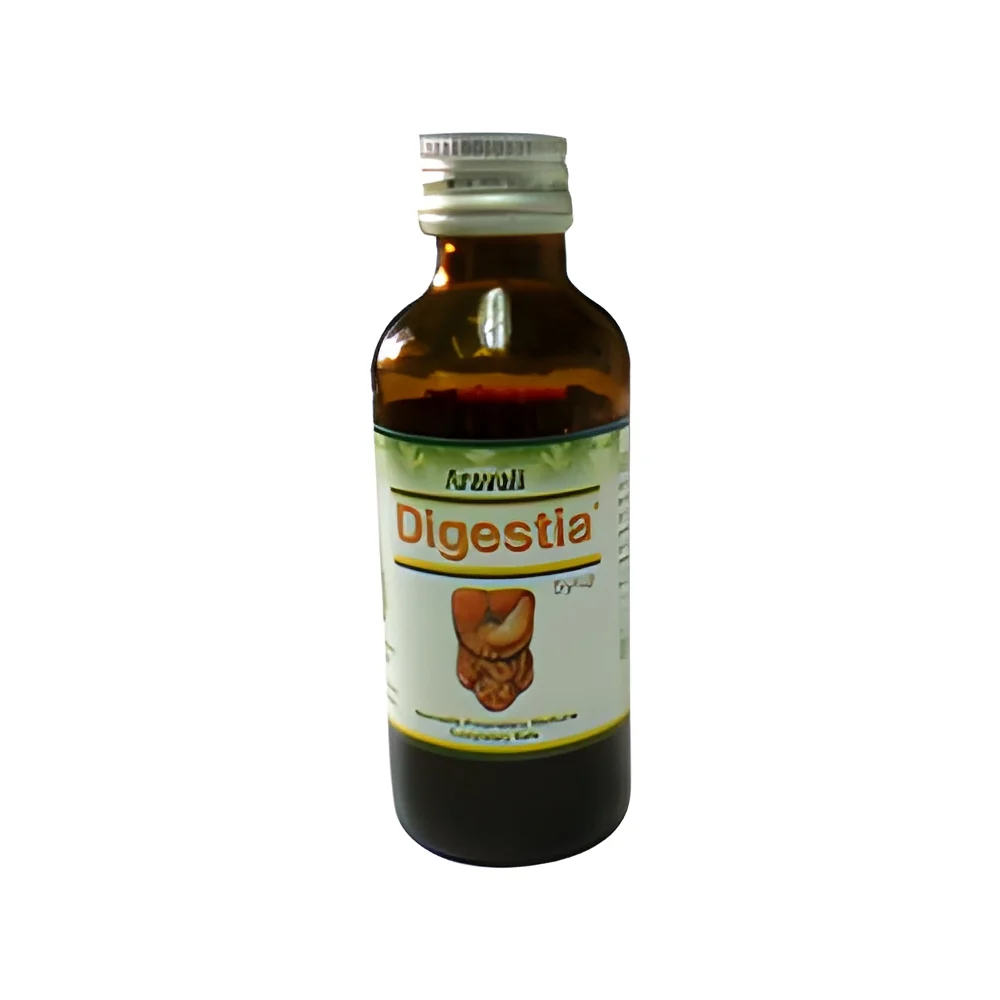
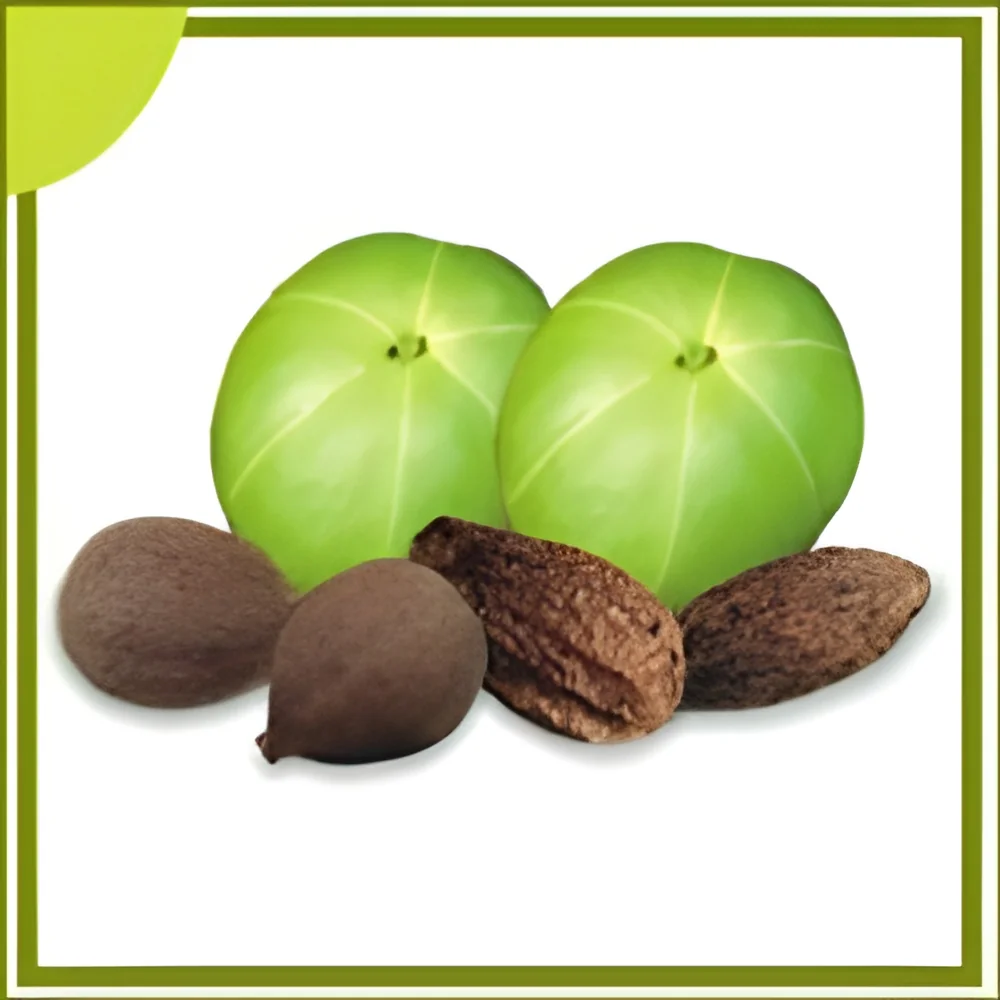
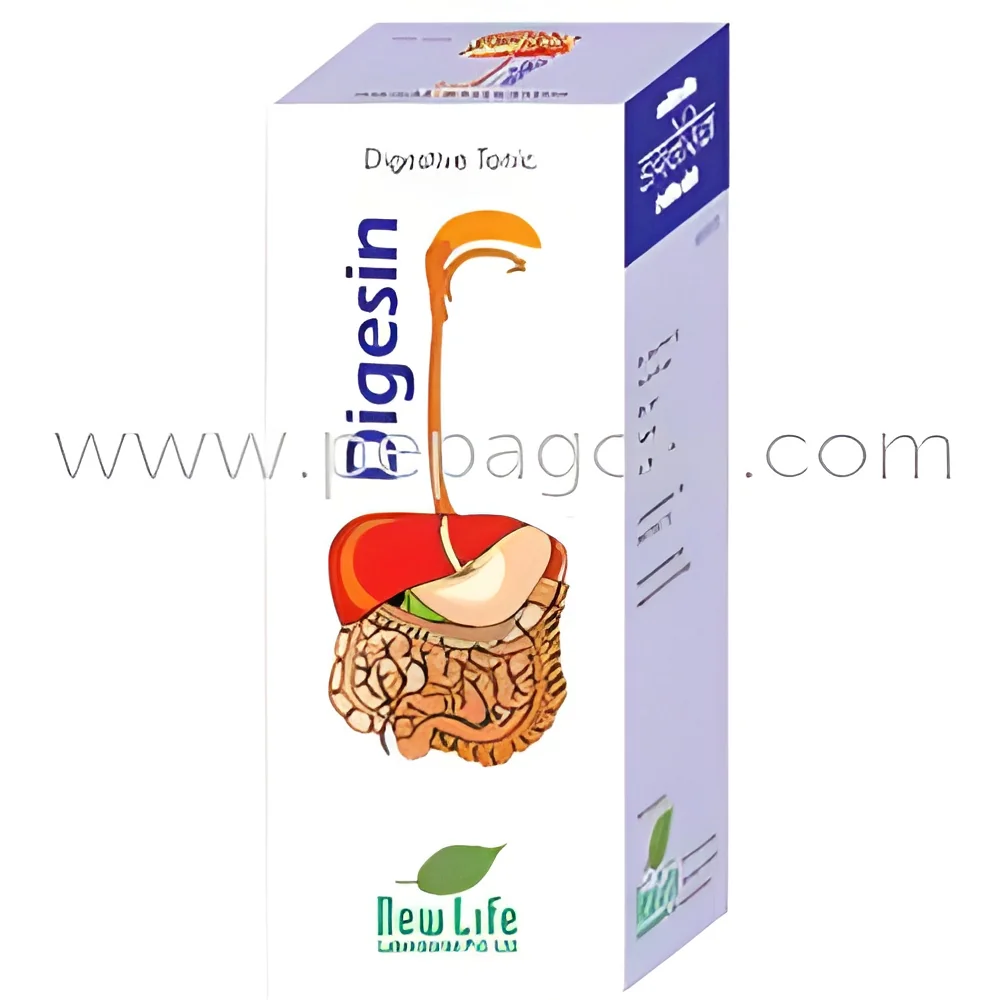
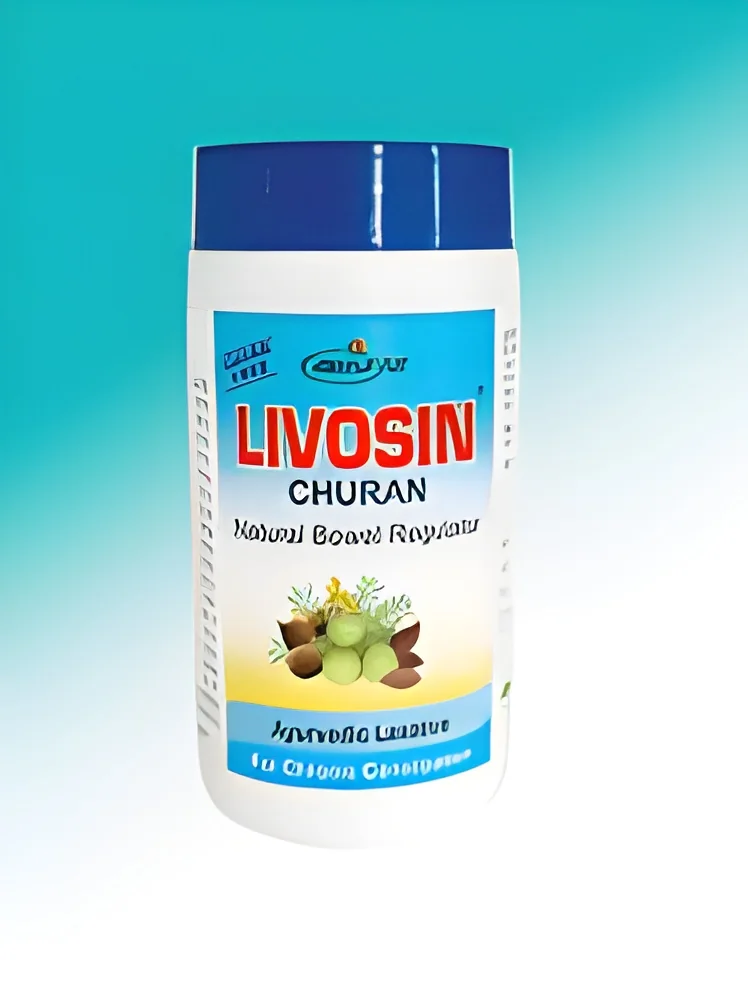
What are Herbal Digestive Aids?
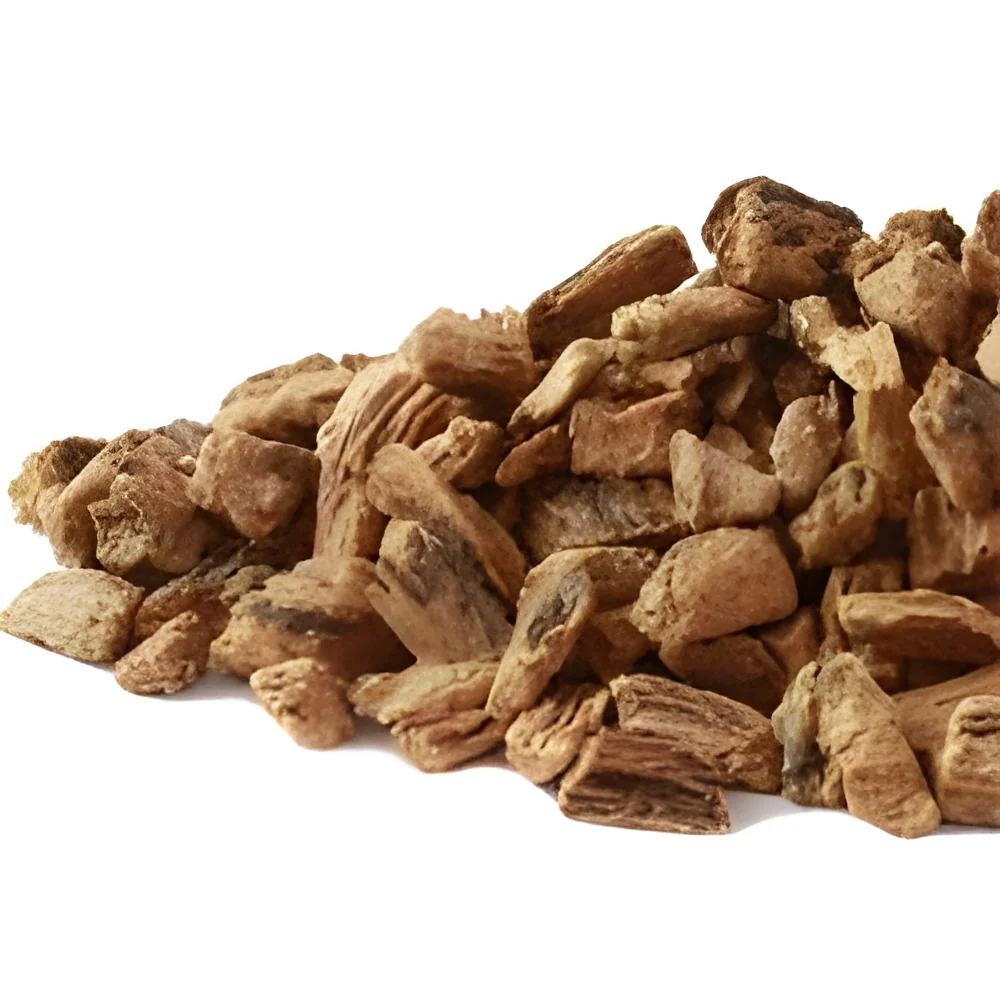
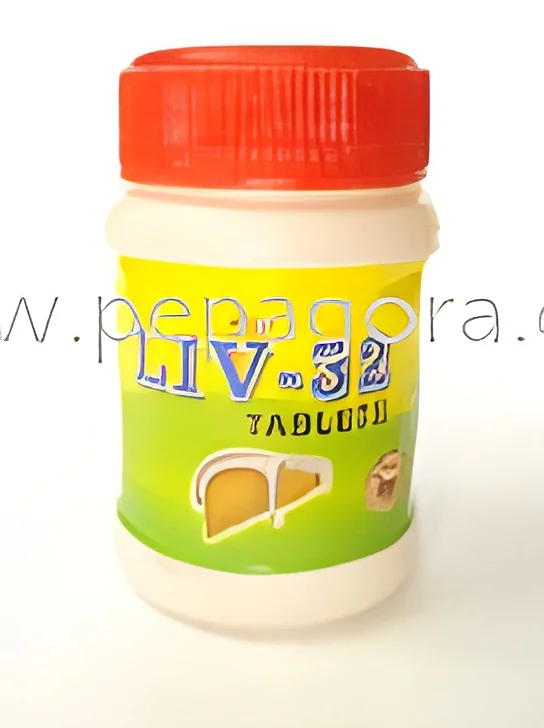
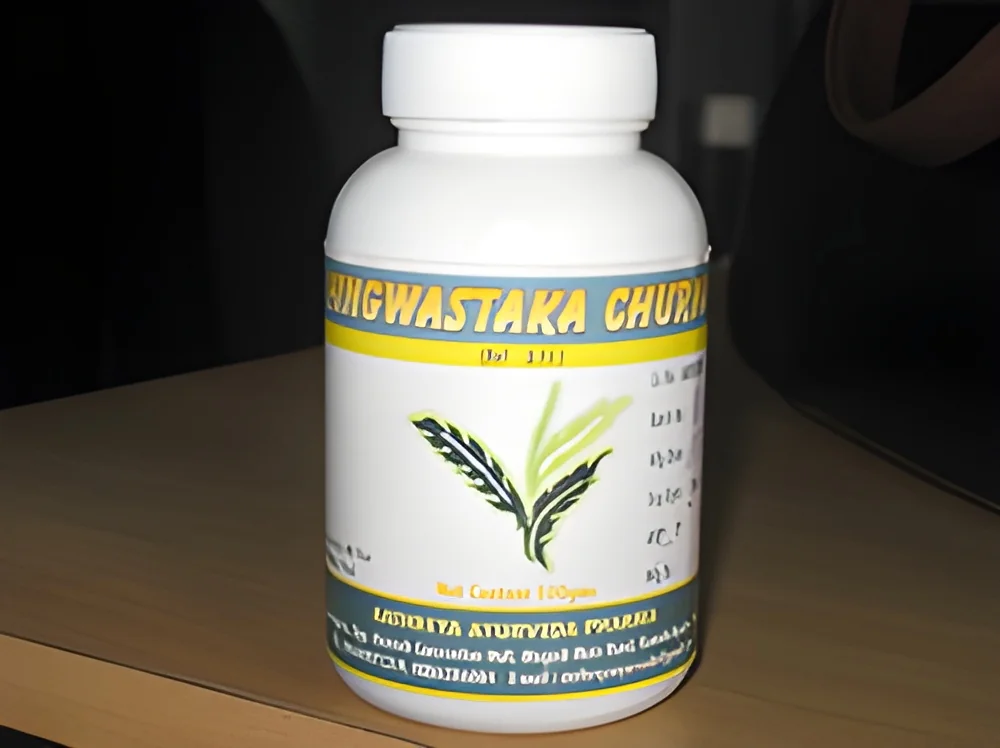
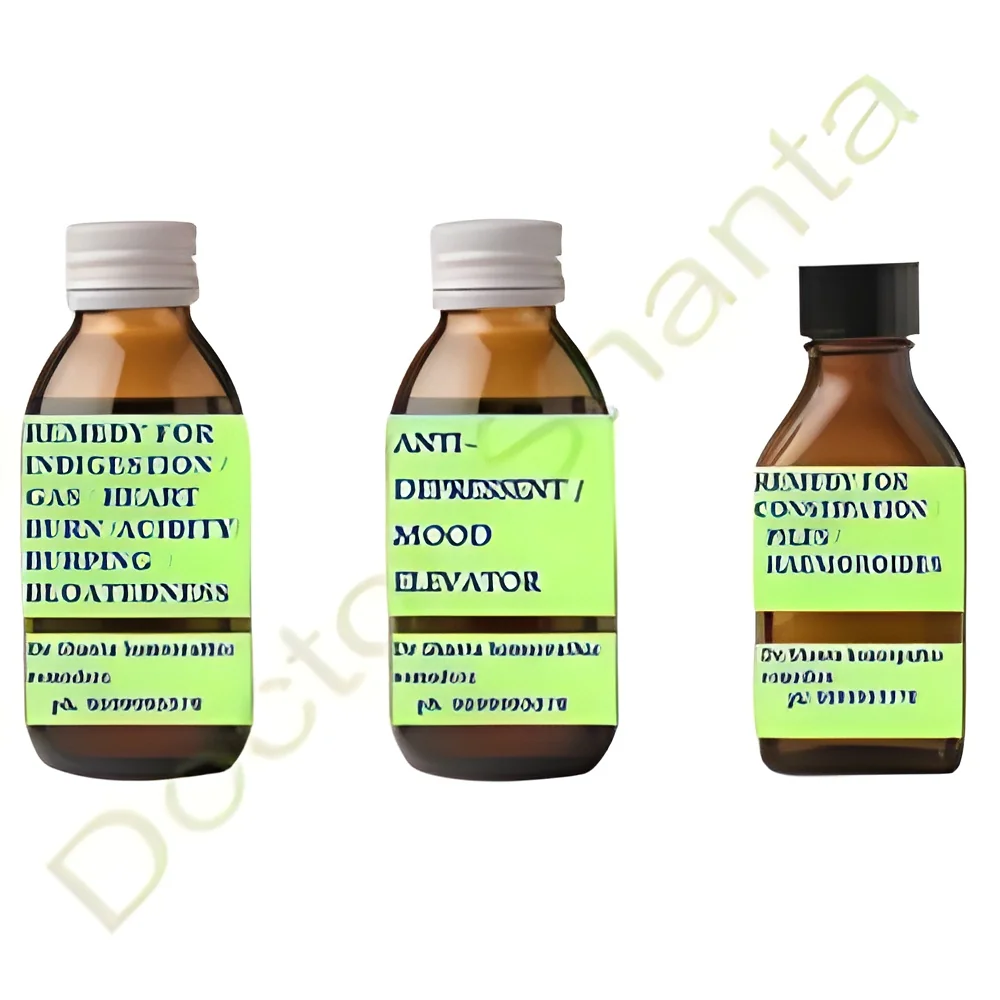
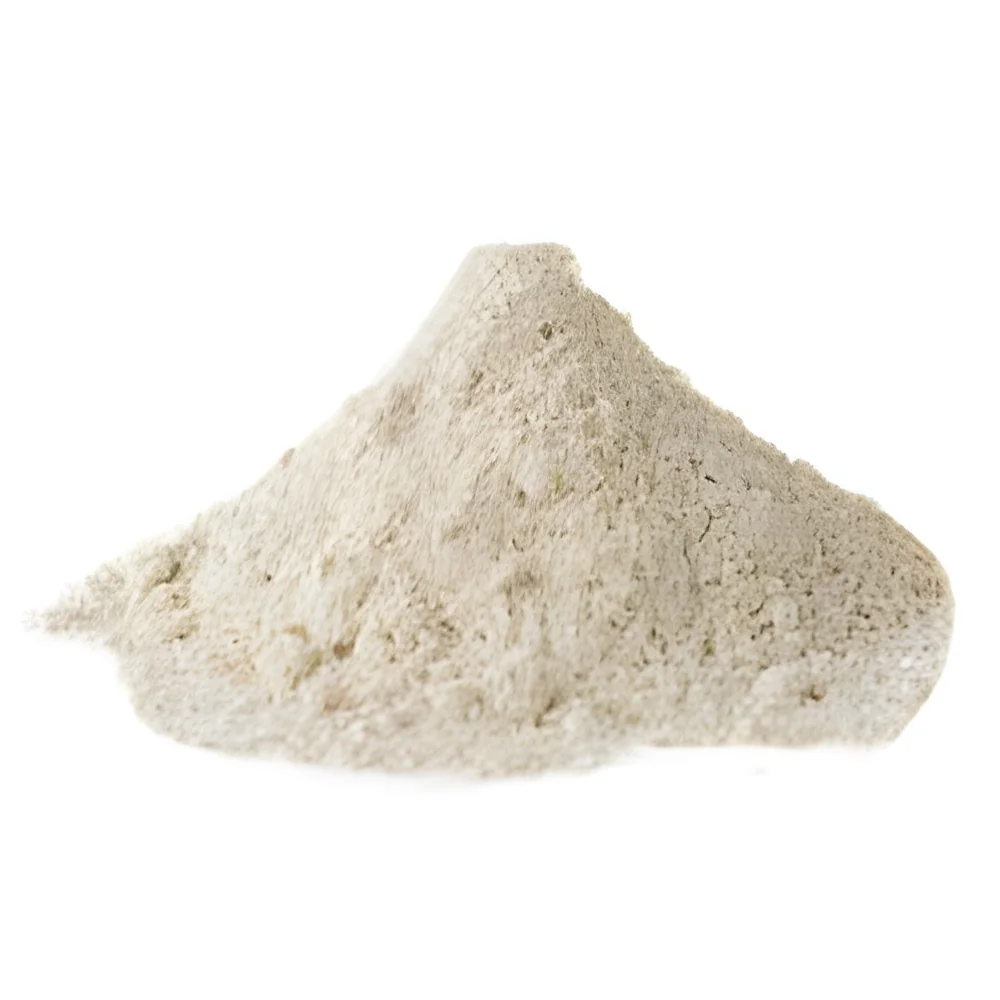
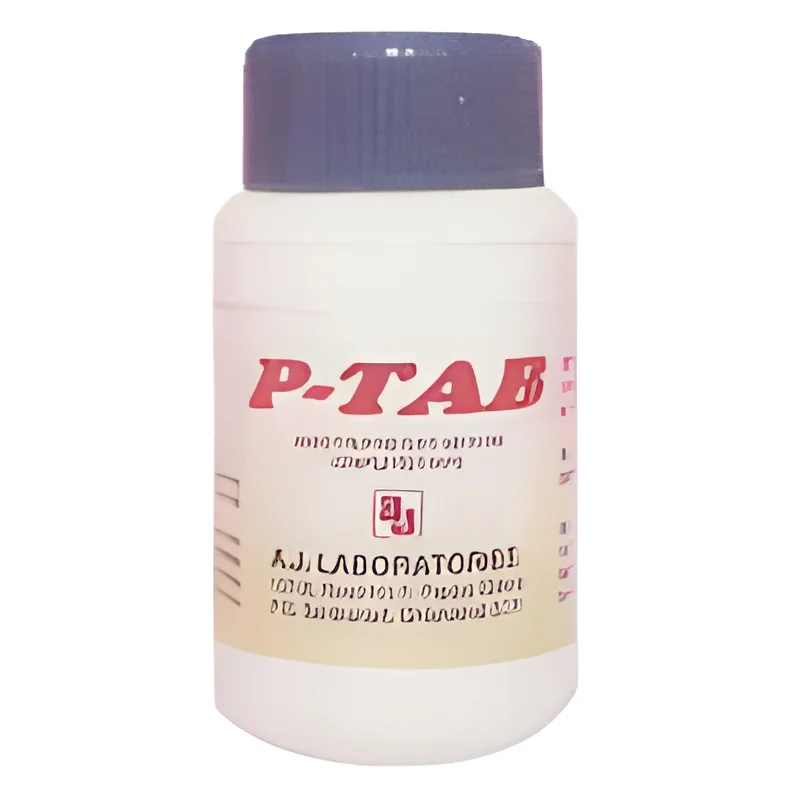
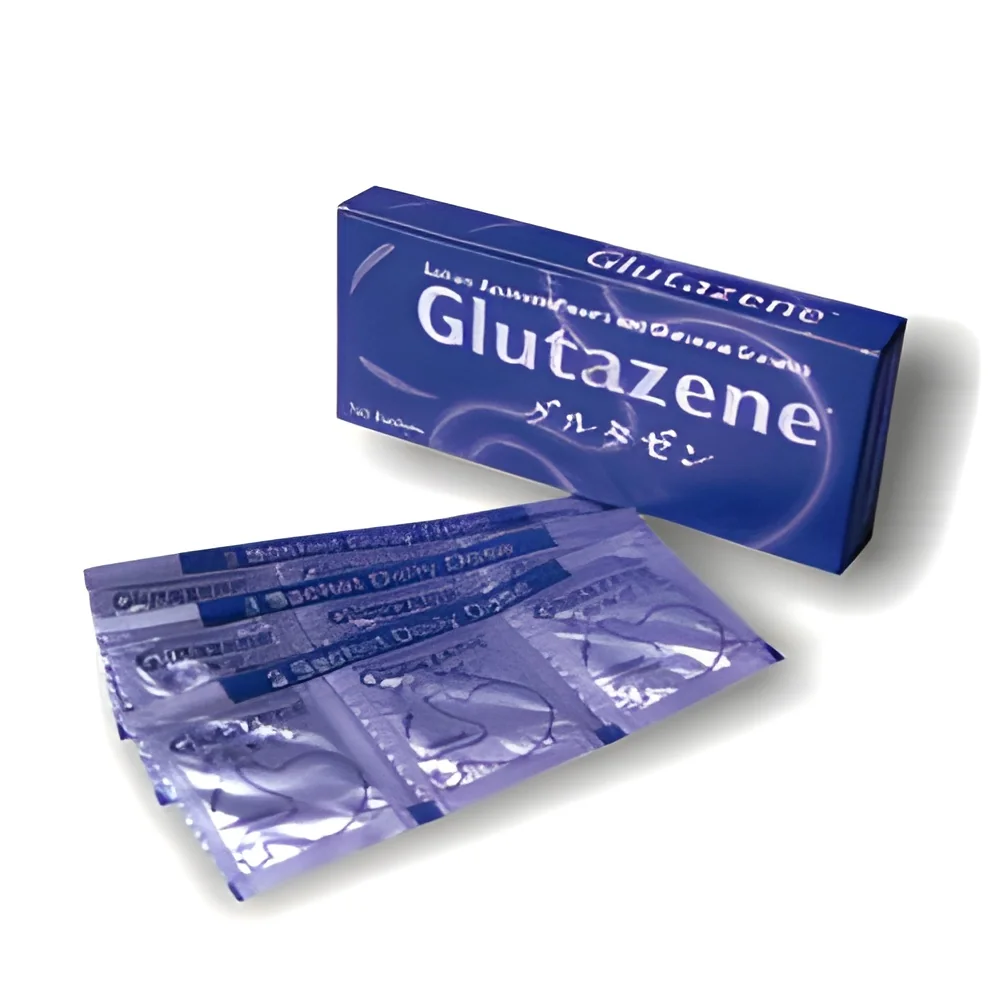
Herbal Digestive Aids are natural products derived from plant sources that support digestive health. These aids often contain a blend of herbs known for their beneficial effects on digestion, including promoting appetite, alleviating bloating, and enhancing nutrient absorption. They can come in various forms, such as powders, capsules, and tinctures, making them versatile for consumer preferences.
The primary uses of Herbal Digestive Aids span across wellness industries, including dietary supplements, pharmaceuticals, and natural health products. Businesses utilize these aids to enhance their product offerings, attract health-conscious consumers, and address common digestive issues. As more individuals seek natural alternatives to conventional medicine, the demand for herbal digestive solutions continues to grow.
The relevance of Herbal Digestive Aids in the industry is underscored by a trend towards holistic health practices. With an increasing awareness of the benefits of natural ingredients, manufacturers are incorporating herbal extracts into their products. This shift creates opportunities for businesses to tap into the expanding market of herbal remedies and digestive health solutions.
Key Features and Specifications
Herbal Digestive Aids are characterized by several important features and specifications that enhance their effectiveness and appeal to businesses.
Key specifications include:
1. Active Ingredients
- Common active ingredients include peppermint, ginger, and fennel.
- These ingredients have been shown to promote digestion and alleviate discomfort.
2. Formulation Type
- Available in forms such as capsules, powders, and liquid extracts.
- Each formulation type may have different absorption rates and consumer preferences.
3. Shelf Life
- Typically ranges from 1 to 3 years, depending on formulation and storage conditions.
- Proper packaging can enhance the longevity of the product.
4. Dosage Recommendations
- Common dosages range from 500 mg to 1500 mg per serving.
- Recommendations may vary based on the specific herb and intended use.
5. Quality Control Standards
- Adherence to quality control measures is essential for product consistency.
- Testing for potency and purity is commonly implemented.
6. Packaging Options
- Offered in bulk, retail-ready packaging, or custom branded options.
- Packaging plays a crucial role in product visibility and marketing.
7. Regulatory Compliance
- Must comply with local and international regulations for herbal supplements.
- Certification such as CE ensures adherence to safety standards.
8. Custom Formulations
- Opportunities for businesses to create tailored blends for unique market needs.
- Customization can enhance product differentiation in a competitive landscape.
In summary, understanding the key features and specifications of Herbal Digestive Aids allows businesses to make informed decisions when sourcing these products.
Common Applications and Use Cases
Herbal Digestive Aids serve a variety of industries, providing tailored solutions for specific applications.
1. Nutraceuticals: Many companies in the nutraceutical sector incorporate herbal digestive aids into their supplements aimed at improving gut health and overall wellness.
2. Food and Beverage: Manufacturers of health-oriented foods and drinks often include herbal extracts to enhance digestive benefits, appealing to health-conscious consumers.
3. Pharmaceuticals: Some pharmaceutical companies leverage herbal ingredients in their formulations to offer natural alternatives for digestive health.
4. Natural Health Stores: Retailers focusing on natural and organic products commonly stock herbal digestive aids as part of their wellness offerings.
5. Herbal Medicine Practitioners: Health practitioners in herbal medicine utilize these aids in personalized treatment plans for clients seeking natural solutions to digestive issues.
6. Dietary Supplement Brands: Brands focusing on dietary supplements frequently use herbal digestive aids to create unique products that target specific digestive concerns.
7. Fitness and Wellness: Companies in the fitness industry incorporate these products into their offerings to support clients looking for holistic wellness solutions.
Product Variants and Subcategories
The diversity of Herbal Digestive Aids allows businesses to choose from various variants tailored to different consumer preferences and needs.
Peppermint Digestive Aid
This variant utilizes peppermint oil, known for its soothing properties. It helps alleviate symptoms of indigestion and bloating, making it popular among consumers seeking quick relief.
Ginger Digestive Aid
Ginger is recognized for its ability to support digestion and reduce nausea. This variant is often used in formulations designed for travel sickness and general digestive discomfort.
Fennel Digestive Aid
Fennel aids in reducing gas and bloating. This variant is favored by those looking for relief from digestive issues, often found in herbal teas and supplements.
Turmeric Digestive Aid
With its anti-inflammatory properties, turmeric is included in formulations aimed at promoting gut health and reducing inflammation in the digestive tract.
Chamomile Digestive Aid
Chamomile is known for its calming effects and is often used in herbal blends designed to promote relaxation and support digestion.
Benefits and Advantages
Herbal Digestive Aids offer a range of benefits that can enhance the appeal of products to consumers.
Key benefits include:
1. Natural Ingredients: Herbal Digestive Aids are derived from plant sources, providing a natural alternative to synthetic digestive solutions.
2. Improved Digestion: Formulated to support digestive processes, these aids can help alleviate common issues such as bloating and discomfort.
3. Enhanced Nutrient Absorption: Many herbal ingredients promote better absorption of nutrients, benefiting overall health.
4. Holistic Health Approach: These aids align with the growing consumer trend towards holistic health and wellness solutions.
5. Versatility: Available in various forms, herbal digestive aids can cater to different consumer preferences and usage scenarios.
6. Customization Potential: Offers opportunities for businesses to create tailored products that meet specific market demands.
Buying Guide for B2B Buyers
When sourcing Herbal Digestive Aids, businesses should consider several key factors to ensure quality and suitability.
1. Quality Assessment: Evaluate the quality of herbal ingredients through certifications and testing. Look for products that have been tested for potency and purity to ensure effectiveness.
2. Supplier Verification: Vet potential suppliers by reviewing their reputation, experience, and compliance with industry standards. Reliable suppliers should provide transparency regarding their sourcing and production processes.
3. Pricing and MOQ: Understand the pricing structure and minimum order quantities (MOQ). This helps businesses manage budgets and inventory effectively.
4. Delivery and Lead Times: Consider logistics and delivery schedules to ensure timely availability of products. Efficient supply chains are essential for maintaining stock levels.
5. Compliance Requirements: Be aware of regional regulations and compliance standards that apply to herbal products. Ensuring adherence to these requirements is critical for market access.
Compliance and Certifications
Herbal Digestive Aids must adhere to various quality standards and regulations to ensure safety and efficacy. Relevant quality standards include ISO 9001, which focuses on quality management systems, and HACCP, which emphasizes food safety. Compliance with Good Distribution Practices (GDP) ensures that products are handled safely throughout the supply chain.
Industry certifications such as CE highlight adherence to European safety standards, enhancing credibility in the marketplace. Safety and testing requirements are crucial to verify the potency and purity of herbal ingredients, ensuring that products meet consumer expectations.
Regional compliance considerations vary by market. Businesses should be knowledgeable about local regulations governing herbal products, which can influence labeling, marketing, and distribution practices.
Why Source Herbal Digestive Aids from Pepagora?
Pepagora provides a trusted platform for sourcing Herbal Digestive Aids, offering several key advantages to businesses in the industry.
Verified Supplier Network: Pepagora maintains a network of verified suppliers, ensuring that businesses can source high-quality products with confidence. Rigorous vetting processes help to establish reliability and trust.
Streamlined RFQ Process: The Request for Quotation (RFQ) process is designed to be user-friendly, allowing buyers to quickly receive competitive pricing and product information from multiple suppliers. This efficiency aids in decision-making.
Trade Assurance and Support: Buyers benefit from trade assurance measures that protect their purchases, providing peace of mind while navigating the sourcing process. Support services are available to address any inquiries or concerns.
Regional Coverage: With a strong presence in markets such as India, the GCC, and Southeast Asia, Pepagora offers broad geographic reach. This enables businesses to tap into diverse markets and meet regional demand for herbal products.

 IN
IN