IN
₹
Apparel & Fashion
Description
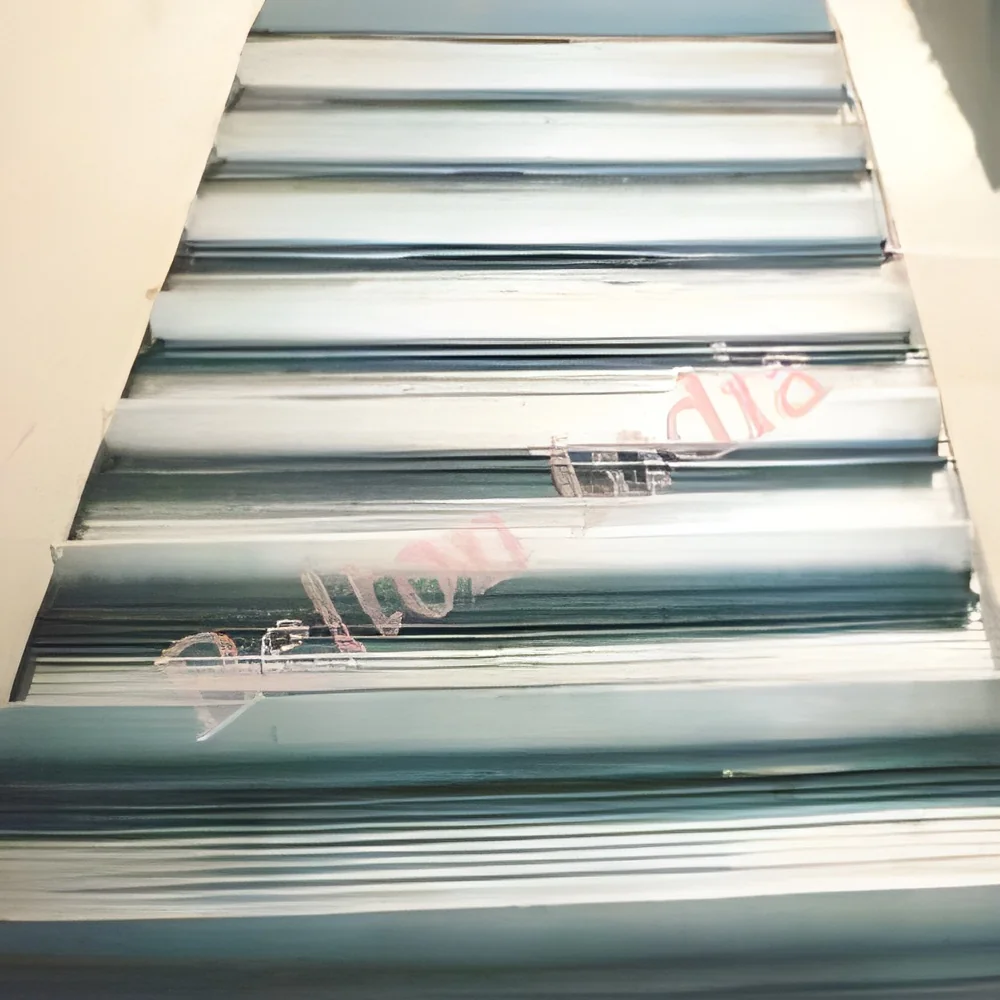
Two-tier conveyor belts represent specialized industrial systems engineered for efficient product cooling and transfer operations without requiring forced air or refrigeration systems. These innovative conveyors utilize a dual-level structure that maximizes both space utilization and processing capability, making them particularly suitable for industries demanding gentle product handling and temperature-sensitive operations. The unique design incorporates a reversible transfer mechanism that allows products like biscuits to be turned during transit, ensuring both sides receive equal cooling exposure for consistent quality output. Built with durability and operational reliability as core principles, these conveyor systems support continuous operation in demanding production environments while offering various configuration options to accommodate specific layout requirements and product characteristics.

These conveyor systems find extensive application across the food processing industr...
Two-tier conveyor belts represent specialized industrial systems engineered for efficient product cooling and transfer operations without requiring forced air or refrigeration systems. These innovative conveyors utilize a dual-level structure that maximizes both space utilization and processing capability, making them particularly suitable for industries demanding gentle product handling and temperature-sensitive operations. The unique design incorporates a reversible transfer mechanism that allows products like biscuits to be turned during transit, ensuring both sides receive equal cooling exposure for consistent quality output. Built with durability and operational reliability as core principles, these conveyor systems support continuous operation in demanding production environments while offering various configuration options to accommodate specific layout requirements and product characteristics.

These conveyor systems find extensive application across the food processing industry, particularly within commercial bakeries, confectionery manufacturing facilities, and snack production operations. They serve critical functions in packaging operations, pharmaceutical manufacturing, and light assembly lines where space optimization and controlled product handling are paramount. The ability to operate effectively in cool ambient temperatures without additional refrigeration equipment makes them both energy-efficient and cost-effective solutions for businesses seeking to streamline their cooling processes while maintaining stringent hygiene and safety standards. Their versatility extends to handling various product types including delicate baked goods, packaged items, and temperature-sensitive materials that require gradual cooling without mechanical intervention.

The business value of two-tier conveyor belts centers on their operational reliability, configuration flexibility, and production efficiency. They significantly reduce processing time by enabling simultaneous cooling operations on two separate levels, thereby increasing throughput capacity without expanding the facility footprint. Their robust construction ensures long-term operational reliability with minimal downtime, effectively lowering maintenance costs and maximizing production uptime. By eliminating the need for forced air cooling systems, these conveyors substantially reduce energy consumption, providing meaningful operational savings over time. These systems enhance product consistency and quality standards, supporting manufacturers in delivering superior goods to market while improving overall production return on investment through optimized space utilization and streamlined operations.

Key Features:
- Dual-tier design for space-efficient cooling and transfer operations
- Operates effectively without forced air or refrigeration systems
- Customizable dimensions and speed parameters to match production needs
- Reversible transfer mechanism for even bilateral product cooling
- Durable construction with reliable components for continuous operation

Benefits:
- Maximizes production capacity through dual-level processing
- Reduces energy consumption by eliminating forced air systems
- Adapts to various production layouts and product requirements
- Ensures consistent product quality through uniform cooling
- Provides long-term reliability with minimal maintenance needs
Specifications
| Additional Information | |
|---|---|
| Country of Origin | India |
Application
Two-tier conveyor belts are essential in food processing industries where controlled cooling is critical for product quality. They handle delicate items like biscuits, cookies, and baked goods, ensuring even temperature reduction without mechanical refrigeration. These systems integrate seamlessly into existing production lines, enhancing workflow efficiency while maintaining consistent product texture and freshness throughout the cooling process.
These conveyor systems also serve packaging operations and light manufacturing where space optimization is essential. The dual-level design allows simultaneous processing on two tiers, effectively doubling capacity within the same footprint. Industries including confectionery, snack production, and pharmaceutical manufacturing benefit from their gentle product handling and adaptable configurations that accommodate various product sizes and production speeds.
- Cooling biscuits and cookies in commercial bakeries for uniform texture
- Transferring packaged snacks through production facilities while maintaining crispness
- Moving confectionery products through temperature-controlled zones
- Handling pharmaceutical items requiring gentle cooling processes
- Supporting dual-level operations in packaging facilities to maximize space
Trade Details
| Available Stock | In Stock |
| Sample Availability | No |
Payment Terms
| Payment Terms |
|
Company Profile

Belton India, Punjab
 Punjab, India
Industrial Equipment & Machinery•Manufacturer•Distributor / Wholesaler•Importer / Exporter
Factory Details
Factory SizeBelow 1000 sqm
Annual Production Capacity0
Main Markets
South Asia
Food Processing Two Tier Conveyor Belts For Efficient Cooling Transfer
Two-tier conveyor belts efficiently cool and transfer food products like biscuits without forced air or refrigeration. These reliable systems enable uniform cooling on both sides for consistent quality output in food processing operations.
Min. Order Quantity: 1 unit
Shipping
Shipping fee and delivery date to be negotiated. Contact supplier now for more details.
Belton India
 Punjab, India
Industrial Equipment & MachineryManufacturer