IN
₹
Apparel & Fashion
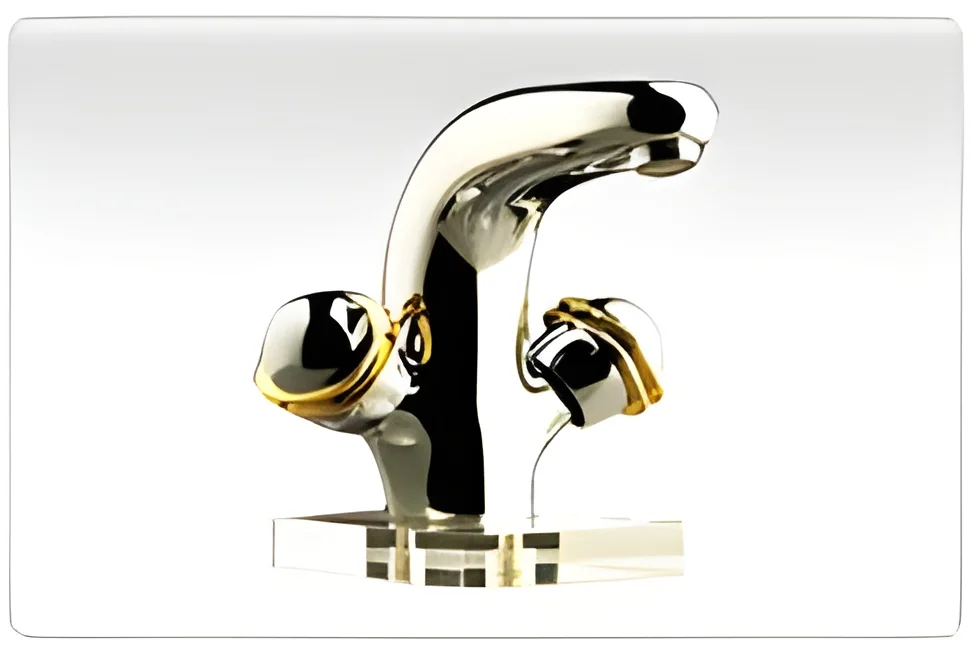
Description
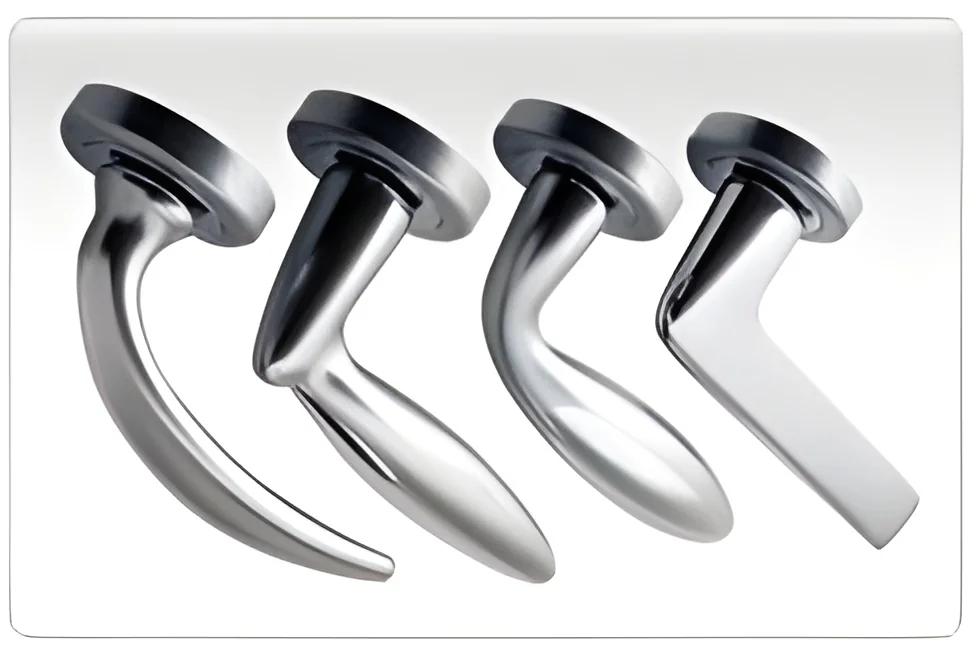
Premium satin nickel plating represents a sophisticated surface treatment that combines aesthetic appeal with practical durability. This specialized electroplating process creates a smooth, low-reflectivity finish that closely resembles brushed stainless steel, offering a contemporary alternative to traditional chrome finishes. The plating process involves precise control of nickel deposition to achieve consistent matte texture and color tone across production batches. Known for its reliable performance, this finish maintains its appearance through regular use and cleaning, making it a preferred choice for products where visual appeal must withstand daily wear. The finish's neutral silver tone blends seamlessly with various design schemes, from modern minimalist to traditional interiors, providing manufacturers with a versatile solution that appeals to broad market preferences.

Multiple industries leverage satin nickel plating for both decorative and functional applications. Kitchen a...
Premium satin nickel plating represents a sophisticated surface treatment that combines aesthetic appeal with practical durability. This specialized electroplating process creates a smooth, low-reflectivity finish that closely resembles brushed stainless steel, offering a contemporary alternative to traditional chrome finishes. The plating process involves precise control of nickel deposition to achieve consistent matte texture and color tone across production batches. Known for its reliable performance, this finish maintains its appearance through regular use and cleaning, making it a preferred choice for products where visual appeal must withstand daily wear. The finish's neutral silver tone blends seamlessly with various design schemes, from modern minimalist to traditional interiors, providing manufacturers with a versatile solution that appeals to broad market preferences.

Multiple industries leverage satin nickel plating for both decorative and functional applications. Kitchen and bath hardware manufacturers utilize this finish for faucets, handles, and fixtures where corrosion resistance and aesthetic consistency are crucial. The automotive industry applies it to interior components like control knobs, trim pieces, and instrument panels that require durable, attractive surfaces. Electronics manufacturers benefit from its conductive properties and compatibility with underlying plating layers for connectors and enclosures. Architectural and furniture producers use satin nickel for door hardware, lighting fixtures, and decorative elements that demand both style and substance. This cross-industry adoption demonstrates the finish's versatility and reliability across different application requirements and environmental conditions.

Businesses choosing satin nickel plating gain significant value through enhanced product durability, reduced maintenance costs, and improved customer satisfaction. The finish's inherent corrosion and tarnish resistance extends product lifespan, minimizing returns and warranty claims. Manufacturers appreciate the consistent quality that supports efficient high-volume production while maintaining strict specifications. The finish's popularity in residential and commercial markets helps products stand out in competitive environments, supporting premium positioning and brand reputation. For distributors and wholesalers, this translates to reliable inventory that meets customer expectations and drives repeat business through proven performance and visual appeal that withstands market trends.

Key Features:
- Soft matte finish with low reflectivity resembling stainless steel
- Excellent corrosion and tarnishing resistance for long-term durability
- Consistent color and texture across production batches
- Compatible with various base metals including brass, steel, and zinc
- Maintains electrical conductivity for electronic components

Benefits:
- Enhanced product appearance with contemporary matte finish
- Reduced maintenance and cleaning requirements for end users
- Extended product lifespan through superior corrosion protection
- Broad compatibility with existing manufacturing processes
- Consistent quality supporting efficient high-volume production
Specifications
| Additional Information | |
|---|---|
| Country of Origin | India |
Application
Premium satin nickel plating provides an elegant matte finish perfect for kitchen and bathroom fixtures. Its durable surface resists corrosion, tarnishing, and daily wear while maintaining its sophisticated appearance. The finish's subtle sheen complements modern design aesthetics without the high reflectivity of chrome, making it ideal for residential and commercial applications where both style and longevity matter. This plating solution ensures consistent performance across high-volume production runs while meeting strict quality standards for hardware manufacturers and suppliers.
Beyond kitchen and bath applications, satin nickel plating serves diverse industrial sectors including automotive, aerospace, and electronics manufacturing. The finish provides reliable protection for components exposed to varying environmental conditions while maintaining electrical conductivity where needed. Manufacturers value its compatibility with different base metals and production processes, allowing seamless integration into existing manufacturing lines. The finish's versatility makes it suitable for both decorative and functional applications across multiple industries.
- Kitchen faucets, sink fixtures, and cabinet hardware for homes and commercial spaces
- Bathroom accessories including shower systems, towel bars, and vanity fixtures
- Writing instruments and office accessories requiring premium finishes
- Automotive interior trim components and control interfaces
- Electronic device housings and architectural hardware elements
Trade Details
| Available Stock | In Stock |
| Sample Availability | No |
Payment Terms
| Payment Terms |
|
Company Profile
Arihant Electroplaters, Maharashtra
 Maharashtra, India
Factory Details
Factory SizeBelow 1000 sqm
Annual Production Capacity0
Premium Satin Nickel Plating For Kitchen Bath Hardware
Premium satin nickel plating delivers a soft stainless steel-like finish for kitchen and bath hardware. This reliable finish offers corrosion resistance and consistent quality for manufacturers and wholesalers.
Min. Order Quantity: 1 unit
Shipping
Shipping fee and delivery date to be negotiated. Contact supplier now for more details.
Arihant Electroplaters
 Maharashtra, India