IN
IN₹
Apparel & Fashion
Loading subcategories...
View More
Description
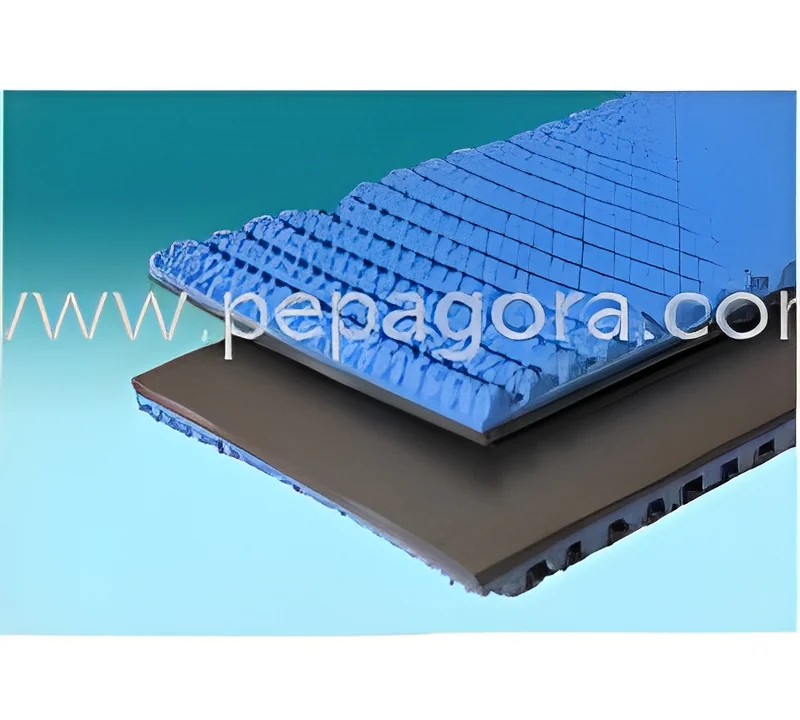
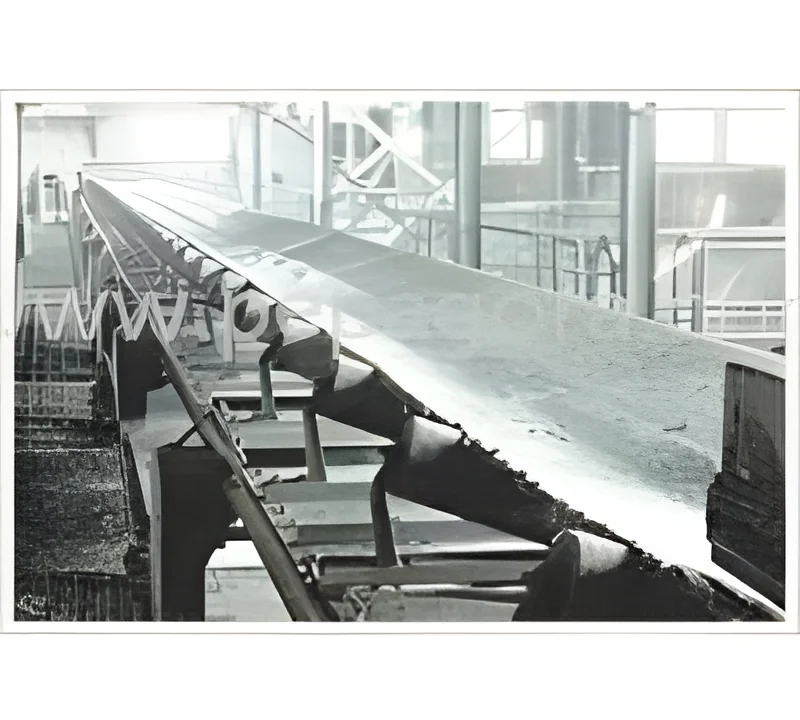
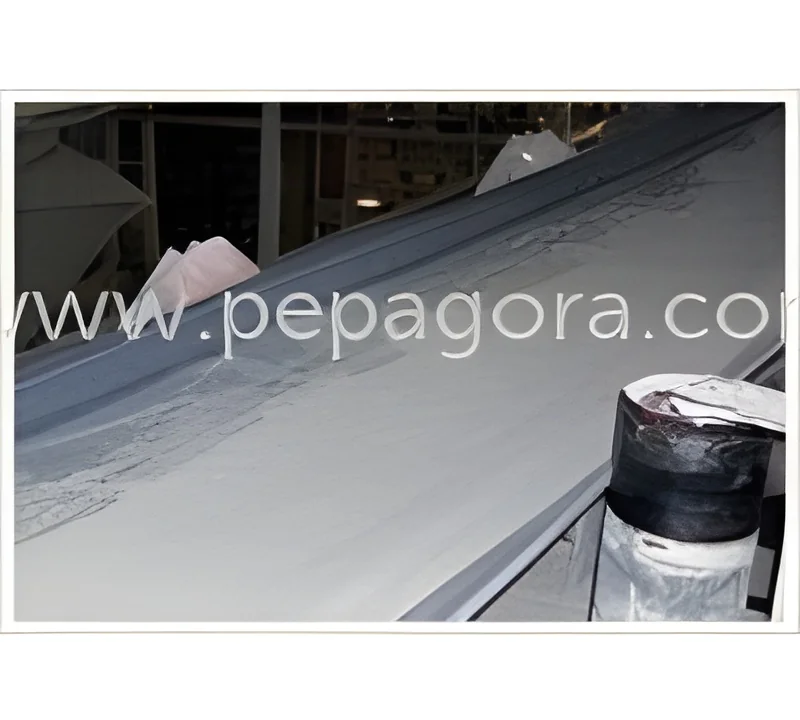
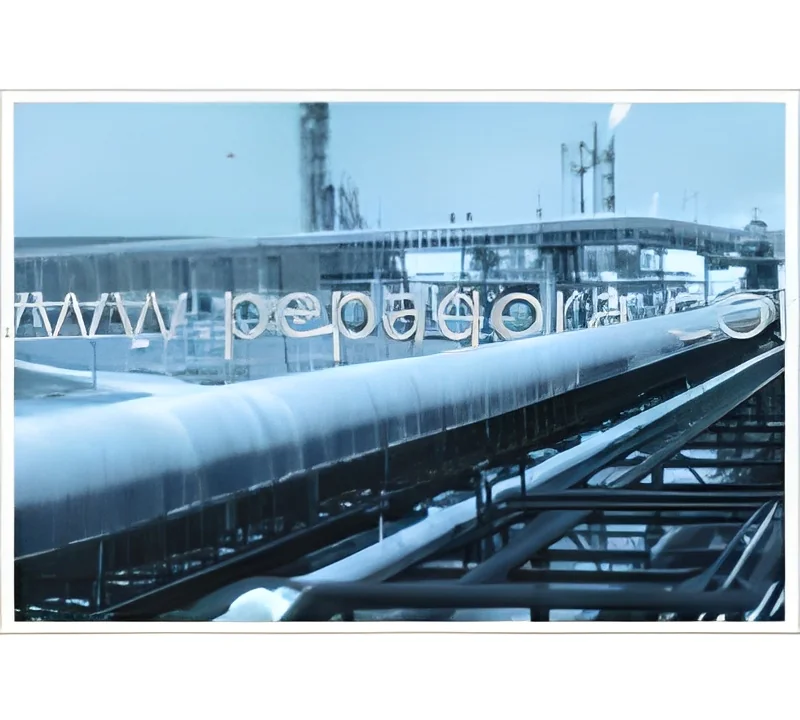
Pipe conveyor belts represent an advanced bulk material transportation solution engineered to address environmental protection and operational efficiency challenges. These specialized belts form a closed circular pipe shape that completely encases transported materials, preventing spillage, eliminating dust emissions, and protecting contents from external elements like rain, wind, and contamination. Designed for applications where space constraints, steep conveying angles, or curved routing paths are common, these systems offer superior performance compared to traditional flat belt conveyors. Constructed with high-quality rubber compounds and reinforcement materials, they provide reliable operation with specific capabilities for various load capacities, temperature ranges, and material characteristics, making them ideal for businesses seeking efficient, low-maintenance conveying solutions that enhance both productivity and environmental sustainability.

Multiple heavy industries depend...
Pipe conveyor belts represent an advanced bulk material transportation solution engineered to address environmental protection and operational efficiency challenges. These specialized belts form a closed circular pipe shape that completely encases transported materials, preventing spillage, eliminating dust emissions, and protecting contents from external elements like rain, wind, and contamination. Designed for applications where space constraints, steep conveying angles, or curved routing paths are common, these systems offer superior performance compared to traditional flat belt conveyors. Constructed with high-quality rubber compounds and reinforcement materials, they provide reliable operation with specific capabilities for various load capacities, temperature ranges, and material characteristics, making them ideal for businesses seeking efficient, low-maintenance conveying solutions that enhance both productivity and environmental sustainability.

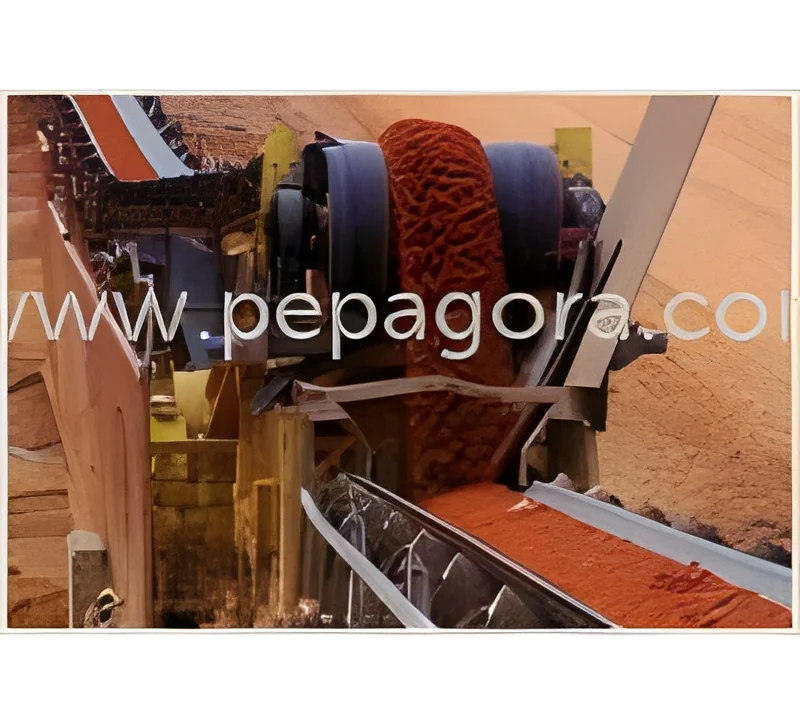
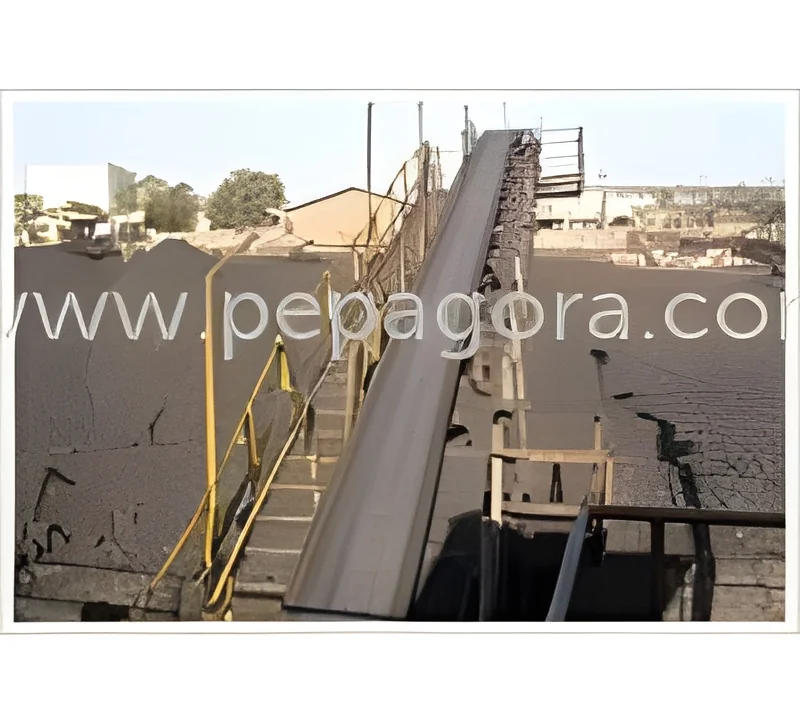
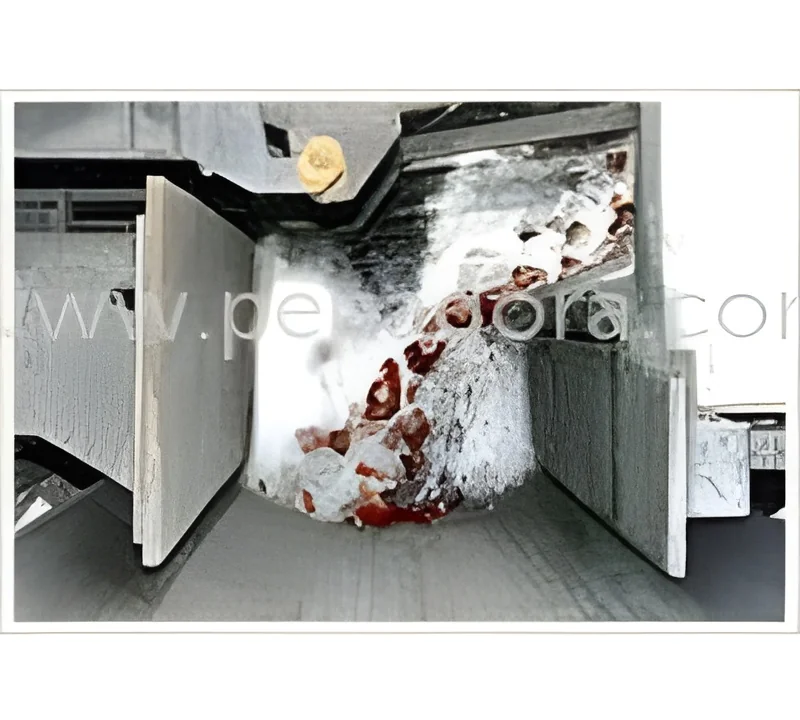
Multiple heavy industries depend on pipe conveyor belts for their daily material handling operations due to their enclosed design and versatile performance. Mining operations utilize these systems to transport coal, iron ore, copper concentrate, and other minerals over considerable distances while minimizing environmental impact and preserving material quality. Cement manufacturing plants employ pipe conveyors for handling limestone, clay, gypsum, and finished cement products in areas where dust control is critical. Power generation facilities rely on these belts for ash handling, biomass transportation, and coal conveying with enhanced safety measures. Agricultural and chemical sectors use them for moving grains, fertilizers, and industrial powders efficiently while maintaining product integrity. Their ability to operate reliably in diverse conditions including extreme temperatures, corrosive environments, and outdoor installations makes them indispensable across these industrial sectors.

Investing in quality pipe conveyor belts delivers substantial business value through enhanced operational reliability, reduced long-term costs, and improved safety compliance. These belts are engineered for extended service life with robust construction that minimizes unplanned downtime and reduces maintenance expenses significantly. The enclosed pipe design dramatically lowers cleanup costs associated with spillage and reduces compliance risks related to environmental regulations regarding dust emissions and material containment. The system's ability to handle steep inclines and curved paths eliminates the need for multiple transfer stations, reducing capital investment in additional equipment. Businesses benefit from increased material throughput, better preservation of material quality, reduced product loss, and long-term operational savings, making these conveyor systems a strategic investment for serious bulk material handling requirements.

Key Features:
- Enclosed circular pipe design completely contains materials to prevent spillage and dust emissions.
- Capable of handling steep incline angles up to 30 degrees for efficient vertical transportation.
- Navigates horizontal curves without transfer points, reducing system complexity and space requirements.
- Constructed with high tensile strength fabric and wear-resistant rubber compounds for durability.
- Compatible with various bulk materials including coal, minerals, cement, aggregates, and agricultural products.

Benefits:
- Minimizes material loss and spillage through complete enclosure during transportation.
- Reduces environmental impact by containing dust emissions and protecting materials from weather elements.
- Lowers maintenance costs with durable construction and fewer transfer points requiring attention.
- Increases operational efficiency by handling steep inclines and curves in a single continuous system.
- Enhances safety and regulatory compliance through enclosed material containment and dust control.
Specifications
| Additional Information | |
|---|---|
| Country of Origin | India |
| Customisable | No |
Application
Pipe conveyor belts are specifically designed for enclosed material handling systems that prevent spillage and contamination during transport. They excel in moving bulk solids like coal, iron ore, cement, and aggregates over long distances and challenging terrains while maintaining material integrity and minimizing environmental impact. These systems are essential for operations requiring dust-free transportation and protection from weather elements.
These conveyor systems handle steep inclines up to 30 degrees and navigate horizontal curves without multiple transfer points, reducing infrastructure complexity. They serve critical roles in mining operations, cement manufacturing plants, power generation facilities, and agricultural processing units where enclosed transport is mandatory. The design focuses on operational efficiency with minimal maintenance requirements even in harsh industrial environments.
- Transporting coal and iron ore in mining operations with complete dust containment and minimal material loss.
- Handling raw materials and finished cement products in manufacturing facilities requiring enclosed protection systems.
- Moving agricultural products like grains, seeds, and fertilizers with maximum preservation and minimal contamination.
- Conveying fly ash and biomass materials in power generation plants with safety and environmental compliance.
- Bulk material handling at shipping ports and industrial terminals for efficient loading and unloading operations.
Trade Details
| Available Stock | In Stock |
| Sample Availability | No |
Payment Terms
| Payment Terms |
|
Company Profile
Eureka Conveyor Beltings Pvt Ltd, Rajasthan
 Rajasthan, India
Rajasthan, IndiaRaw Materials & Chemicals•Manufacturer•Retailer
Factory Details
Factory SizeBelow 1000 sqm
Annual Production Capacity0
Pipe Conveyor Belts For Enclosed Bulk Material Transport
Pipe conveyor belts provide enclosed bulk material transport for mining, cement, and power industries. Our reliable belts minimize spillage, handle steep inclines, and reduce maintenance costs for efficient operations.
Min. Order Quantity: 1 unit
Shipping
Shipping fee and delivery date to be negotiated. Contact supplier now for more details.
Eureka Conveyor Beltings Pvt Ltd
 Rajasthan, India
Rajasthan, IndiaRaw Materials & ChemicalsManufacturer