IN
IN₹
Apparel & Fashion
Loading subcategories...
View More
Description
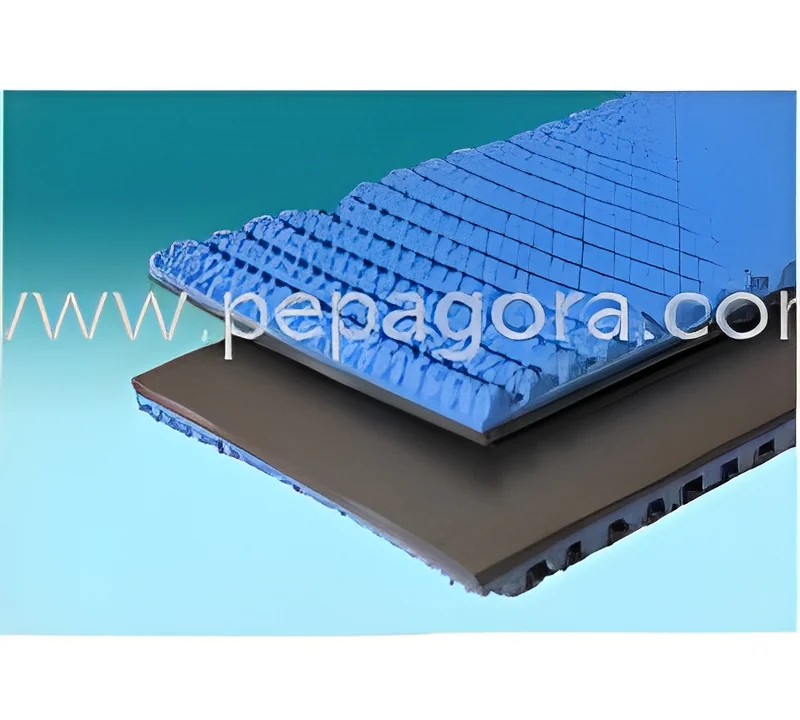
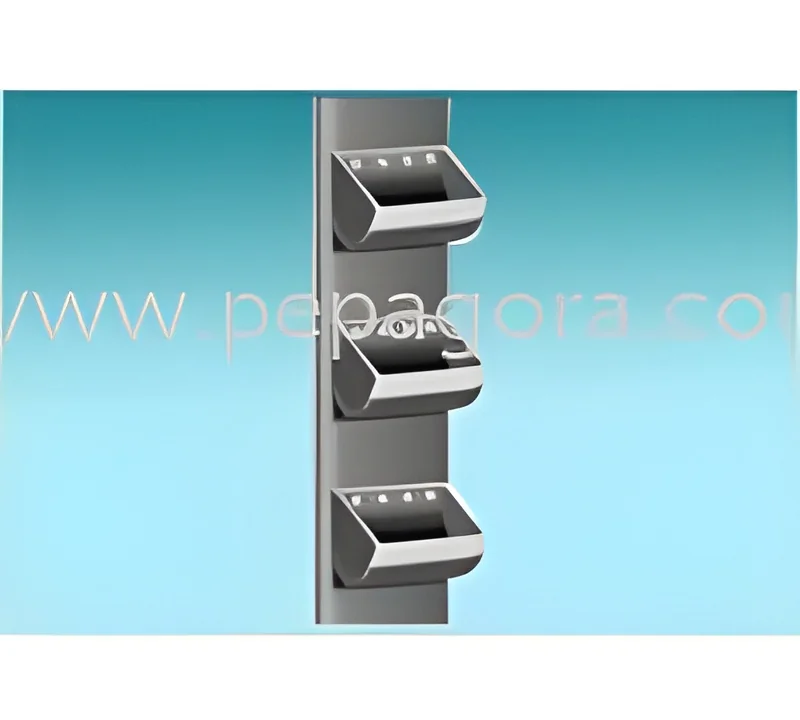
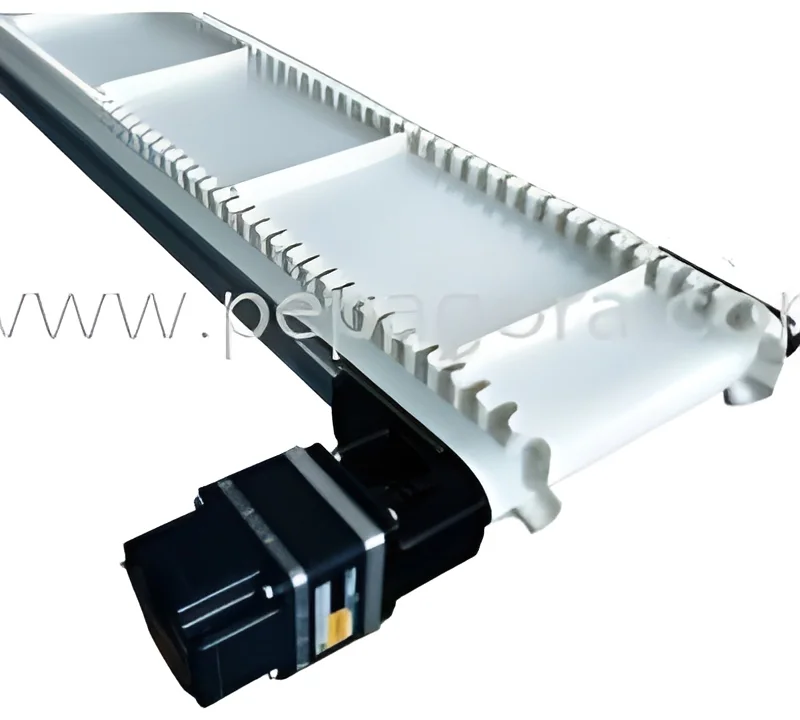
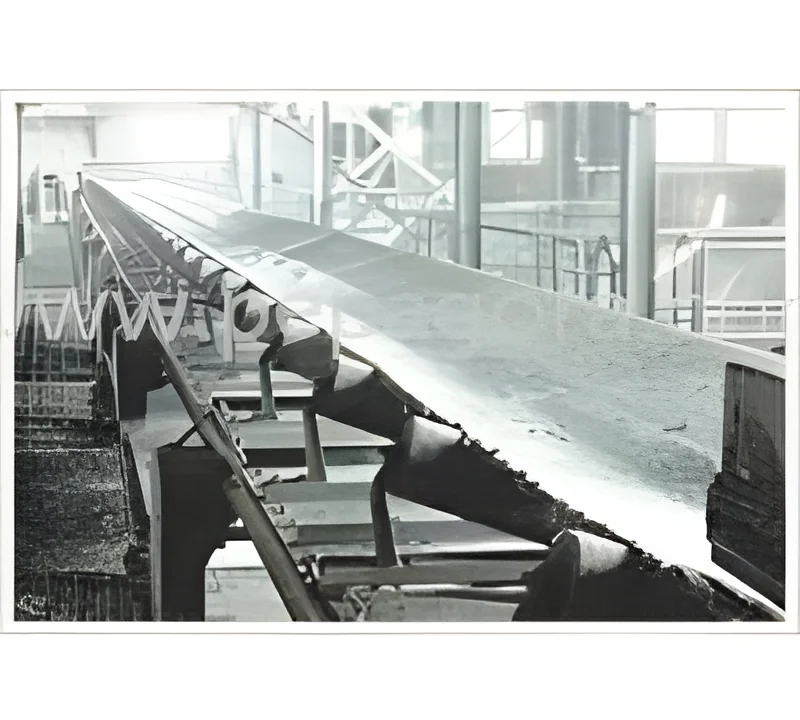
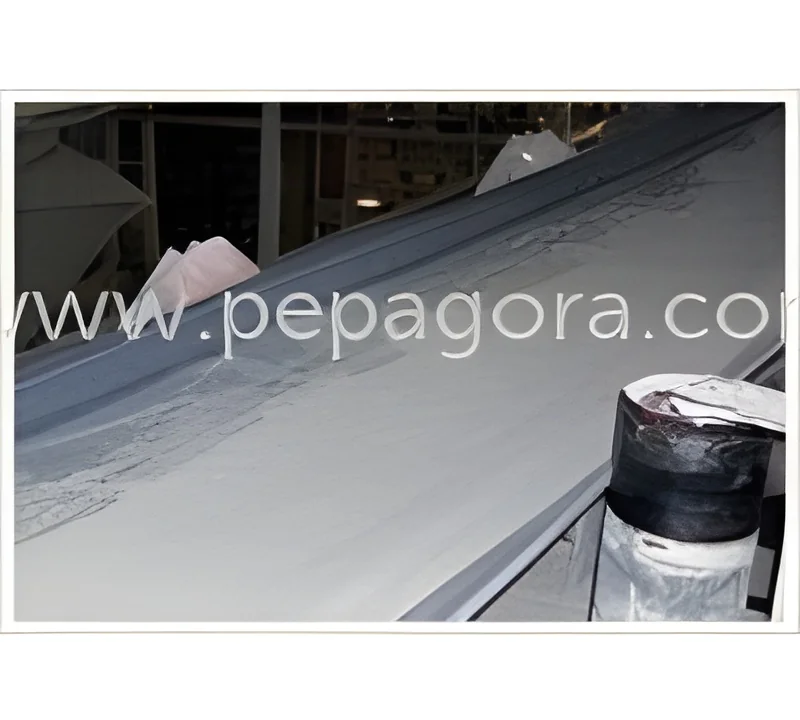
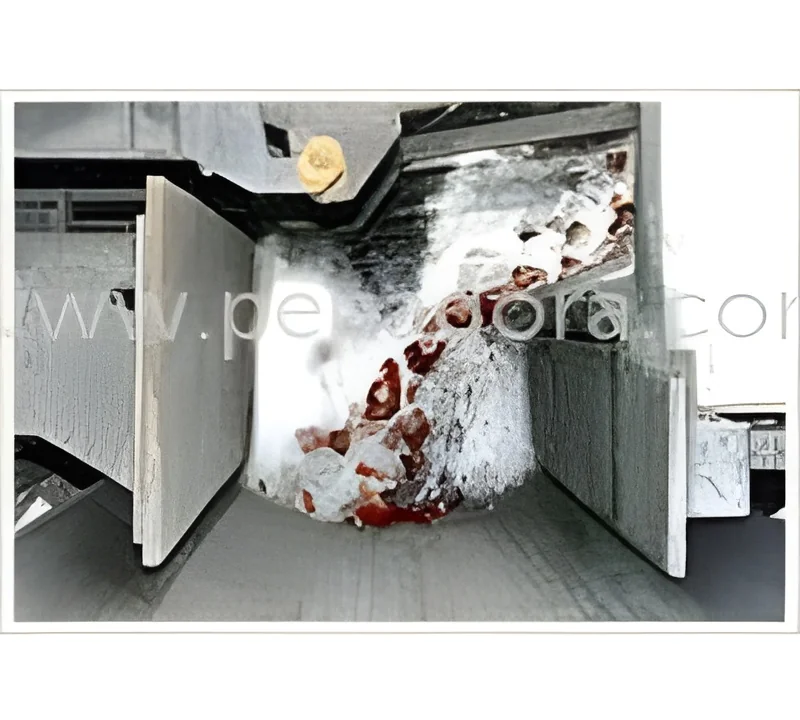
Our industrial heat resistant conveyor belts represent advanced conveying technology specifically engineered to operate reliably in high-temperature environments where standard belts would deteriorate quickly. Manufactured from premium quality rubber compounds and specialized materials, these belts maintain structural integrity and consistent performance when continuously exposed to temperatures exceeding 60°C (140°F). We combine sophisticated manufacturing techniques with comprehensive quality control to deliver conveyor solutions that withstand demanding industrial conditions while ensuring efficient material transport and operational safety. These belts are designed to resist thermal degradation, providing reliable performance in heat-intensive applications where conventional belts would fail, ensuring continuous operation and reduced maintenance requirements.

These specialized conveyor belts serve critical functions across numerous heavy industries that process high-temperature ma...
Our industrial heat resistant conveyor belts represent advanced conveying technology specifically engineered to operate reliably in high-temperature environments where standard belts would deteriorate quickly. Manufactured from premium quality rubber compounds and specialized materials, these belts maintain structural integrity and consistent performance when continuously exposed to temperatures exceeding 60°C (140°F). We combine sophisticated manufacturing techniques with comprehensive quality control to deliver conveyor solutions that withstand demanding industrial conditions while ensuring efficient material transport and operational safety. These belts are designed to resist thermal degradation, providing reliable performance in heat-intensive applications where conventional belts would fail, ensuring continuous operation and reduced maintenance requirements.

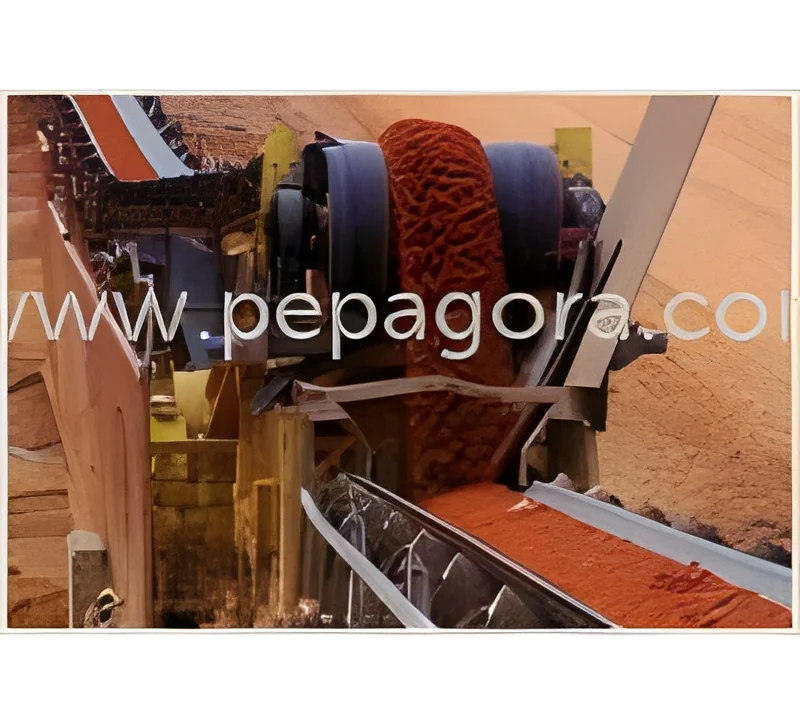
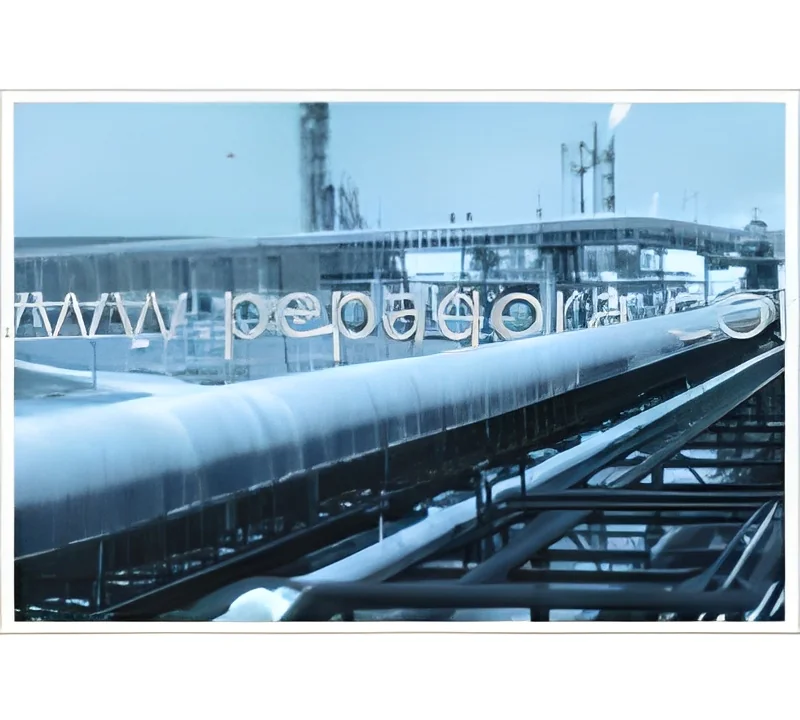
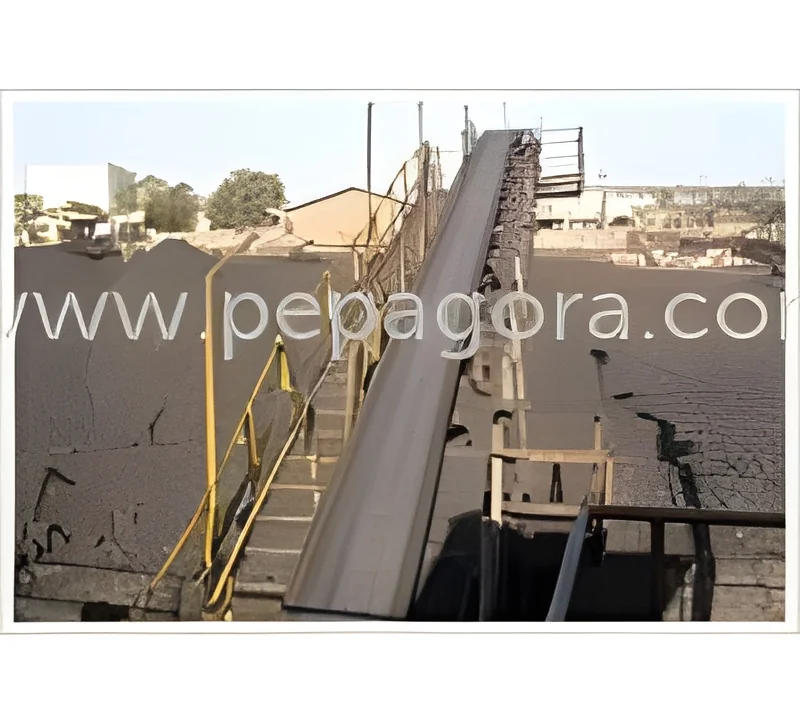
These specialized conveyor belts serve critical functions across numerous heavy industries that process high-temperature materials. In cement manufacturing, they transport hot clinker from kilns to cooling systems without degradation or performance loss. Metal processing facilities depend on them for moving sintered ores and hot pellets through various production stages, while chemical plants utilize them for handling hot chemicals, soda ash, and various reactive compounds safely. The mining sector relies on these belts for conveying hot materials like cokes, and fertilizer plants use them throughout production processes where heat resistance is essential for maintaining continuous operations and preserving product quality during transport and processing stages.

The business value of our heat resistant conveyor belts extends beyond temperature resistance to deliver measurable operational advantages and cost efficiencies. Their exceptional durability significantly reduces replacement frequency and maintenance expenses, while their reliable performance minimizes unplanned downtime in critical production processes. The consistent operation enhances workplace safety by reducing the risk of belt failures in high-temperature environments, protecting both personnel and equipment. These belts represent a strategic investment in operational reliability and long-term cost efficiency for businesses operating in heat-intensive industries, providing dependable performance that supports continuous production and reduces total cost of ownership through extended service life and reduced maintenance requirements.

Key Features:
- Premium heat-resistant rubber compounds for exceptional durability and longevity
- Continuous operation capability with materials exceeding 60°C (140°F)
- Enhanced structural integrity to prevent degradation under thermal stress
- Rigorous quality control ensuring consistent performance and reliability
- Robust construction designed for demanding industrial environments

Benefits:
- Reduced maintenance costs and extended service life through superior heat resistance
- Minimized production downtime with reliable high-temperature performance
- Enhanced workplace safety with consistent operation in heat-intensive environments
- Improved operational efficiency with continuous material flow in high-heat conditions
- Long-term cost savings through durable construction and reduced replacement frequency
Specifications
| Additional Information | |
|---|---|
| Country of Origin | India |
| Customisable | No |
Application
Our heat resistant conveyor belts are specifically engineered for industries handling high-temperature materials during production and transport processes. They maintain structural integrity and performance when exposed to continuous heat, making them essential for operations where standard belts would fail prematurely. These belts resist degradation, ensuring consistent material flow and reducing downtime in demanding industrial environments where temperature resistance is critical for operational continuity and safety compliance.
These specialized conveyor systems serve vital functions across multiple industrial sectors including cement manufacturing, metal processing, chemical production, fertilizer plants, and mining operations. They reliably transport hot materials like clinker, sintered ores, cokes, and hot pellets without compromising safety or efficiency. Their robust construction meets rigorous industrial demands where temperature resistance is non-negotiable for maintaining continuous production cycles and protecting material quality throughout transport processes.
- Transporting hot cement clinker from kilns to cooling systems in cement manufacturing plants
- Moving sintered ores and hot pellets through processing stages in steel manufacturing facilities
- Handling hot chemicals and reactive compounds in chemical production and processing operations
- Conveying fertilizer materials through high-temperature drying and processing stages
- Carrying cokes and other high-temperature materials in mining and energy production facilities
Trade Details
| Available Stock | In Stock |
| Sample Availability | No |
Payment Terms
| Payment Terms |
|
Company Profile
Eureka Conveyor Beltings Pvt Ltd, Rajasthan
 Rajasthan, India
Rajasthan, IndiaRaw Materials & Chemicals•Manufacturer•Retailer
Factory Details
Factory SizeBelow 1000 sqm
Annual Production Capacity0
Industrial Heat Resistant Conveyor Belts For High Temperature Transport
Premium heat resistant conveyor belts for high-temperature industrial transport. Engineered with top-grade rubber to handle materials over 60°C (140°F) reliably. Ideal for cement, chemicals, and heavy industries requiring durable, heat-safe conveying solutions.
Min. Order Quantity: 1 unit
Shipping
Shipping fee and delivery date to be negotiated. Contact supplier now for more details.
Eureka Conveyor Beltings Pvt Ltd
 Rajasthan, India
Rajasthan, IndiaRaw Materials & ChemicalsManufacturer