IN
IN₹
Apparel & Fashion
Loading subcategories...
View More
Description
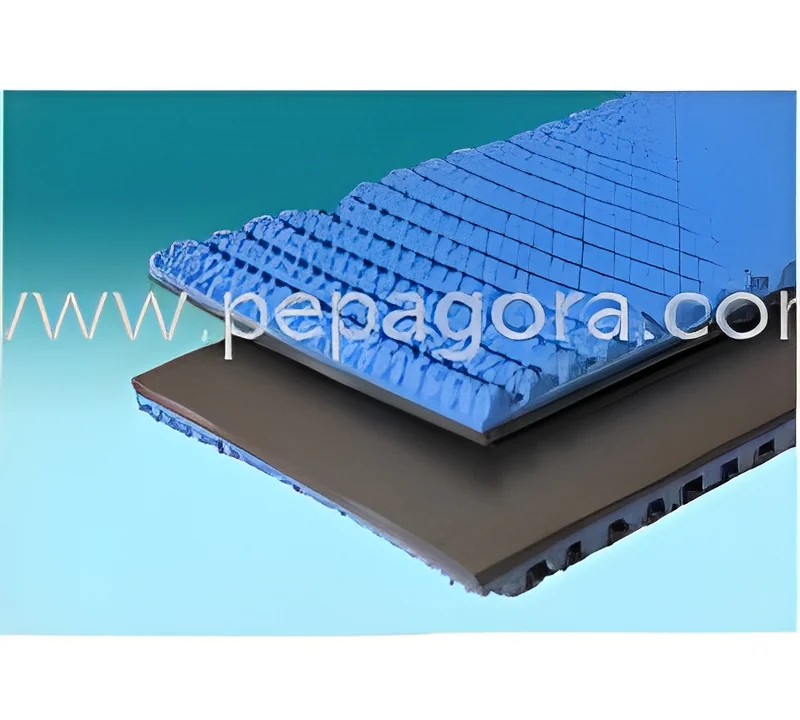
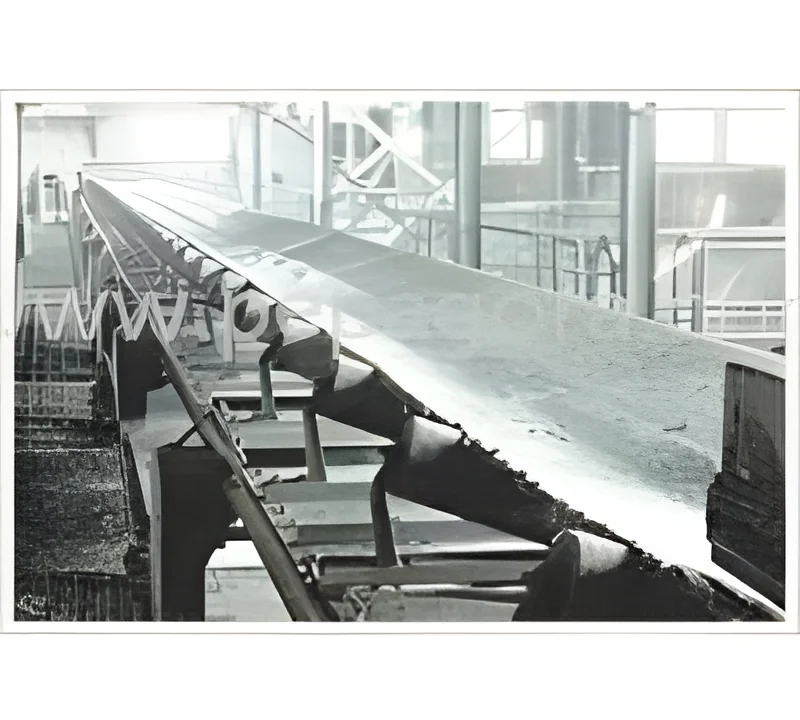
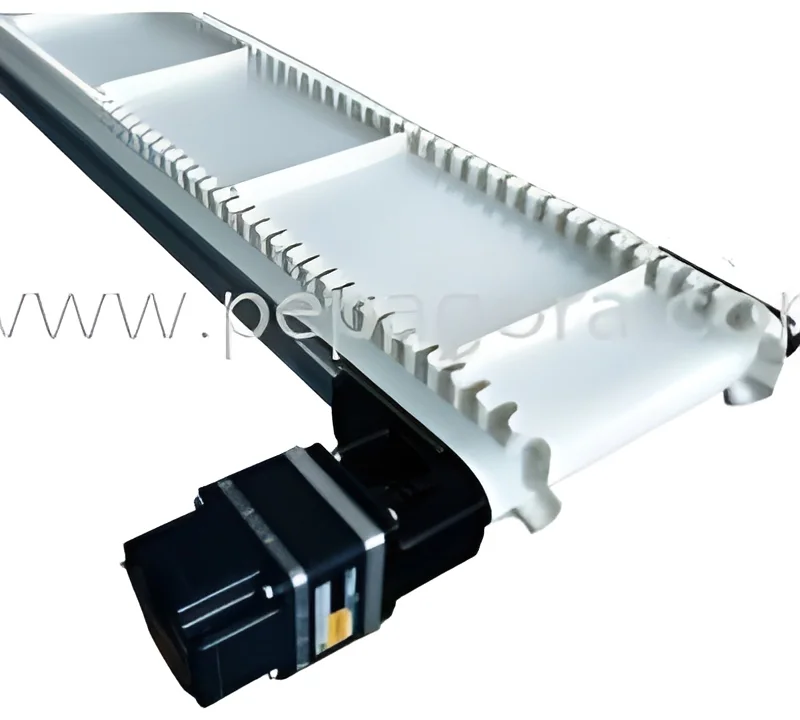
Our premium oil resistant conveyor belts represent the pinnacle of industrial material handling solutions, specifically engineered to withstand challenging environments where oil exposure is inevitable. Manufactured using advanced synthetic rubber compounds specifically formulated to resist petroleum-based oils, lubricants, and organic solvents, these belts maintain their structural integrity and performance characteristics even under continuous exposure to oily substances. The specialized compounding prevents the swelling, cracking, and degradation that typically plagues standard conveyor belts, ensuring consistent operation and reduced downtime across various industrial applications. These belts feature enhanced tensile strength and wear resistance while maintaining flexibility, making them suitable for both heavy-duty and precision conveying operations where oil resistance is critical for operational efficiency and workplace safety.

These oil resistant conveyor belts serve critical...
Our premium oil resistant conveyor belts represent the pinnacle of industrial material handling solutions, specifically engineered to withstand challenging environments where oil exposure is inevitable. Manufactured using advanced synthetic rubber compounds specifically formulated to resist petroleum-based oils, lubricants, and organic solvents, these belts maintain their structural integrity and performance characteristics even under continuous exposure to oily substances. The specialized compounding prevents the swelling, cracking, and degradation that typically plagues standard conveyor belts, ensuring consistent operation and reduced downtime across various industrial applications. These belts feature enhanced tensile strength and wear resistance while maintaining flexibility, making them suitable for both heavy-duty and precision conveying operations where oil resistance is critical for operational efficiency and workplace safety.

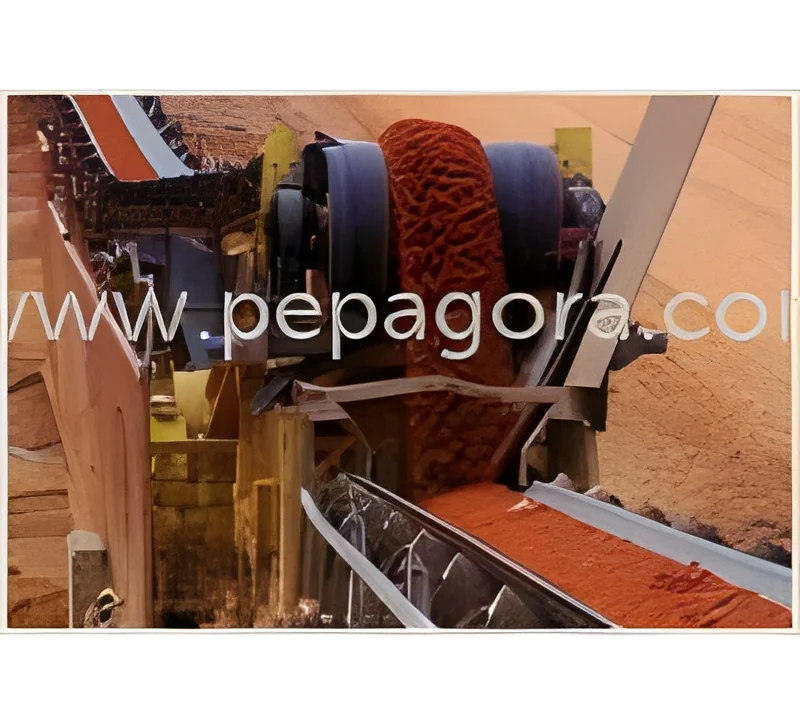
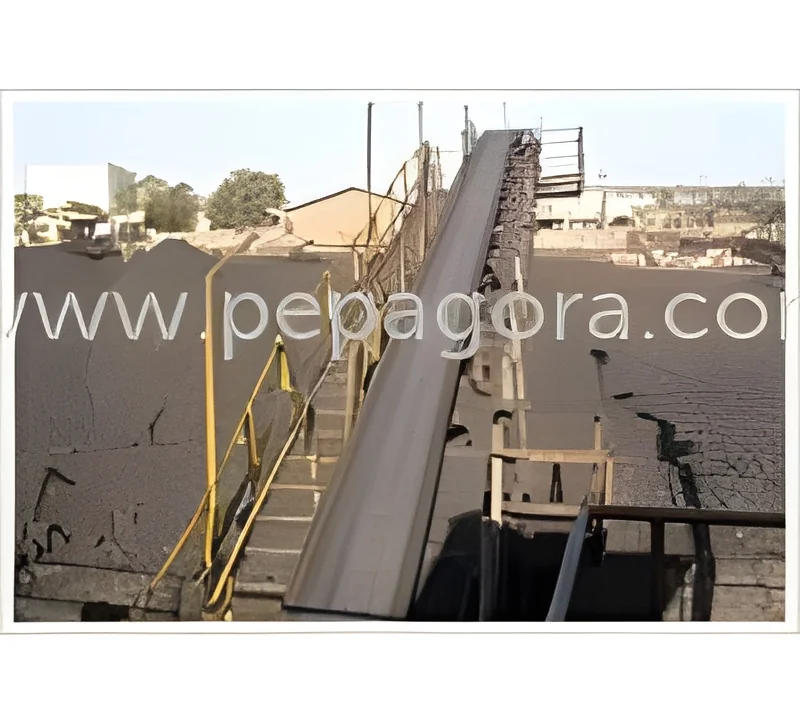
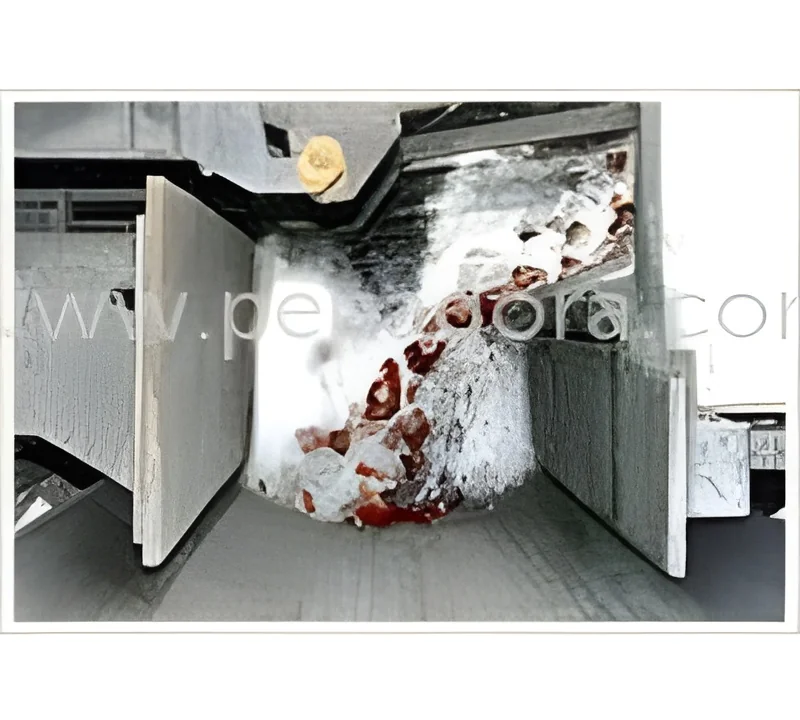
These oil resistant conveyor belts serve critical functions across multiple industries where oil exposure is either inherent to the process or unavoidable. In food processing facilities, they safely transport oily food products like fish, snacks, and prepared foods without contamination risk. Automotive and manufacturing plants utilize them for moving engine components, machined parts, and assemblies that carry cutting oils and lubricants. Power generation facilities rely on them for handling oil-treated coal and fuel materials, while recycling operations use them for processing oil-contaminated waste materials. Chemical processing plants benefit from their resistance to organic solvents and industrial compounds, ensuring safe material handling in environments where chemical exposure would compromise standard conveyor systems.

The business value of our oil resistant conveyor belts extends beyond mere product specifications to deliver tangible operational advantages and cost savings. These belts significantly reduce maintenance requirements and replacement frequency by resisting the degradation that typically shortens conveyor belt lifespan in oily environments. Their reliability ensures consistent production flow without unexpected downtime, while their contamination-resistant properties help maintain product quality in food processing and manufacturing applications. The unique quality and reliability provide businesses with a long-term material handling solution that reduces total cost of ownership while improving operational efficiency and workplace safety standards.

Key Features:
- Synthetic rubber compound specifically formulated for oil resistance
- Enhanced tensile strength for heavy-duty applications
- Superior wear resistance for extended service life
- Maintains flexibility in oily operating conditions
- Resists swelling, cracking, and degradation from oils and solvents

Benefits:
- Extended service life in oily environments reduces replacement costs
- Consistent performance ensures reliable production flow without downtime
- Prevents material contamination in sensitive applications like food processing
- Reduces maintenance requirements and associated operational costs
- Improves workplace safety by maintaining structural integrity in challenging conditions
Specifications
| Additional Information | |
|---|---|
| Country of Origin | India |
| Customisable | No |
Application
Our oil resistant conveyor belts are specifically designed for industries handling oily substances where standard belts would deteriorate quickly. The specialized synthetic rubber compound resists swelling, cracking, and degradation when exposed to various oils, lubricants, and organic solvents, ensuring extended service life and reduced maintenance costs.
These belts perform exceptionally well in challenging environments where materials coated with machine oils, hydraulic fluids, or industrial lubricants require transportation. They maintain structural integrity and grip while preventing material contamination, making them essential for food processing, automotive manufacturing, and recycling operations where oil exposure is unavoidable.
- Food processing plants conveying oil-coated snacks, fish products, and oily food materials
- Automotive manufacturing lines transporting engine parts coated with lubricants and cutting oils
- Recycling facilities handling oil-contaminated materials and industrial waste
- Power plants moving oil-treated coal and fuel materials through processing systems
- Chemical plants transporting materials containing non-polar organic solvents and industrial compounds
Trade Details
| Available Stock | In Stock |
| Sample Availability | No |
Payment Terms
| Payment Terms |
|
Company Profile
Eureka Conveyor Beltings Pvt Ltd, Rajasthan
 Rajasthan, India
Rajasthan, IndiaRaw Materials & Chemicals•Manufacturer•Retailer
Factory Details
Factory SizeBelow 1000 sqm
Annual Production Capacity0
Oil Resistant Conveyor Belts For Food Processing And Manufacturing
Premium oil resistant conveyor belts engineered with synthetic rubber compounds for reliable performance in oily environments. Ideal for food processing, manufacturing, and power plants handling oily materials with minimal degradation.
Min. Order Quantity: 1 unit
Shipping
Shipping fee and delivery date to be negotiated. Contact supplier now for more details.
Eureka Conveyor Beltings Pvt Ltd
 Rajasthan, India
Rajasthan, IndiaRaw Materials & ChemicalsManufacturer