IN
IN₹
Apparel & Fashion
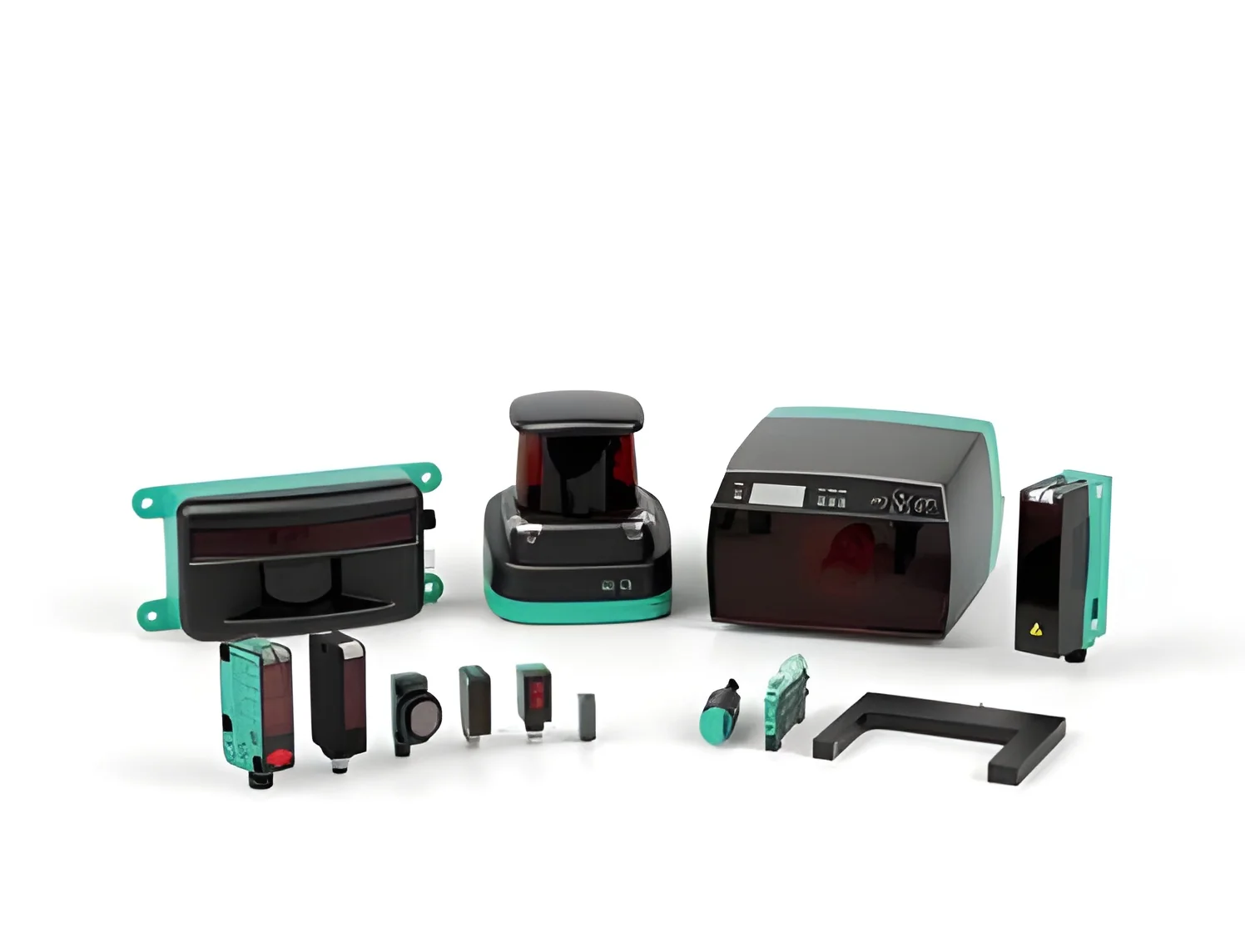
Description
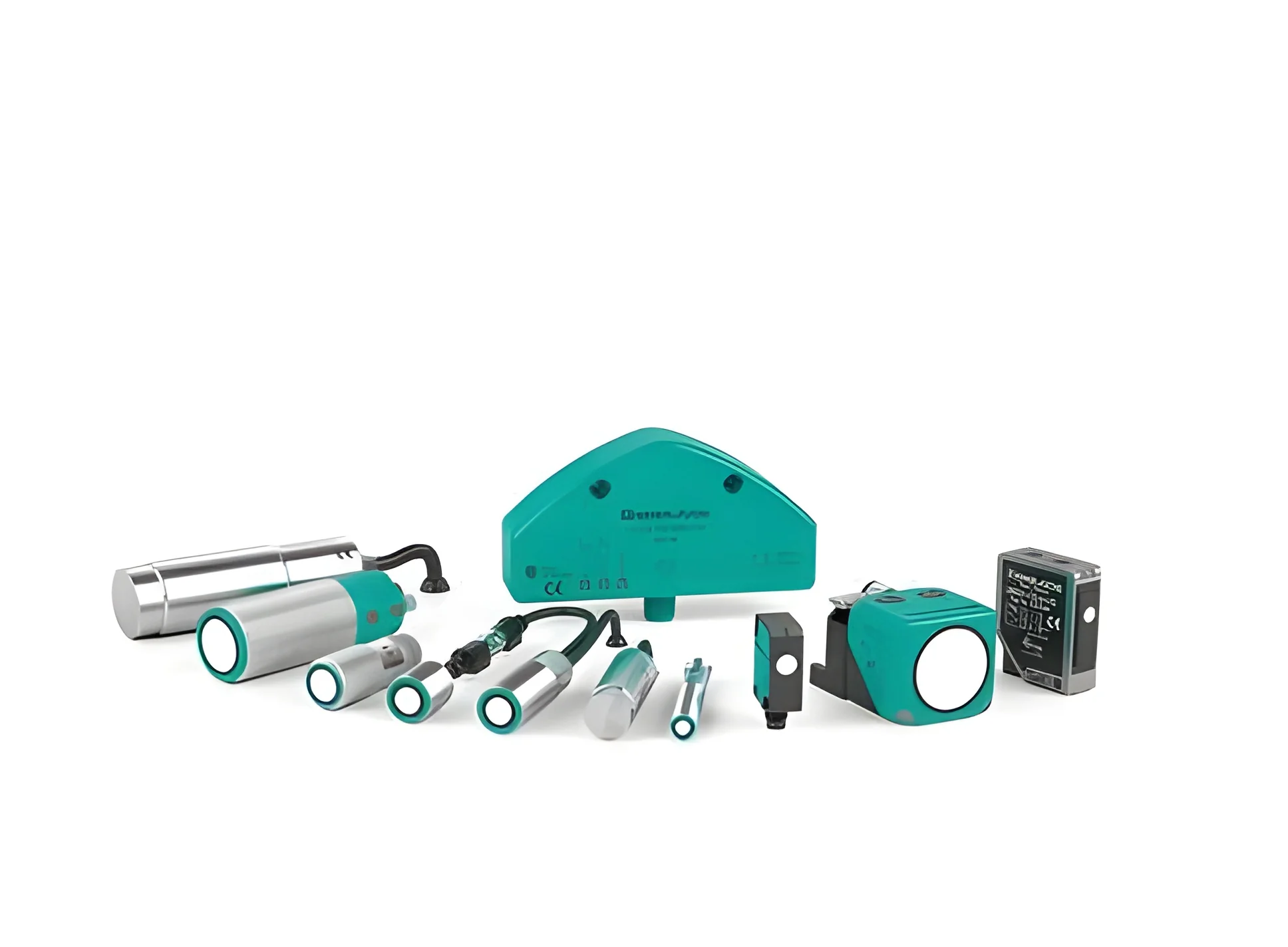
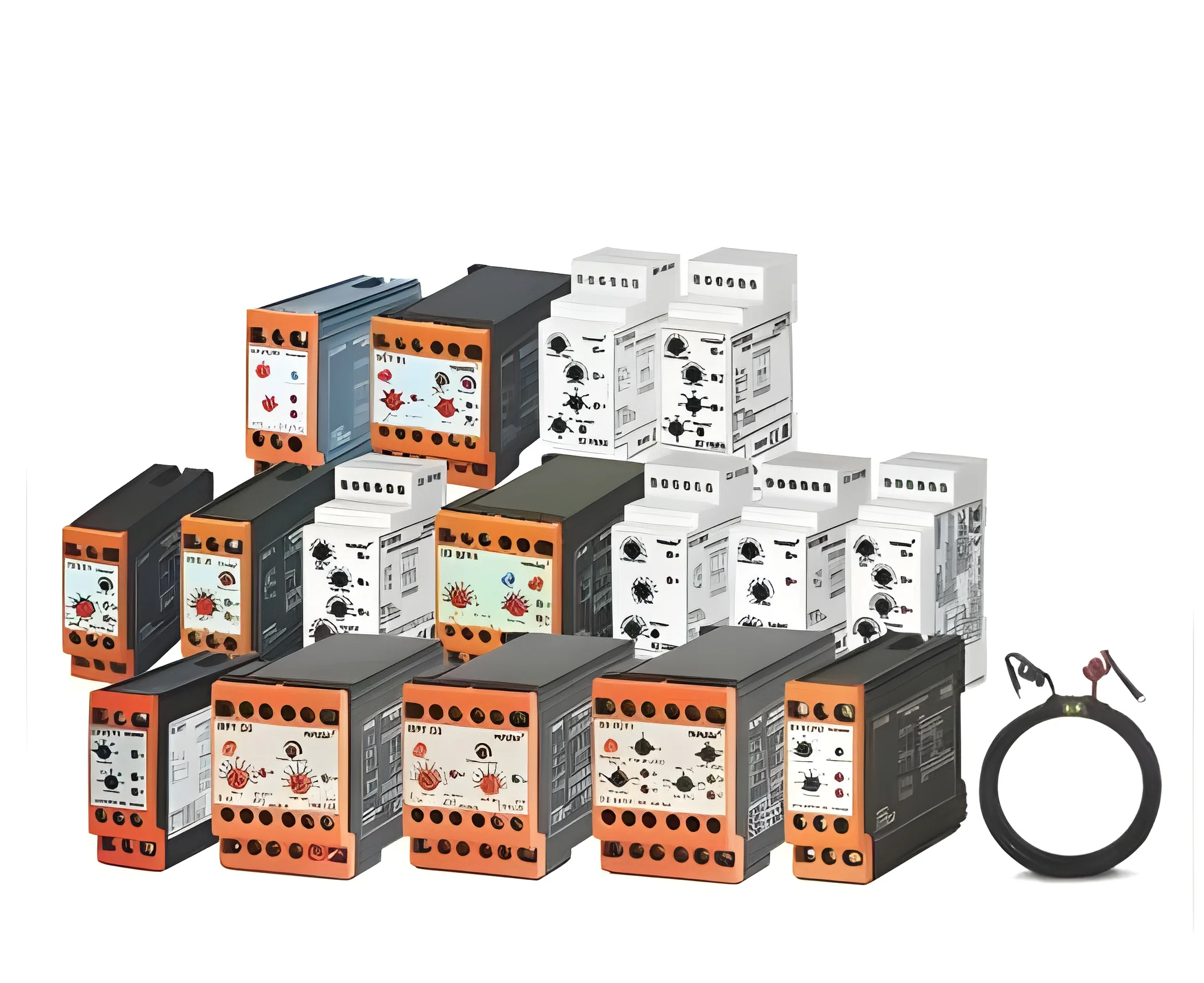
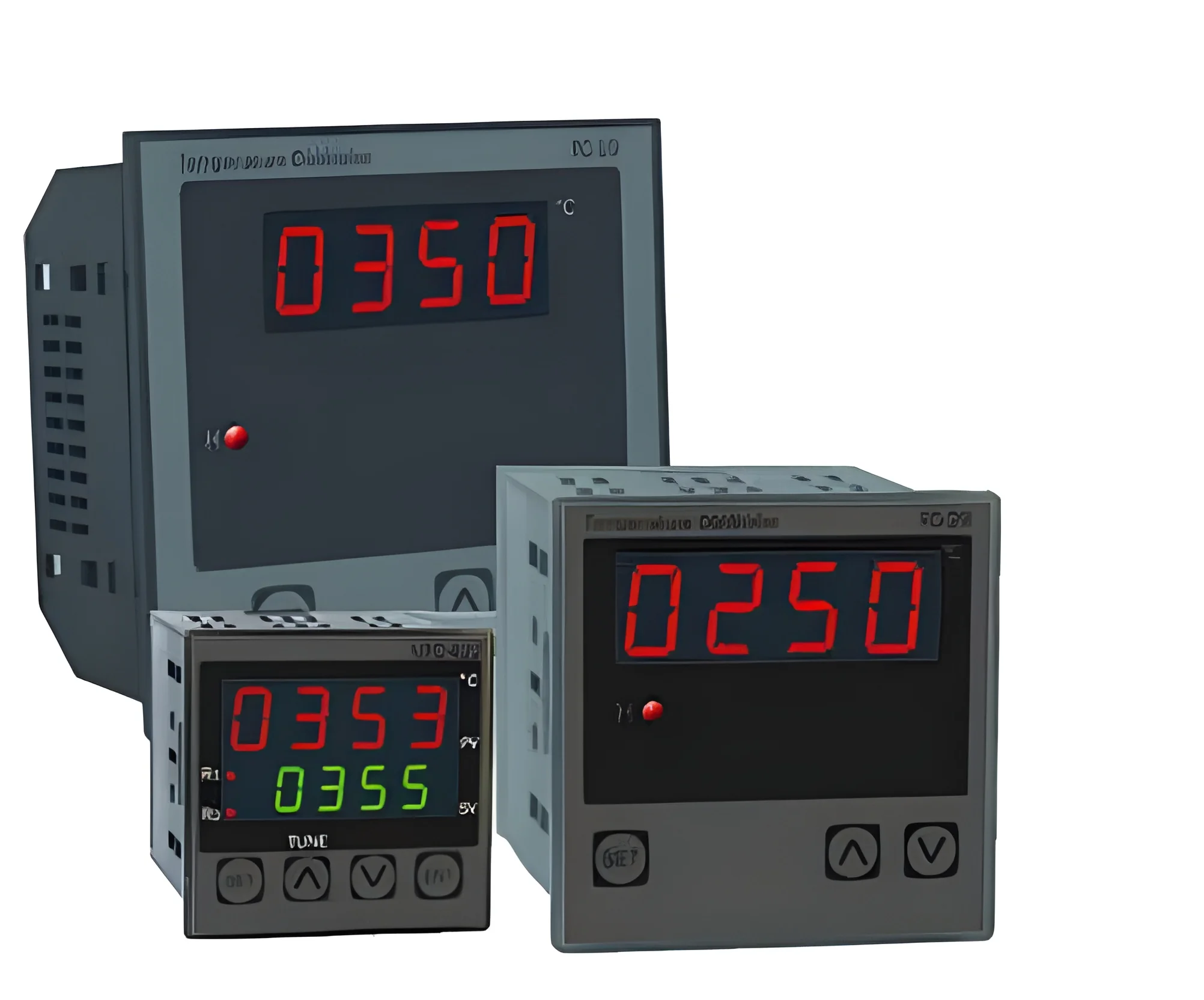
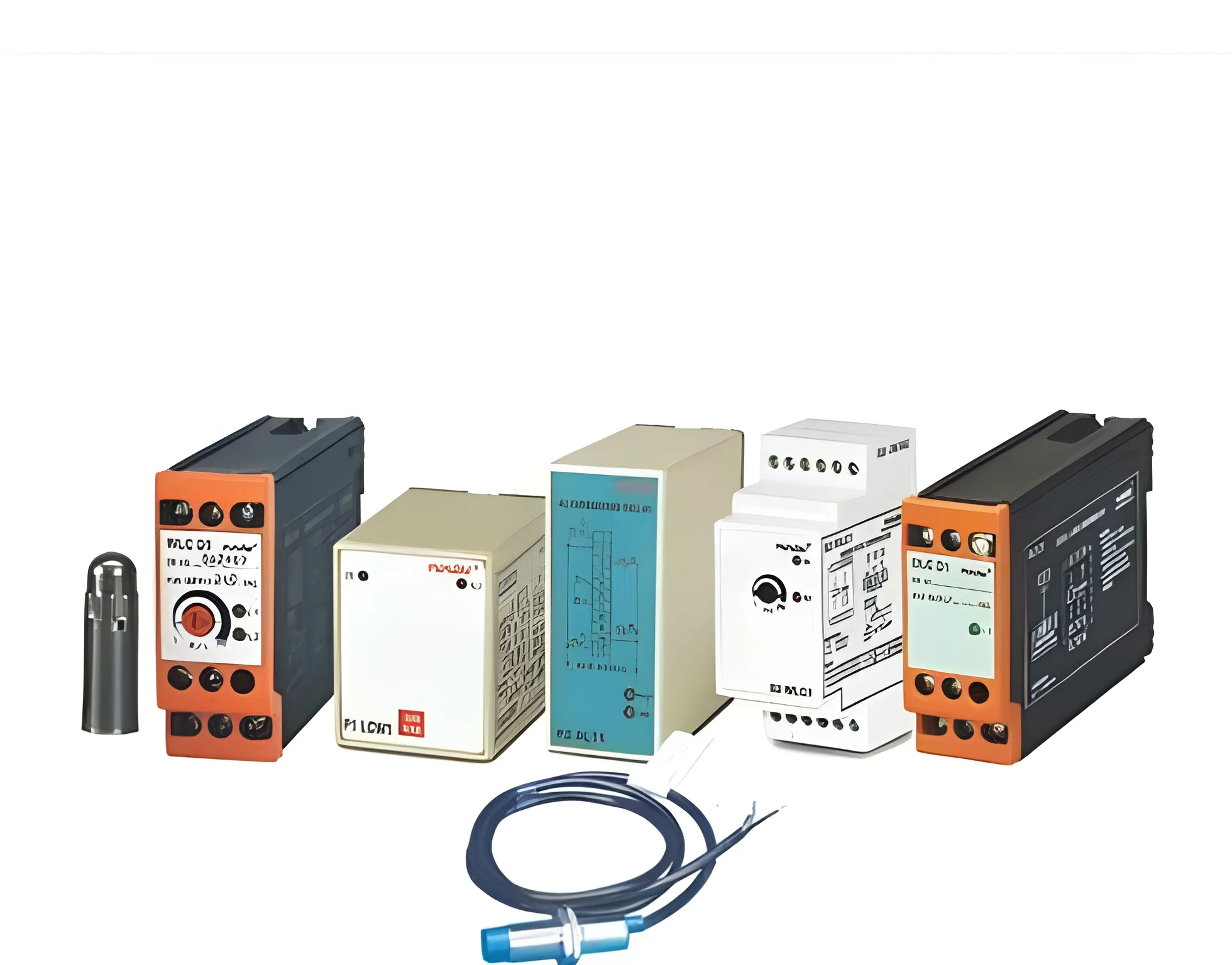
Photoelectric sensors represent the gold standard in non-contact industrial detection technology, utilizing advanced light beam technology to identify objects, measure distances, and detect surface variations with exceptional accuracy. These robust sensors operate by emitting light beams—typically infrared, visible red, or laser—and analyzing the reflected or interrupted signal to trigger precise responses in automated systems. Available in through-beam, retro-reflective, and diffuse sensing configurations, they offer flexible detection ranges from millimeters to several meters, accommodating diverse object sizes and operational requirements. Their contactless operation eliminates mechanical wear, ensuring long service life and reduced maintenance costs while providing rapid response times critical for high-speed automation applications. Industries ranging from automotive manufacturing to food processing rely on photoelectric sensors for their unparalleled reliability in demanding envi...
Photoelectric sensors represent the gold standard in non-contact industrial detection technology, utilizing advanced light beam technology to identify objects, measure distances, and detect surface variations with exceptional accuracy. These robust sensors operate by emitting light beams—typically infrared, visible red, or laser—and analyzing the reflected or interrupted signal to trigger precise responses in automated systems. Available in through-beam, retro-reflective, and diffuse sensing configurations, they offer flexible detection ranges from millimeters to several meters, accommodating diverse object sizes and operational requirements. Their contactless operation eliminates mechanical wear, ensuring long service life and reduced maintenance costs while providing rapid response times critical for high-speed automation applications. Industries ranging from automotive manufacturing to food processing rely on photoelectric sensors for their unparalleled reliability in demanding environments. In automotive assembly lines, these sensors ensure precise component positioning and verify proper installation of critical parts. Packaging facilities utilize them for product counting, label detection, and fill level monitoring to maintain quality standards. The textile and apparel industry employs photoelectric technology for fabric alignment, stitch monitoring, and automated cutting operations, while logistics and warehousing operations depend on them for parcel sorting, inventory management, and automated guided vehicle navigation. Electronics manufacturing benefits from their precision in PCB assembly and component verification processes. The business value of implementing photoelectric sensors extends beyond basic automation to deliver tangible operational improvements and cost savings. Their non-contact nature eliminates mechanical wear, significantly reducing maintenance requirements and downtime while providing consistent performance over extended periods. These sensors offer quick installation and easy integration with existing control systems, minimizing implementation costs and disruption to production schedules. With customizable sensing ranges, output configurations, and housing designs, they provide tailored solutions that address specific operational challenges while maintaining compatibility with international safety and quality standards.

Key Features:

Benefits:
Specifications
| Additional Information | |
|---|---|
| Country of Origin | India |
Application
Photoelectric sensors are essential components in modern industrial automation, providing non-contact detection capabilities across diverse environments. Their ability to sense objects, measure distances, and monitor surface changes makes them indispensable for quality control and process optimization in manufacturing facilities worldwide. These sensors deliver consistent performance even in challenging conditions, ensuring reliable operation in dusty, humid, or high-vibration industrial settings where mechanical s
ensors would fail prematurely. The versatility of through-beam, retro-reflective, and diffuse sensing modes allows for customized solutions across various applications and industries. Real-world applications: Automated packaging lines for product counting and positioning. Conveyor systems for object detection and sorting operations. Robotic assembly cells for part verification and positioning. Material handling equipment for level monitoring and jam detection. Safety systems for machine guarding and access control.
Real-world applications:
Trade Details
| Available Stock | In Stock |
| Sample Availability | No |
Payment Terms
| Payment Terms |
|
Company Profile

Advancve Power Controls, Gujarat
 Gujarat, India
Gujarat, IndiaElectronics & Electrical•Manufacturer•Retailer
Factory Details
Factory SizeBelow 1000 sqm
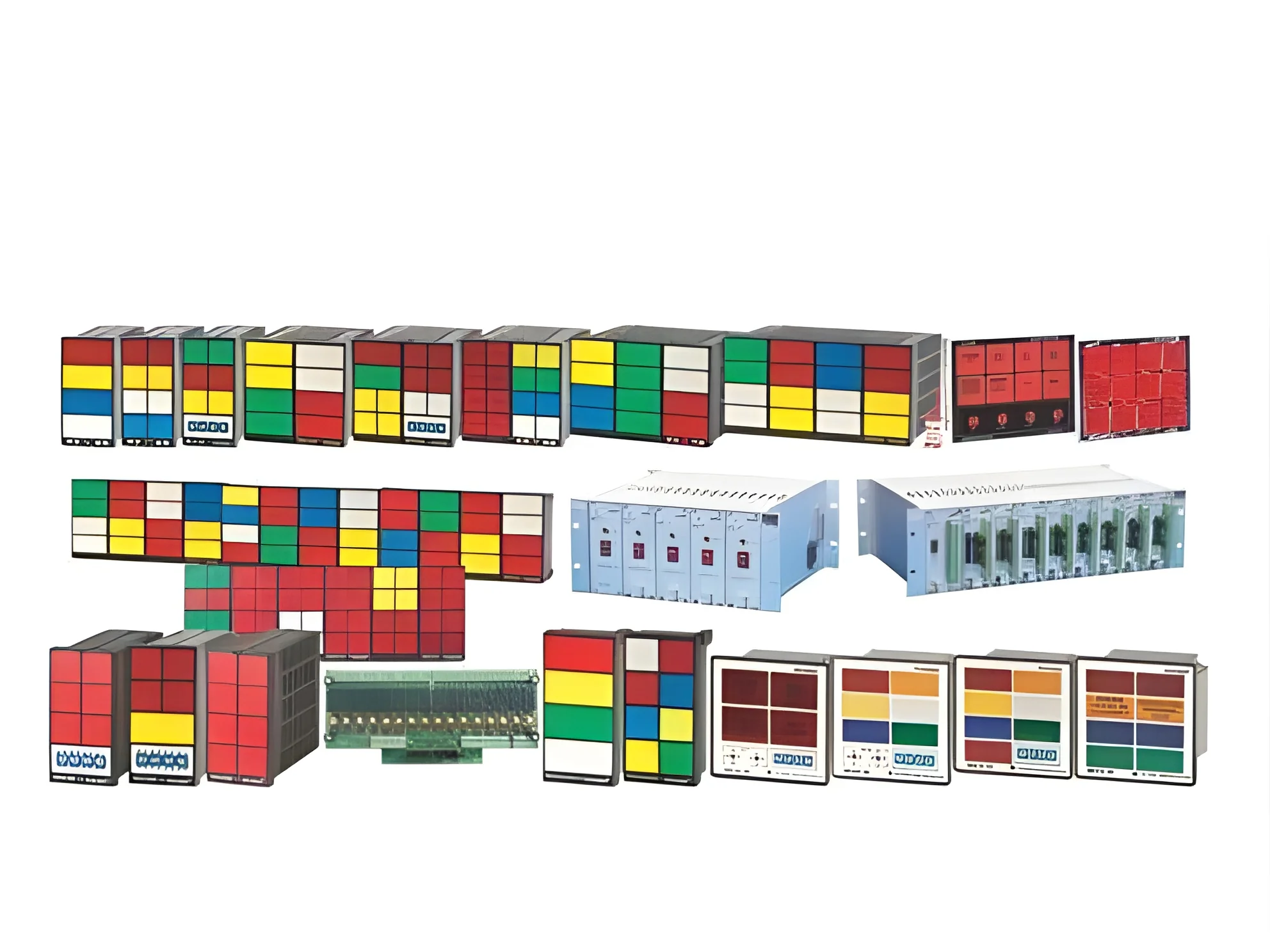
Industrial Automation Photoelectric Sensors For Object Detection And Distance Measurement
High-performance photoelectric sensors for industrial automation, offering reliable object detection, distance measurement, and surface change monitoring without physical contact. Ideal for B2B buyers in manufacturing, packaging, and robotics.
Min. Order Quantity: 1
Shipping
Shipping fee and delivery date to be negotiated. Contact supplier now for more details.
Advancve Power Controls
 Gujarat, India
Gujarat, IndiaElectronics & ElectricalManufacturer