IN
IN₹
Apparel & Fashion
Description
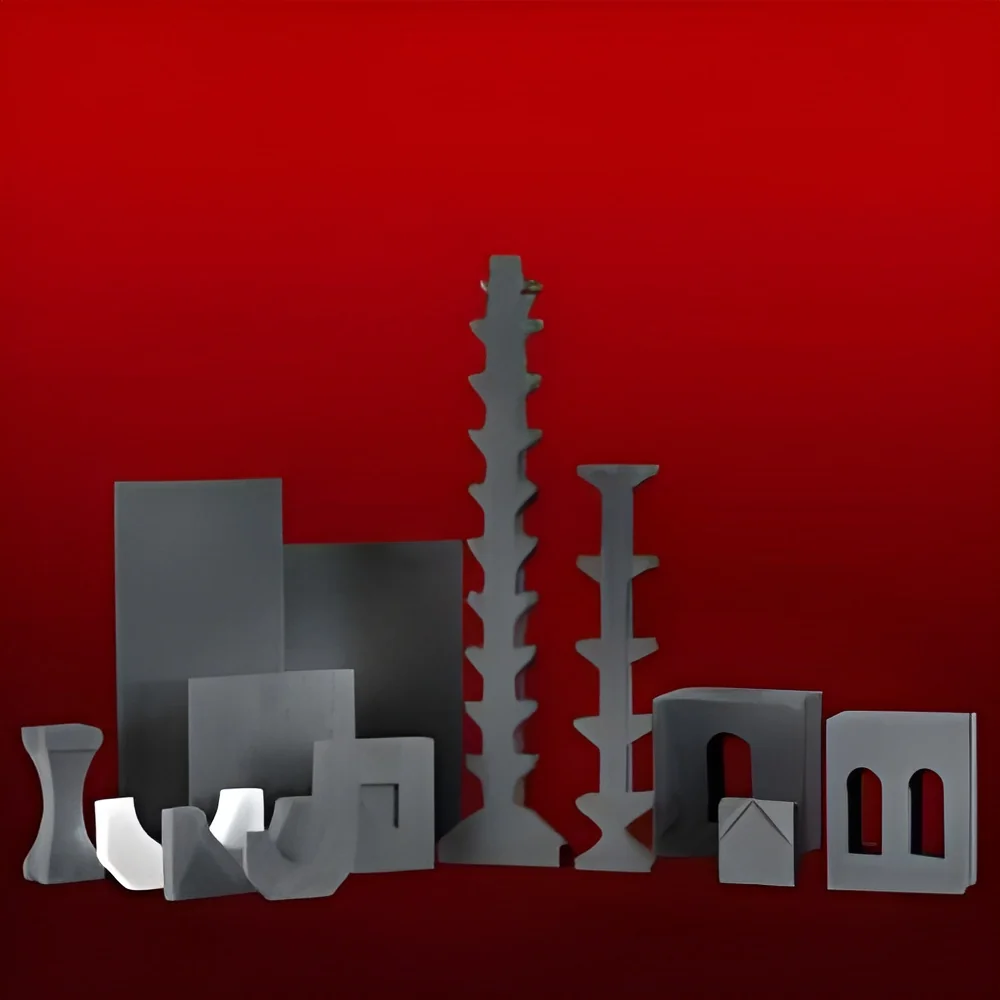
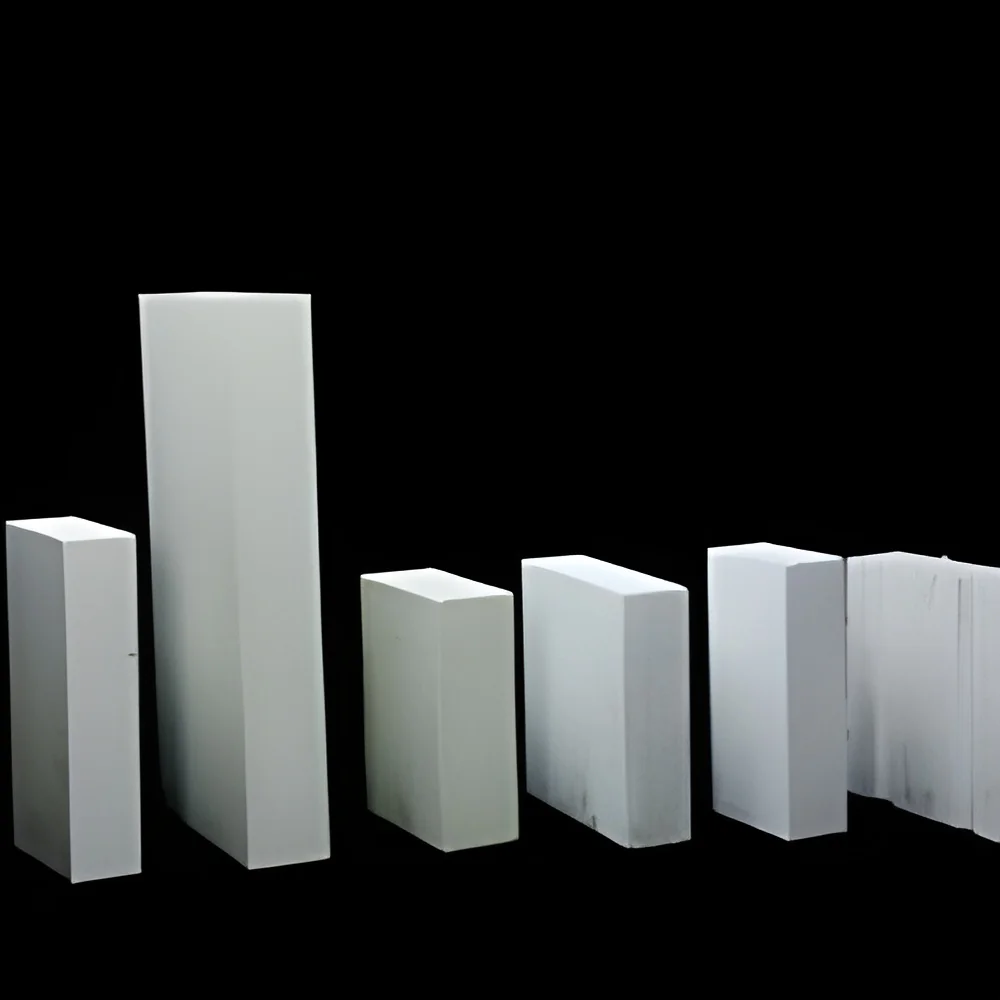
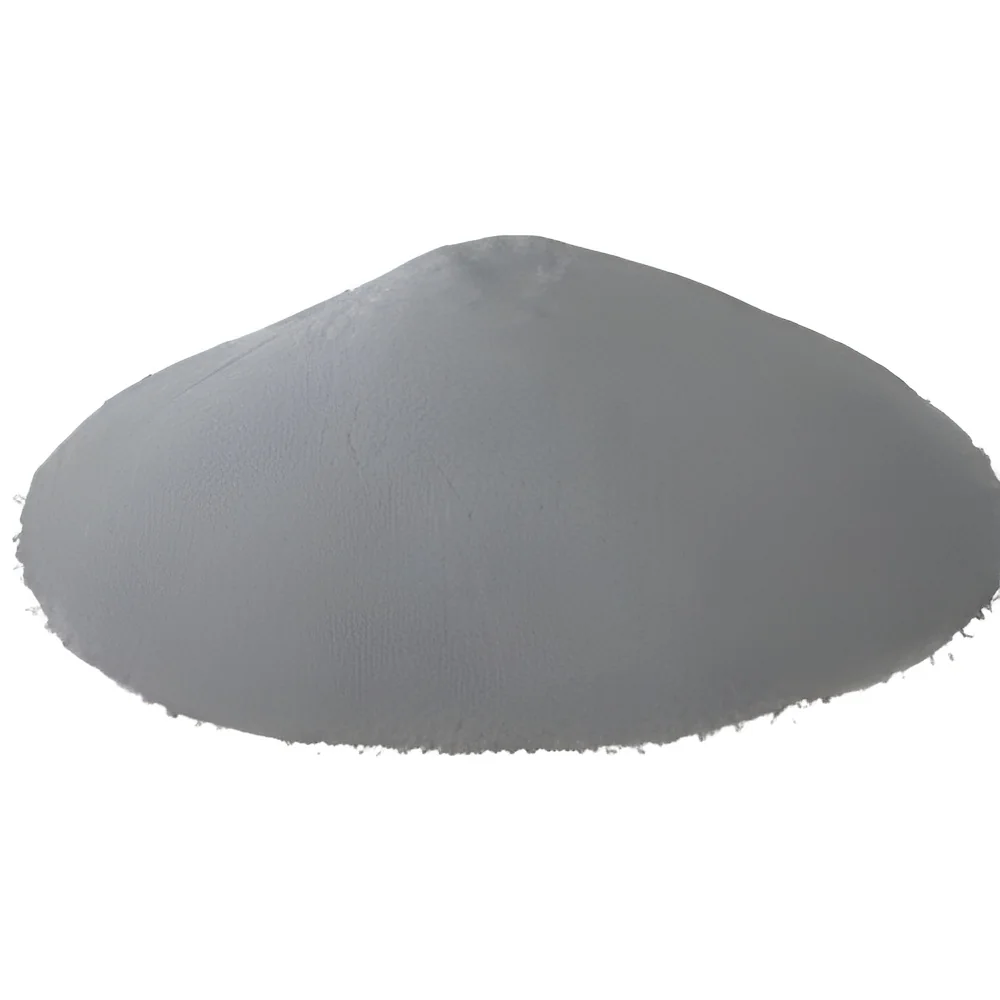
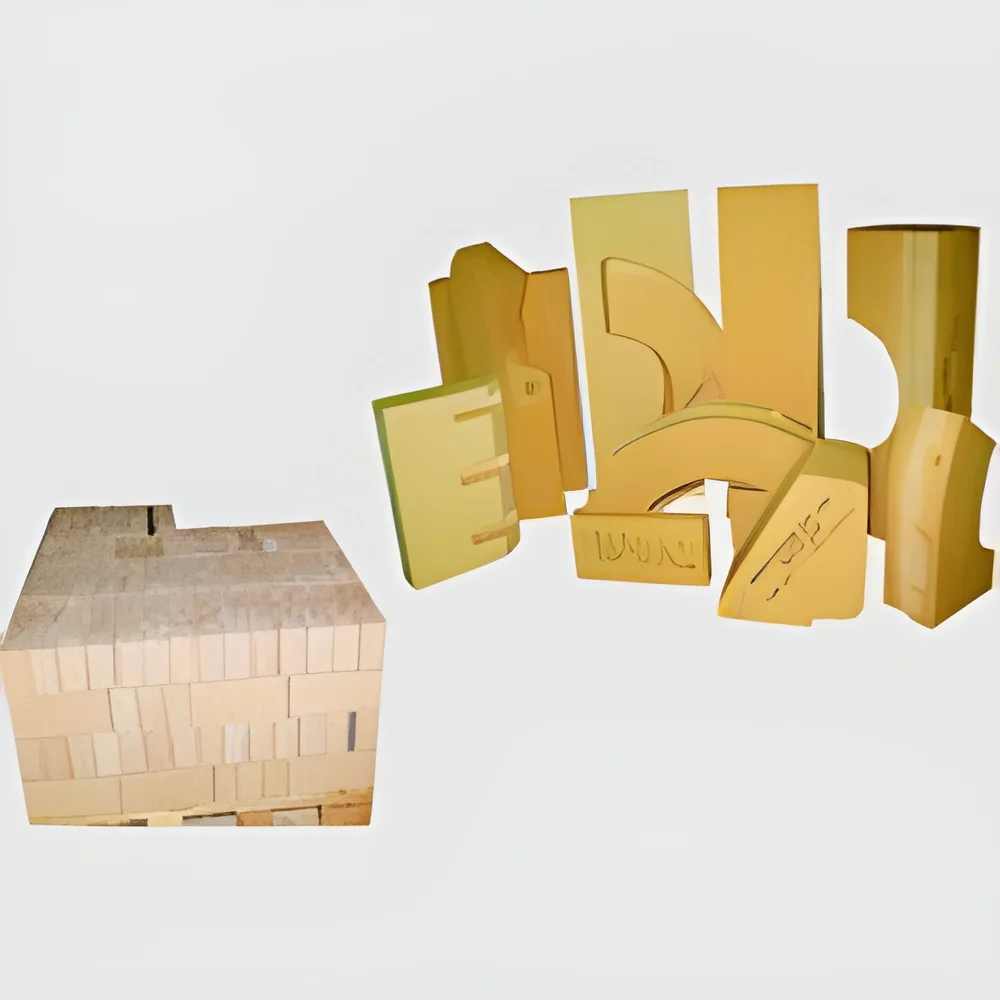
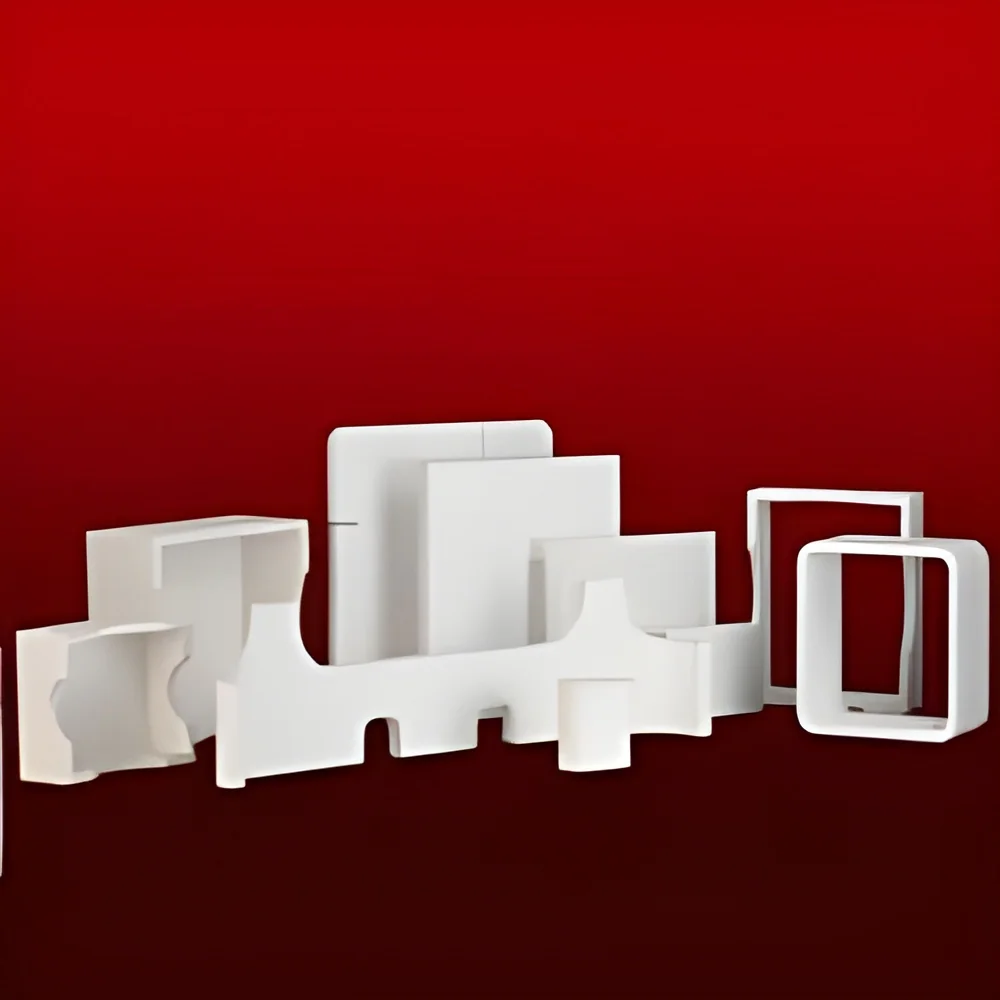
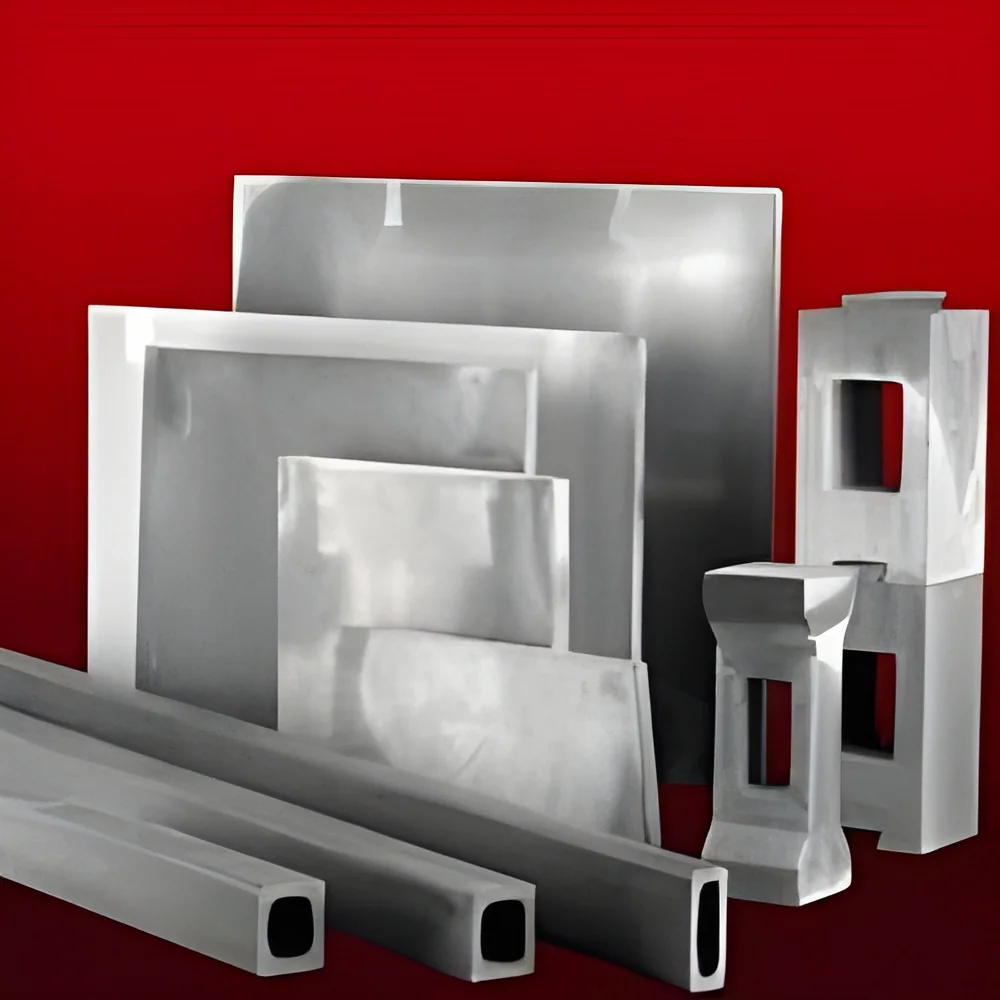
Our nitride bonded silicon carbide refractories represent the pinnacle of high-temperature material technology, specifically engineered for the most demanding industrial applications. These advanced materials combine silicon carbide's exceptional thermal properties with nitride bonding to create refractories that outperform traditional options. They maintain structural integrity at extreme temperatures up to 1650°C while offering superior thermal conductivity that ensures efficient heat transfer. The unique manufacturing process creates a dense, homogeneous structure that resists thermal shock and mechanical stress, providing reliable performance in continuous operation environments where failure is not an option.

These refractories serve critical functions across multiple heavy industries, particularly in metal processing and ceramics manufacturing. In the aluminum industry, they line reduction cells and form tap-out blocks, resisting corrosion from molten aluminum and cryolite. Copp...
Our nitride bonded silicon carbide refractories represent the pinnacle of high-temperature material technology, specifically engineered for the most demanding industrial applications. These advanced materials combine silicon carbide's exceptional thermal properties with nitride bonding to create refractories that outperform traditional options. They maintain structural integrity at extreme temperatures up to 1650°C while offering superior thermal conductivity that ensures efficient heat transfer. The unique manufacturing process creates a dense, homogeneous structure that resists thermal shock and mechanical stress, providing reliable performance in continuous operation environments where failure is not an option.

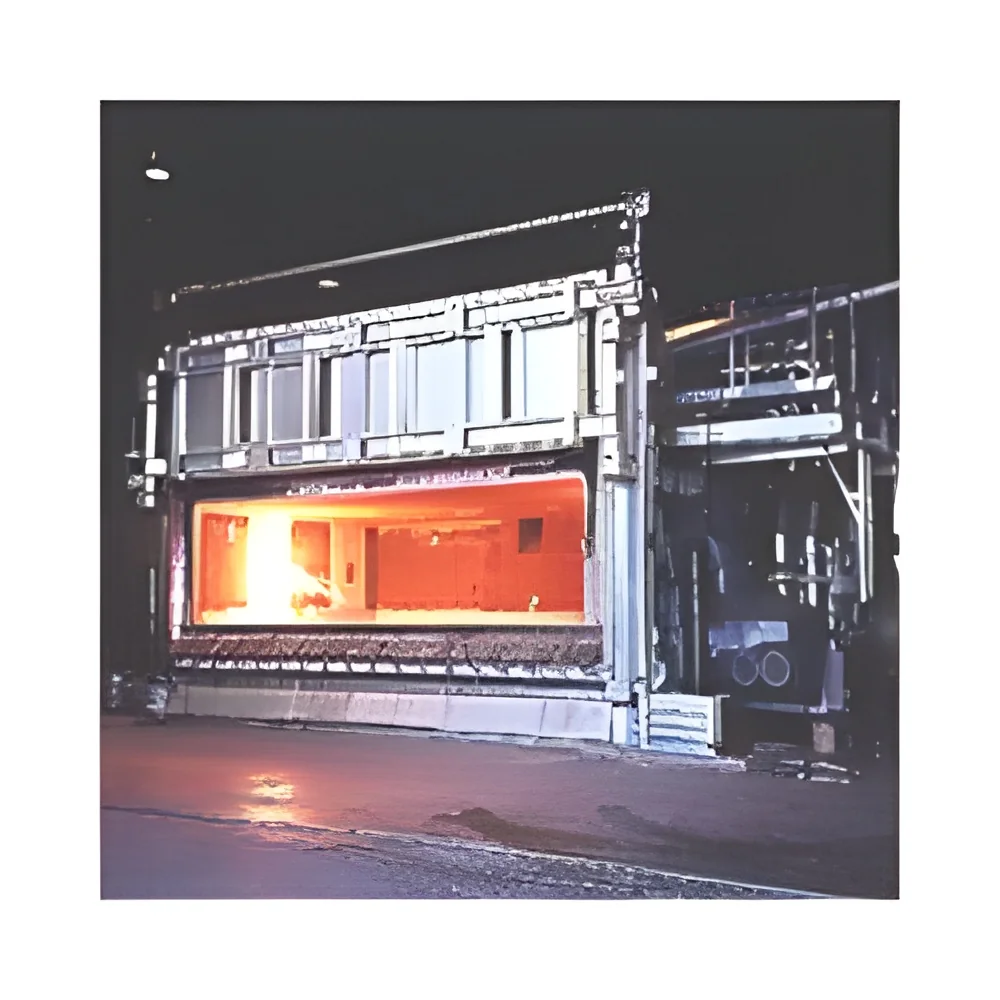
These refractories serve critical functions across multiple heavy industries, particularly in metal processing and ceramics manufacturing. In the aluminum industry, they line reduction cells and form tap-out blocks, resisting corrosion from molten aluminum and cryolite. Copper processing facilities utilize them in shaft furnace linings and launders where they withstand aggressive slag and molten copper. Steel producers rely on them for blast furnace applications requiring thermal shock resistance. Ceramics manufacturers employ them as kiln furniture and burner tubes that must maintain dimensional stability through thousands of heating cycles. The non-wetting characteristics with molten non-ferrous metals make them indispensable in these applications.

The business value of these refractories lies in their ability to reduce downtime, lower maintenance costs, and improve process efficiency. Their exceptional durability translates to longer service life compared to conventional refractories, reducing replacement frequency and associated production interruptions. The high thermal conductivity enables faster heating cycles and better temperature uniformity, contributing to energy savings and improved product quality. Consistent quality control guarantees reliable performance batch after batch. These factors combine to deliver significant return on investment through reduced operational costs and enhanced production reliability.

Key Features:
- Exceptional thermal conductivity for efficient heat transfer
- Outstanding hot strength maintaining structural integrity at high temperatures
- Excellent resistance to thermal shock preventing cracking during rapid temperature changes
- Superior corrosion resistance against molten metals and aggressive slags
- High thermal stability with minimal deformation at temperatures up to 1650°C

Benefits:
- Reduced operational downtime through extended service life
- Lower maintenance costs with superior durability and reliability
- Improved process efficiency with faster heating cycles
- Energy savings through excellent thermal conductivity
- Enhanced production reliability in extreme thermal conditions
Specifications
| Additional Information | |
|---|---|
| Country of Origin | India |
Application
Nitride bonded silicon carbide refractories are engineered for extreme thermal environments where standard materials fail. They provide exceptional performance in high-temperature industrial processes, offering superior thermal conductivity, mechanical strength, and resistance to thermal shock. These properties make them ideal for critical applications across multiple heavy industries where reliability and durability are paramount.
These advanced refractories serve essential functions in metal processing, ceramics manufacturing, and high-temperature industrial operations. Their unique composition ensures excellent resistance to corrosion from molten metals and slag, maintaining structural integrity under continuous thermal cycling. This makes them particularly valuable in applications requiring consistent performance in aggressive thermal and chemical environments.
- Kiln furniture and burner tubes in ceramic manufacturing industries
- Aluminum reduction cell linings and tap-out blocks in aluminum smelting
- Shaft furnace linings and launders in copper processing operations
- Blast furnace linings and thermocouple protection sheaths in steel production
- Heat treatment fixtures and sintering trays in various high-temperature processes
Trade Details
| Available Stock | In Stock |
| Sample Availability | No |
Payment Terms
| Payment Terms |
|
Company Profile

Carborundum Universal Limited, Tamil Nadu
 Tamil Nadu, India
Tamil Nadu, IndiaManufacturer•Trading Company
Factory Details
Factory SizeBelow 1000 sqm
Annual Production Capacity0
Main Markets
South Asia
Industrial Refractories Nitride Bonded Silicon Carbide Extreme Heat
Premium nitride bonded silicon carbide refractories for extreme heat applications in ceramics, aluminum, copper, and steel industries. Superior thermal conductivity, hot strength, and thermal shock resistance for demanding industrial environments.
Min. Order Quantity: 1 unit
Shipping
Shipping fee and delivery date to be negotiated. Contact supplier now for more details.
Carborundum Universal Limited
 Tamil Nadu, India
Tamil Nadu, IndiaManufacturer