IN
IN₹
Apparel & Fashion
Description
Cold chamber die casting machines represent advanced manufacturing equipment specifically engineered for high-precision casting of metals with elevated melting temperatures, including aluminum alloys, copper-based metals, and magnesium compounds. Unlike hot chamber systems where the injection mechanism remains submerged in molten metal, cold chamber machines feature an external ladling process that pours measured amounts of molten metal into the injection chamber. This fundamental design difference provides significant advantages for processing metals that would otherwise damage or degrade hot chamber components. The separation between the molten metal reservoir and the injection system ensures consistent quality, reduces thermal stress on machine parts, and extends operational lifespan while maintaining precise control over the casting process. These machines incorporate sophisticated hydraulic or mechanical systems that deliver controlled pressure and injection speeds, resulting in c...
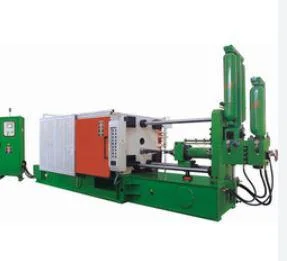
Cold chamber die casting machines represent advanced manufacturing equipment specifically engineered for high-precision casting of metals with elevated melting temperatures, including aluminum alloys, copper-based metals, and magnesium compounds. Unlike hot chamber systems where the injection mechanism remains submerged in molten metal, cold chamber machines feature an external ladling process that pours measured amounts of molten metal into the injection chamber. This fundamental design difference provides significant advantages for processing metals that would otherwise damage or degrade hot chamber components. The separation between the molten metal reservoir and the injection system ensures consistent quality, reduces thermal stress on machine parts, and extends operational lifespan while maintaining precise control over the casting process. These machines incorporate sophisticated hydraulic or mechanical systems that deliver controlled pressure and injection speeds, resulting in components with exceptional dimensional stability and surface quality that often requires minimal post-processing.

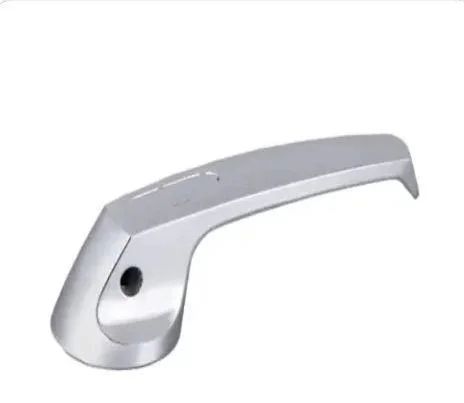
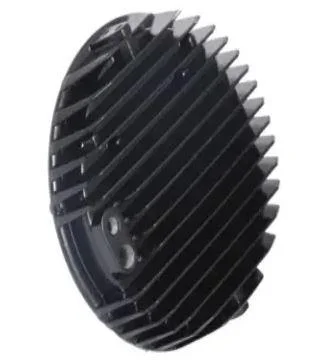
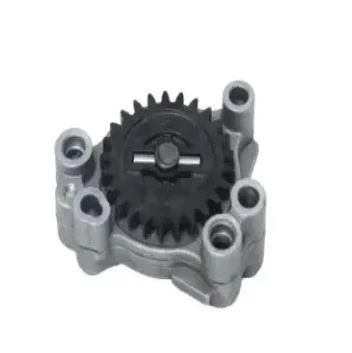
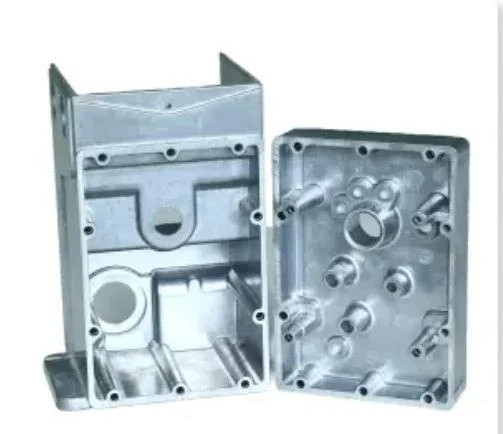
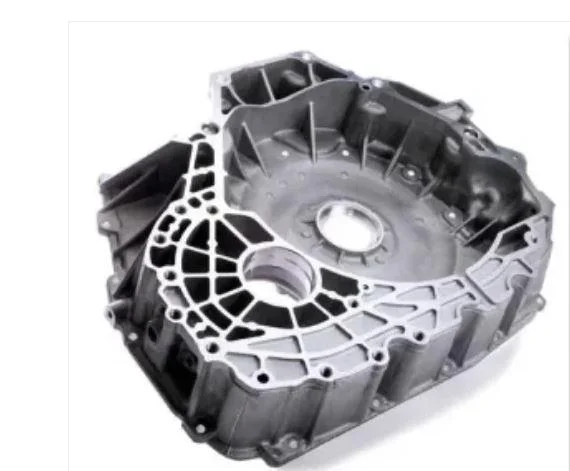
Across multiple industrial sectors, cold chamber die casting machines serve as production workhorses for creating complex metal components that demand exact specifications. In automotive manufacturing, they produce critical parts like engine blocks, transmission cases, and structural components that must withstand extreme conditions while maintaining precise dimensions. Aerospace applications rely on these machines for creating lightweight yet strong structural elements, engine components, and specialized fittings where material integrity is paramount. Electronics manufacturers utilize cold chamber casting for producing heat-dissipating enclosures, connector housings, and precision components that require excellent thermal and electrical properties. Industrial equipment producers depend on these machines for creating durable pump housings, valve bodies, machinery parts, and tooling components that operate in demanding environments. The versatility to work with various metal alloys makes these machines valuable assets for manufacturers serving multiple markets or producing diverse product lines.

The business value of cold chamber die casting machines lies in their ability to deliver consistent, high-quality components while optimizing production efficiency and reducing operational costs. These machines provide manufacturers with reliable performance that translates into fewer production interruptions, reduced scrap rates, and consistent output quality that meets stringent industry standards. Their robust construction and thoughtful engineering minimize maintenance requirements while maximizing uptime, ensuring production schedules remain on track. The precision capabilities reduce or eliminate secondary machining operations in many cases, saving both time and material costs. For businesses investing in manufacturing capabilities, cold chamber die casting machines offer a proven technology that scales effectively from prototype development to full-scale production, providing flexibility to adapt to changing market demands. The reliability of these systems builds confidence in production planning and capacity management, while their consistent output quality strengthens supplier relationships and customer satisfaction through dependable delivery of specification-compliant components.

Key Features:
- External ladling system that separates molten metal from injection components to prevent contamination
- Capability to process metals with high melting points including aluminum, copper, and magnesium alloys
- Advanced hydraulic or mechanical injection systems for precise pressure and speed control
- Durable construction with high-grade materials designed for extended operational lifespan
- Consistent production of components with excellent dimensional accuracy and surface finish

Benefits:
- Reduced equipment wear and extended service life compared to hot chamber alternatives
- Consistent quality output with minimal defects across high-volume production runs
- Versatility to work with multiple metal alloys without compromising performance
- Efficient production that minimizes material waste and secondary processing requirements
- Reliable operation that supports tight production schedules and delivery commitments
Specifications
| Additional Information | |
|---|---|
| Country of Origin | India |
Application
Cold chamber die casting machines excel in producing complex metal components that require tight tolerances and excellent surface quality. Their design allows for efficient processing of metals with high melting points, making them indispensable for industries where precision and durability are non-negotiable. These machines handle demanding production schedules while maintaining consistent output quality across thousands of cycles, ensuring manufacturers can meet strict industry standards and client specifications without compromise.
From automotive engine blocks to aerospace structural elements, these machines transform molten metal into finished parts with remarkable efficiency. The cold chamber process prevents metal contamination and extends equipment lifespan, providing long-term value for production facilities. Manufacturers appreciate the versatility to switch between different metal alloys while maintaining production quality, making these machines a smart investment for diverse manufacturing operations.
Real-world applications:
- Automotive industry components including engine blocks, transmission housings, and brake system parts
- Aerospace structural components, landing gear elements, and engine housing assemblies
- Electronics enclosures, heat sinks, and precision connector components
- Industrial machinery parts, pump housings, and hydraulic system components
- High-volume production of consumer goods, tools, and equipment requiring metal parts
Trade Details
| Available Stock | In Stock |
| Sample Availability | No |
Payment Terms
| Payment Terms |
|
| Payment Methods |
|
Company Profile

Marcus Hi Tech Engineering Pvt Ltd, Tamil Nadu
 Tamil Nadu, India
Tamil Nadu, IndiaIndustrial Equipment & Machinery•Manufacturer
Factory Details
Factory SizeBelow 1000 sqm
Industrial Manufacturing Cold Chamber Die Casting Machines For Aluminum Copper Magnesium
Cold chamber die casting machines from leading manufacturers deliver high-precision metal casting for aluminum, copper, and magnesium components, featuring superior surface finish and dimensional accuracy for automotive, aerospace, and industrial manufacturing applications.
Min. Order Quantity: 1 piece
Shipping
Shipping fee and delivery date to be negotiated. Contact supplier now for more details.
Marcus Hi Tech Engineering Pvt Ltd
 Tamil Nadu, India
Tamil Nadu, IndiaIndustrial Equipment & MachineryManufacturer