IN
INundefined
Description
Industrial inter coolers represent specialized heat exchange equipment designed to improve the efficiency and reliability of engines and industrial systems. These components work b...
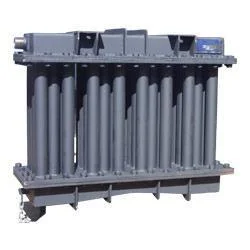
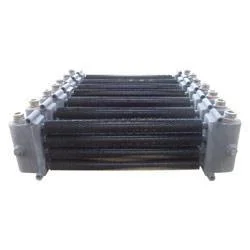
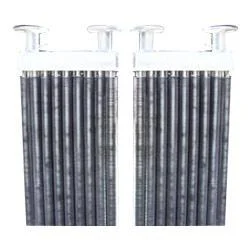
Industrial inter coolers represent specialized heat exchange equipment designed to improve the efficiency and reliability of engines and industrial systems. These components work by cooling compressed air or gases between compression stages, increasing density and oxygen content for better combustion while reducing thermal stress on downstream components. Engineered for demanding applications, they feature durable construction using materials selected for thermal conductivity, corrosion resistance, and structural integrity. Each unit undergoes rigorous quality verification to ensure consistent performance under the challenging conditions typical of industrial operations, from high vibration environments to extreme temperature fluctuations.

These thermal management solutions serve vital functions across industries where equipment performance depends on controlled operating temperatures. In heavy machinery and transportation sectors, inter coolers enhance diesel engine efficiency in trucks, construction equipment, and marine vessels. Manufacturing facilities utilize them in compressed air systems to remove heat generated during compression, improving air tool performance and reducing moisture issues. Power generation applications include gas turbine installations where inter cooling increases efficiency and output. Processing industries employ them for cooling gases in chemical reactions and material handling systems, demonstrating their versatility across operational environments where heat management impacts productivity and safety.

The value proposition of industrial inter coolers centers on operational reliability, efficiency gains, and long-term cost savings. By maintaining optimal operating temperatures, these components prevent overheating-related failures that can lead to unplanned downtime and expensive repairs. Their efficient heat transfer capabilities reduce fuel consumption in engine applications and lower energy requirements in industrial processes. The durable construction minimizes maintenance needs and extends service intervals, protecting capital investments in machinery. This reliability translates to consistent production output, reduced operational risks, and improved return on equipment investments for businesses prioritizing operational continuity and cost management.

Key Features:
- Engineered for heavy-duty applications with robust construction and durable materials
- Efficient heat exchange design for optimal temperature reduction of compressed gases
- Quality manufacturing adhering to performance and reliability standards
- Corrosion-resistant materials suitable for demanding industrial environments
- Compatible with various industrial systems and engine configurations

Benefits:
- Enhanced equipment efficiency through improved combustion and reduced thermal stress
- Extended machinery lifespan by preventing overheating and component degradation
- Reduced operational costs through lower fuel consumption and maintenance requirements
- Reliable performance in demanding conditions ensuring continuous operation
- Versatile application across multiple industries and equipment types
Specifications
| Additional Information | |
|---|---|
| Country of Origin | India |
| Customisable | No |
Application
Industrial inter coolers serve as critical components for managing heat in systems where temperature control directly impacts performance and safety. They efficiently transfer heat from compressed air or gases before they enter engines or industrial processes, maintaining optimal operating conditions and preventing thermal damage to expensive equipment. Their robust design ensures consistent operation even under continuous heavy loads and challenging environmental conditions.

These cooling systems find essential roles across multiple sectors where machinery generates significant heat during operation. From manufacturing plants with compressed air networks to power generation facilities with turbine systems, inter coolers help maintain efficiency and extend equipment lifespan. Their application spans industries requiring precise thermal management to ensure process stability, product quality, and operational safety throughout extended production cycles.
- Turbocharged diesel engines in construction and mining equipment for reduced intake temperatures
- Industrial air compressor systems in manufacturing facilities for cooling compressed process air
- Gas turbine installations in power generation plants for maintaining optimal combustion efficiency
- Marine engine applications where saltwater cooling requires corrosion-resistant heat exchangers
- Process cooling in chemical and petrochemical industries for temperature control of gases
Trade Details
| Available Stock | In stock |
| Sample Availability | No |
Payment Terms
| Payment Terms |
|
Company Profile

Unitech Heat Exchangers and Fabricators, Tamil Nadu
 Tamil Nadu, India
Tamil Nadu, IndiaAutomotive & Transport•ManufacturerImporter / Exporter
Factory Details
Factory SizeBelow 1000 sqm
Annual Production Capacity0
Industrial Inter Coolers For Enhanced Engine Efficiency And Heat Management
Industrial inter coolers enhance engine efficiency and heat management for heavy-duty machinery. These reliable thermal solutions improve performance and prevent overheating in demanding industrial applications.
Min. Order Quantity: 1 units
Shipping
Shipping fee and delivery date to be negotiated. Contact supplier now for more details.
Unitech Heat Exchangers and Fabricators Tamil Nadu, India
Tamil Nadu, IndiaAutomotive & TransportManufacturer