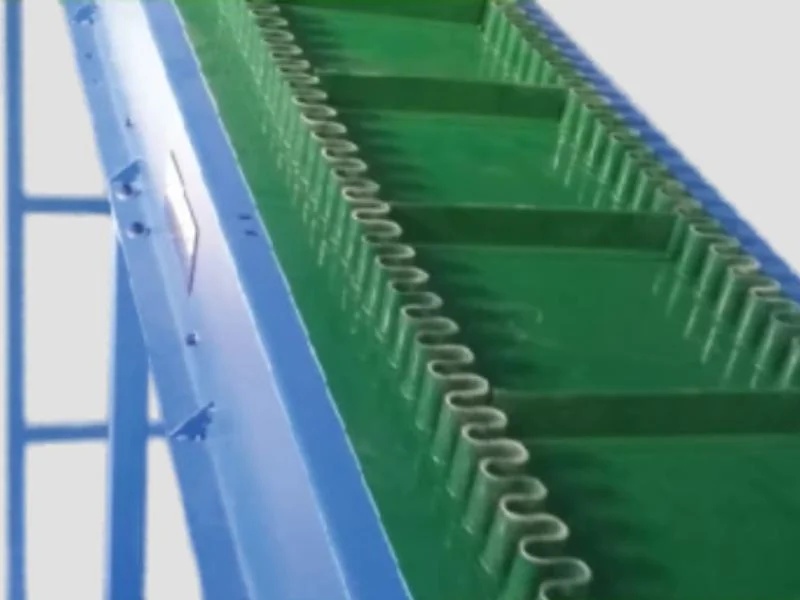
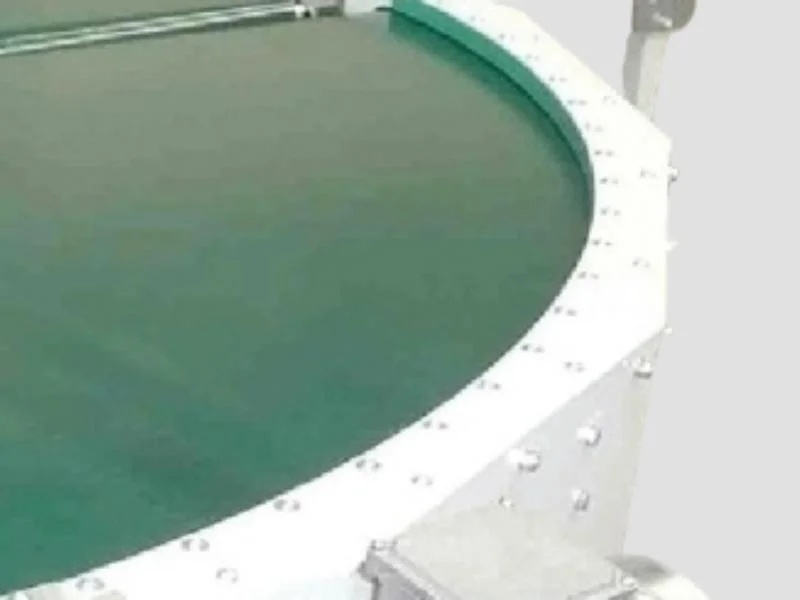
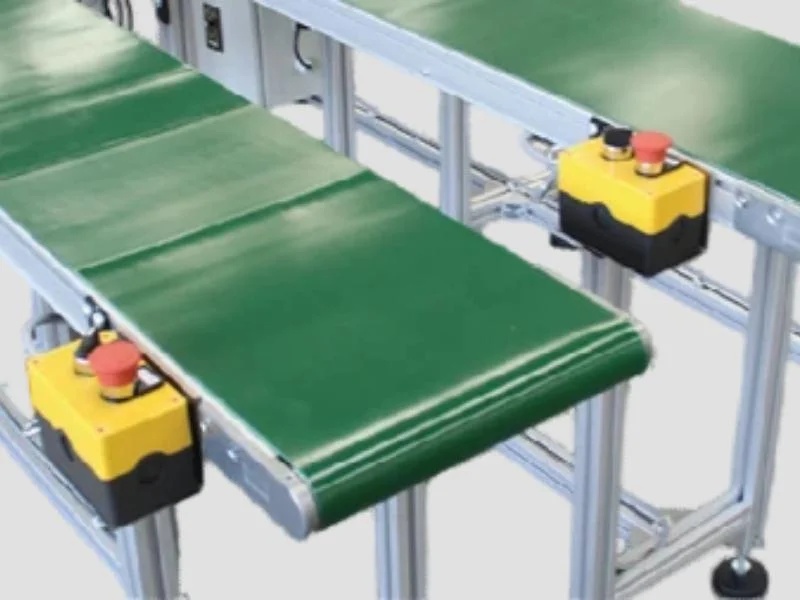
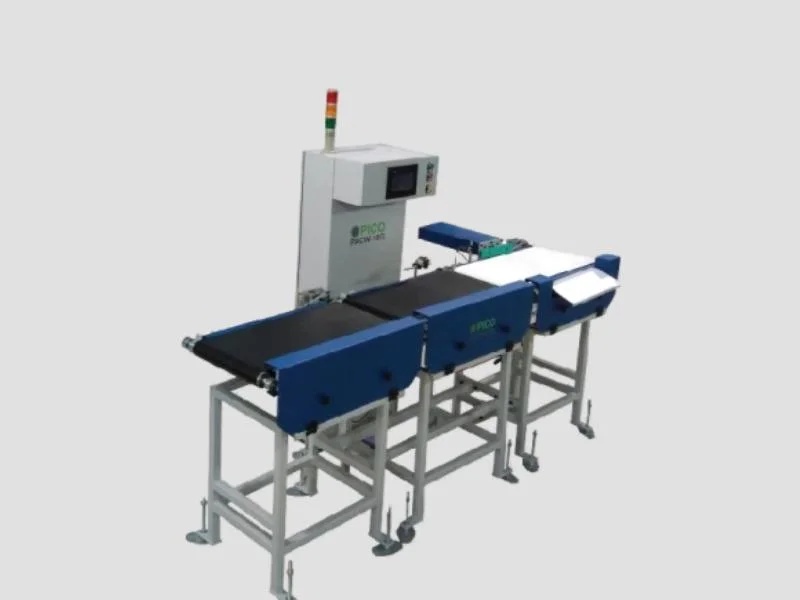
- Transportation of products between production levels.
- Industrial inclined material handling.
- Movement of materials along elevated routes.
- Product transfer between workstations.
- Inclined production-line transportation.
- Handling of various industrial products.
- Applications requiring flexible speed and incline settings.

 IN
IN₹
Apparel & Fashion
Description
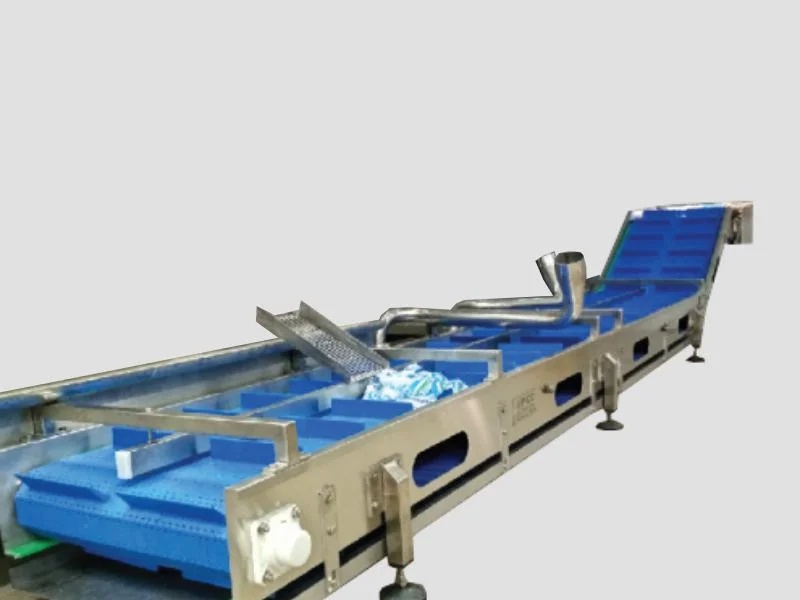
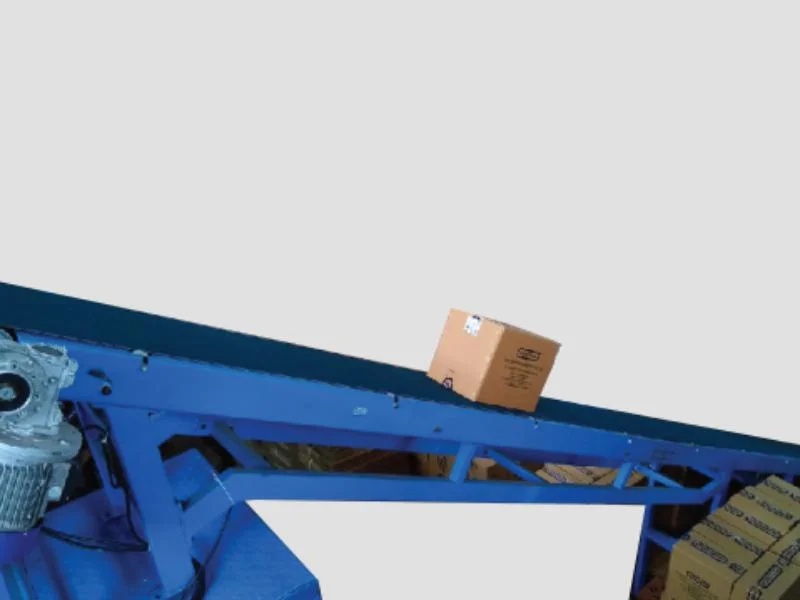
Built for inclined product transportation, the Inclined Belt Conveyor provides a convenient method of moving materials between different levels. Its belt system supports continuous movement and can be configured using PVC, Rubber, PU, or Teflon materials. The conveyor offers incline angles from 15° to 45° and an adjustable speed range of 0.5 to 3 m/s. It is specified for load capacities between 50 and 200 kg per meter, making it suitable for a range of production line and industrial material handling applications.
Specifications
| Key Attributes | |
|---|---|
| Product Name | Inclined Belt Conveyor |
| Conveyor Type | Inclined Belt Conveyor |
| Application | Inclined Material Transportation |
| Belt Material | PVC, Rubber, PU, or Teflon |
| Incline Angle | 15°–45° |
| Load Capacity | 50–200 kg/m |
| Operating Speed | 0.5–3 m/s |
| Speed Adjustment | Adjustable |
| Material Movement | Between Different Levels |
| Operation | Continuous Material Movement |
| Conveyor Function | Lifting and Transporting Materials |
| Additional Information | |
|---|---|
| SKU | 1 |
| Country of Origin | India |
Application
Trade Details
| Available Stock | In Stock |
| Sample Availability | No |
Payment Terms
| Payment Terms |
|
| Payment Methods |
|
Shipping & Logistics
| Shipping Internationally | No | |
| Methods |
| |
| IncoTerms |
|
Company Profile
Pico Automation, Tamil Nadu
 Tamil Nadu, India
Tamil Nadu, India18 yrs
Manufacturer
Turn Over
Below ₹25 Lakhs
Factory Details
Factory Size1000-5000 sqm
Main Markets
South Asia
Africa
Frequently Asked Questions
1
What is an inclined belt conveyor?
An inclined belt conveyor is a type of conveyor system designed to transport materials at an angle, making it ideal for moving items between different levels.
2
What kinds of materials can be transported using an inclined belt conveyor?
Inclined belt conveyors can be used to transport a variety of materials including loose products, packages, and bulk materials such as grains, coal, and aggregates.
3
How do I determine the right size of inclined belt conveyor for my needs?
To determine the right size, consider factors like the length and height you need to cover, the weight and type of materials being transported, and the desired speed of operation.
4
Can I customize the inclined belt conveyor according to my specific requirements?
Yes, many manufacturers offer customization options including varying lengths, widths, inclines, and additional features based on your operational needs.
5
What are the available payment methods for purchasing an inclined belt conveyor?
We accept several payment methods including credit cards, cash payments, cheques, and demand drafts.
SKU: 1
Inclined Belt Conveyor
Choose the Inclined Belt Conveyor for flexible material transportation between different levels in industrial environments. It features PVC, Rubber, PU, or Teflon belt options, adjustable speed from 0.5 to 3 m/s, incline angles of 15° to 45°, and load capacity from 50 to 200 kg per meter.
Min. Order Quantity: 1 piece
Shipping
Shipping fee and delivery date to be negotiated. Contact supplier now for more details.
Shipping InternationallyNo
Pico Automation Tamil Nadu, India
Tamil Nadu, IndiaManufacturer