IN
IN₹
Apparel & Fashion
Description
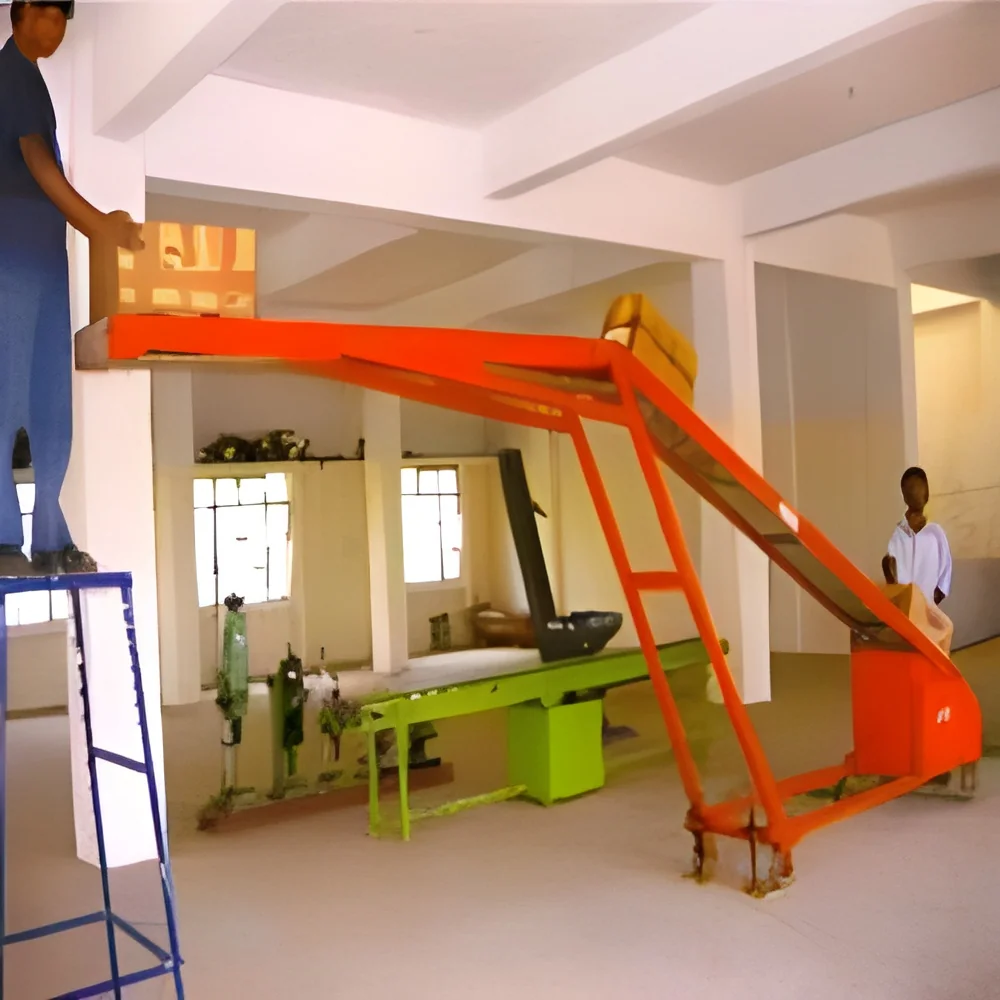
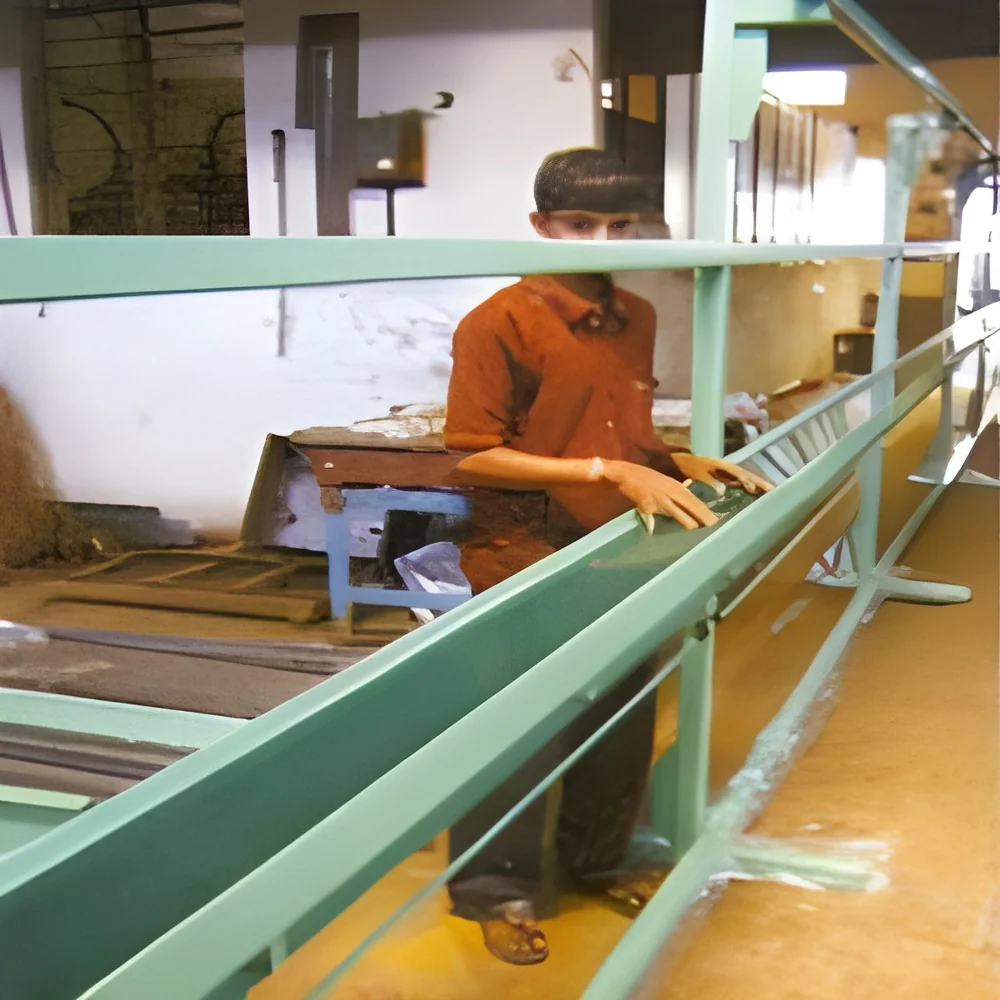
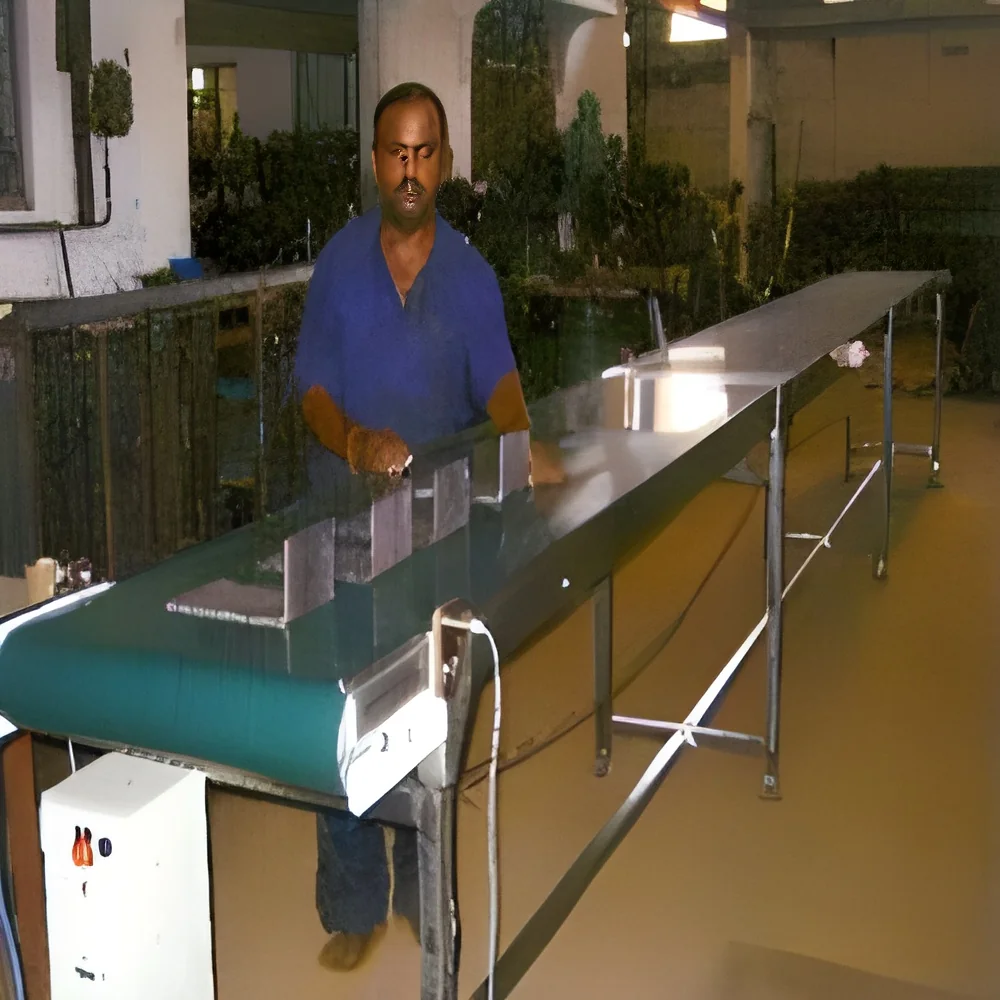
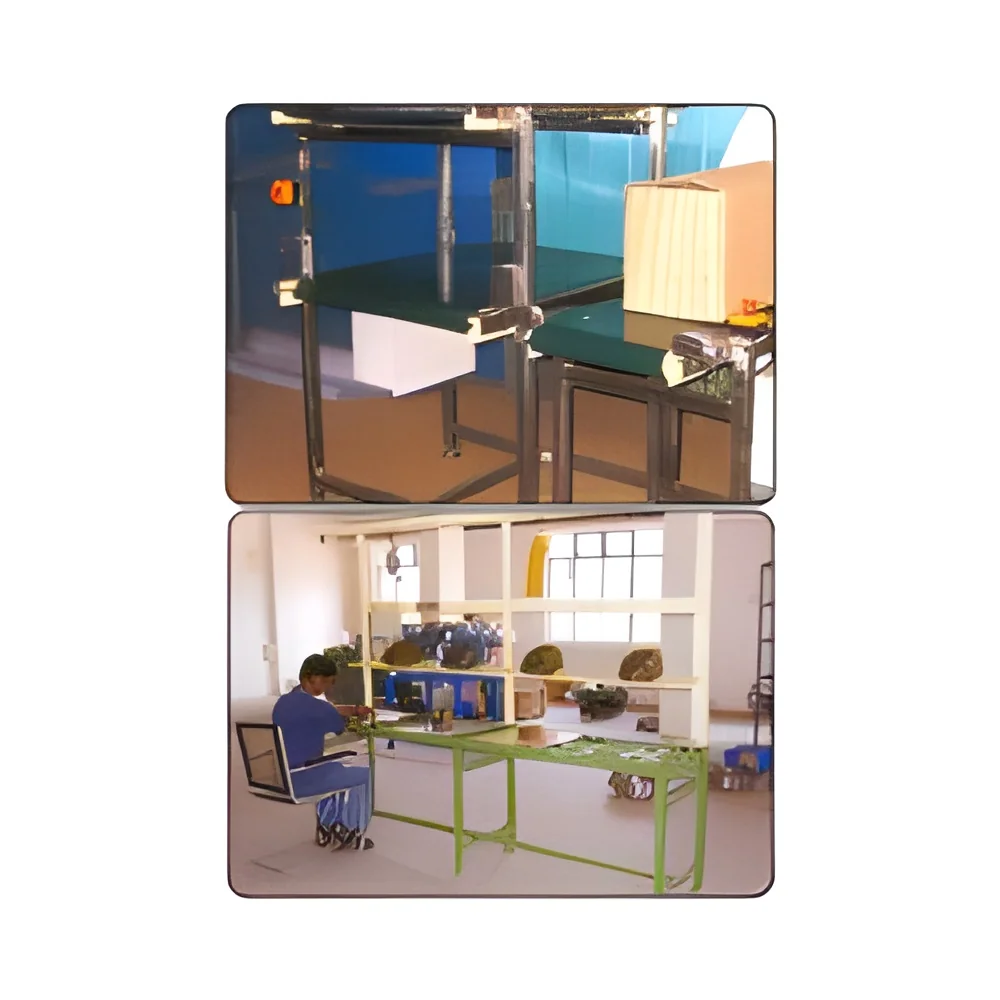
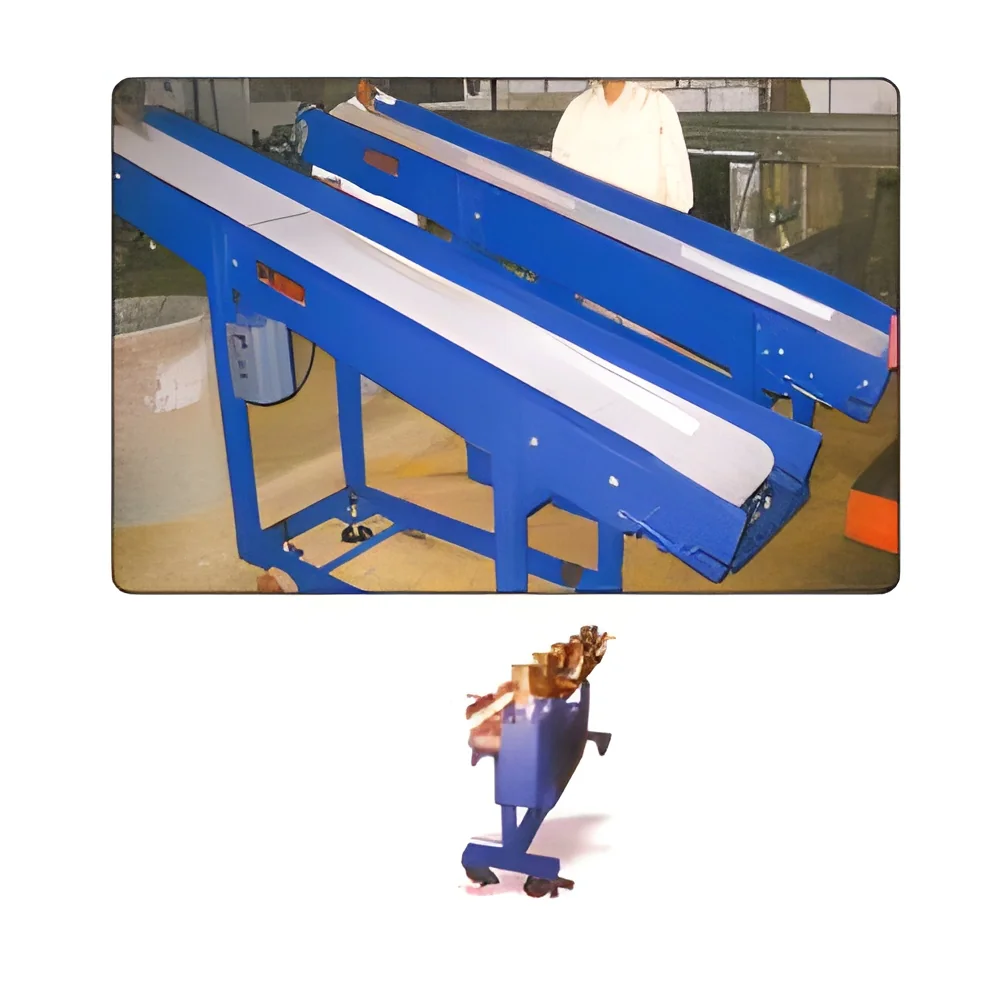
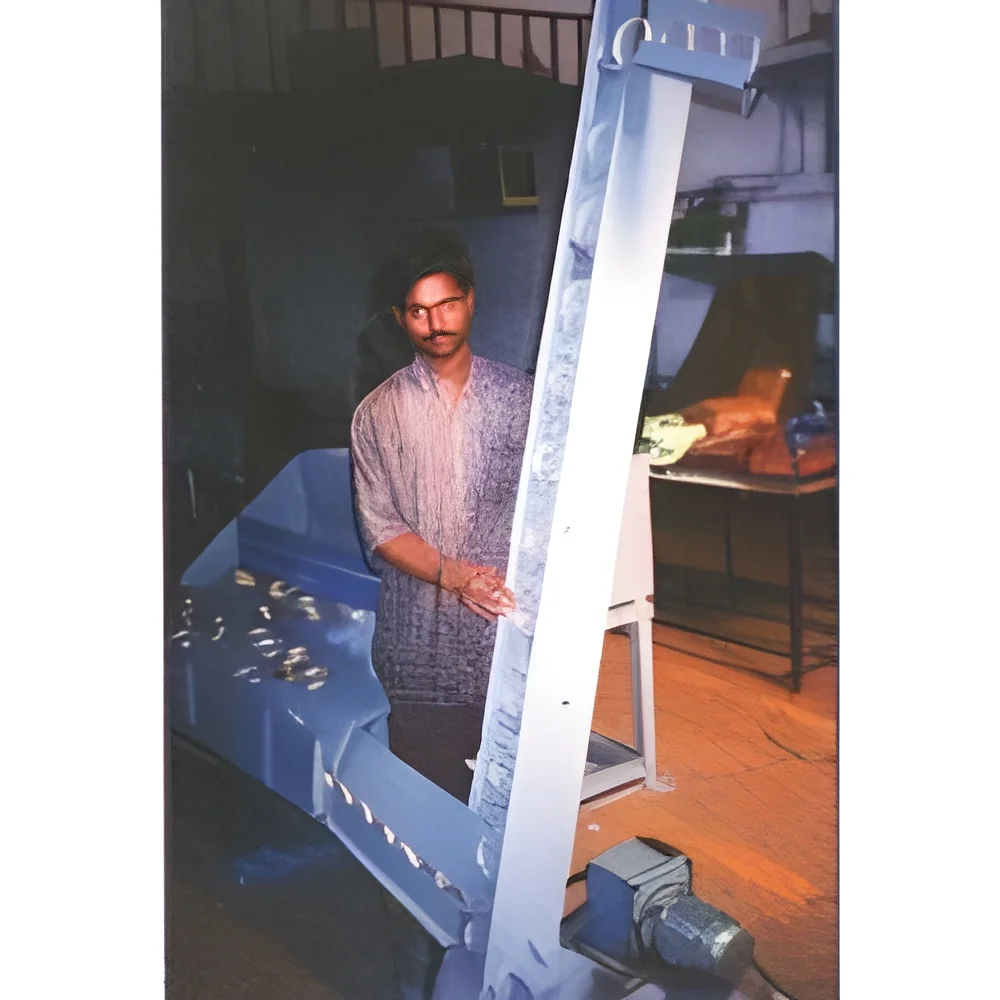
Industrial automation elevator hopper feeders are specialized material handling systems designed to reliably transfer bulk materials from elevated storage points to processing equipment. They address the critical need for consistent, uninterrupted feed in automated production environments where conventional feeders are ineffective. Constructed with premium, durable materials, these feeders incorporate precision vibration technology to ensure smooth material flow, prevent arching or ratholing, and handle a wide range of materials from fine powders to small parts. Their core function is to provide a controlled discharge, maintaining optimal production rates and product quality by delivering materials exactly where and when they are needed in the process.

These feeders serve as vital components in numerous industries. In food processing, they handle ingredients hygienically, ensuring consistent blend quality. Pharmaceutical manufacturers rely on them for the precise, contamination-free h...
Industrial automation elevator hopper feeders are specialized material handling systems designed to reliably transfer bulk materials from elevated storage points to processing equipment. They address the critical need for consistent, uninterrupted feed in automated production environments where conventional feeders are ineffective. Constructed with premium, durable materials, these feeders incorporate precision vibration technology to ensure smooth material flow, prevent arching or ratholing, and handle a wide range of materials from fine powders to small parts. Their core function is to provide a controlled discharge, maintaining optimal production rates and product quality by delivering materials exactly where and when they are needed in the process.

These feeders serve as vital components in numerous industries. In food processing, they handle ingredients hygienically, ensuring consistent blend quality. Pharmaceutical manufacturers rely on them for the precise, contamination-free handling of sensitive powders and tablets. The chemical industry utilizes their often corrosion-resistant builds for aggressive materials. In general manufacturing and packaging, they automate the feeding of components and products, streamlining assembly and packaging lines. Their design allows seamless integration with existing infrastructure like silos, conveyors, and processing machines, making them a versatile solution for any sector requiring elevated, reliable, and controlled material discharge to sustain high-volume operations.

The business value of these elevator hopper feeders is rooted in their reliability, efficiency, and contribution to operational continuity. Their robust construction minimizes unplanned downtime and reduces maintenance costs, directly protecting production output and profitability. By ensuring a consistent material supply, they prevent bottlenecks and quality variances in downstream processes. Their energy-efficient design and durable build offer a strong return on investment through lower operational costs and extended service life. Engineered for seamless integration, they enhance overall line efficiency without demanding major overhauls, making them a dependable, long-term solution for serious production environments focused on stability and output.

Key Features:
- Robust construction using premium-grade materials and components for maximum durability and long service life.
- Engineered specifically for stable, elevated mounting to facilitate gravity-assisted feeding from overhead storage.
- Precision vibratory mechanism ensures consistent, controllable material flow and prevents clogging or bridging.
- Designed for seamless integration with existing conveyor systems, silos, and processing machinery.
- Built to handle a diverse range of materials including powders, granules, flakes, and small components.

Benefits:
- Ensures reliable, uninterrupted material feed, minimizing production downtime and protecting output targets.
- Delivers consistent flow rates for improved process control, product quality, and reduced material waste.
- Durable build and minimal maintenance requirements lower long-term operational and replacement costs.
- Enhances overall production line efficiency and automation by providing a dependable material supply point.
- Versatile design suitable for demanding environments across food, pharmaceutical, chemical, and manufacturing sectors.
Specifications
| Additional Information | |
|---|---|
| Country of Origin | India |
Application
Elevator hopper feeders are engineered for industrial automation systems requiring dependable material transfer from elevated storage points. They ensure a continuous, controlled flow of materials like powders, granules, and small components directly into downstream processes such as mixers, packaging machines, or assembly lines. Their robust design prevents material bridging and clogging, maintaining consistent feed rates that are critical for automated production efficiency and output quality.
These systems are versatile across industries where space optimization or process design necessitates elevated feeding. The hopper's elevated position utilizes gravity assistance while the integrated vibratory mechanism provides precise flow control. This makes them ideal for integration with silos, conveyors, and processing equipment, handling everything from food ingredients and pharmaceuticals to electronic parts and chemicals with reliability.
- Food processing plants for controlled dispensing of ingredients like spices, grains, or powders into mixing vessels and packaging machines from overhead storage.
- Pharmaceutical manufacturing facilities handling precise batches of tablets, capsules, or powder blends in controlled environments with elevated feeding requirements.
- Chemical production units for the metered feeding of raw materials, pellets, or compounds into reactors and blenders from elevated silos.
- Electronics assembly lines feeding small components such as resistors, capacitors, or connectors from elevated hoppers to placement machines.
- Packaging and bottling operations for sorting and feeding products, caps, or labels into wrapping, capping, or labeling machinery from an elevated supply.
Trade Details
| Available Stock | In Stock |
| Sample Availability | No |
Payment Terms
| Payment Terms |
|
Company Profile
Suresh Industries, Karnataka
 Karnataka, India
Karnataka, IndiaManufacturer•Distributor / Wholesaler•Importer / Exporter
Factory Details
Factory SizeBelow 1000 sqm
Annual Production Capacity0
Main Markets
Domestic
Industrial Automation Elevator Hopper Feeders For Material Handling
Industrial automation elevator hopper feeders provide reliable material handling from elevated positions. Built with premium materials for durability and consistent feed in high-volume production lines across manufacturing, food processing, and packaging industries.
Min. Order Quantity: 1 unit
Shipping
Shipping fee and delivery date to be negotiated. Contact supplier now for more details.
Suresh Industries
 Karnataka, India
Karnataka, IndiaManufacturer