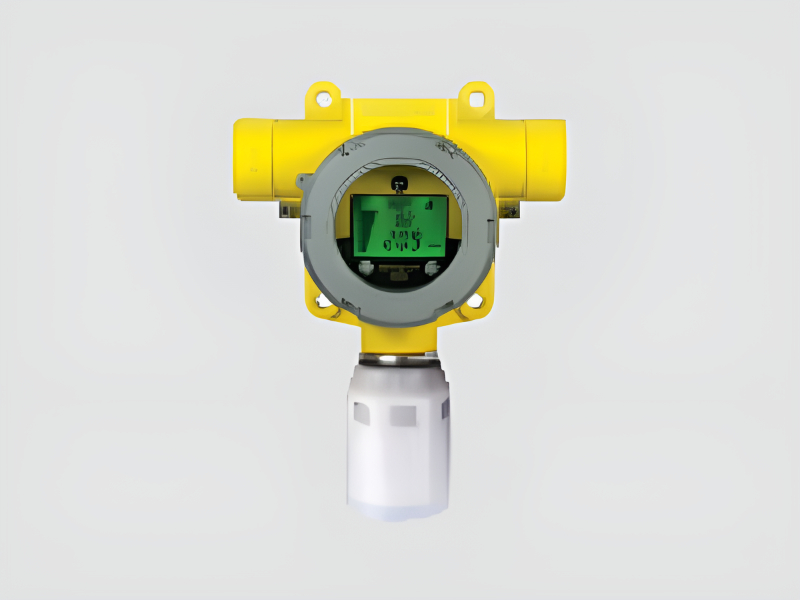
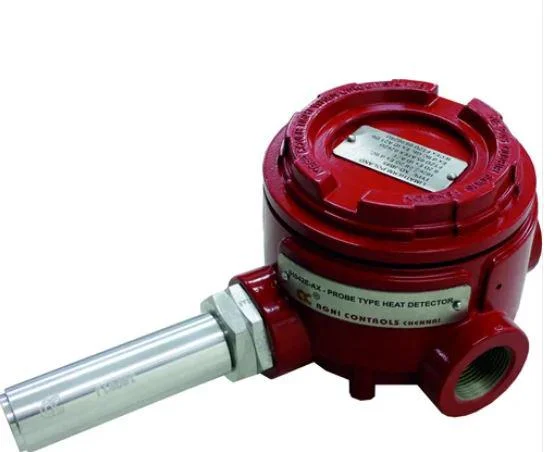
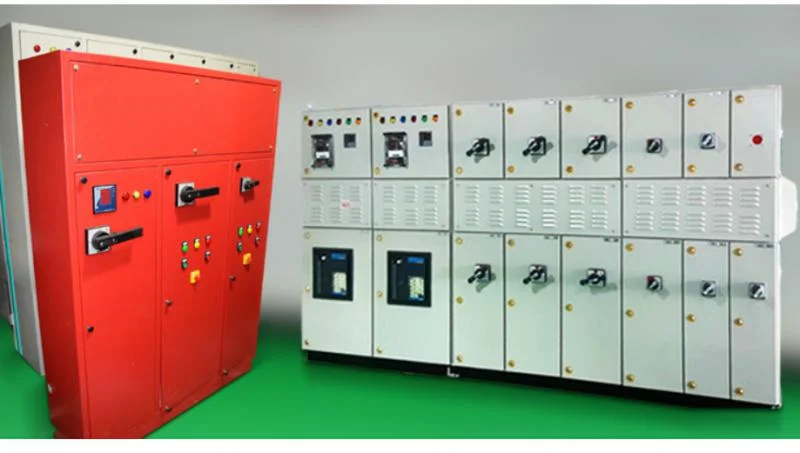
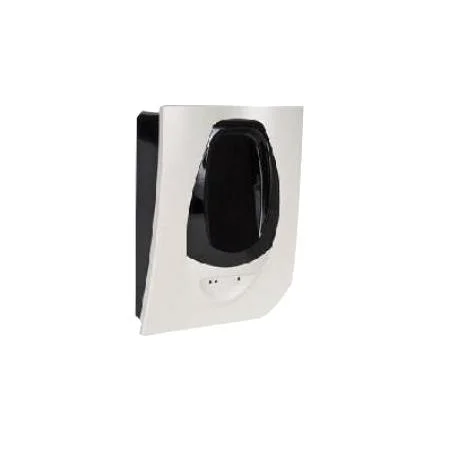
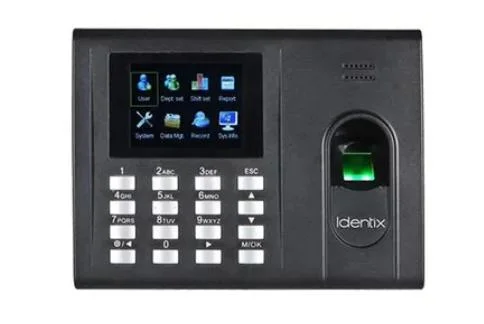
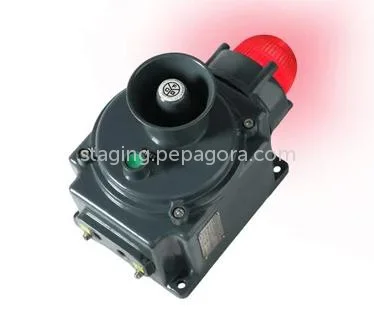
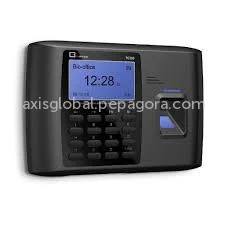
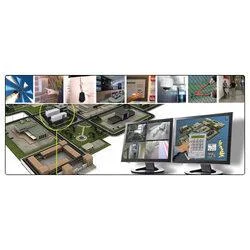
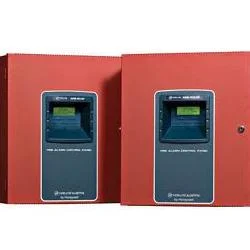
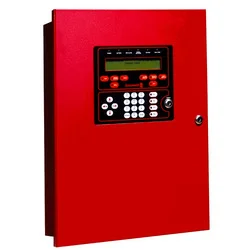
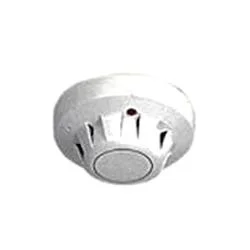
𝗪𝗵𝗮𝘁 𝗮𝗿𝗲 𝗙𝗶𝗿𝗲 𝗔𝗹𝗮𝗿𝗺 & 𝗔𝗰𝗰𝗲𝘀𝘀 𝗖𝗼𝗻𝘁𝗿𝗼𝗹 𝗦𝘆𝘀𝘁𝗲𝗺𝘀?
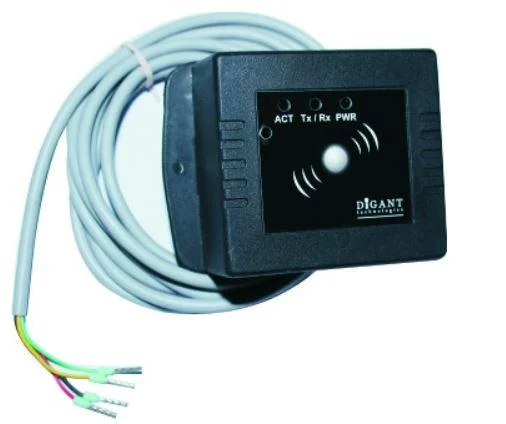
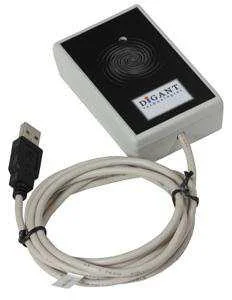
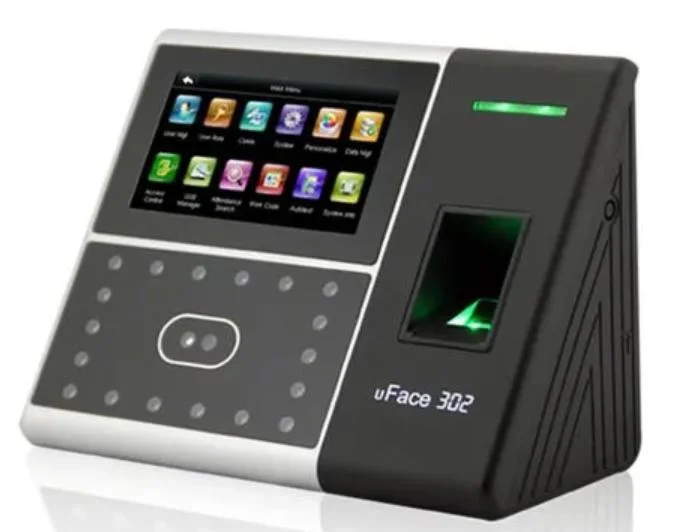
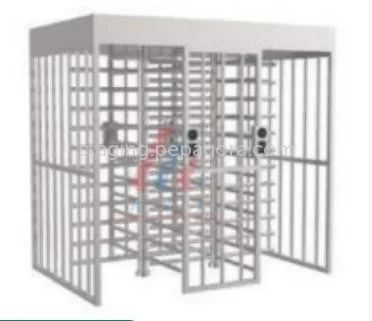
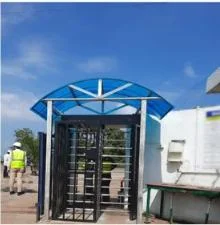
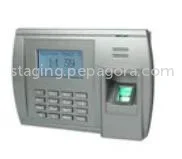
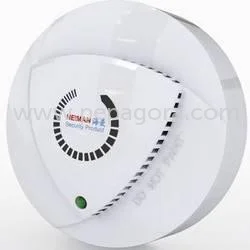
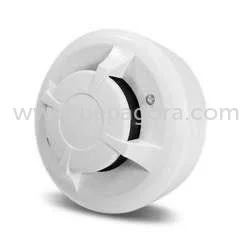
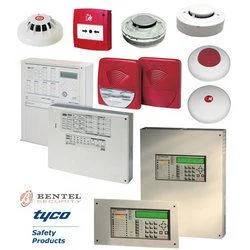
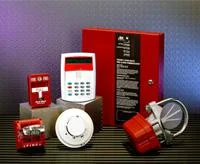
Fire Alarm and Access Control Systems are critical components in building safety and security management. Fire Alarm Systems are designed to detect and alert occupants of a fire through various detection technologies such as smoke detectors, heat detectors, and manual pull stations. These systems ensure timely evacuation and reduce the risk of injury or loss of life. Access Control Systems, on the other hand, regulate who can enter or exit certain areas within a facility, using methods like key cards, biometric scanners, or PIN codes to verify identity.
These systems are widely used in various business applications, including commercial buildings, industrial facilities, educational institutions, and healthcare settings. By integrating fire alarms with access control systems, organizations can enhance safety measures, ensuring that emergency protocols are followed efficiently. The relevance of these systems in today’s market is underscored by increasing regulatory requirements and a growing emphasis on safety and security in workplaces.
𝗞𝗲𝘆 𝗙𝗲𝗮𝘁𝘂𝗿𝗲𝘀 𝗮𝗻𝗱 𝗦𝗽𝗲𝗰𝗶𝗳𝗶𝗰𝗮𝘁𝗶𝗼𝗻𝘀
Fire Alarm and Access Control Systems are distinguished by several key features that enhance their effectiveness and reliability. These features are designed to meet the diverse needs of various industries while ensuring compliance with safety standards.
Key specifications include:
1. Detection Technologies
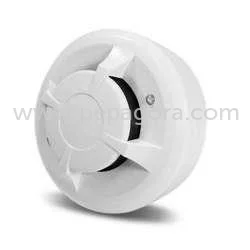
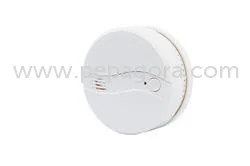
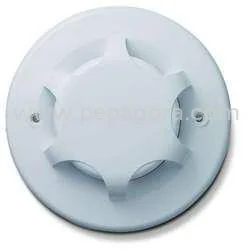
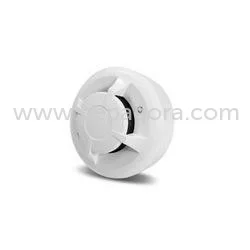
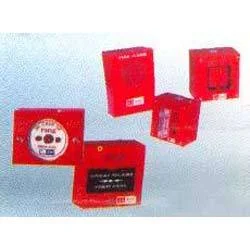
- Utilizes smoke detectors, heat detectors, and manual pull stations
- Can include advanced technologies like multi-sensor detectors
2. Communication Protocols
- Supports protocols such as Addressable, Conventional, and Wireless
- Ensures reliable communication between devices and control panels
3. User Interface
- Features intuitive control panels for easy operation
- May include touchscreen interfaces for enhanced user experience
4. Monitoring Capabilities
- Offers real-time monitoring and alerts
- Capable of remote access via mobile applications or web interfaces
5. Integration Options
- Can integrate with other safety and security systems
- Compatible with building management systems for centralized control
6. Compliance Certification
- Meets industry standards and certifications (e.g., CE)
- Ensures adherence to local and international safety regulations
7. Power Supply
- Equipped with backup power systems for uninterrupted operation
- May include battery backups or generators for critical applications
8. Installation Flexibility
- Designed for both new constructions and retrofit applications
- Allows for scalable solutions to accommodate future expansions
These features ensure that Fire Alarm and Access Control Systems not only provide safety and security but also adaptability to evolving business needs.
𝗖𝗼𝗺𝗺𝗼𝗻 𝗔𝗽𝗽𝗹𝗶𝗰𝗮𝘁𝗶𝗼𝗻𝘀 𝗮𝗻𝗱 𝗨𝘀𝗲 𝗖𝗮𝘀𝗲𝘀
Fire Alarm and Access Control Systems are utilized across a range of industries, each benefiting from tailored applications.
1. Commercial Buildings: These systems ensure occupant safety in offices and retail spaces, providing alerts in case of fire and restricting unauthorized access to sensitive areas.
2. Industrial Facilities: In manufacturing plants, fire alarms protect workers and equipment, while access control systems regulate entry to hazardous environments.
3. Educational Institutions: Schools and universities implement these systems to safeguard students and staff, ensuring controlled access to critical areas and timely fire alerts.
4. Healthcare Settings: Hospitals rely on fire alarm systems for patient safety and access control to secure areas such as pharmacies and laboratories.
5. Government Facilities: These systems are crucial for maintaining security in sensitive government buildings, providing both fire safety and access management.
6. Hospitality Industry: Hotels and resorts utilize these systems to protect guests and staff while managing access to restricted areas such as pools and maintenance rooms.
7. Transportation Hubs: Airports and train stations employ fire alarms and access control systems to ensure the safety of travelers and secure restricted zones.
𝗣𝗿𝗼𝗱𝘂𝗰𝘁 𝗩𝗮𝗿𝗶𝗮𝗻𝘁𝘀 𝗮𝗻𝗱 𝗦𝘂𝗯𝗰𝗮𝘁𝗲𝗴𝗼𝗿𝗶𝗲𝘀
Fire Alarm and Access Control Systems come in various configurations to cater to specific needs.
Standalone Fire Alarm System: This variant operates independently, providing essential fire detection and alarm functionalities within smaller facilities or specific zones.
Integrated Fire Alarm and Access Control System: This advanced variant combines fire detection with access management, allowing for seamless operation and enhanced safety protocols in larger facilities.
Wireless Fire Alarm System: This system eliminates the need for extensive wiring, ideal for retrofits or locations where cabling is challenging. It offers flexibility without compromising on functionality.
𝗕𝗲𝗻𝗲𝗳𝗶𝘁𝘀 𝗮𝗻𝗱 𝗔𝗱𝘃𝗮𝗻𝘁𝗮𝗴𝗲𝘀
Investing in Fire Alarm and Access Control Systems brings numerous advantages to businesses.
1. Enhanced Safety: These systems significantly reduce the risk of fire-related injuries and fatalities while providing secure access to restricted areas.
2. Regulatory Compliance: They help organizations meet legal safety standards, reducing liability and enhancing overall safety credibility.
3. Increased Operational Efficiency: Integrated systems streamline safety procedures, allowing for quicker responses to emergencies and minimizing disruptions.
4. Remote Management: Many modern systems offer remote monitoring capabilities, enabling real-time oversight and control from various locations.
5. Cost-Effectiveness: By reducing the risk of fire damage and unauthorized access, these systems can save organizations money in the long run.
6. Customization Options: Businesses can tailor systems to their specific needs, ensuring maximum effectiveness and alignment with operational goals.
𝗕𝘂𝘆𝗶𝗻𝗴 𝗚𝘂𝗶𝗱𝗲 𝗳𝗼𝗿 𝗕𝟮𝗕 𝗕𝘂𝘆𝗲𝗿𝘀
When sourcing Fire Alarm and Access Control Systems, it is crucial for B2B buyers to consider several important factors.
1. Quality Assessment: Look for systems that meet recognized safety standards and have proven reliability. Conduct thorough research on the manufacturer's reputation and product reviews.
2. Supplier Verification: Vet suppliers carefully to ensure they are reputable and capable of providing the necessary support and service. Consider suppliers with a strong track record in the industry.
3. Pricing and MOQ: Evaluate the cost of systems against your budget and expected return on investment. Be aware of Minimum Order Quantities (MOQ) that may affect your purchasing decisions.
4. Delivery and Lead Times: Confirm delivery timelines and logistics to ensure the systems can be installed when needed. Consider any potential delays due to supply chain issues.
5. Compliance Requirements: Ensure that the systems comply with local regulations and industry standards to avoid legal complications and enhance safety.
𝗖𝗼𝗺𝗽𝗹𝗶𝗮𝗻𝗰𝗲 𝗮𝗻𝗱 𝗖𝗲𝗿𝘁𝗶𝗳𝗶𝗰𝗮𝘁𝗶𝗼𝗻𝘀
Compliance and certifications are essential aspects of Fire Alarm and Access Control Systems. Adhering to relevant quality standards, such as ISO 9001, indicates a commitment to quality management and consistency in product delivery.
Industry certifications, like CE marking, signify that products meet European safety, health, and environmental protection standards. This compliance assures buyers of the system’s reliability and safety.
Safety and testing requirements involve rigorous evaluation processes to ensure systems can effectively respond to fire hazards and security threats. Buyers should also consider regional compliance, as different areas may have unique regulations governing fire safety and access control.
𝗪𝗵𝘆 𝗦𝗼𝘂𝗿𝗰𝗲 𝗙𝗶𝗿𝗲 𝗔𝗹𝗮𝗿𝗺 & 𝗔𝗰𝗰𝗲𝘀𝘀 𝗖𝗼𝗻𝘁𝗿𝗼𝗹 𝗦𝘆𝘀𝘁𝗲𝗺𝘀 𝗳𝗿𝗼𝗺 𝗣𝗲𝗽𝗮𝗴𝗼𝗿𝗮?
Pepagora offers a trusted platform for sourcing Fire Alarm and Access Control Systems, providing multiple advantages that enhance the purchasing experience.
Verified Supplier Network: Pepagora connects buyers with a network of verified suppliers, ensuring that they receive quality products from reputable sources. This verification process helps mitigate risks associated with supplier reliability.
Streamlined RFQ Process: The Request for Quotation (RFQ) system simplifies the procurement process, allowing buyers to easily request and compare quotes from multiple suppliers, saving time and effort.
Trade Assurance and Support: Pepagora provides trade assurance to protect buyers, ensuring that transactions are secure and that support is available throughout the purchasing process.
Regional Coverage: With a broad geographic reach, including India, the GCC, and Southeast Asia, Pepagora caters to a variety of markets, ensuring that buyers can find suitable products tailored to their regional needs.

 IN
IN