
 IN
INSustainable & Eco-Friendly Products
221 products available
𝗪𝗵𝗮𝘁 𝗮𝗿𝗲 𝗦𝘂𝘀𝘁𝗮𝗶𝗻𝗮𝗯𝗹𝗲 & 𝗘𝗰𝗼-𝗙𝗿𝗶𝗲𝗻𝗱𝗹𝘆 𝗣𝗿𝗼𝗱𝘂𝗰𝘁𝘀?
Sustainable and eco-friendly products are items designed to minimize environmental impact throughout their lifecycle. These products are typically made from renewable resources and are manufactured using processes that reduce waste, energy consumption, and pollution. The goal is to create products that not only serve their intended purpose but also contribute to the preservation of the planet for future generations.
In a business context, sustainable and eco-friendly products find applications across various industries including manufacturing, construction, and consumer goods. They are used to replace traditional products that may harm the environment, such as single-use plastics or non-recyclable materials. Companies are increasingly turning to these products as part of their corporate social responsibility initiatives, aiming to appeal to environmentally conscious consumers and comply with regulatory standards.
The market for sustainable and eco-friendly products is expanding rapidly. As consumers and businesses alike become more aware of environmental issues, there is a growing demand for green alternatives. This trend is influencing procurement strategies, with many organizations prioritizing sustainability in their supply chains. The industrial sector, in particular, is seeing a shift towards eco-friendly materials and technologies that align with global sustainability goals.
𝗞𝗲𝘆 𝗙𝗲𝗮𝘁𝘂𝗿𝗲𝘀 𝗮𝗻𝗱 𝗦𝗽𝗲𝗰𝗶𝗳𝗶𝗰𝗮𝘁𝗶𝗼𝗻𝘀
Sustainable and eco-friendly products come with a variety of features that make them suitable for modern business needs. These products are designed to meet specific sustainability standards while ensuring functionality and performance.
Key specifications include:
1. Material Composition
- Made from renewable resources or recycled materials
- Typically free from harmful chemicals
2. Energy Efficiency
- Designed to use less energy during production and use
- Compliance with energy efficiency standards
3. Biodegradability
- Capable of breaking down naturally in the environment
- Reduces landfill waste
4. Recyclability
- Able to be recycled at the end of their lifecycle
- Supports a circular economy
5. Durability
- Built to last, minimizing the need for frequent replacements
- Ensures long-term use and reduces waste
6. Certifications
- Often certified by recognized bodies for environmental standards
- Includes labels such as CE to indicate compliance
In summary, the specifications of sustainable and eco-friendly products highlight their contribution to reducing environmental impact while maintaining high performance.
𝗖𝗼𝗺𝗺𝗼𝗻 𝗔𝗽𝗽𝗹𝗶𝗰𝗮𝘁𝗶𝗼𝗻𝘀 𝗮𝗻𝗱 𝗨𝘀𝗲 𝗖𝗮𝘀𝗲𝘀
Sustainable and eco-friendly products are essential in various industries, each utilizing these products in distinct ways.
1. Construction: Eco-friendly materials are used in building projects to reduce carbon footprints and promote energy efficiency.
2. Manufacturing: Sustainable raw materials are integrated into production processes to minimize waste and emissions.
3. Packaging: Many companies are shifting to biodegradable or recyclable packaging options to enhance sustainability.
4. Agriculture: Eco-friendly products such as organic fertilizers and pest control methods are used to promote sustainable farming practices.
5. Consumer Goods: Brands are increasingly offering products made from sustainable materials to cater to environmentally conscious consumers.
Overall, these products play a crucial role in promoting sustainability across multiple sectors, driving innovation and environmental responsibility.
𝗣𝗿𝗼𝗱𝘂𝗰𝘁 𝗩𝗮𝗿𝗶𝗮𝗻𝘁𝘀 𝗮𝗻𝗱 𝗦𝘂𝗯𝗰𝗮𝘁𝗲𝗴𝗼𝗿𝗶𝗲𝘀
Sustainable and eco-friendly products encompass a diverse range of variants tailored to meet different business needs.
Biodegradable Packaging
This variant offers a sustainable alternative to traditional plastic packaging. Made from plant-based materials, it decomposes naturally, reducing environmental impact and waste.
Recycled Building Materials
These materials are sourced from post-consumer waste, repurposed for construction projects. They provide durability while minimizing resource extraction.
Eco-Friendly Cleaning Supplies
This variant includes cleaning products made from natural ingredients. They are effective yet safe for the environment, appealing to businesses focused on health and sustainability.
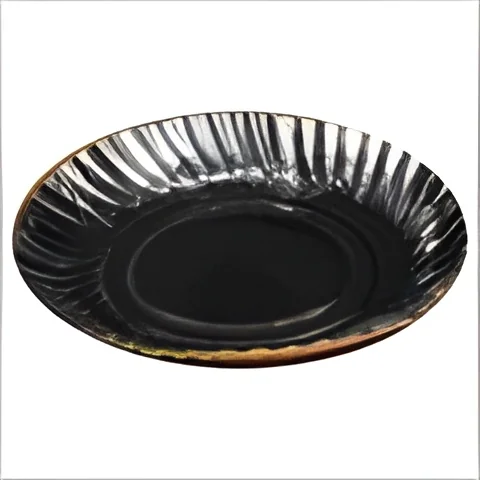
Compostable Tableware
Ideal for the foodservice industry, these products break down in composting environments, providing a sustainable option for disposable items.
𝗕𝗲𝗻𝗲𝗳𝗶𝘁𝘀 𝗮𝗻𝗱 𝗔𝗱𝘃𝗮𝗻𝘁𝗮𝗴𝗲𝘀
Choosing sustainable and eco-friendly products offers numerous advantages for businesses.
1. Environmental Impact: By using these products, companies contribute to reducing pollution and conserving natural resources.
2. Cost Savings: Over time, sustainable products can lead to lower energy and waste disposal costs, improving the bottom line.
3. Brand Reputation: Companies that prioritize sustainability enhance their brand image, attracting environmentally conscious customers.
4. Regulatory Compliance: Utilizing eco-friendly products helps businesses comply with increasingly stringent environmental regulations.
5. Innovation: Engaging with sustainable products encourages innovation and the development of new solutions within the industry.
6. Employee Satisfaction: Companies committed to sustainability often report higher employee morale and retention, as workers feel proud to be part of an environmentally responsible organization.
𝗕𝘂𝘆𝗶𝗻𝗴 𝗚𝘂𝗶𝗱𝗲 𝗳𝗼𝗿 𝗕𝟮𝗕 𝗕𝘂𝘆𝗲𝗿𝘀
When considering the purchase of sustainable and eco-friendly products, B2B buyers should take several factors into account.
1. Quality Assessment: Evaluate the quality of the products based on certifications and performance metrics to ensure they meet business needs.
2. Supplier Verification: Conduct thorough research on suppliers to confirm their credibility and commitment to sustainability practices.
3. Pricing and MOQ: Understand the pricing structures and minimum order quantities to align with your budget and operational requirements.
4. Delivery and Lead Times: Assess logistics capabilities and expected delivery schedules to ensure timely access to products.
5. Compliance Requirements: Be aware of any regulatory standards applicable to the products, ensuring they meet necessary compliance guidelines.
𝗖𝗼𝗺𝗽𝗹𝗶𝗮𝗻𝗰𝗲 𝗮𝗻𝗱 𝗖𝗲𝗿𝘁𝗶𝗳𝗶𝗰𝗮𝘁𝗶𝗼𝗻𝘀
Sustainable and eco-friendly products must adhere to various quality standards and certifications. These include ISO 9001, which focuses on quality management systems, and HACCP, which is essential for food safety.
Additionally, many products carry industry certifications such as CE, indicating compliance with European safety standards. Safety and testing requirements are crucial to guarantee that the products perform as intended without posing risks to users or the environment.
Regional compliance considerations also play a vital role, as different regions may have specific regulations governing sustainable practices. Companies must stay informed about these requirements to ensure their products are compliant.
𝗪𝗵𝘆 𝗦𝗼𝘂𝗿𝗰𝗲 𝗦𝘂𝘀𝘁𝗮𝗶𝗻𝗮𝗯𝗹𝗲 & 𝗘𝗰𝗼-𝗙𝗿𝗶𝗲𝗻𝗱𝗹𝘆 𝗣𝗿𝗼𝗱𝘂𝗰𝘁𝘀 𝗳𝗿𝗼𝗺 𝗣𝗲𝗽𝗮𝗴𝗼𝗿𝗮?
Pepagora provides a trusted platform for sourcing sustainable and eco-friendly products, offering several key advantages for businesses looking to enhance their sustainability initiatives.
Verified Supplier Network: Pepagora connects buyers with a network of verified suppliers committed to environmentally friendly practices. This ensures that businesses can source high-quality products with confidence.
Streamlined RFQ Process: The platform simplifies the request for quotation process, allowing buyers to easily compare options and make informed purchasing decisions.
Trade Assurance and Support: Pepagora offers trade assurance, providing protection for buyers throughout the procurement process. This support helps foster trust and reliability in transactions.
Regional Coverage: With a geographic reach that includes India, the GCC, and Southeast Asia, Pepagora enables businesses to access a wide variety of sustainable products tailored to their specific regional needs.
By choosing Pepagora, companies can confidently source sustainable and eco-friendly products that align with their values and operational goals.























Frequently Asked Questions
What are Sustainable & Eco-Friendly Products?
Sustainable & Eco-Friendly Products are items designed to minimize environmental impact. They are made from renewable resources, use less energy in production, and are often biodegradable or recyclable.
What are the different types of Sustainable & Eco-Friendly Products?
Various types of Sustainable & Eco-Friendly Products include biodegradable packaging, organic textiles, renewable energy solutions, and eco-friendly cleaning supplies. Each category addresses specific environmental concerns and promotes sustainable practices.
How do I choose the right Sustainable & Eco-Friendly Products?
When choosing Sustainable & Eco-Friendly Products, consider the materials used, the manufacturing processes, and the product's lifecycle. Additionally, look for certifications that indicate environmental compliance and sustainability.
What are the standard specifications for Sustainable & Eco-Friendly Products?
Standard specifications for Sustainable & Eco-Friendly Products often include guidelines on material sourcing, energy efficiency, and recyclability. Compliance with international standards like ISO 14021 can also be a factor in product selection.
What is the price range for Sustainable & Eco-Friendly Products?
The price range for Sustainable & Eco-Friendly Products can vary widely based on the type and manufacturer. Generally, prices can range from affordable options to premium products, reflecting their quality and sustainability features.
What quality standards apply to Sustainable & Eco-Friendly Products?
Quality standards for Sustainable & Eco-Friendly Products include certifications such as FSC for wood products, GOTS for organic textiles, and Energy Star for energy-efficient appliances. These standards ensure that products meet specific environmental and safety criteria.
Where can I find Sustainable & Eco-Friendly Products suppliers in India?
You can find Sustainable & Eco-Friendly Products suppliers in India through online B2B marketplaces like Pepagora.com. Additionally, local trade shows and industry directories can provide valuable contacts.
Can Sustainable & Eco-Friendly Products be customized?
Yes, many manufacturers offer customization options for Sustainable & Eco-Friendly Products. Customization can include size, design, and packaging to meet specific business needs and branding requirements.
What is the typical minimum order quantity for Sustainable & Eco-Friendly Products?
The typical minimum order quantity (MOQ) for Sustainable & Eco-Friendly Products varies by supplier and product type. Generally, MOQs can range from a few dozen to several hundred units, depending on the manufacturer's policies.
What is the typical lead time for Sustainable & Eco-Friendly Products?
The typical lead time for Sustainable & Eco-Friendly Products can range from a few weeks to several months. Factors affecting lead time include product availability, customization requests, and shipping logistics.
Why Businesses Trust Pepagora
Thousands of companies trust Pepagora to source smarter and sell faster
Expand Your Sales Globally

Source Smarter,Grow Faster
