
 IN
IN₹
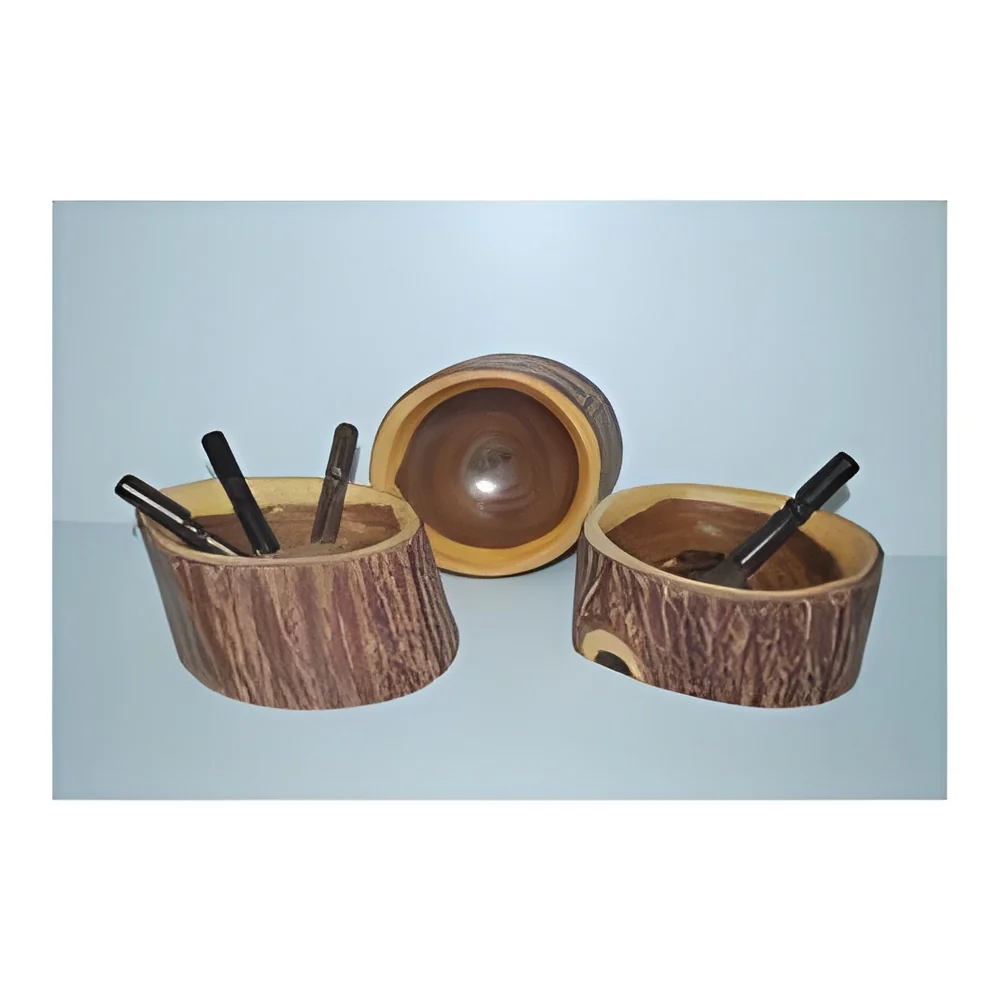
Biodegradable Tableware (Plates, Bowls, Cutlery)
21 products available
Key Features and Specifications
Biodegradable tableware comes with several key features that enhance its usability and appeal. Understanding these specifications is crucial for businesses choosing the right products for their needs.
Key specifications include:
1. Material Composition
- Made from renewable resources such as cornstarch, sugarcane, or bamboo.
- Designed to decompose within a certain time frame, reducing landfill impact.
2. Temperature Resistance
- Suitable for serving hot and cold foods.
- Typically withstands temperatures ranging from 0 to 100 degrees Celsius.
3. Weight Capacity
- Varies by product type, typically designed to hold a specific weight without bending or breaking.
- Ideal for various food types, from light salads to heavier entrees.
4. Size Variations
- Available in multiple sizes for different serving needs.
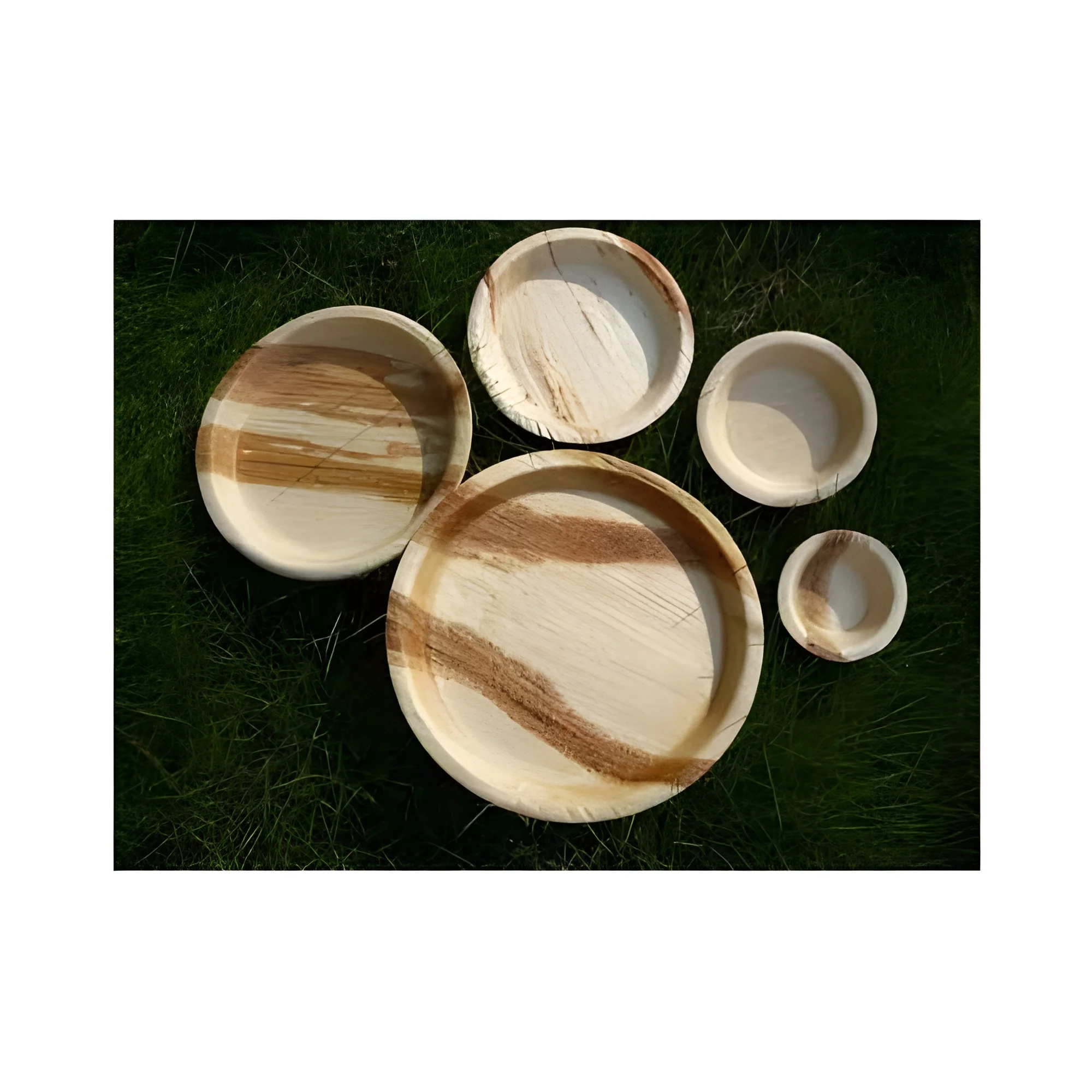
- Common sizes include 6-inch, 9-inch, and 12-inch plates, as well as various bowl sizes.
5. Customizability
- Options for printing or branding for businesses to enhance their marketing.
- Can be tailored to meet specific customer requirements.
6. Packaging
- Often sold in bulk packaging to reduce waste.
- Eco-friendly packaging options are available.
7. Certifications
- Compliant with industry standards such as CE certification for safety.
- Assures users of quality and environmental compliance.
8. Shelf Life
- Typically has a shelf life of 2-3 years if stored properly.
- Best kept in a cool, dry environment to maintain integrity.
These specifications ensure that businesses can select the most suitable biodegradable tableware for their operational needs while also committing to sustainability.
Common Applications and Use Cases
Biodegradable tableware is versatile and serves various industries effectively.
1. Food Service Industry: Restaurants and cafes use biodegradable tableware for takeout and delivery services, appealing to environmentally conscious consumers.
2. Catering Services: Event caterers utilize biodegradable plates and cutlery for outdoor events, weddings, and parties, providing a convenient and eco-friendly option.
3. Food Trucks: Mobile food vendors often prefer biodegradable products to enhance their green initiatives while offering practical solutions for serving food.
4. Educational Institutions: Schools and universities adopt biodegradable tableware for cafeteria services to promote sustainability among students.
5. Festivals and Events: Outdoor festivals and community events leverage biodegradable tableware to minimize waste and promote eco-friendly practices among attendees.
6. Healthcare Facilities: Hospitals and clinics use biodegradable options in cafeterias and patient dining to support waste reduction goals.
7. Retail Stores: Grocery stores and markets offer biodegradable tableware for customers purchasing takeout food, aligning with sustainable shopping trends.
Product Variants and Subcategories
Biodegradable tableware comes in various formats, allowing businesses to choose based on their specific needs.
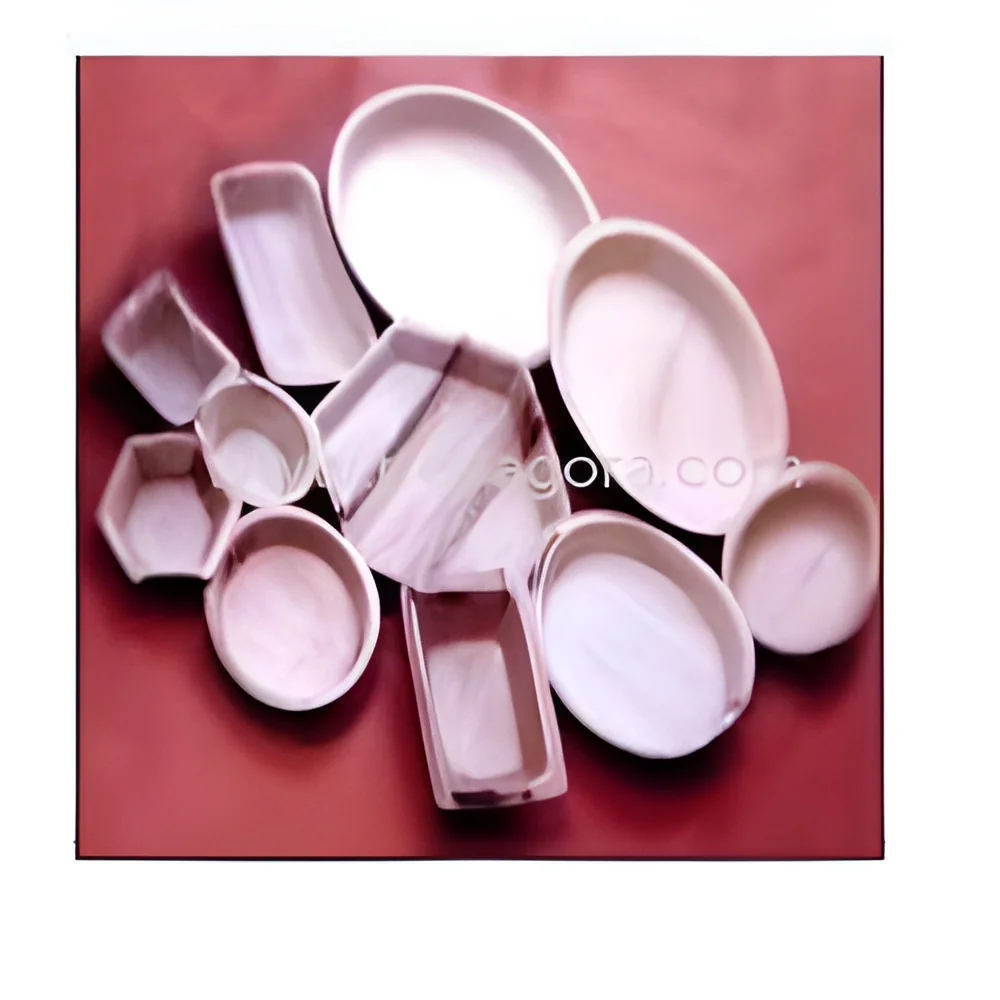
Plates
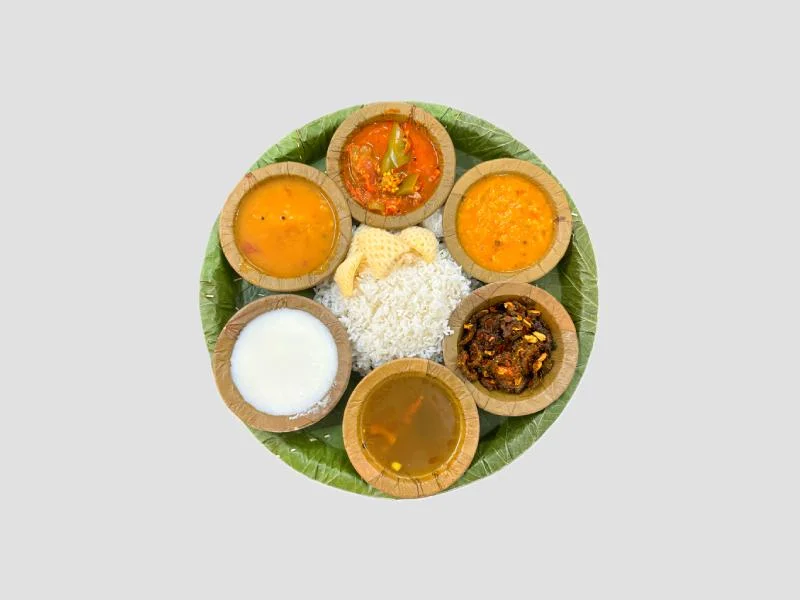
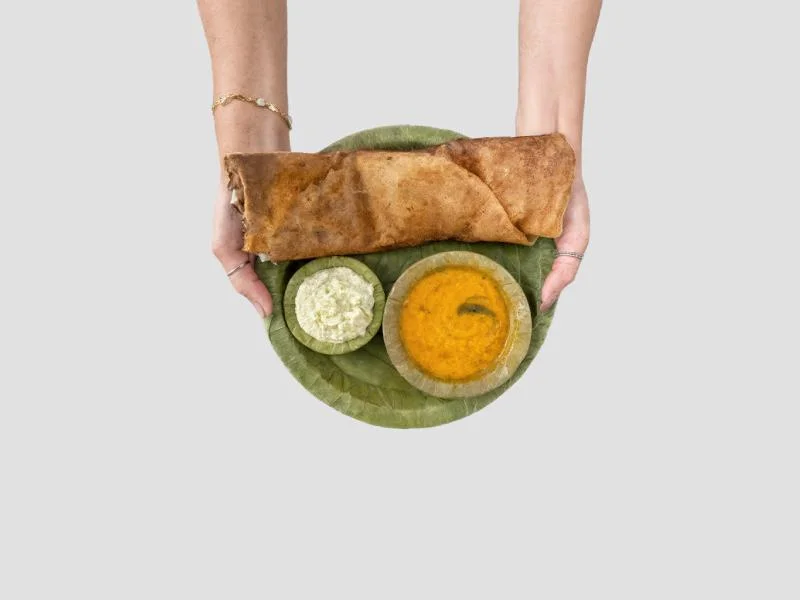
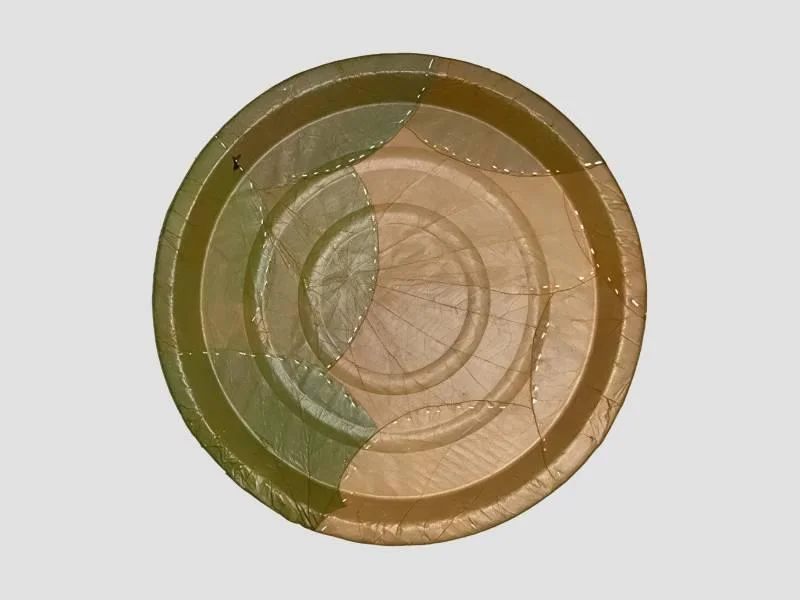
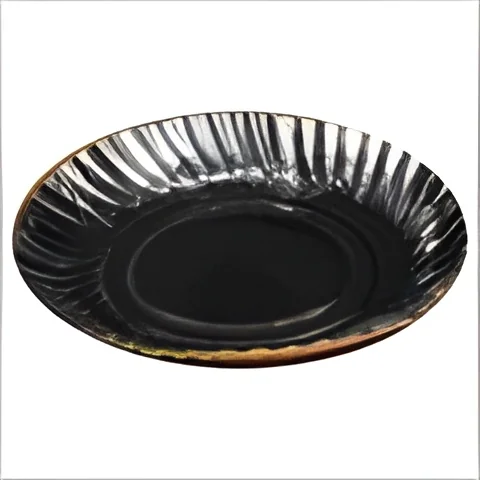
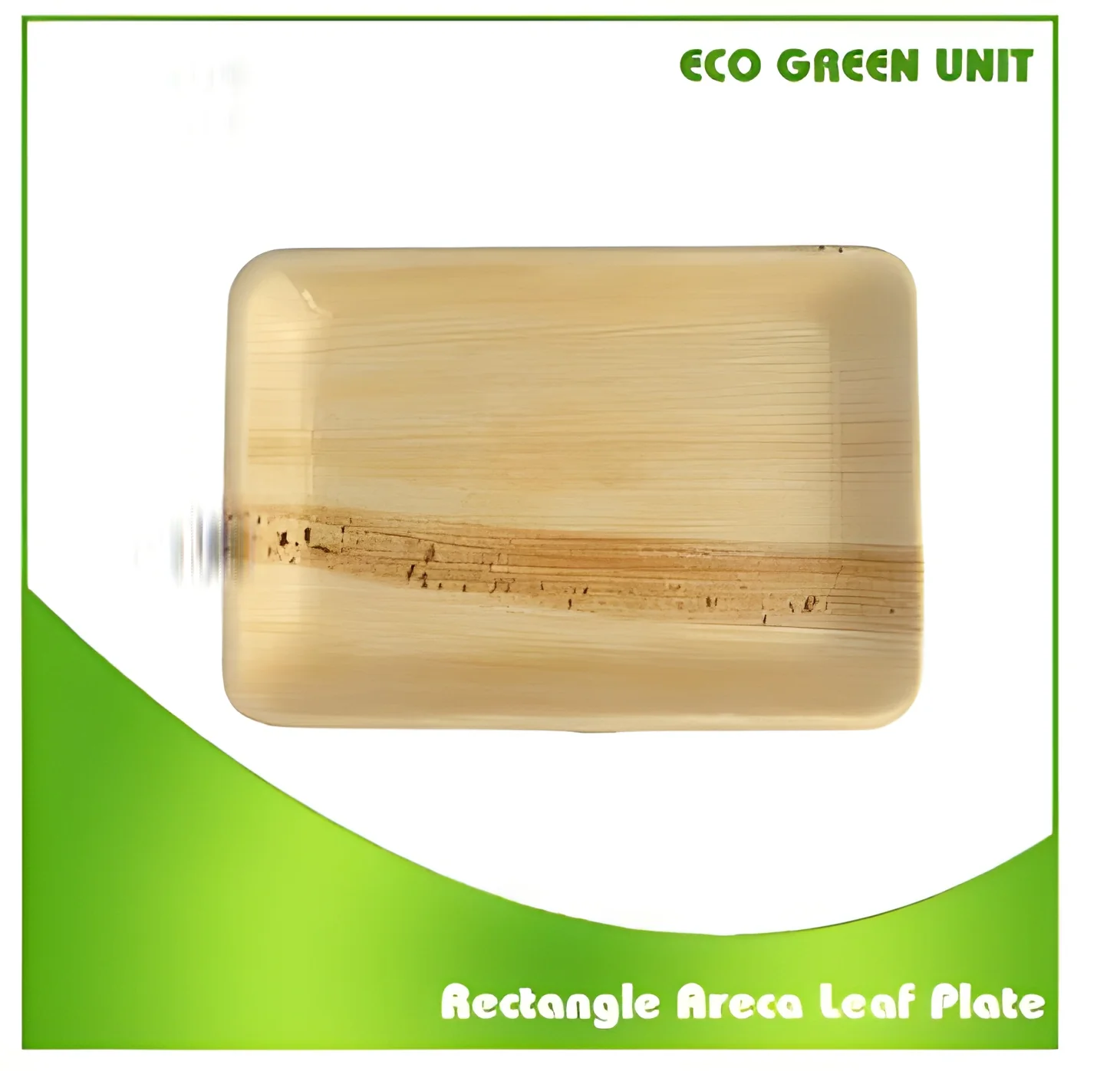
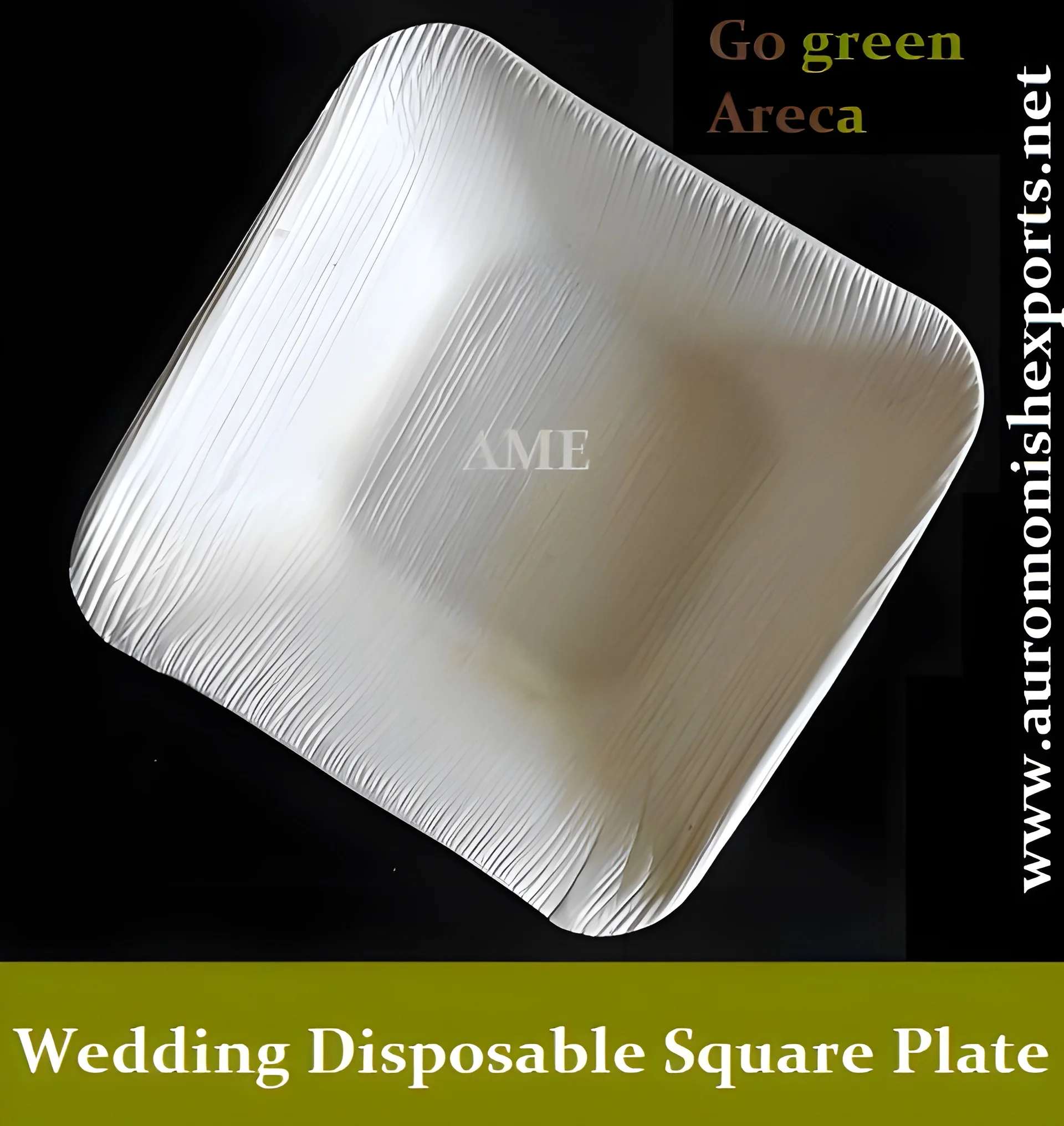
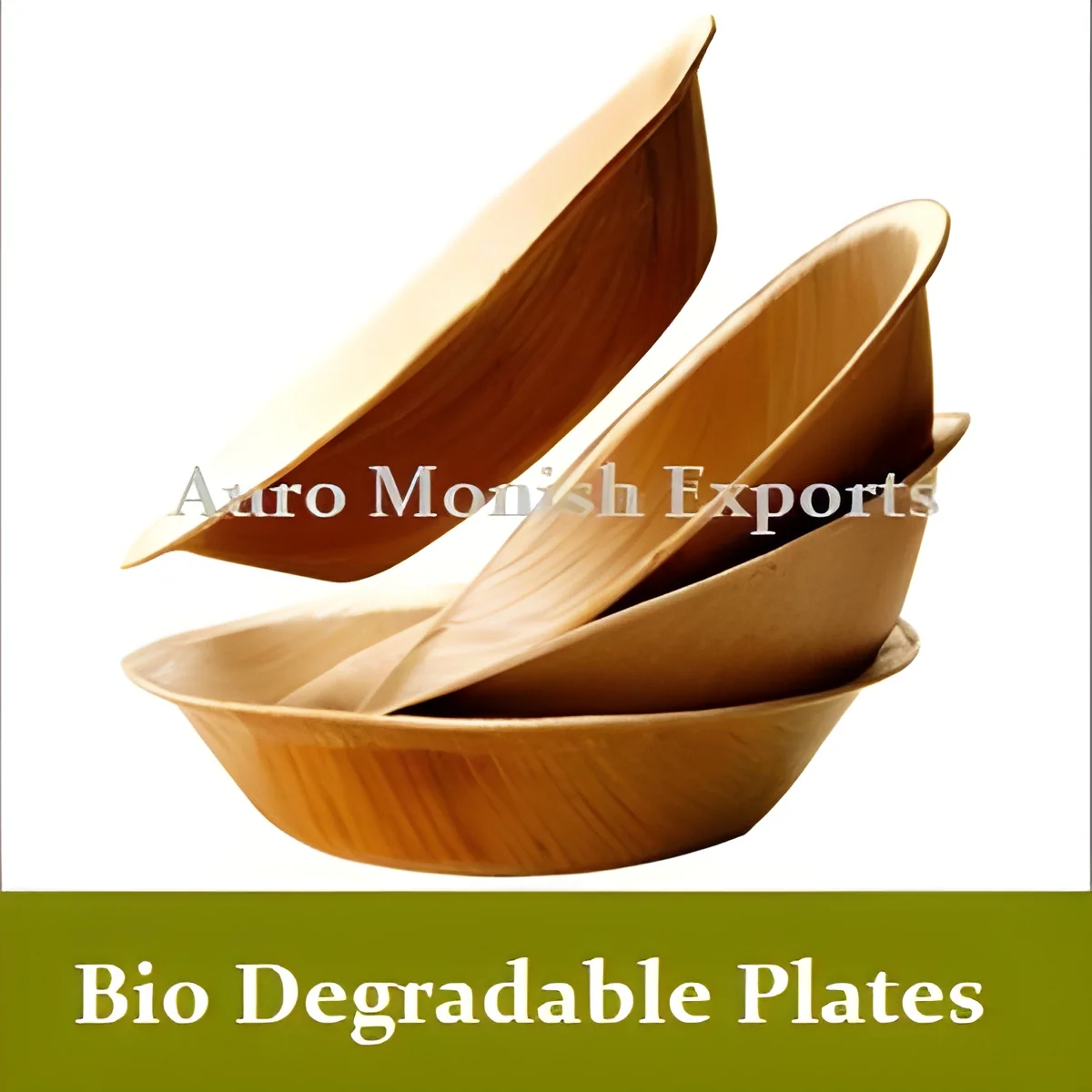
These are available in different sizes and shapes, suitable for various cuisines. They are designed to hold a variety of food types, from appetizers to main courses.
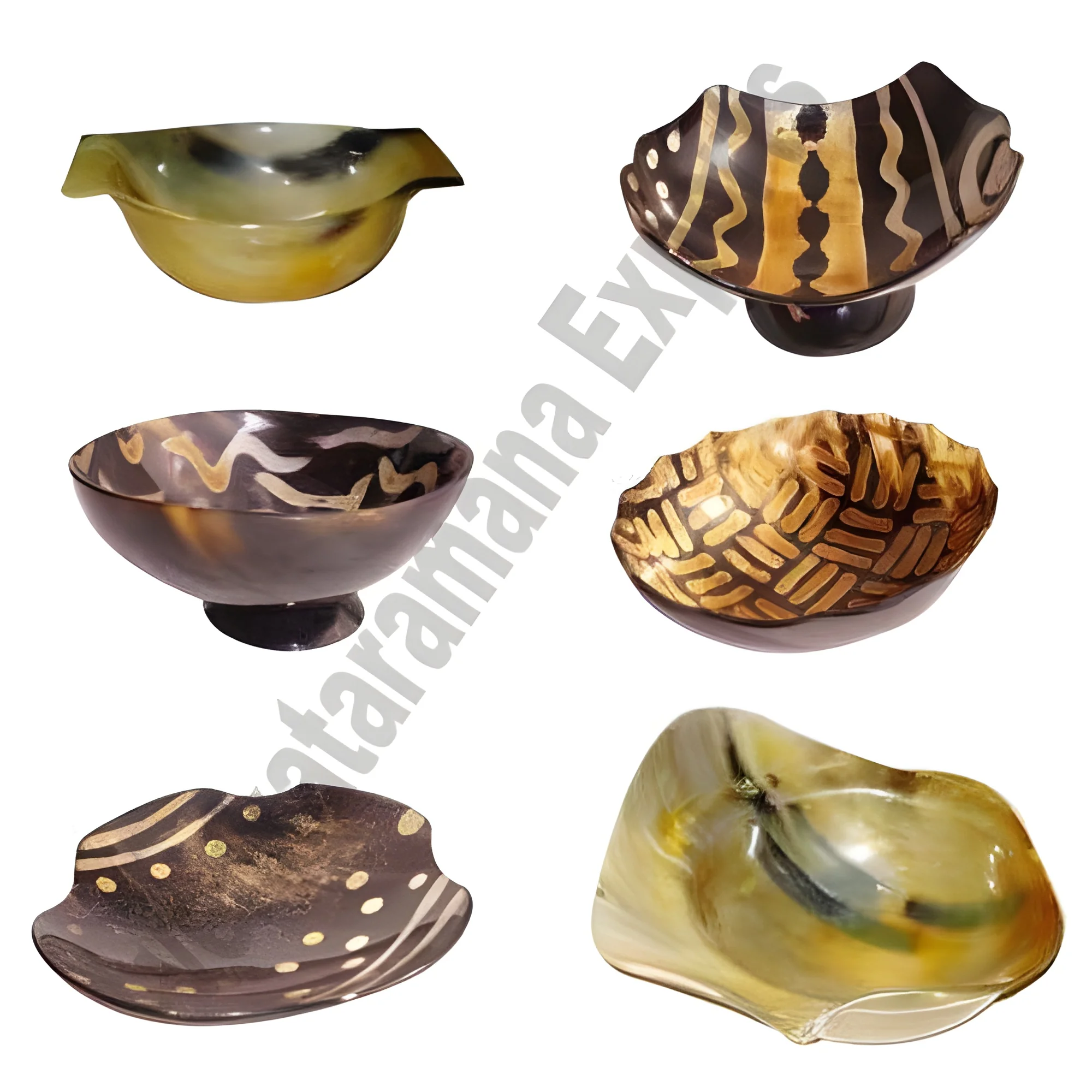
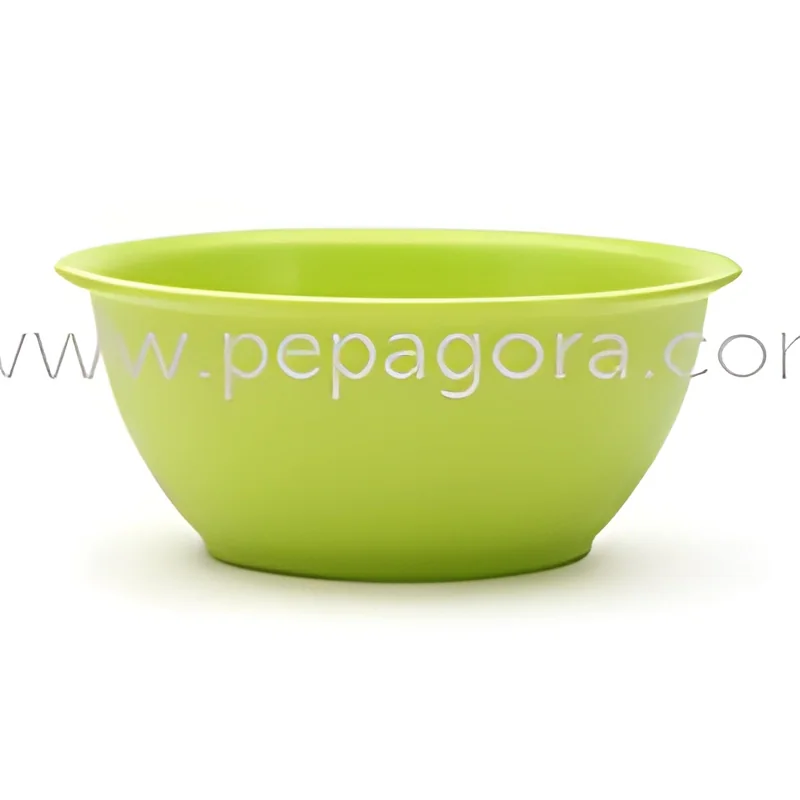
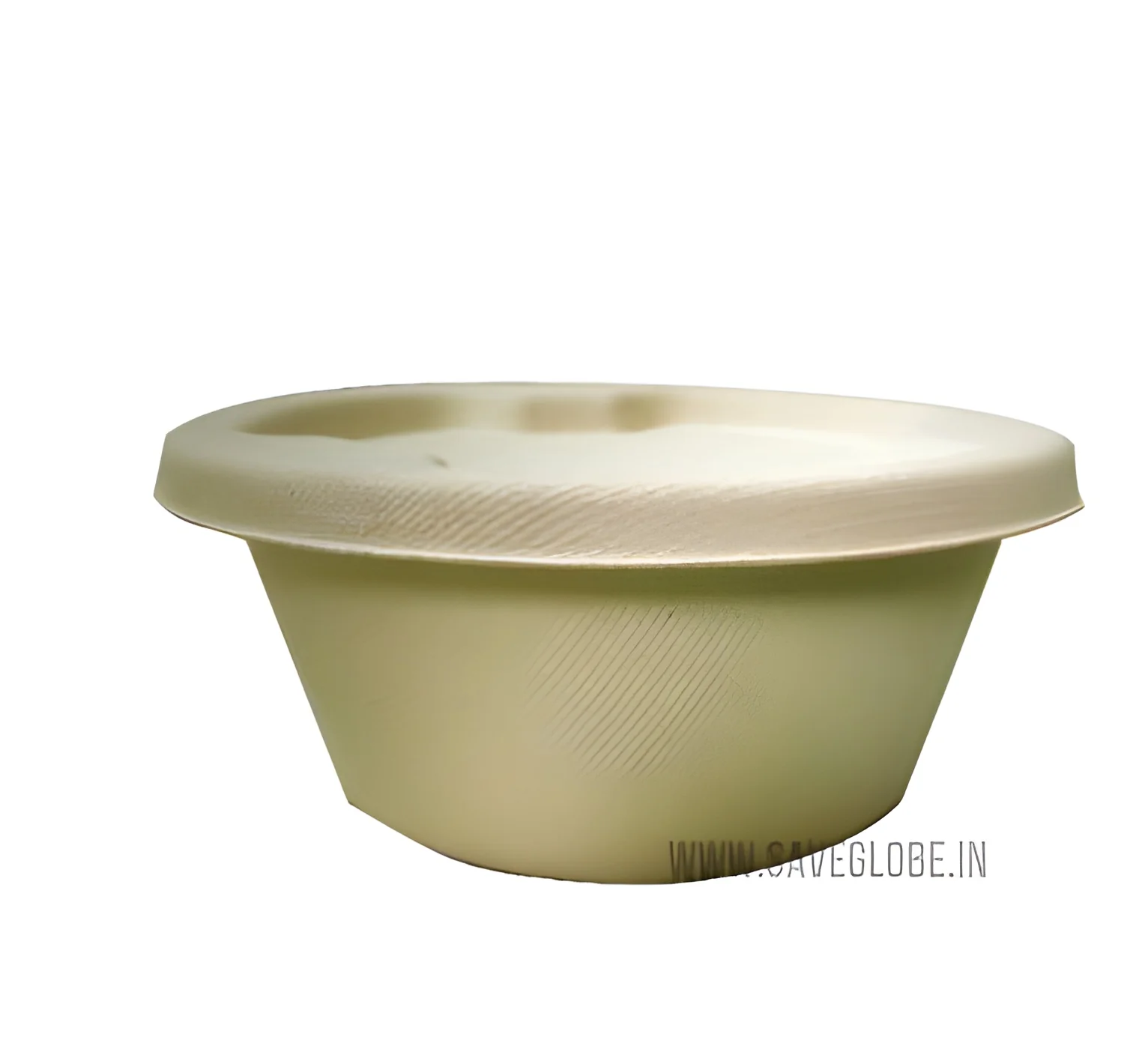
Bowls
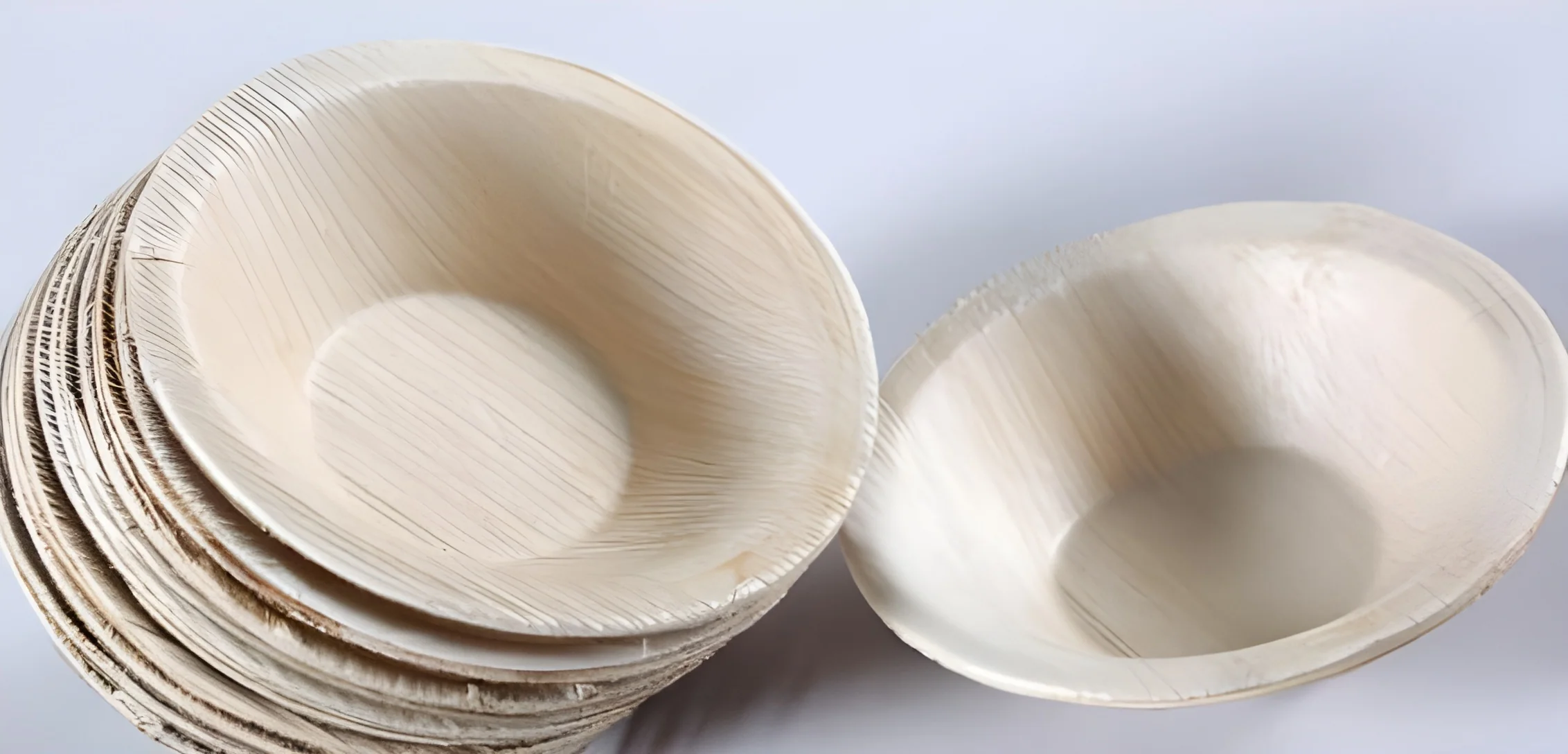
Biodegradable bowls are perfect for salads, soups, and desserts. They come in multiple sizes and are made to prevent leakage, ensuring food safety.
Cutlery
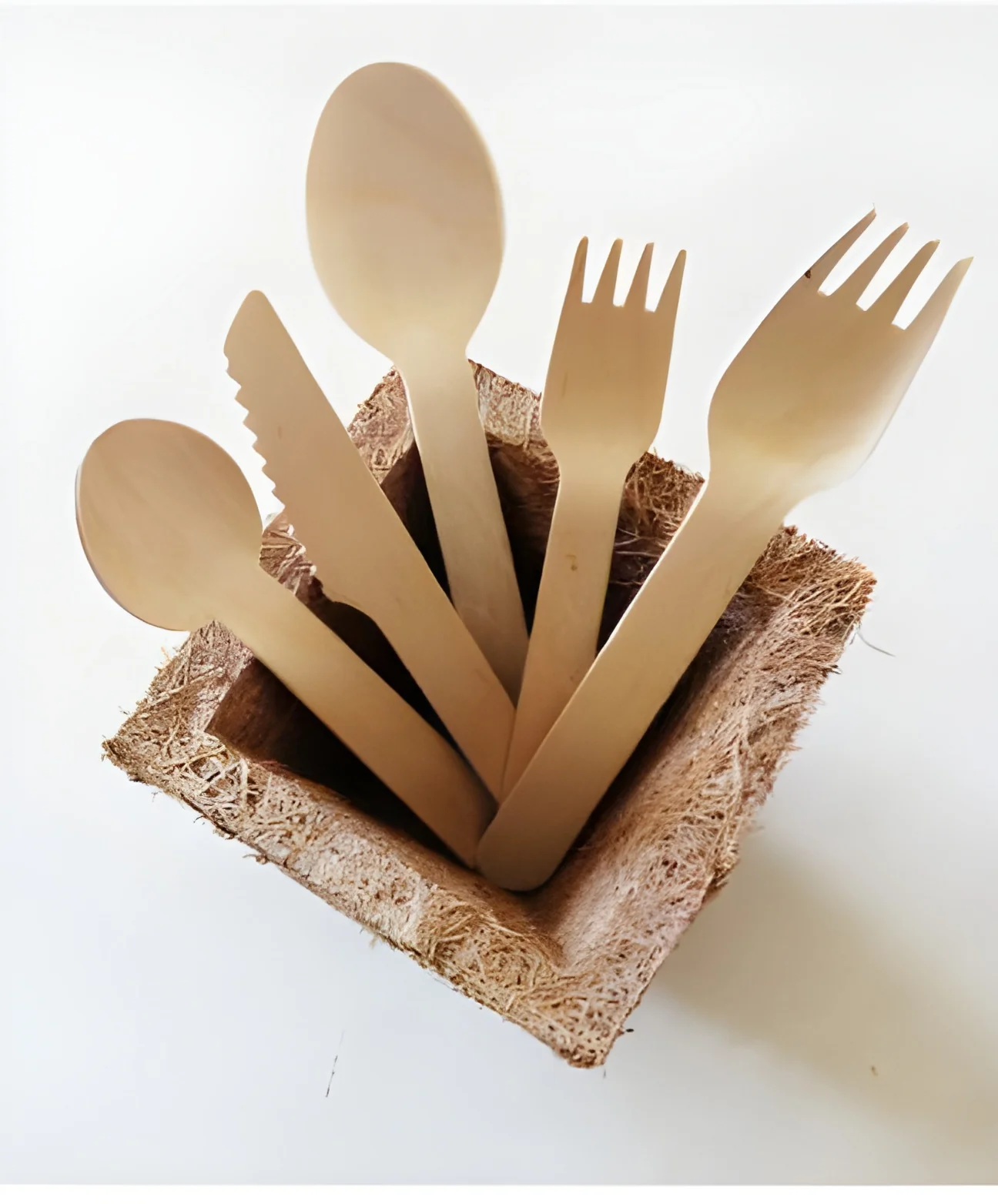
This includes forks, knives, and spoons made from biodegradable materials. They are sturdy enough for different food types and provide a complete dining experience.
Benefits and Advantages
Choosing biodegradable tableware offers significant advantages for businesses.
1. Environmental Impact: These products help reduce plastic waste and promote sustainability, appealing to eco-conscious consumers.
2. Compliance with Regulations: Using biodegradable options helps businesses comply with increasing regulations against plastic usage.
3. Positive Brand Image: Companies that adopt eco-friendly products can enhance their reputation and attract customers who prioritize sustainability.
4. Convenience: Biodegradable tableware is lightweight and easy to use, making it ideal for various service settings, including events and takeout.
5. Cost-Effectiveness: While initially more expensive than traditional plastic, the long-term benefits of sustainability can lead to cost savings through reduced waste disposal fees.
6. Health Safety: Many biodegradable options are made from food-safe materials, ensuring that they do not leach harmful chemicals into food.
Buying Guide for B2B Buyers
When sourcing biodegradable tableware, businesses should consider several key factors.
1. Quality Assessment: Evaluate the quality of materials and durability. Look for products that can withstand various food types and temperatures without compromising performance.
2. Supplier Verification: Research potential suppliers to ensure they are reputable and provide high-quality biodegradable products. Check for certifications and customer reviews.
3. Pricing and MOQ: Understand the pricing structure and minimum order quantities. This will help in budgeting and ensuring that the supplier meets your business needs.
4. Delivery and Lead Times: Confirm supplier delivery timelines to ensure that products arrive when needed. Consider logistics and the potential impact on operations.
5. Compliance Requirements: Ensure that the products meet local and international regulations regarding biodegradability and safety standards.
Compliance and Certifications
Biodegradable tableware must meet various quality standards to ensure safety and environmental compliance.
Relevant quality standards include ISO 9001, which focuses on maintaining quality management systems. HACCP (Hazard Analysis and Critical Control Points) ensures food safety, while GDP (Good Distribution Practice) is essential for maintaining product integrity during transport.
Industry certifications, such as CE certification, affirm that products meet European safety and health standards. This is particularly important for businesses looking to market their products in international markets.
Safety and testing requirements are crucial to guarantee that biodegradable tableware does not leach harmful substances into food and that it can withstand necessary usage conditions.
Regional compliance considerations may vary, so businesses must be aware of specific regulations in their operating regions.
Why Source Biodegradable Tableware (Plates, Bowls, Cutlery) from Pepagora?
Pepagora offers a trusted platform for sourcing biodegradable tableware, providing businesses with several key advantages.
Verified Supplier Network: Pepagora connects buyers with a network of verified suppliers, ensuring that all products meet required quality and safety standards. This reduces the risk of sourcing subpar products.
Streamlined RFQ Process: The platform facilitates an efficient Request for Quotation (RFQ) process, allowing businesses to easily compare offers and select the best options for their needs.
Trade Assurance and Support: Buyers benefit from trade assurance policies that protect their transactions. Pepagora provides support throughout the sourcing process, helping to address any challenges that may arise.
Regional Coverage: With a strong presence in India, the GCC, and Southeast Asia, Pepagora ensures businesses can find reliable suppliers within their geographic region, enhancing logistics and communication.
By sourcing biodegradable tableware from Pepagora, businesses can align their operational practices with sustainability goals while ensuring quality and reliability.
Newly Added


Frequently Asked Questions
1
What is Biodegradable Tableware (Plates, Bowls, Cutlery)?
Biodegradable Tableware (Plates, Bowls, Cutlery) is a product offered by global suppliers on Pepagora.
2
How do I find suppliers for Biodegradable Tableware (Plates, Bowls, Cutlery)?
Use Pepagora's search and filter options to find verified suppliers.
3
Can I request a quote for Biodegradable Tableware (Plates, Bowls, Cutlery)?
Yes, use the RFQ feature to request quotes from multiple suppliers.
4
Is Biodegradable Tableware (Plates, Bowls, Cutlery) available in multiple languages?
Pepagora supports multilingual catalogs for global buyers.
5
What trust signals are available for Biodegradable Tableware (Plates, Bowls, Cutlery)?
Look for TruBadge, RFQ, and multilingual support on supplier profiles.
Why Businesses Trust Pepagora
Thousands of companies trust Pepagora to source smarter and sell faster
Expand Your Sales Globally
25000+Products listed.Get discovered by global buyers
Tools to boost visibility
Build your own catalog

Source Smarter,Grow Faster
4000+Active RFQs
100+ Countries served
Easy Sourcing Tools
