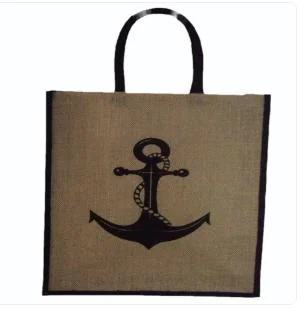
What are Recycled Fabric Bags?
Recycled fabric bags are eco-friendly alternatives to traditional plastic bags, crafted from materials that have been repurposed from post-consumer waste. These bags are designed to reduce environmental impact while maintaining durability and functionality. The manufacturing process involves collecting used textiles, cleaning and processing them, and then weaving or stitching them into bags suitable for various purposes.
The primary applications of recycled fabric bags span across numerous industries, including retail, packaging, and promotional events. Businesses utilize these bags for carrying goods, as shopping bags, or as promotional items that highlight their commitment to sustainability. The increasing consumer demand for environmentally responsible products has made recycled fabric bags a popular choice among companies looking to enhance their green credentials.
In the current market context, the relevance of recycled fabric bags continues to grow as more industries prioritize sustainability in their operations. Government regulations aimed at reducing plastic waste further encourage the adoption of these bags. With the rising trend of eco-conscious consumerism, businesses that incorporate recycled fabric bags into their practices can enhance brand loyalty and attract a broader customer base.
Key Features and Specifications
Recycled fabric bags come with a variety of features and specifications that make them suitable for diverse applications. Understanding these specifications is crucial for businesses looking to source the right products.
Key specifications include:
1. Material Composition
- Made from recycled textiles
- Typically includes cotton, polyester, or blends
2. Load Capacity
- Varies based on bag size and material strength
- Generally capable of holding 5 to 20 kilograms
3. Dimensions
- Available in various sizes, from small tote bags to large shopping bags
- Common dimensions include 30 x 40 cm, 35 x 50 cm, and custom sizes
4. Handle Type
- Options include short handles, long shoulder straps, and reinforced handles
- Design influences comfort and usability
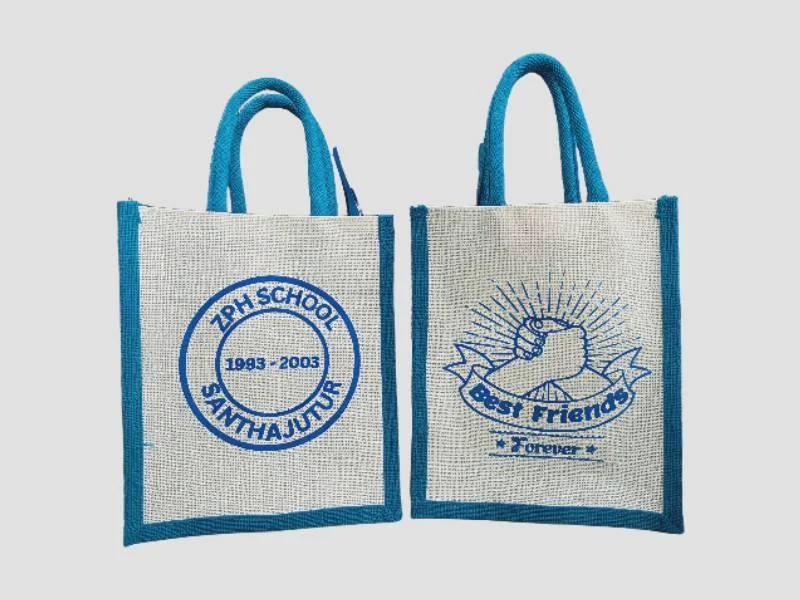
5. Printing and Customization
- Available for branding with logos and designs
- Various printing methods, including screen printing and digital printing
6. Reusability
- Designed for multiple uses
- Durable enough to withstand regular wear and tear
7. Eco-friendly Certifications
- Often certified by environmental standards
- Certification examples include CE marking
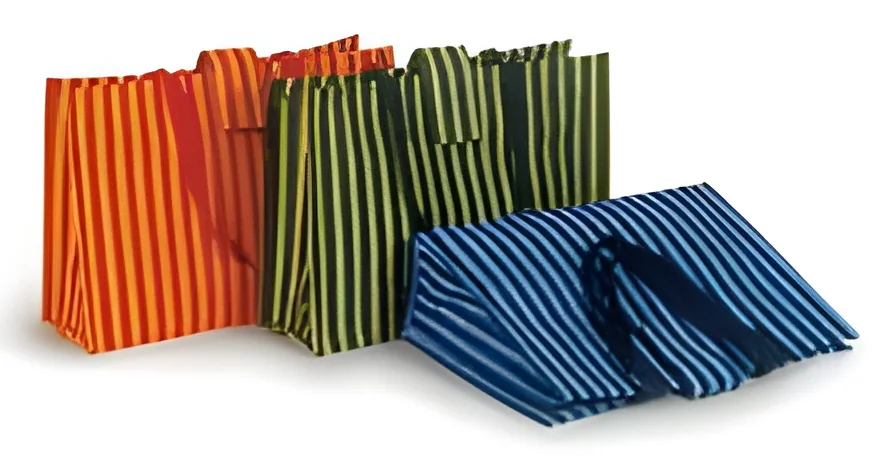
8. Color Options
- Wide range of colors available
- Custom color options may be offered based on order size
In summary, recycled fabric bags provide a versatile and sustainable option for businesses. With a range of specifications, these bags can meet various needs while emphasizing environmental responsibility.
Common Applications and Use Cases
Recycled fabric bags serve multiple industries and applications, reflecting their versatility and sustainability.
1. Retail: Retail businesses use recycled fabric bags as shopping bags to promote eco-friendly practices. These bags not only serve a functional purpose but also enhance the brand image.
2. Events and Promotions: Companies often distribute recycled fabric bags at events or trade shows as promotional items. This helps raise awareness of sustainability while providing a practical gift.
3. Hospitality: Hotels and restaurants utilize recycled fabric bags for take-out orders or as part of welcome kits. This aligns with their sustainability initiatives.
4. Education: Educational institutions use recycled fabric bags for school events or as part of their eco-friendly campus initiatives, promoting awareness among students.
5. E-commerce: Online retailers package products in recycled fabric bags, showcasing their commitment to reducing plastic waste during shipping.
6. Grocery Stores: Many grocery chains offer recycled fabric bags as an alternative to single-use plastic bags, encouraging customers to adopt reusable options.
7. Corporate Gifts: Businesses often choose recycled fabric bags as corporate gifts, aligning with their corporate social responsibility goals.
Product Variants and Subcategories
Recycled fabric bags come in various forms to cater to different needs and preferences. Each variant offers unique features and applications.
Tote Bags
Tote bags are versatile and spacious, making them ideal for shopping and daily use. They typically feature long handles for easy carrying and can be customized with logos for branding purposes.
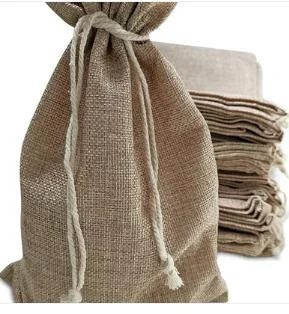
Drawstring Bags
These bags are lightweight and convenient for carrying smaller items. They are popular among schools and gyms for transporting clothes or equipment and can be branded for promotional activities.
Reusable Grocery Bags
Designed specifically for grocery shopping, these bags are sturdy and often have reinforced bottoms. They promote sustainability while providing a practical solution for carrying groceries.
Backpacks
Recycled fabric backpacks offer a hands-free carrying option, ideal for students and travelers. They are designed for durability and comfort, with multiple compartments for organization.
Benefits and Advantages
Recycled fabric bags provide several advantages that make them an appealing choice for businesses.
1. Environmental Impact: By using recycled materials, these bags help reduce landfill waste and lower carbon footprints, contributing to a healthier planet.
2. Cost-effectiveness: Although the initial investment might be higher than traditional bags, their durability means they can be reused multiple times, leading to long-term savings.
3. Brand Image Enhancement: Using recycled fabric bags demonstrates a company’s commitment to sustainability, enhancing its reputation among eco-conscious consumers.
4. Versatility: These bags can be used in various settings, from retail to corporate events, making them a multifunctional product.
5. Customization Options: Businesses can easily print their logos and designs on recycled fabric bags, creating unique promotional tools that resonate with their audience.
6. Compliance with Regulations: Sourcing recycled fabric bags can help businesses comply with increasing regulations against single-use plastic, ensuring they meet legal requirements.
Buying Guide for B2B Buyers
When sourcing recycled fabric bags, it is essential to consider several key factors to ensure the right choice for your business needs.
1. Quality Assessment: Evaluate the material quality and construction of the bags. Look for durability and resistance to wear, which ensures longevity and repeated use.
2. Supplier Verification: Research potential suppliers to confirm their credibility. Check for reviews, certifications, and their capacity to meet your order requirements.
3. Pricing and MOQ: Understand the pricing structure and minimum order quantities (MOQ) set by suppliers. This will help you manage budgets and inventory effectively.
4. Delivery and Lead Times: Discuss logistics with suppliers to establish expected delivery times. Timely delivery is crucial for maintaining business operations and meeting customer demands.
5. Compliance Requirements: Ensure that the bags meet relevant environmental and safety standards. This is particularly important if your business operates in regions with strict regulations.
Compliance and Certifications
Recycled fabric bags should adhere to various quality standards and certifications to ensure their safety and environmental impact. Key standards include ISO 9001, which focuses on quality management systems, ensuring that manufacturers maintain high production standards.
Industry certifications, such as CE marking, indicate that the bags adhere to European health, safety, and environmental protection standards. Compliance with these certifications reflects a commitment to producing safe and reliable products.
Safety and testing requirements must also be addressed, particularly for bags used in food packaging or other sensitive applications. Testing for harmful substances and material safety ensures that the bags are safe for consumer use.
Additionally, regional compliance considerations should be assessed, as different areas may have specific regulations regarding the use of recycled materials. Understanding these requirements is vital for businesses to avoid legal issues and maintain a positive reputation.
Why Source Recycled Fabric Bags from Pepagora?
Pepagora provides an excellent platform for sourcing recycled fabric bags, offering several key advantages to businesses looking for reliable suppliers.
Verified Supplier Network: Pepagora connects buyers with verified suppliers, ensuring that you work with trusted manufacturers. This reduces the risk of substandard products and enhances the overall purchasing experience.
Streamlined RFQ Process: The request for quotation (RFQ) system simplifies the sourcing process. Buyers can easily request quotes from multiple suppliers, allowing for efficient comparison and decision-making.
Trade Assurance and Support: Pepagora offers trade assurance, protecting buyers against potential disputes and ensuring that orders are fulfilled as promised. This support provides peace of mind when sourcing products.
Regional Coverage: With a broad geographic reach, including India, GCC, and Southeast Asia, Pepagora can facilitate connections with suppliers across various regions. This accessibility ensures that businesses find the right products tailored to their market needs.

 IN
IN