Key Features and Specifications
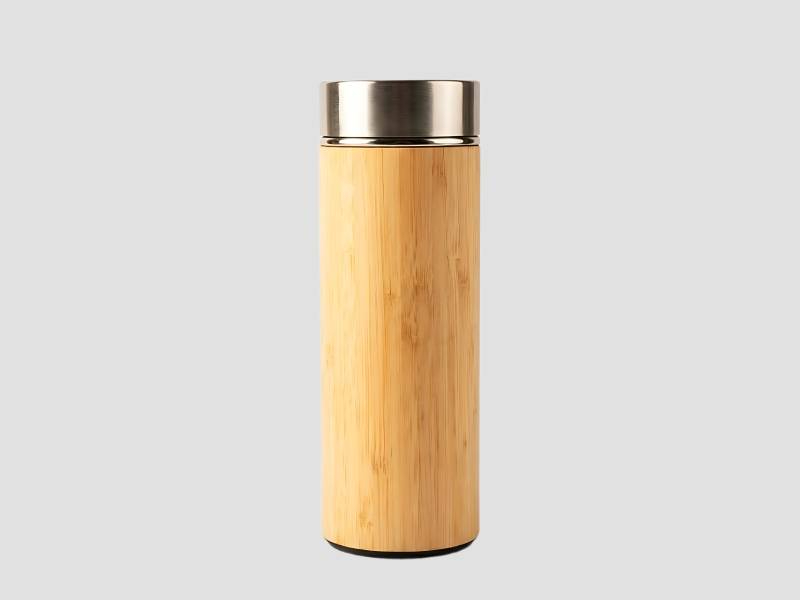
Reusable water bottles made from steel and glass come with several key features that enhance their functionality and appeal. Understanding these specifications is vital for businesses looking to invest in quality hydration solutions.
Key specifications include:
1. Material Composition
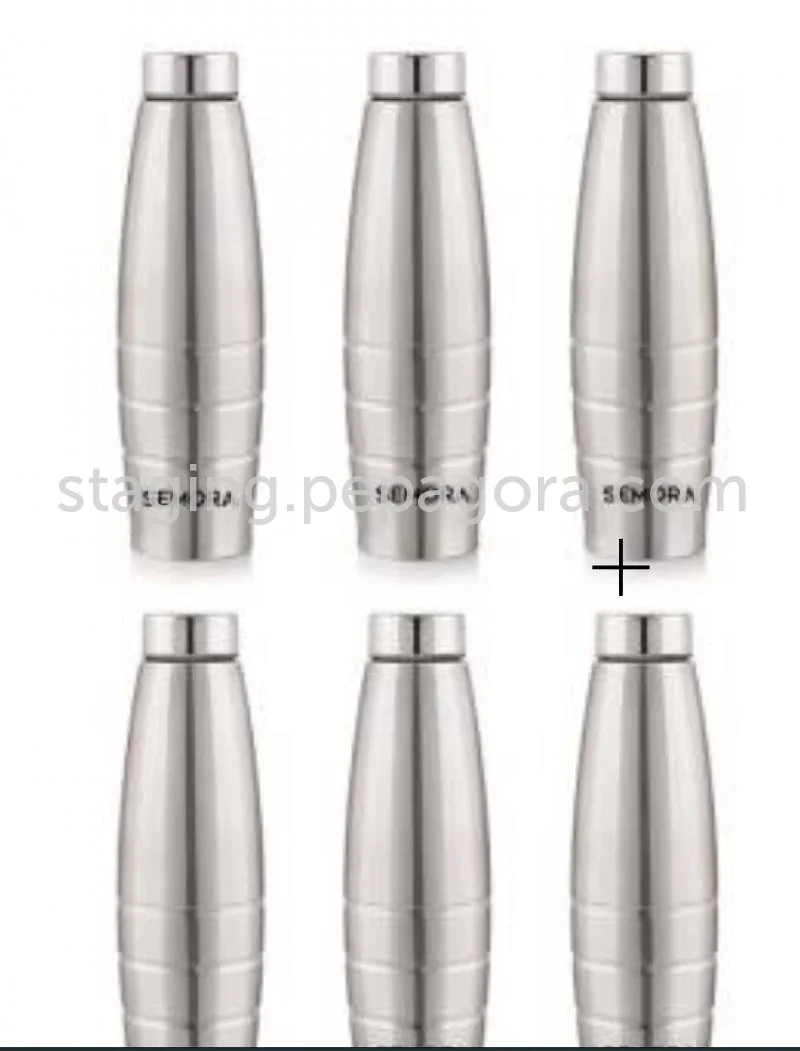
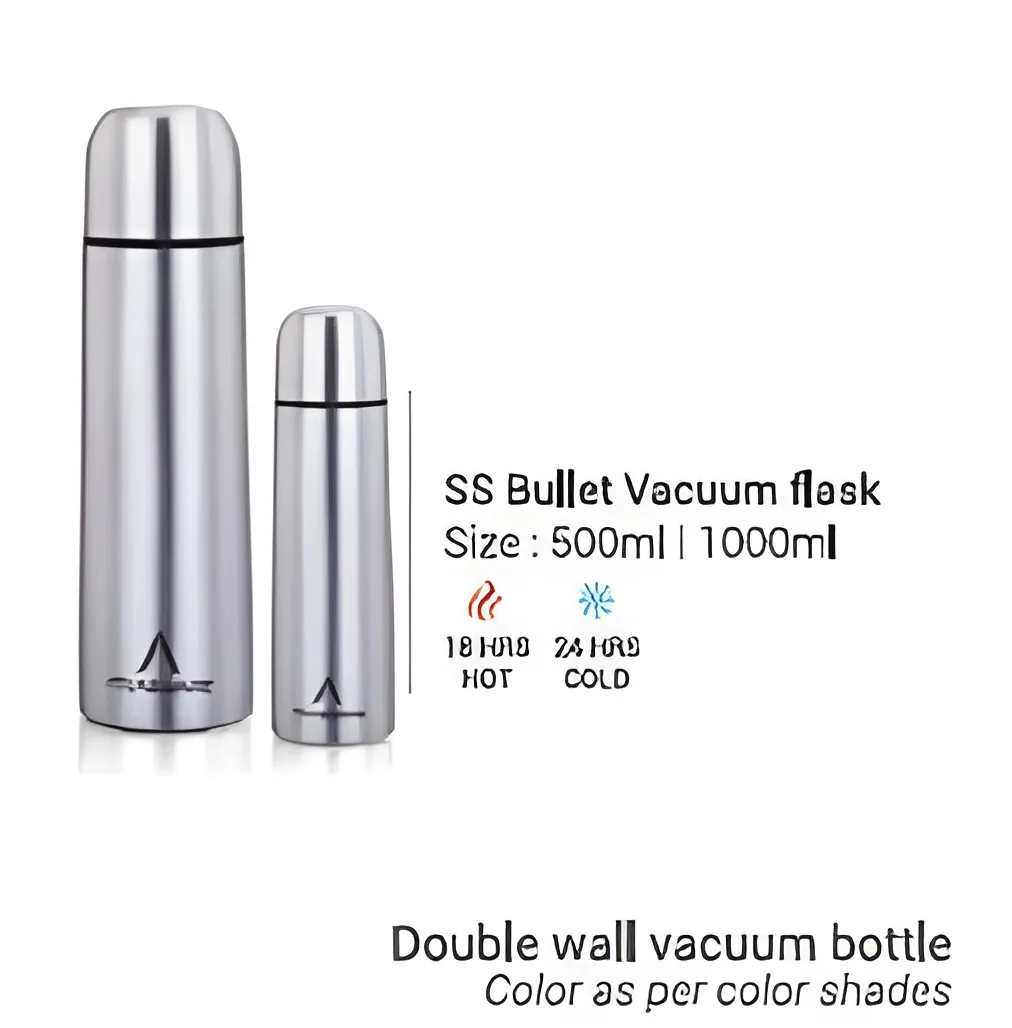
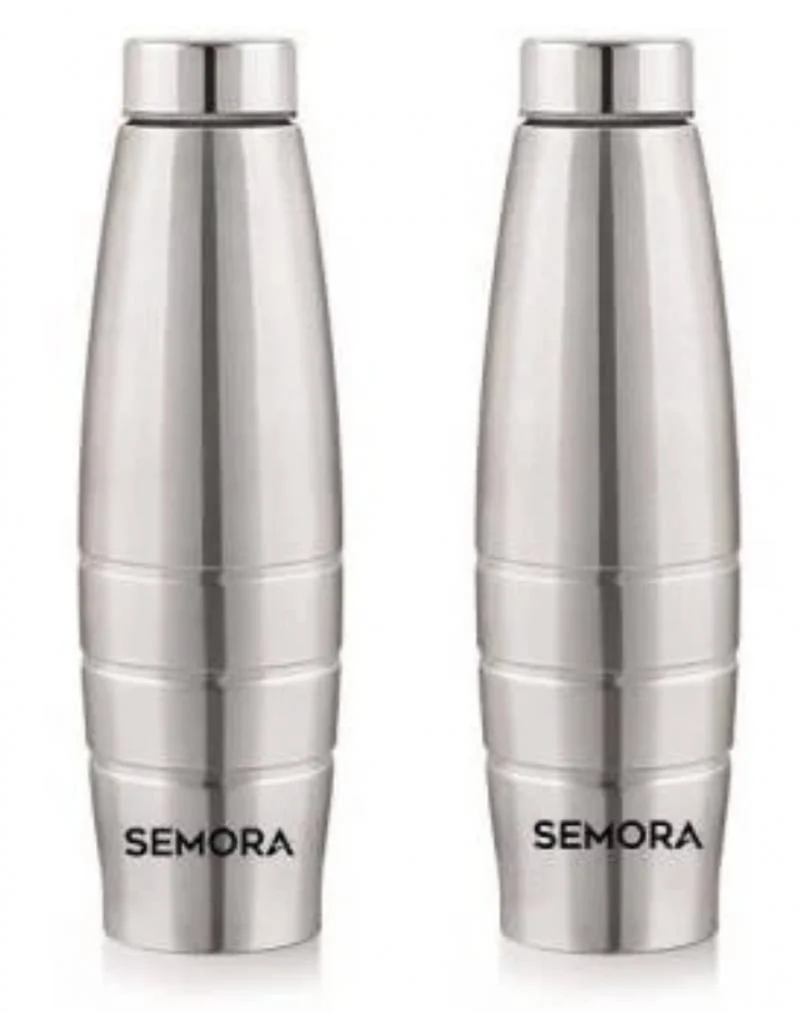
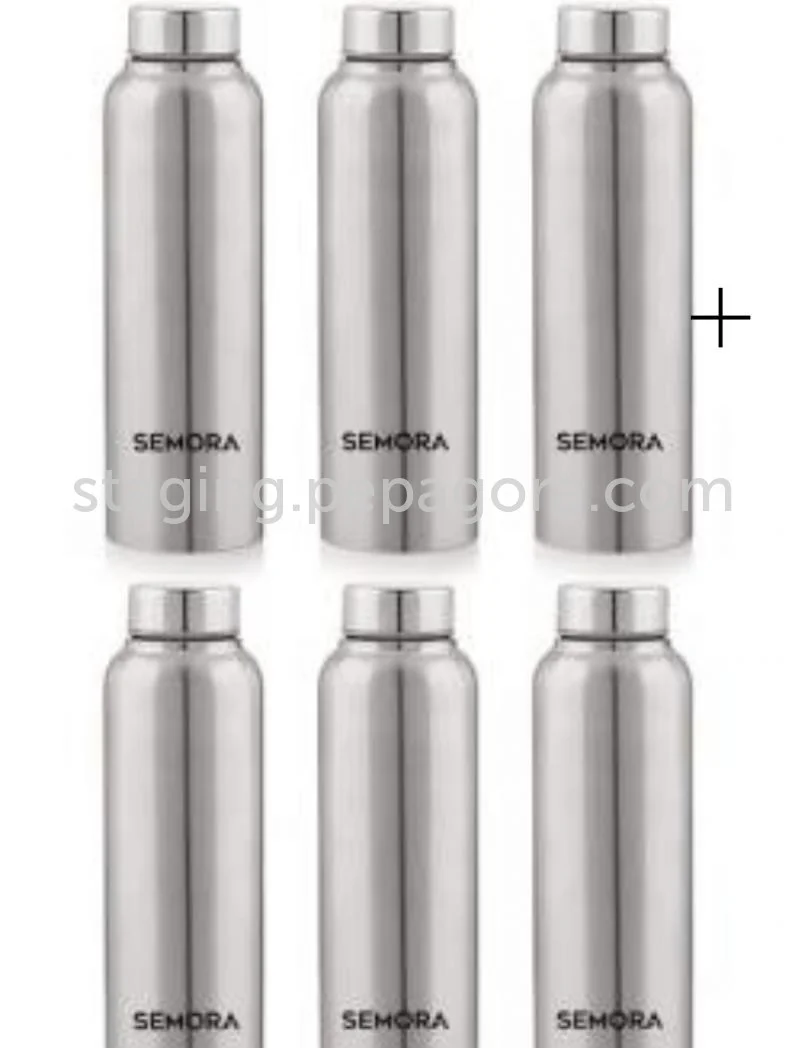
- Steel bottles are typically made from food-grade stainless steel, ensuring safety and durability.
- Glass bottles are usually crafted from borosilicate glass, known for its resistance to thermal shock.
2. Capacity Options
- Available capacities generally range from 350 ml to 1,500 ml, catering to different hydration needs.
- Custom sizes may also be available based on specific requirements.
3. Insulation Properties
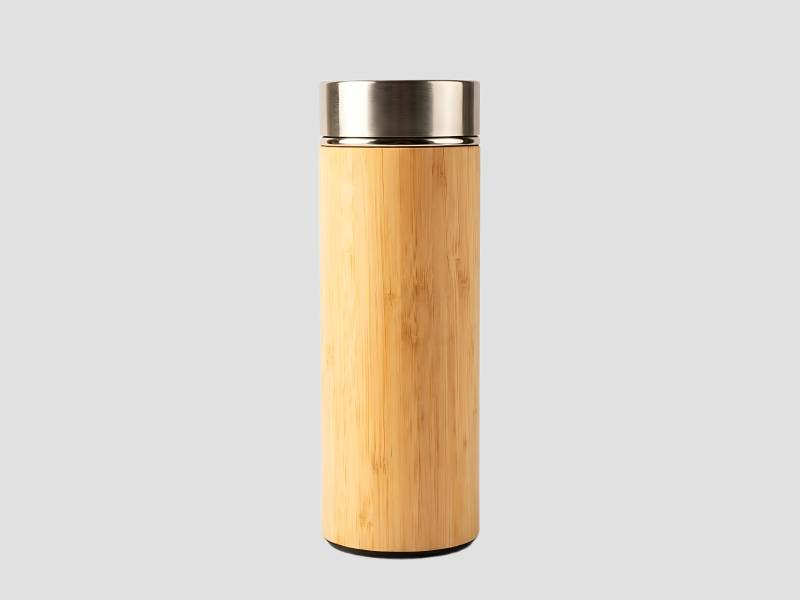
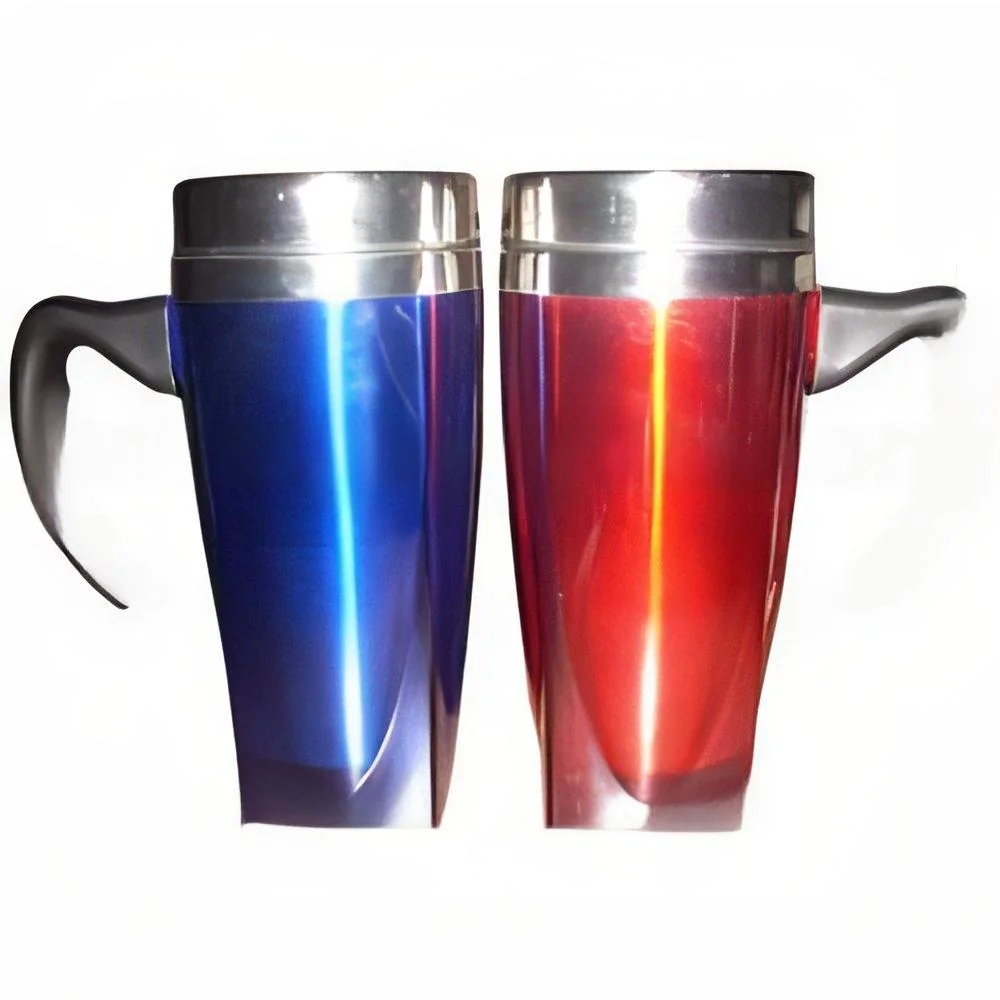
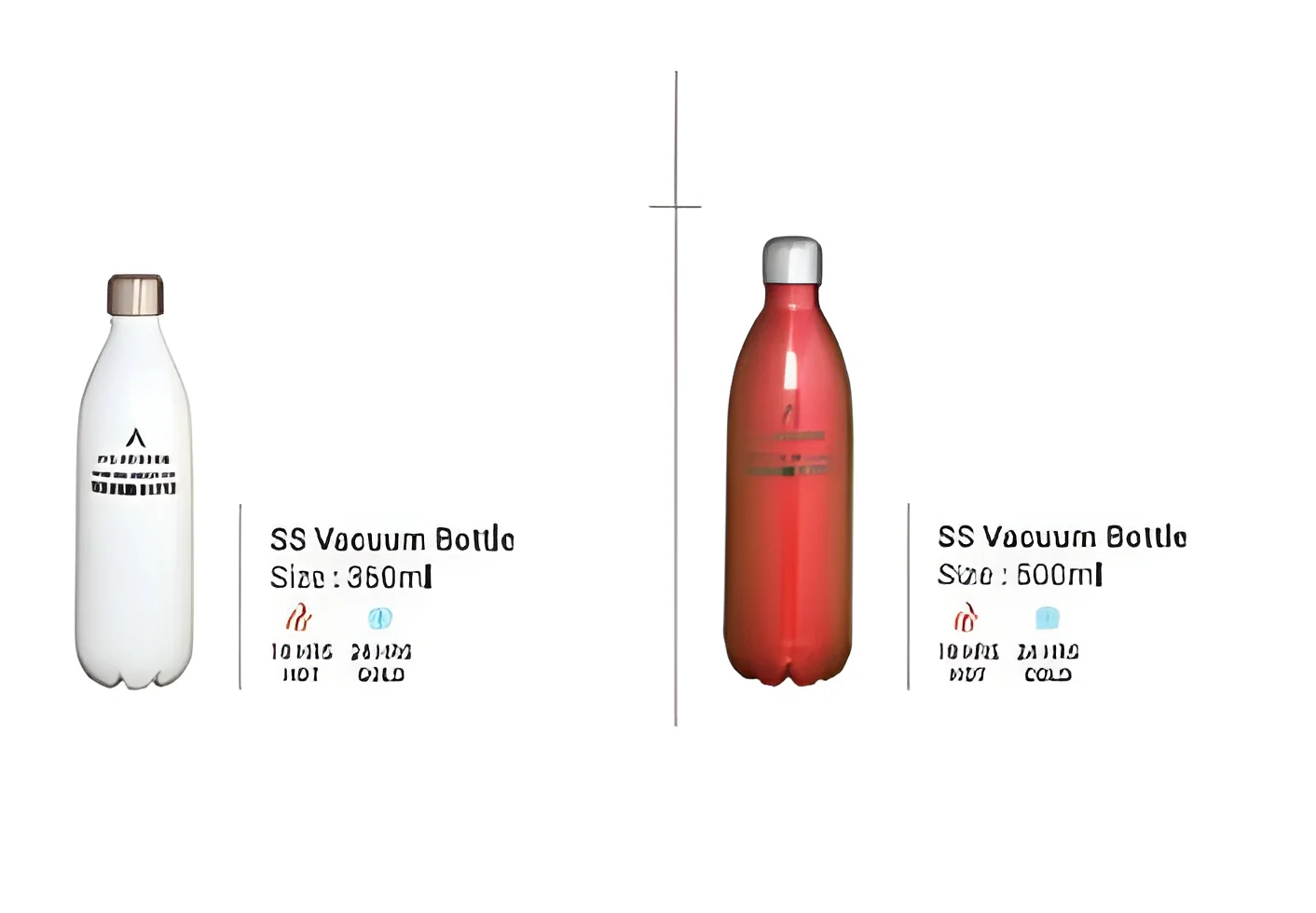
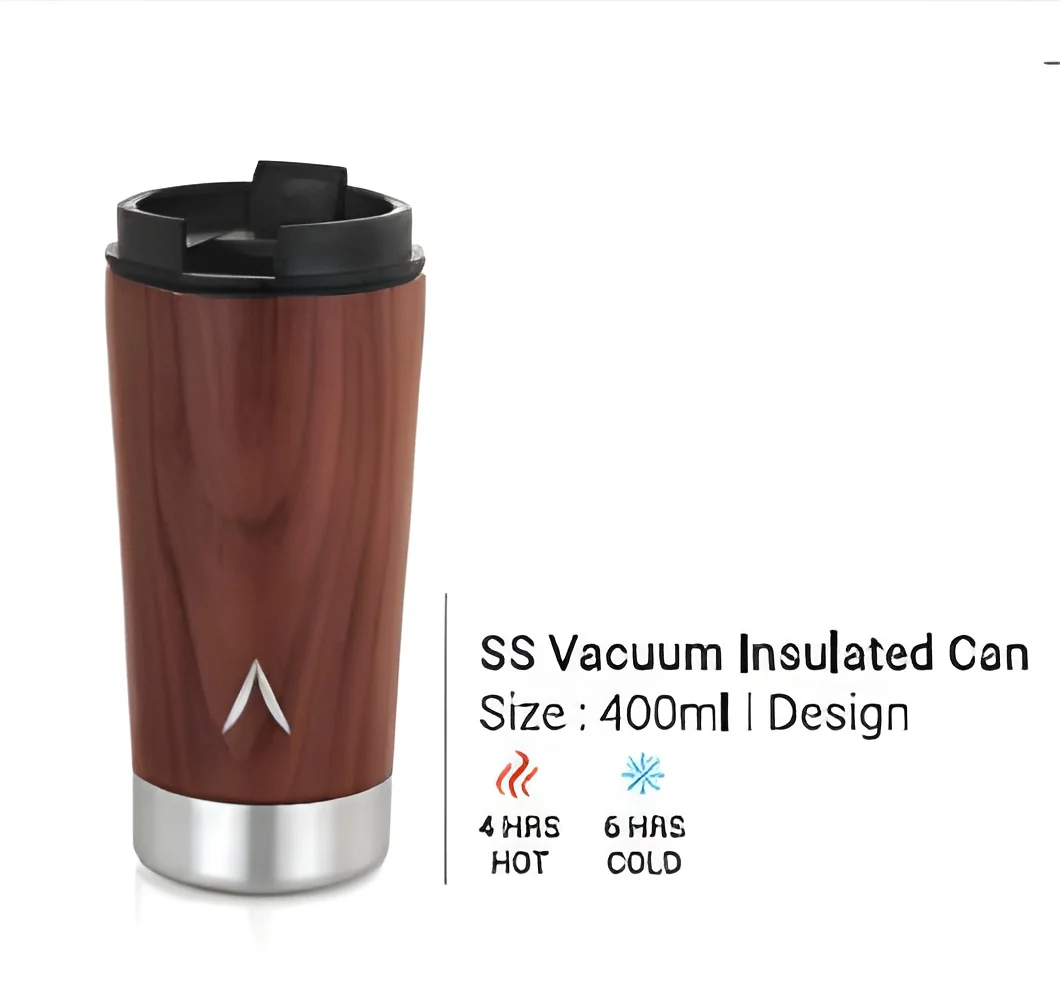
- Double-walled vacuum insulation in steel bottles helps maintain beverage temperature for hours.
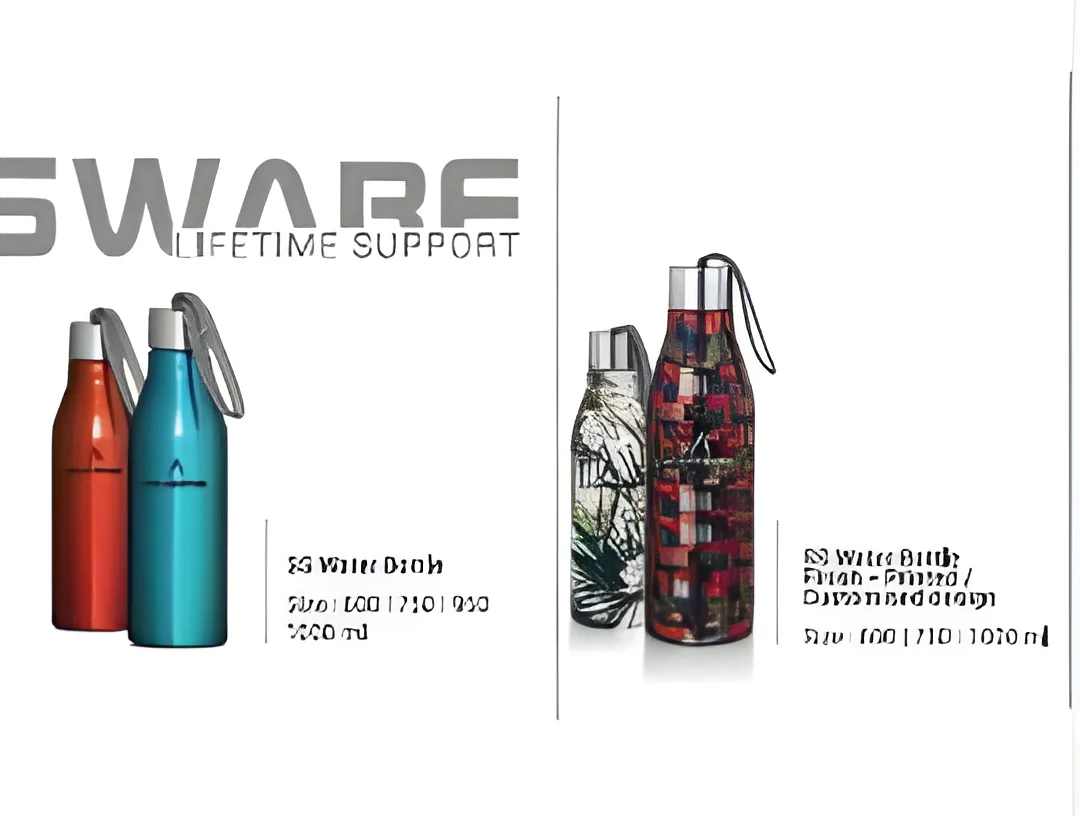
- Glass bottles may come with silicone sleeves for added protection and insulation.
4. Leak-proof Design
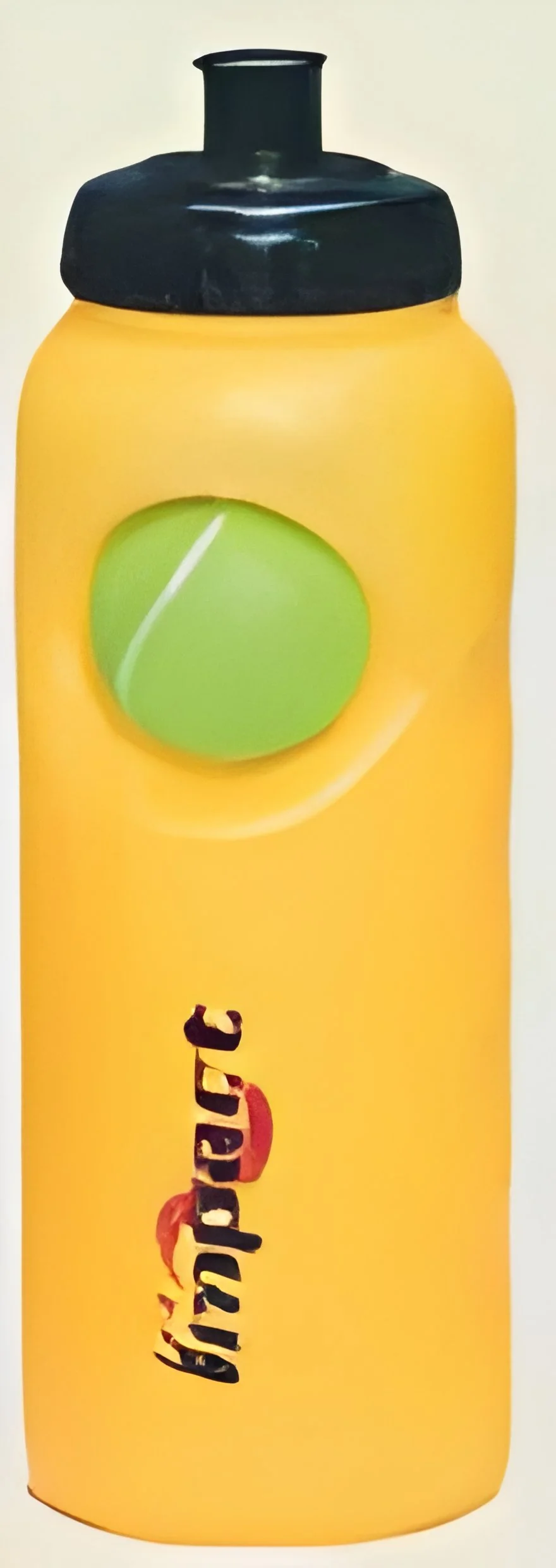
- Most bottles feature secure lids or caps to prevent leakage during transport.
- Some models include built-in straws or spouts for convenient sipping.
5. Eco-Friendly Features
- Many bottles are BPA-free, ensuring they are safe for health and the environment.
- Recyclable materials contribute to their sustainability credentials.
6. Customization Options
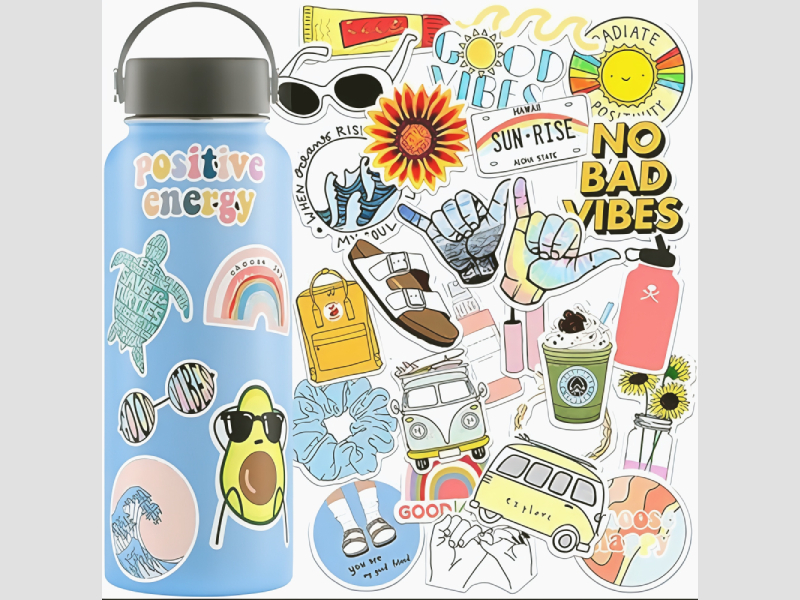
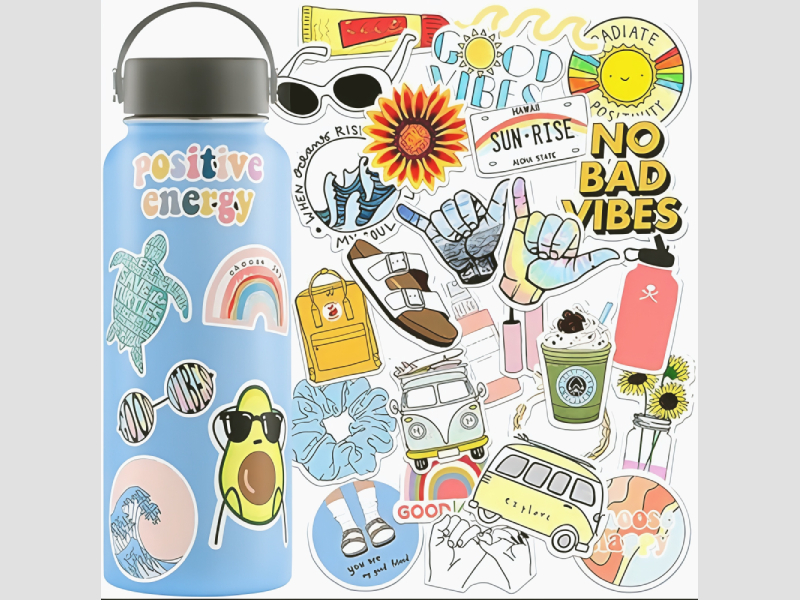
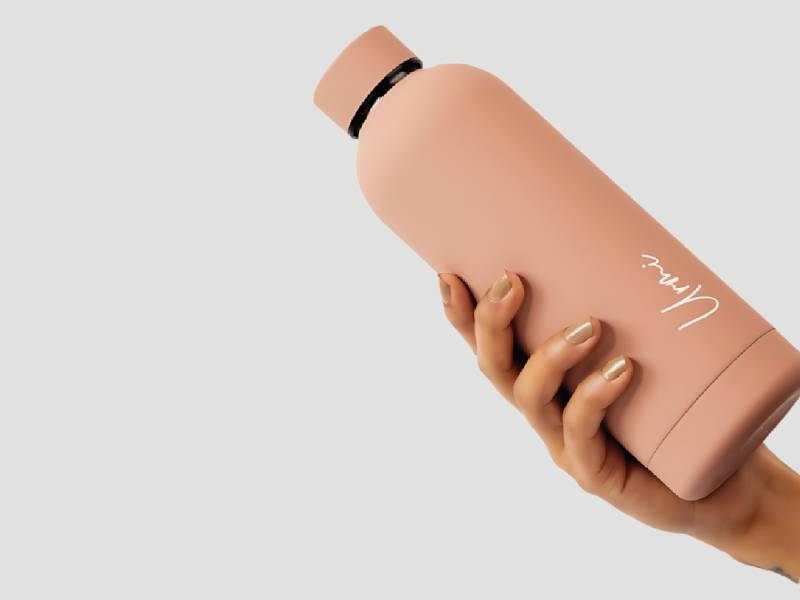
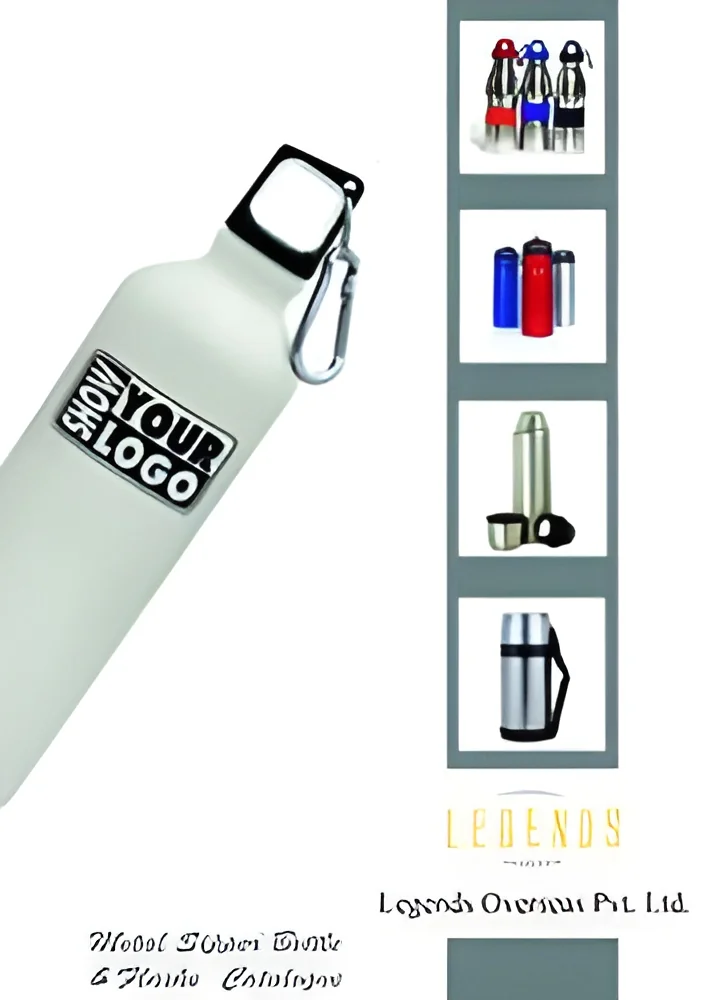
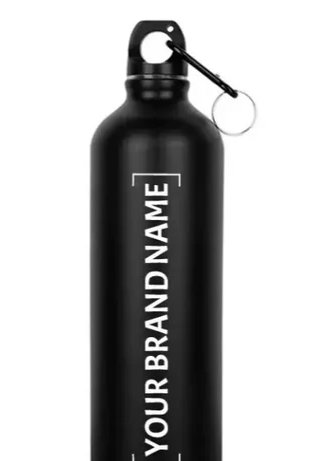
- Many suppliers offer branding options, allowing businesses to personalize bottles with logos or designs.
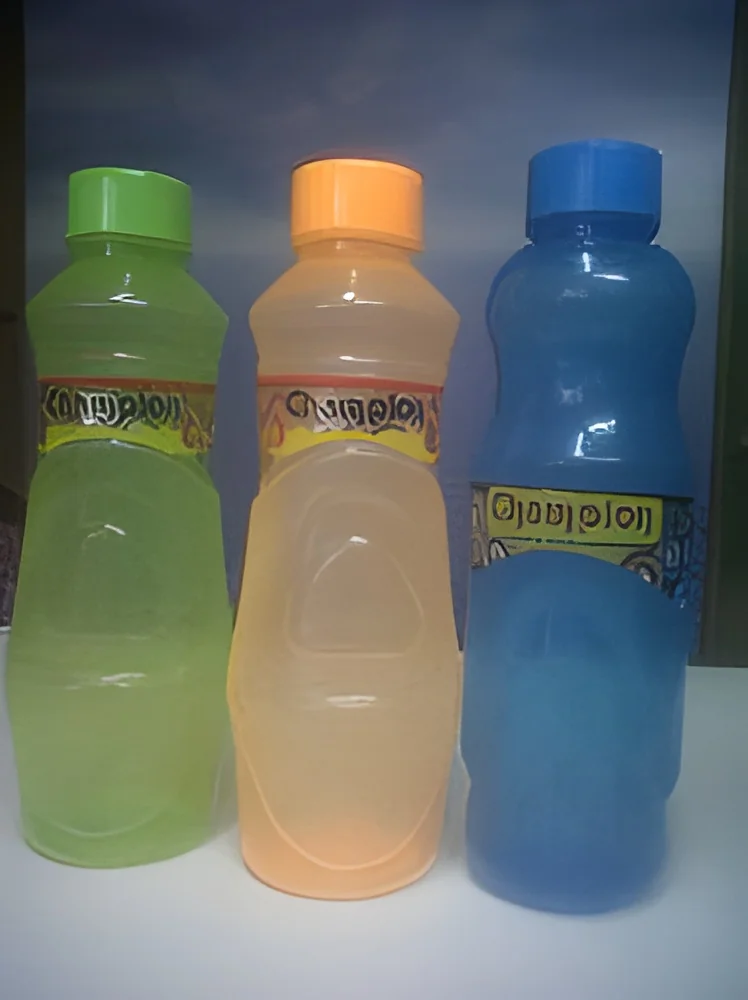
- Colors and finishes can also be customized to align with brand identity.
7. Cleaning and Maintenance
- Steel bottles are generally dishwasher-safe, while glass bottles often require hand washing.
- Some glass variants may be suitable for microwave use, depending on the design.
8. Weight and Portability
- Steel bottles tend to be lightweight and easy to carry, making them suitable for travel.
- Glass bottles can be heavier, but many designs include carrying handles or straps for convenience.
In summary, selecting reusable water bottles involves examining features such as material, insulation, and customization to ensure they meet specific business needs.
Common Applications and Use Cases
Reusable water bottles are versatile products that serve various industries effectively.
1. Corporate Sector: Companies often distribute branded reusable bottles to employees and clients as part of sustainability initiatives and to promote a healthy lifestyle.
2. Educational Institutions: Schools and universities encourage students to use reusable bottles, reducing plastic waste on campuses and promoting eco-friendly habits among young individuals.
3. Fitness and Wellness: Gyms and fitness centers provide reusable bottles to members, emphasizing hydration during workouts and reducing reliance on disposable options.
4. Outdoor Activities: Adventure and tourism companies often equip customers with reusable bottles for hiking, camping, and other outdoor activities, ensuring they stay hydrated sustainably.
5. Food and Beverage: Restaurants and cafes may offer reusable bottles as part of their beverage service, allowing patrons to take drinks on the go while promoting their brand.
6. Hospitality Industry: Hotels may provide reusable bottles to guests as part of their commitment to sustainability and reducing single-use plastics.
7. Retail: Stores selling eco-friendly products often feature reusable water bottles, appealing to environmentally conscious consumers.
Product Variants and Subcategories
The diversity of reusable water bottles allows businesses to choose products that fit their specific needs.
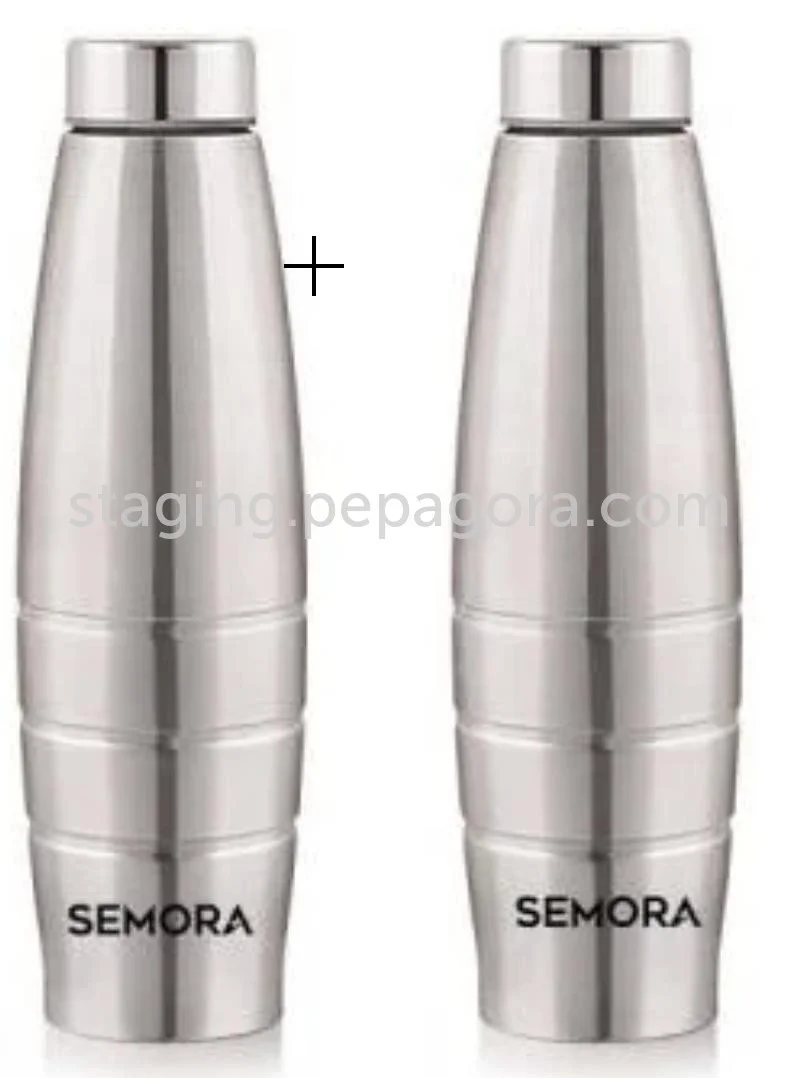
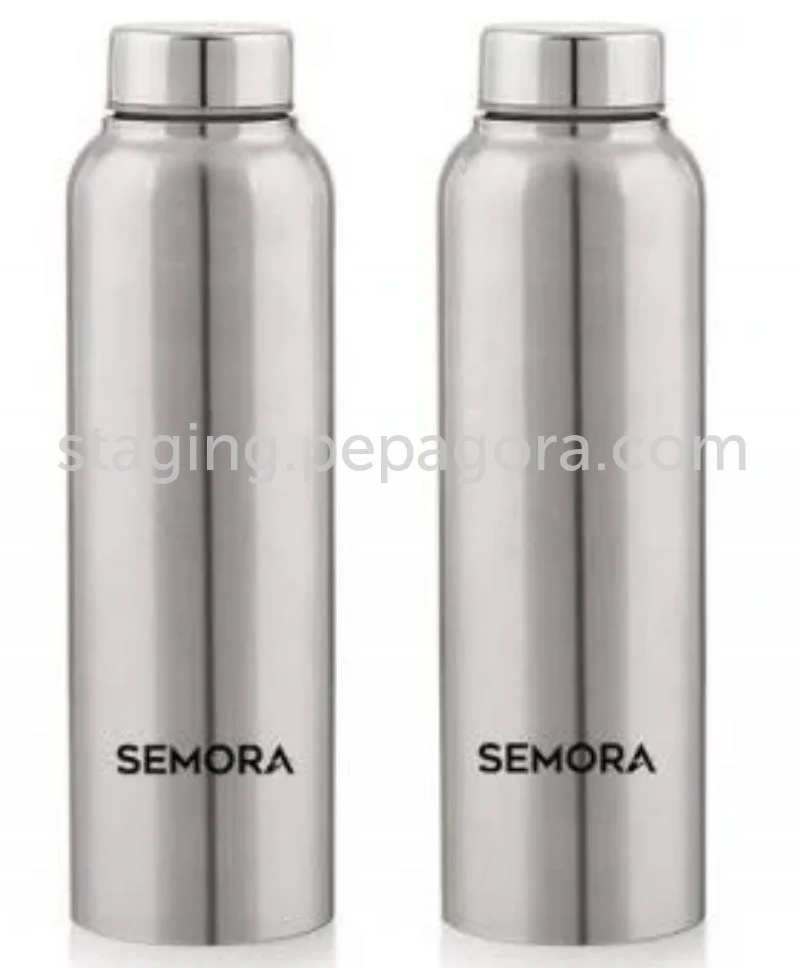
Steel Water Bottles
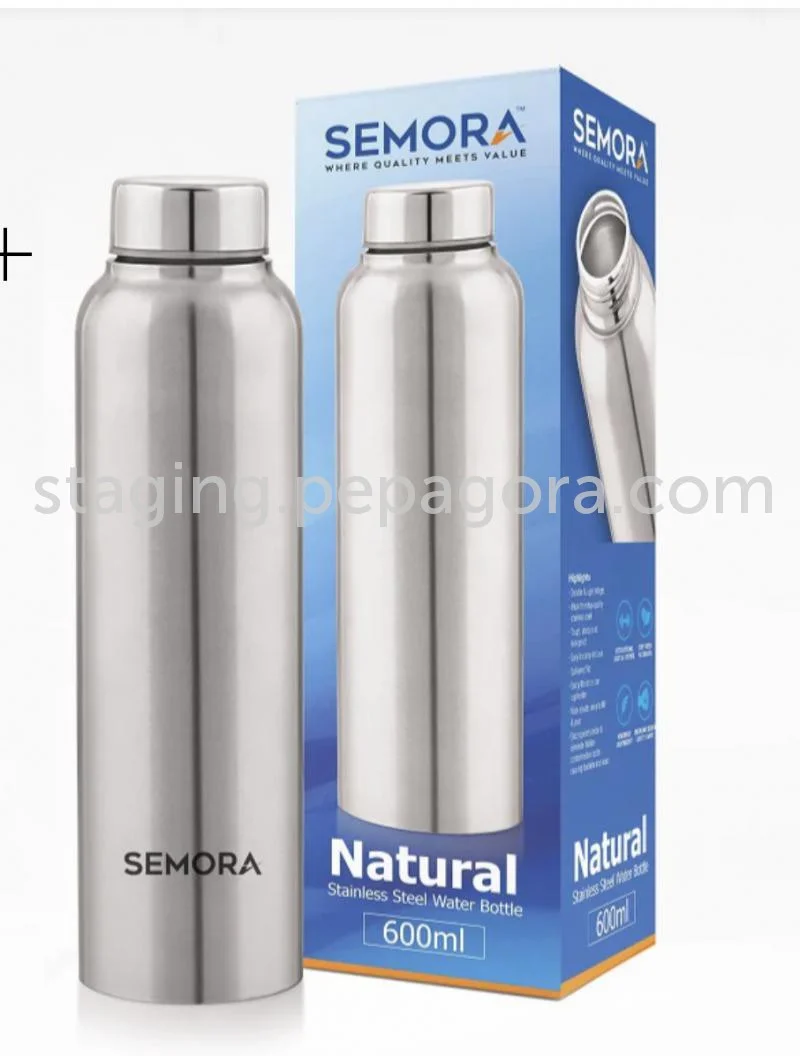
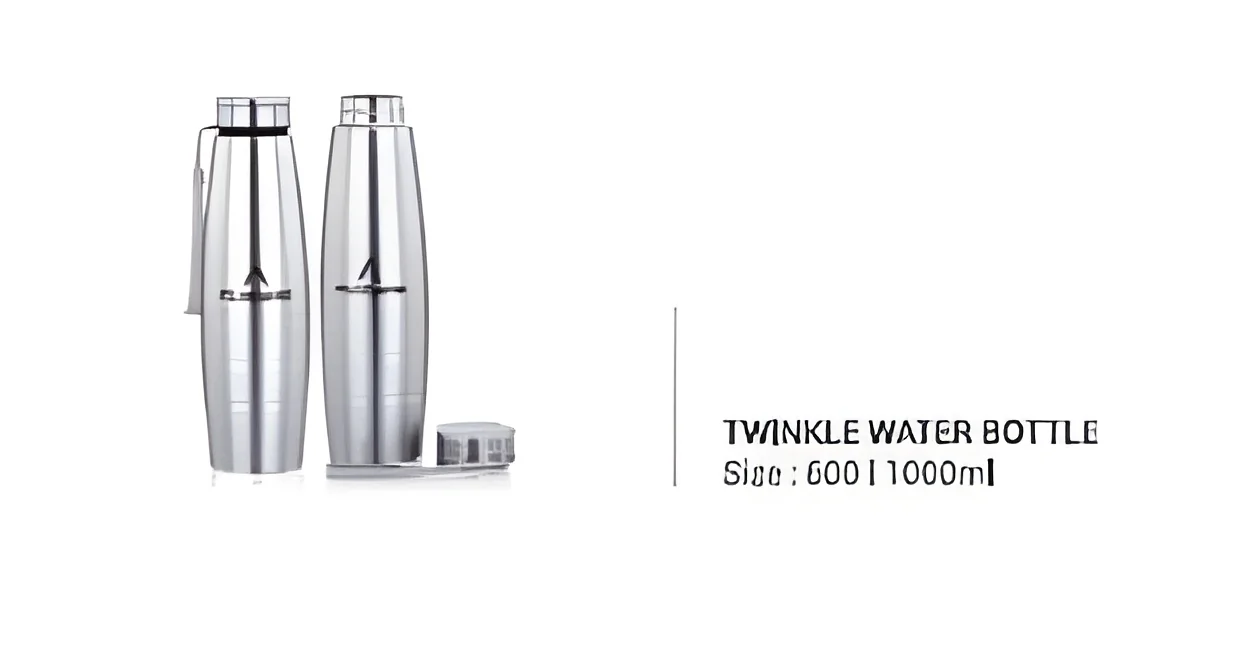
These bottles are robust and ideal for outdoor use. They often come with double-wall insulation, keeping beverages hot or cold for extended periods. Their durability makes them suitable for rugged environments.
Glass Water Bottles
Glass bottles offer a premium feel and are perfect for health-conscious consumers. They do not alter the taste of beverages and are often equipped with protective silicone sleeves to prevent breakage. These are suitable for office and home use.
Benefits and Advantages
Investing in reusable water bottles presents several advantages for businesses and consumers alike.
1. Environmental Sustainability: By reducing reliance on single-use plastics, businesses contribute to ecological preservation and reduce waste.
2. Cost-Effective: Over time, the use of reusable bottles can lead to significant savings compared to purchasing bottled water regularly.
3. Health Safety: Steel and glass bottles are free from harmful chemicals found in some plastics, making them a safer choice for hydration.
4. Brand Promotion: Customizable options allow businesses to enhance brand visibility through promotional reusable bottles.
5. Enhanced Hydration: Encouraging the use of reusable bottles promotes better hydration habits among employees and consumers.
6. Versatile Usage: These bottles can be used for various beverages, including water, juices, and smoothies, catering to diverse preferences.
Buying Guide for B2B Buyers
When sourcing reusable water bottles made of steel or glass, businesses should consider several factors to ensure they make informed decisions.
1. Quality Assessment: Look for bottles made from high-quality materials that meet safety standards. Consider durability and warranty options to ensure long-term use.
2. Supplier Verification: Vet potential suppliers for reliability and reputation. Check reviews and request samples to assess product quality before placing large orders.
3. Pricing and MOQ: Evaluate pricing structures and minimum order quantities (MOQ) to find options that align with budget constraints while meeting business needs.
4. Delivery and Lead Times: Consider logistics and shipping times when planning orders. Ensure suppliers can meet deadlines for events or promotions.
5. Compliance Requirements: Be aware of any industry-specific regulations or certifications that the products may need to meet, ensuring they comply with safety and quality standards.
Compliance and Certifications
Reusable water bottles made from steel and glass must comply with various quality standards to ensure safety and performance.
ISO 9001 is a widely recognized standard that outlines criteria for quality management systems. Manufacturers adhering to ISO standards demonstrate their commitment to consistent quality and customer satisfaction.
HACCP is critical for food safety, particularly for bottles used in the food and beverage industry. It ensures that products are safe for consumers and meet health regulations.
CE certification indicates that a product has met European health, safety, and environmental protection standards. This certification is essential for products sold in the European Union.
Additionally, regional compliance considerations may vary. Businesses should be aware of local regulations regarding materials used in consumer products and ensure that their suppliers adhere to these requirements.
Why Source Reusable Water Bottles (Steel, Glass) from Pepagora?
Pepagora provides a trusted platform for sourcing reusable water bottles made from steel and glass with several key advantages.
Verified Supplier Network: Pepagora connects buyers with a network of verified suppliers, ensuring product quality and reliability. Each supplier is vetted to meet industry standards, giving buyers confidence in their purchases.
Streamlined RFQ Process: The platform offers a streamlined request for quotation (RFQ) process, allowing businesses to easily compare prices and specifications from multiple suppliers. This efficiency saves time and resources.
Trade Assurance and Support: Pepagora ensures buyer protection through trade assurance policies, providing support throughout the purchasing process. This assurance helps mitigate risks associated with sourcing products.
Regional Coverage: With a focus on markets such as India, the GCC, and Southeast Asia, Pepagora offers extensive reach for businesses looking to source reusable water bottles in these regions. This geographic coverage allows for easier access to local suppliers and responsive service.

 IN
IN