𝗪𝗵𝗮𝘁 𝗮𝗿𝗲 𝗦𝘁𝗮𝗴𝗲, 𝗦𝗲𝘁 & 𝗧𝗿𝘂𝘀𝘀 𝗘𝗾𝘂𝗶𝗽𝗺𝗲𝗻𝘁?
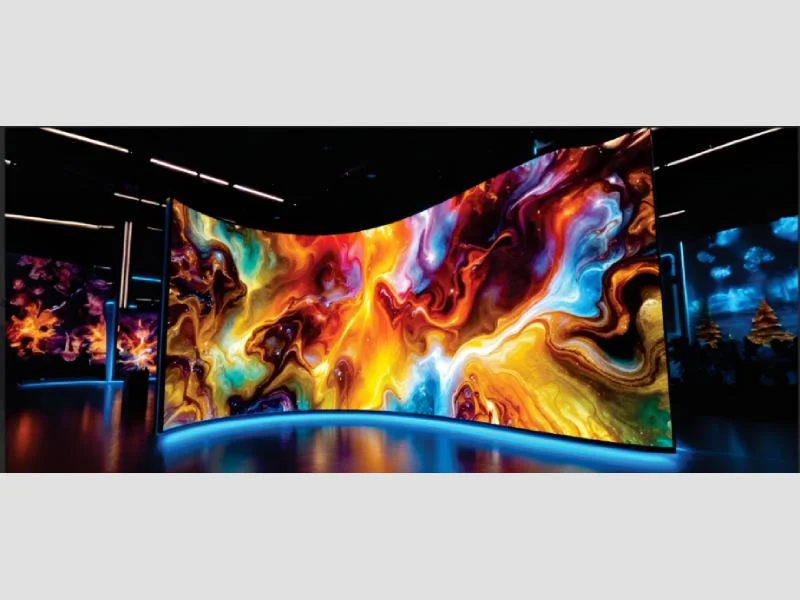
Stage, Set & Truss Equipment refers to the structural components and systems used to create and support staging for live performances, events, and exhibitions. These products are essential for the assembly of temporary structures that hold lighting, audio equipment, and other technical gear necessary for presentations and performances. The equipment can include truss systems, stage platforms, backdrops, and rigging components, all engineered to ensure safety, stability, and functionality in various settings.
These products find applications in a wide range of industries such as entertainment, corporate events, trade shows, and exhibitions. Companies utilize this equipment to enhance the visual and auditory experience for audiences, ensuring that performances, presentations, and displays are executed seamlessly. The relevance of stage, set, and truss equipment in the market is underscored by the growing demand for high-quality production values in events and performances across the globe.
𝗞𝗲𝘆 𝗙𝗲𝗮𝘁𝘂𝗿𝗲𝘀 𝗮𝗻𝗱 𝗦𝗽𝗲𝗰𝗶𝗳𝗶𝗰𝗮𝘁𝗶𝗼𝗻𝘀
Stage, Set & Truss Equipment is characterized by several key features that ensure durability and performance in various environments. Understanding these specifications is crucial for businesses looking to invest in this equipment.
Key specifications include:
1. Load Capacity
- The maximum weight the truss or stage can support.
- Usually ranges from 250 kg to over 1000 kg depending on the design.
2. Material Composition
- Common materials include aluminum and steel for strength and lightweight properties.
- Specifications may detail the thickness and grade of the materials used.
3. Dimensions
- Standard lengths for truss sections can vary from 1 meter to 6 meters.
- Height and width specifications are also crucial for compatibility with existing setups.
4. Connection Type
- Various connection methods include pin, clamp, and bolt systems.
- Determines ease of assembly and disassembly.
5. Safety Features
- Equipment should have safety locks, load indicators, and compliance with safety standards.
- Essential for preventing accidents during use.
6. Weather Resistance
- Certain models may be treated for outdoor use to withstand different weather conditions.
- Specifications may include resistance ratings.
7. Certification
- Compliance with industry standards such as CE marking.
- Ensures equipment meets safety and performance criteria.
8. Customization Options
- Many manufacturers offer custom lengths and configurations to meet specific requirements.
- Important for businesses with unique setup needs.
Understanding these specifications helps buyers make informed decisions about the equipment that best suits their needs.
𝗖𝗼𝗺𝗺𝗼𝗻 𝗔𝗽𝗽𝗹𝗶𝗰𝗮𝘁𝗶𝗼𝗻𝘀 𝗮𝗻𝗱 𝗨𝘀𝗲 𝗖𝗮𝘀𝗲𝘀
Stage, Set & Truss Equipment serves various industries with specific applications tailored to their needs.
1. Entertainment: Used extensively for concerts, theater productions, and festivals to create the stage setup and support lighting and sound equipment.
2. Corporate Events: Essential for trade shows and exhibitions, providing the necessary infrastructure for displays and presentations.
3. Film and Television: Used in studios and on location to create sets and support cameras and lighting.
4. Sports Events: Employed to build temporary stages for awards ceremonies and presentations during events.
5. Education: Utilized in schools and universities for theater productions and events requiring staging and audiovisual support.
6. Hospitality: Used in hotels and event spaces to create customizable setups for weddings and corporate gatherings.
7. Government Events: Essential for public ceremonies and announcements, ensuring a professional presentation.
𝗣𝗿𝗼𝗱𝘂𝗰𝘁 𝗩𝗮𝗿𝗶𝗮𝗻𝘁𝘀 𝗮𝗻𝗱 𝗦𝘂𝗯𝗰𝗮𝘁𝗲𝗴𝗼𝗿𝗶𝗲𝘀
Stage, Set & Truss Equipment comes in various forms, catering to different needs.
Aluminum Truss Systems
These lightweight and durable truss systems are perfect for indoor and outdoor events. They provide excellent load-bearing capacity while being easy to transport and set up.
Modular Stage Platforms
Modular stage platforms allow for customizable stage configurations to fit various event sizes and shapes. They are designed for quick assembly and disassembly, making them ideal for multi-event venues.
Lighting Truss Systems
These specialized truss systems are designed to hold lighting fixtures securely. They often come with integrated cable management features for a neat and professional appearance.
Portable Stage Systems
Portable stages are designed for ease of transport and quick setup. They are ideal for temporary events where mobility is crucial.
𝗕𝗲𝗻𝗲𝗳𝗶𝘁𝘀 𝗮𝗻𝗱 𝗔𝗱𝘃𝗮𝗻𝘁𝗮𝗴𝗲𝘀
Investing in Stage, Set & Truss Equipment offers numerous benefits to businesses.
1. Enhanced Safety: Equipment designed with safety features reduces the risk of accidents and injuries during events.
2. Improved Aesthetics: High-quality truss and stage setups enhance the overall look of any event, creating a more engaging experience for attendees.
3. Flexibility in Design: Modular and customizable options allow businesses to adapt setups for different types of events easily.
4. Cost-Effectiveness: Durable equipment can be reused for multiple events, reducing the need for frequent purchases.
5. Professional Reputation: Utilizing high-quality stage equipment elevates a company’s image, projecting professionalism and attention to detail.
6. Streamlined Setup: Equipment designed for quick assembly saves time during event preparation, allowing for more efficient operations.
𝗕𝘂𝘆𝗶𝗻𝗴 𝗚𝘂𝗶𝗱𝗲 𝗳𝗼𝗿 𝗕𝟮𝗕 𝗕𝘂𝘆𝗲𝗿𝘀
When sourcing Stage, Set & Truss Equipment, businesses should consider several critical factors to ensure they make informed purchases.
1. Quality Assessment: Buyers should evaluate the durability and construction quality of the equipment. Look for materials that meet industry standards and resist wear and tear.
2. Supplier Verification: Vetting suppliers is essential to ensure reliability. Check for certifications, customer reviews, and past projects to gauge their reputation.
3. Pricing and MOQ: Understand the pricing structure and minimum order quantities. Consider bulk purchasing for cost savings, but ensure it aligns with your event needs.
4. Delivery and Lead Times: Discuss logistics with suppliers to understand delivery times. Timely delivery is crucial for event planning and execution.
5. Compliance Requirements: Ensure that the equipment meets local regulations and safety standards. Compliance with certifications such as CE is essential for safety assurance.
𝗖𝗼𝗺𝗽𝗹𝗶𝗮𝗻𝗰𝗲 𝗮𝗻𝗱 𝗖𝗲𝗿𝘁𝗶𝗳𝗶𝗰𝗮𝘁𝗶𝗼𝗻𝘀
Compliance with industry standards is critical for Stage, Set & Truss Equipment. Many manufacturers adhere to quality standards such as ISO 9001, which ensures consistent quality management practices.
Certifications like CE indicate that the equipment meets European safety requirements, ensuring that it is suitable for use in various applications.
Safety and testing requirements are paramount, with many products undergoing rigorous testing for load capacity, stability, and material integrity.
Additionally, regional compliance considerations may vary, and businesses should ensure that their equipment meets local regulations to avoid legal issues and enhance user safety.
𝗪𝗵𝘆 𝗦𝗼𝘂𝗿𝗰𝗲 𝗦𝘁𝗮𝗴𝗲, 𝗦𝗲𝘁 & 𝗧𝗿𝘂𝘀𝘀 𝗘𝗾𝘂𝗶𝗽𝗺𝗲𝗻𝘁 𝗳𝗿𝗼𝗺 𝗣𝗲𝗽𝗮𝗴𝗼𝗿𝗮?
Pepagora provides a trusted platform for sourcing Stage, Set & Truss Equipment with several key advantages.
The verified supplier network ensures that buyers can connect with reputable manufacturers and distributors, minimizing the risks associated with procurement. Each supplier undergoes thorough vetting to guarantee high-quality products and services.
The streamlined RFQ process simplifies the quotation system, allowing buyers to receive multiple competitive offers quickly. This efficiency aids in making informed purchasing decisions without extensive delays.
Trade assurance and support mechanisms are in place to protect buyers during transactions. This includes guarantees on product quality and support in case of discrepancies.
Pepagora's regional coverage extends across India, the GCC, and Southeast Asia, making it a convenient choice for businesses looking for reliable suppliers in these regions. This geographic reach ensures that clients can find solutions tailored to their local market needs.

 IN
IN