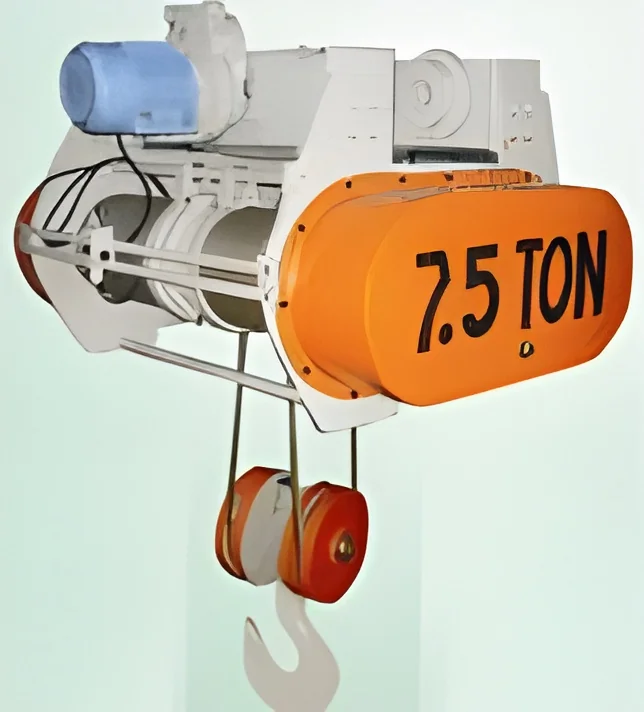
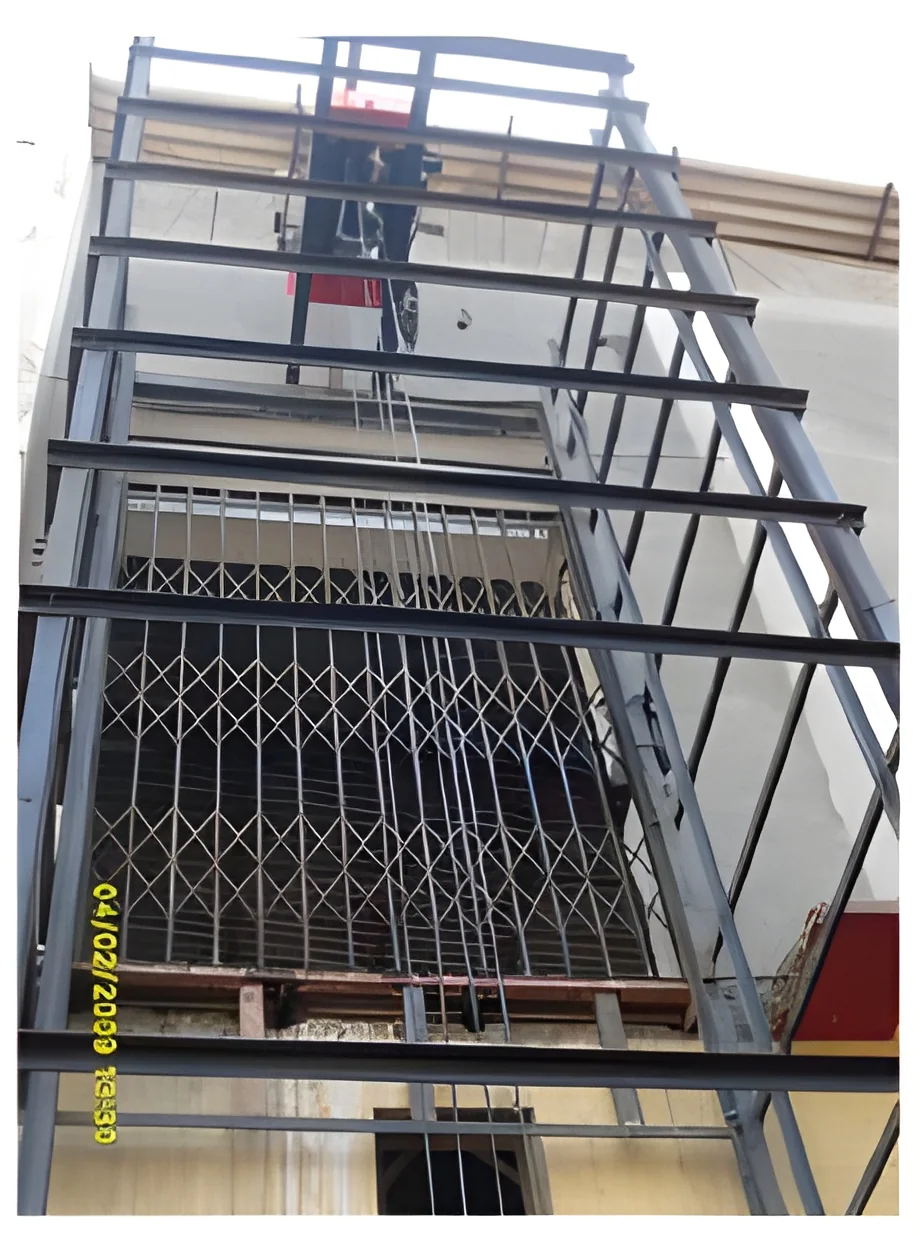
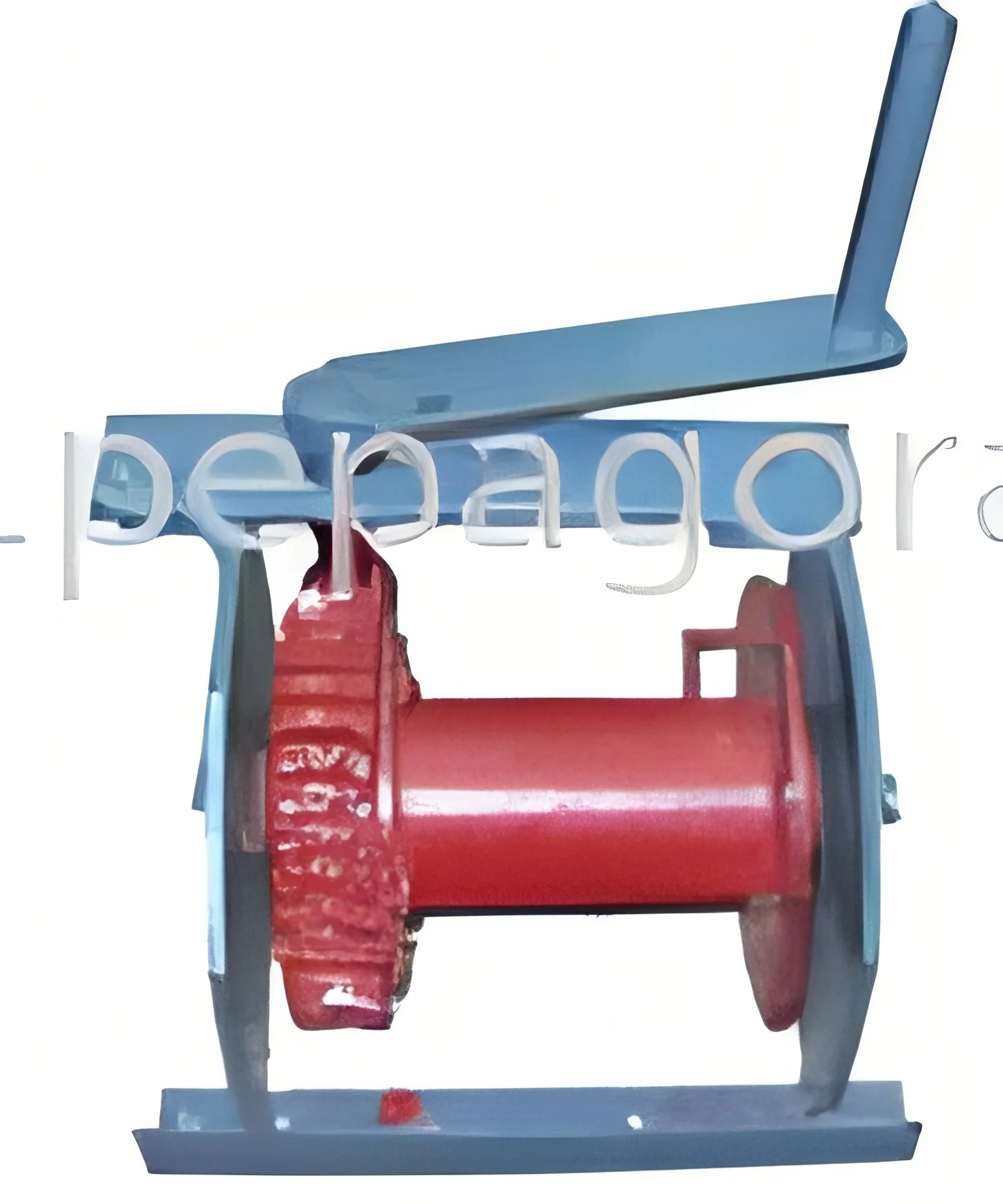
What are Motorized Hoists & Winches?
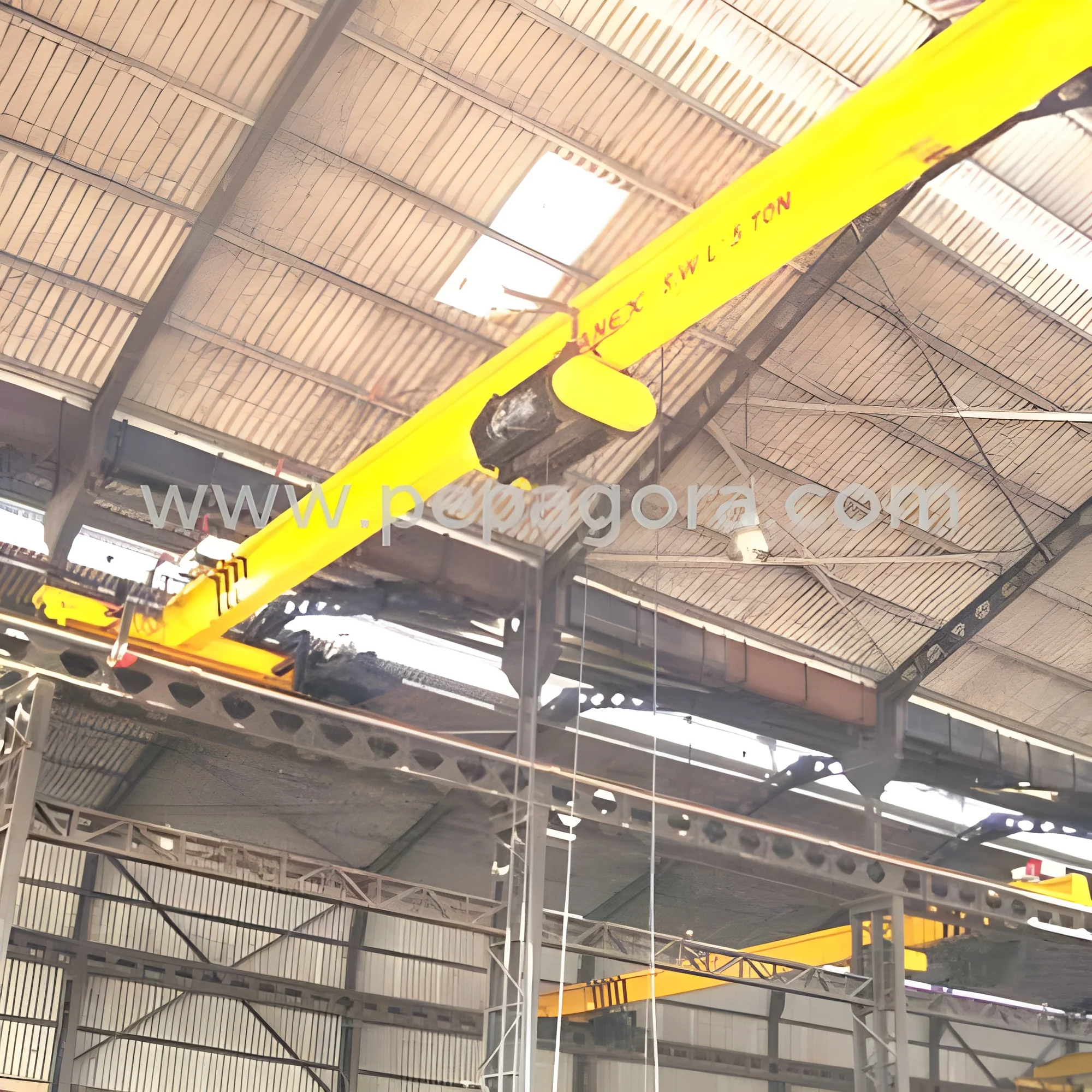
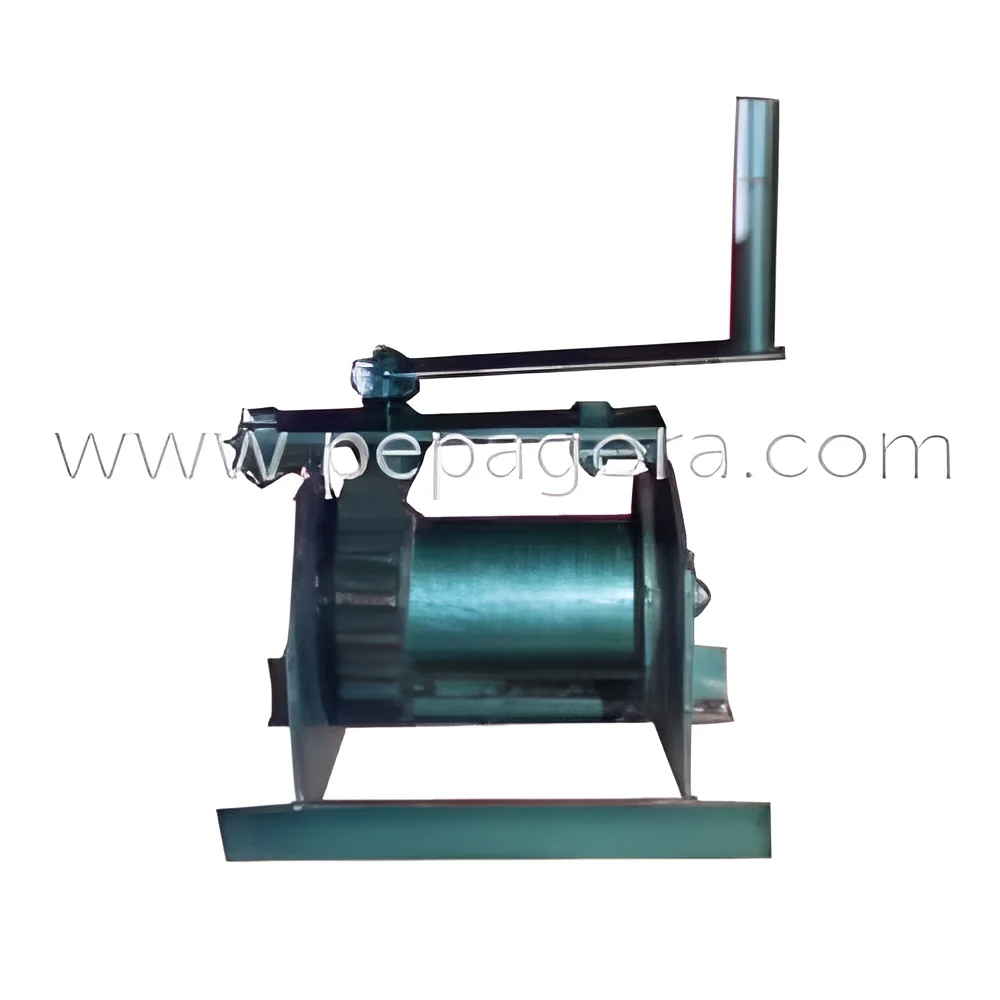
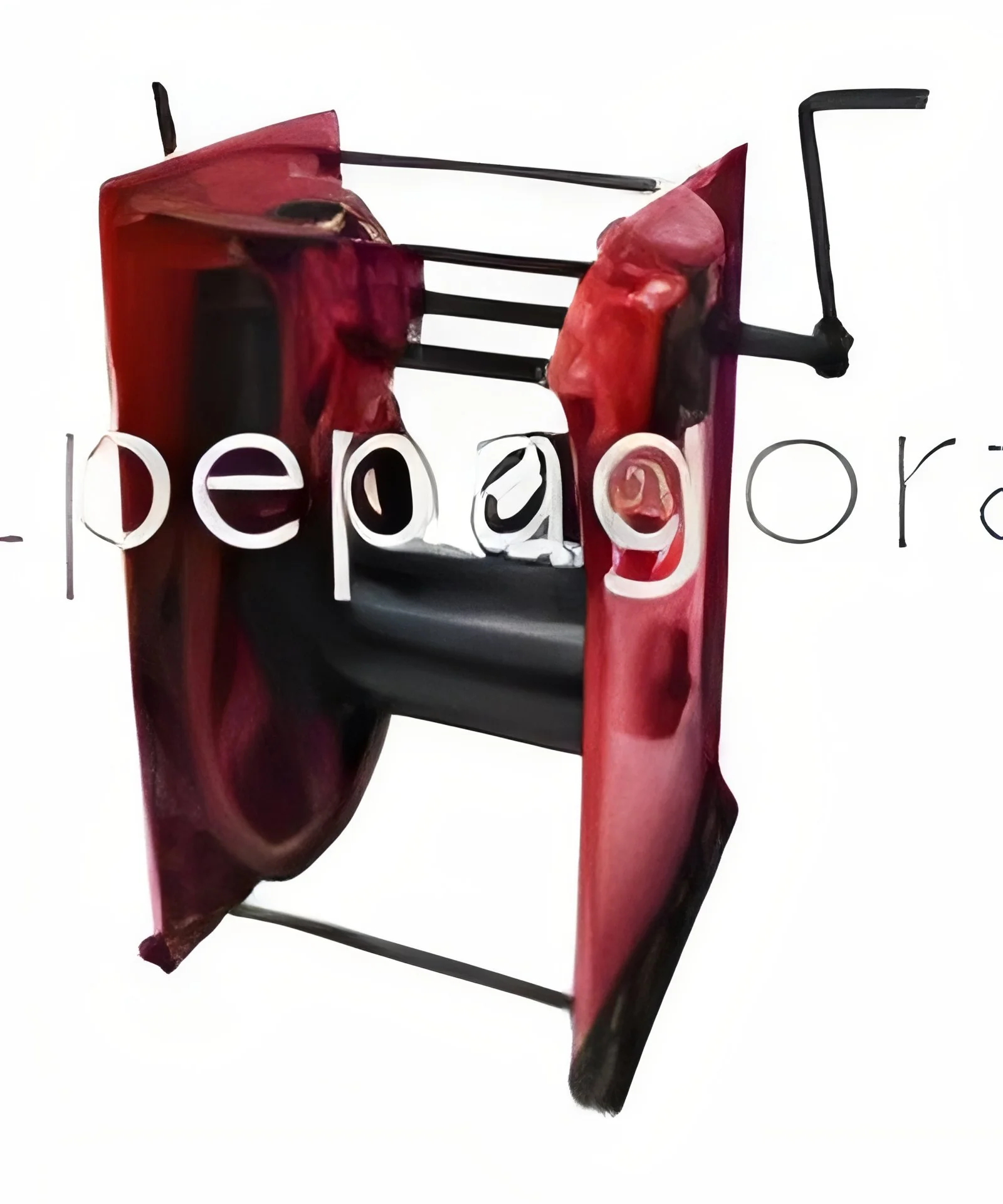
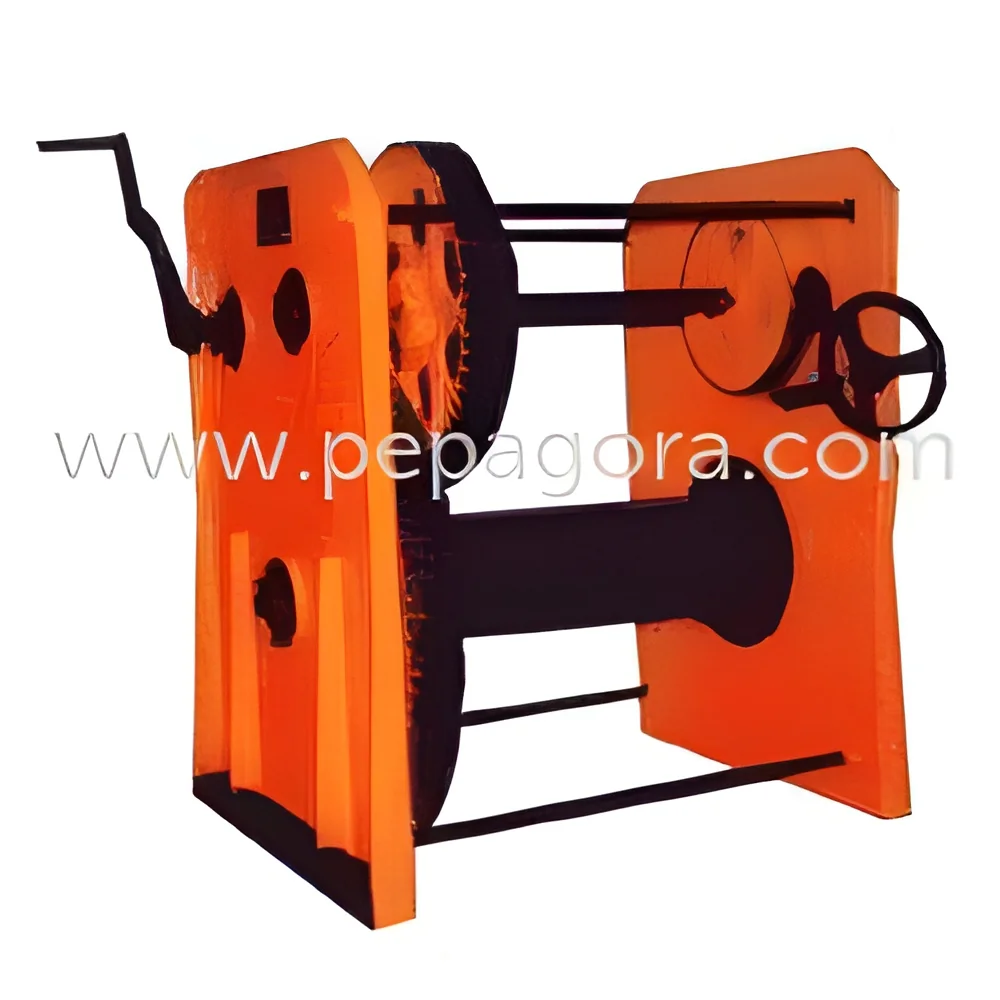
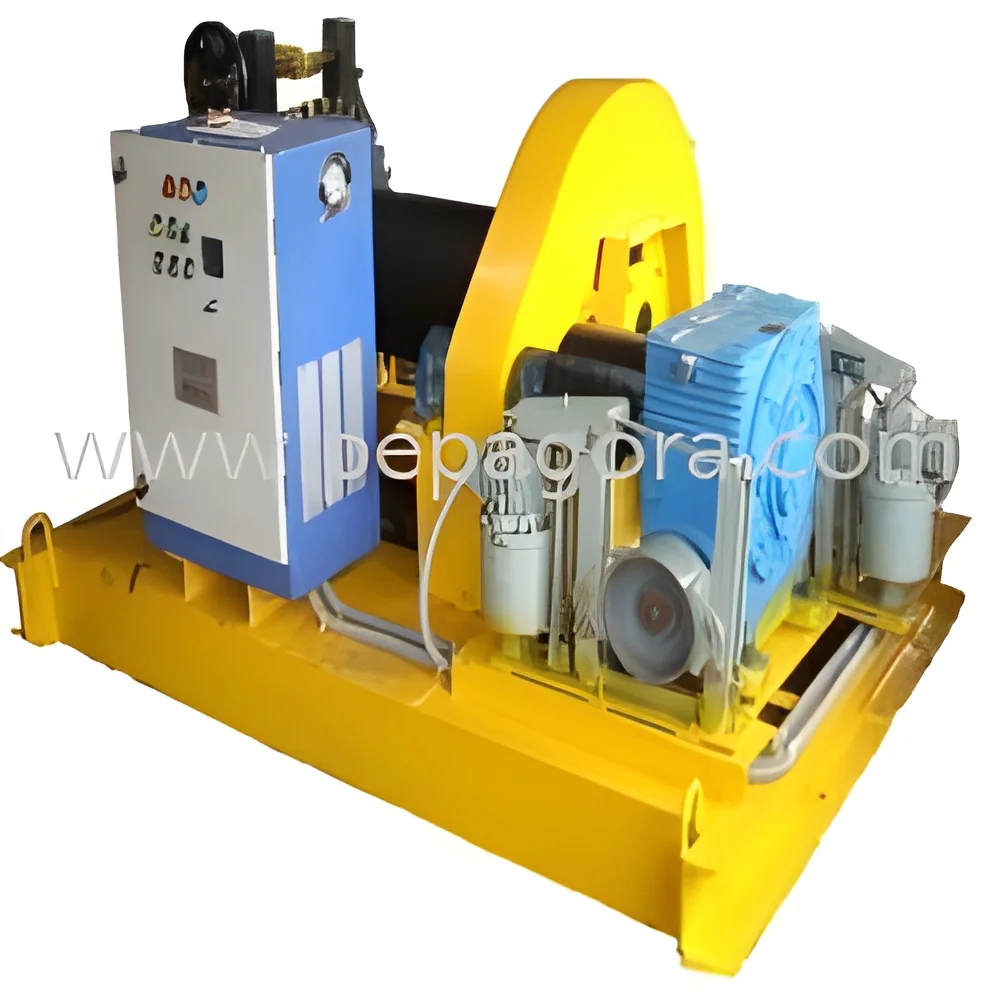
Motorized hoists and winches are essential mechanical devices designed to lift, lower, and move heavy loads with ease and precision. These tools utilize electric motors for operation, significantly enhancing efficiency compared to manual lifting methods. Motorized hoists are typically used to lift loads vertically, while winches are designed for pulling heavy objects horizontally or on inclines. Both systems are crucial in various industrial settings, providing reliable solutions for material handling.
The primary applications of motorized hoists and winches span numerous industries, including construction, manufacturing, and logistics. They are commonly employed in warehouses for moving goods, in construction sites for lifting materials, and in manufacturing for assembly line operations. Their ability to move heavy items safely and effectively makes them a vital component in any operation requiring heavy lifting or pulling.
As industries continue to grow and evolve, the demand for motorized hoists and winches remains strong. The global market for these products is influenced by advancements in technology, safety regulations, and the increasing need for automation in material handling processes. Companies investing in these systems benefit from improved productivity, reduced labor costs, and enhanced workplace safety.
Key Features and Specifications
Motorized hoists and winches come with various features and specifications that cater to different industrial needs. Understanding these specifications is essential for selecting the right equipment for your applications.
Key specifications include:
1. Lifting Capacity
- Defines the maximum weight the hoist can lift.
- Common ranges are from 250 kg to over 10,000 kg.
2. Lifting Height
- Indicates how high the hoist can lift loads.
- Standard lifting heights vary from 3 meters to 30 meters.
3. Power Supply
- Describes the electrical requirements for operation.
- Options typically include single-phase or three-phase power supply.
4. Speed of Operation
- Refers to how quickly the hoist or winch can operate.
- Speeds can range from 5 m/min to 20 m/min.
5. Control Mechanism
- Specifies how the device is operated.
- Options include remote control, pendant control, or manual override.
6. Safety Features
- Includes built-in safety mechanisms.
- Common features are overload protection, emergency stop buttons, and automatic brakes.
7. Weight of the Unit
- Indicates the overall weight of the hoist or winch.
- This weight can affect installation and mobility.
8. Durability and Materials
- Describes the construction materials used.
- Typically made from steel or aluminum for strength and longevity.
In summary, understanding the features and specifications of motorized hoists and winches is critical for making informed purchasing decisions that align with operational requirements.
Common Applications and Use Cases
Motorized hoists and winches are versatile tools that serve a variety of industries effectively.
1. Construction: In construction, these devices are used for lifting heavy materials like steel beams and concrete blocks, ensuring efficiency and safety on job sites.
2. Manufacturing: In manufacturing environments, hoists and winches facilitate the assembly process by moving parts from one station to another, streamlining production workflows.
3. Warehousing: In warehouses, these devices are essential for loading and unloading goods from trucks and shelves, enhancing material handling processes.
4. Shipping and Logistics: In shipping industries, motorized hoists and winches are used for cargo handling, making it easier to manage heavy loads during loading and unloading operations.
5. Automotive: In automotive workshops, hoists assist in lifting vehicles for maintenance and repairs, providing easy access to undercarriages.
6. Marine: In marine applications, winches are critical for towing and mooring vessels, providing robust solutions for handling heavy loads at sea.
7. Mining: In mining operations, hoists are vital for lifting heavy equipment and transporting mined materials, ensuring operational efficiency in challenging environments.
Product Variants and Subcategories
Motorized hoists and winches come in various configurations to meet specific operational needs.
Electric Hoists: These hoists are powered by electricity and are ideal for continuous operation. They often feature varying lifting capacities and speeds, making them suitable for a range of applications.
Pneumatic Hoists: Utilizing compressed air, pneumatic hoists are perfect for environments where electric power is not feasible. They are lightweight and provide excellent control for lifting and lowering.
Winches with Cable: These winches are designed with heavy-duty cables and are used in applications requiring significant pulling power, such as construction and heavy lifting tasks.
Portable Hoists: These are lightweight and easy to transport, making them ideal for temporary setups or situations where mobility is necessary.
Benefits and Advantages
Motorized hoists and winches offer numerous advantages that enhance operational efficiency.
1. Increased Efficiency: Automating lifting and pulling tasks reduces the time and labor required, leading to improved productivity.
2. Enhanced Safety: These devices are designed with safety features that minimize the risks associated with manual lifting, protecting workers from injury.
3. Versatility: Motorized hoists and winches can be used across various industries, making them adaptable to different applications and environments.
4. Cost-Effective: By reducing labor costs and improving efficiency, these devices can lead to significant savings over time.
5. Reliability: Motorized systems are built for heavy-duty use, providing consistent performance in demanding conditions.
6. Ease of Use: Most models come with user-friendly controls, making operation straightforward for workers of all skill levels.
Buying Guide for B2B Buyers
When sourcing motorized hoists and winches, there are several factors to consider to ensure you make the best purchasing decision.
1. Quality Assessment: Evaluate the quality of the equipment by checking for certifications and compliance with industry standards to ensure reliability and safety.
2. Supplier Verification: Research potential suppliers to ensure they have a proven track record of providing high-quality products and services.
3. Pricing and MOQ: Consider the pricing structure and minimum order quantities (MOQ) to ensure that your purchase aligns with your budget and operational needs.
4. Delivery and Lead Times: Discuss delivery schedules and lead times with suppliers to ensure that equipment arrives when needed without delays.
5. Compliance Requirements: Ensure that the products meet local regulations and safety standards, including any specific industry certifications needed for operation.
Compliance and Certifications
Motorized hoists and winches must adhere to various quality standards and compliance requirements to ensure safety and reliability. Relevant standards include ISO 9001, which focuses on quality management systems, ensuring that products meet customer and regulatory requirements.
Industry certifications such as CE mark indicate compliance with European safety standards, providing assurance of product safety and performance. Additionally, compliance with safety and testing requirements is critical to avoid accidents and maintain operational integrity.
Regional compliance considerations may vary, so it is important to understand local regulations that apply to heavy lifting equipment. Ensuring that products meet these standards not only enhances safety but also boosts the credibility of your operations.
Why Source Motorized Hoists & Winches from Pepagora?
Pepagora provides a trusted platform for sourcing motorized hoists and winches, offering several key advantages to B2B buyers.
Verified Supplier Network: Pepagora features a network of verified suppliers, ensuring that buyers can trust the quality of equipment and services provided.
Streamlined RFQ Process: The request for quotation (RFQ) process is designed for efficiency, allowing buyers to receive competitive quotes quickly, facilitating informed purchasing decisions.
Trade Assurance and Support: Buyers benefit from trade assurance, ensuring protection throughout the transaction process. Pepagora also offers support to help resolve any issues that may arise during the sourcing experience.
Regional Coverage: With a strong presence in India, GCC, and Southeast Asia, Pepagora provides regional coverage that allows businesses to source equipment conveniently and efficiently, catering to specific market needs.

 IN
IN